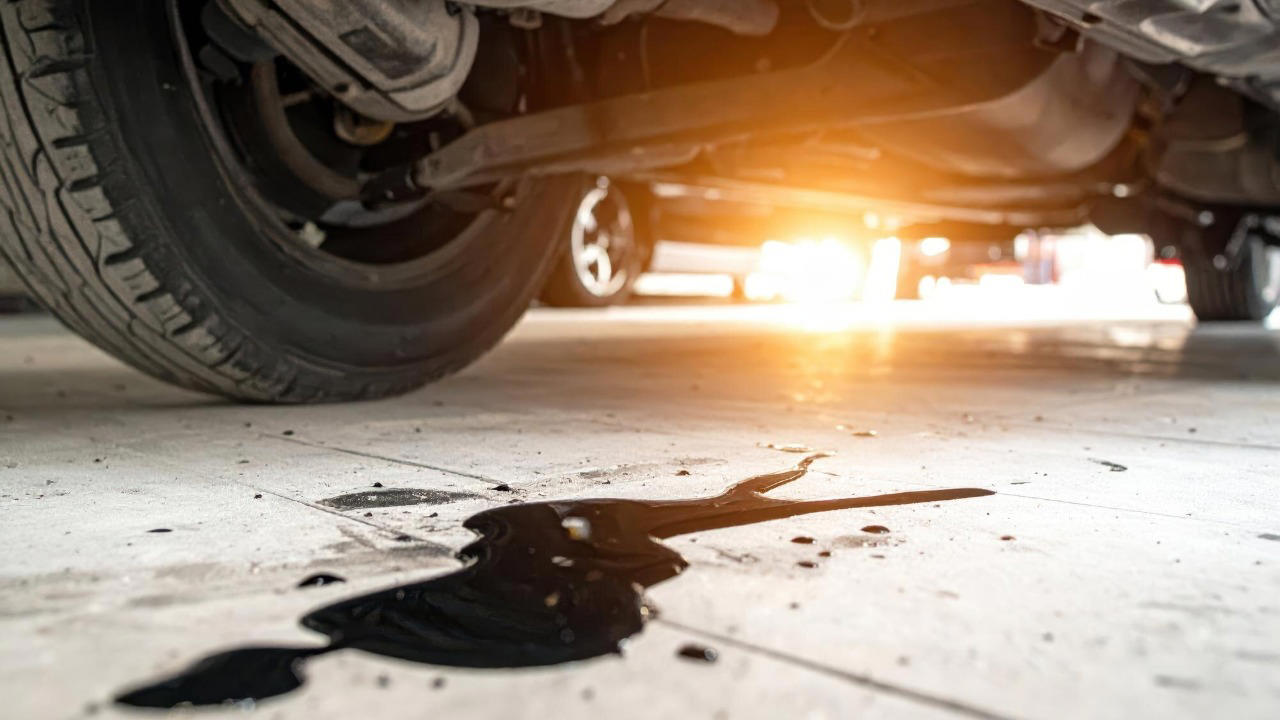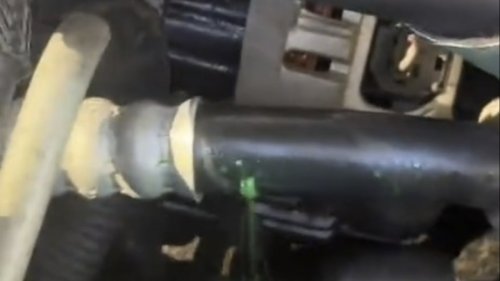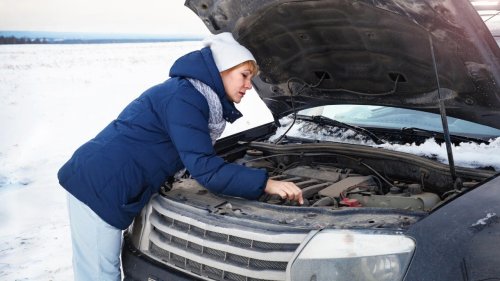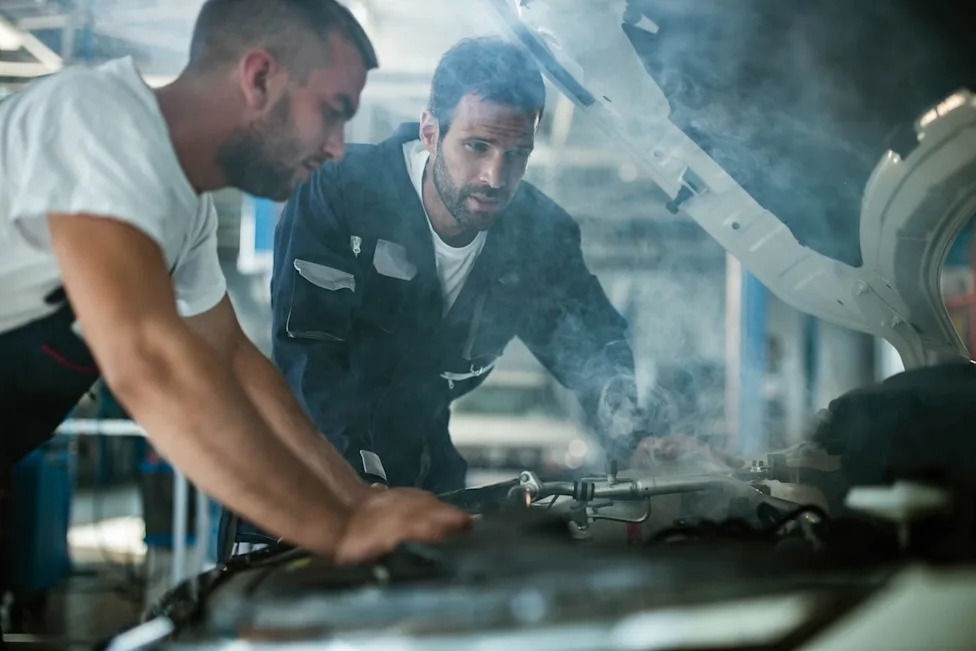
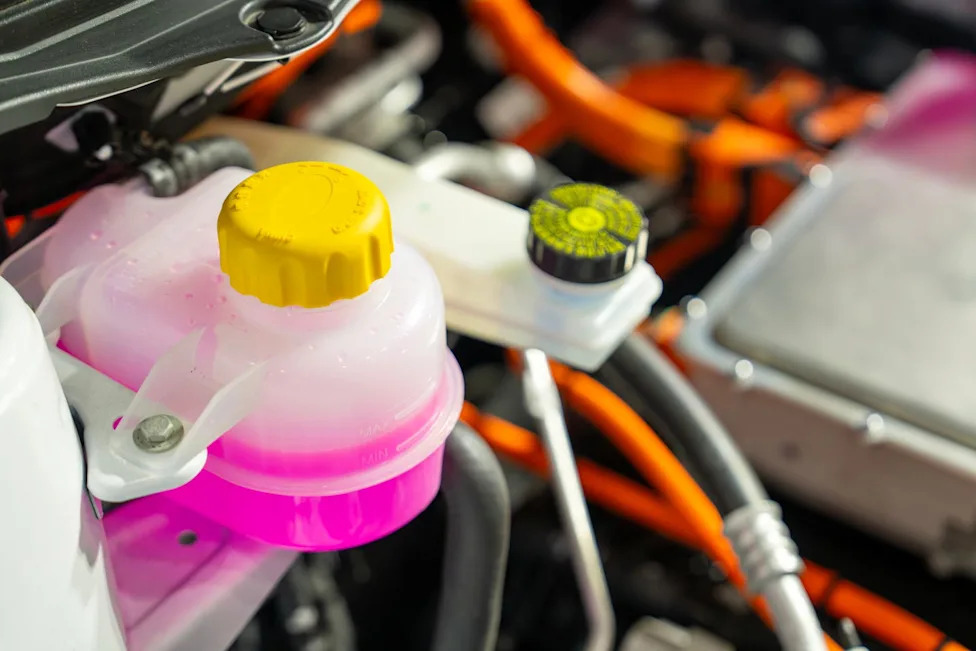
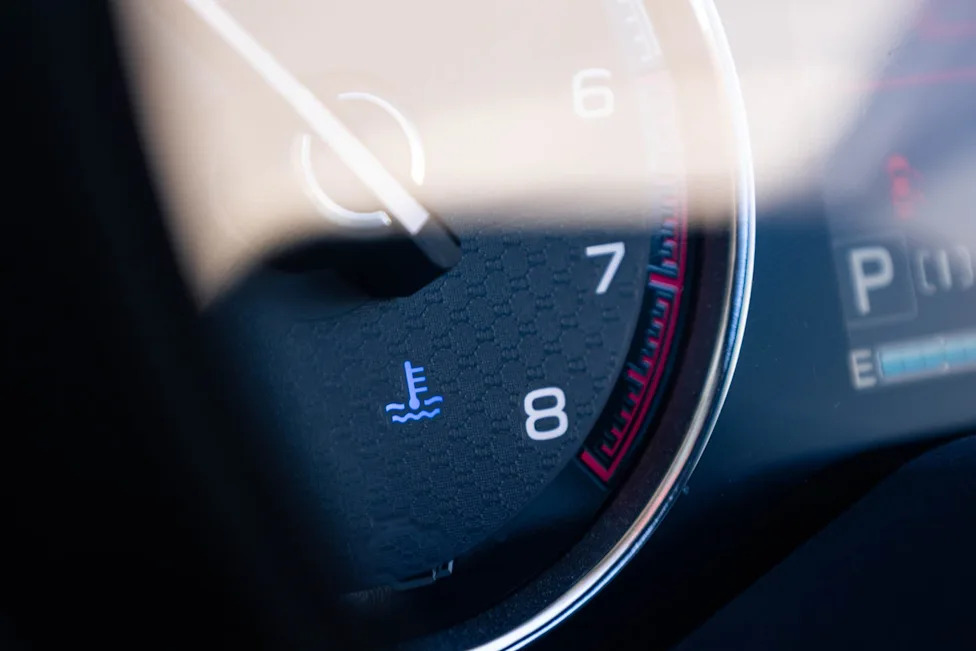



















How to Prevent Your Engine From Overheatingskynesher - Getty Images (skynesher - Getty Images)There's nothing quite like watching your temperature gauge creep up while you're stuck in traffic on a hot summer afternoon or while you are on a weekend road trip with no service station in sight. One minute everything feels normal. The next, you're pulling onto the shoulder with steam coming from under the hood and your vacation plans suddenly on hold.The frustrating part is that many overheating problems start with small warning signs drivers miss or ignore. Low coolant, cracked hoses, and worn belts often develop slowly over time before turning into full-blown roadside emergencies.Preventing engine overheating starts with simple preventive maintenance. Taking a few minutes to inspect your cooling system every few weeks can help you catch problems early and avoid costly repairs later. When was the last time you looked at your coolant level? Does the coolant still look clean and bright, or is it dark and discolored? Are your coolant hoses dry rotted or cracked? Even a small coolant leak or worn belt can quickly snowball into a major problem once temperatures rise.Why engines overheatYour engine creates an enormous amount of heat every time you drive. The cooling system keeps temperatures under control by circulating coolant through the engine and radiator while fans and airflow help remove excess heat.AdvertisementAdvertisementWhen one part of that system fails, temperatures can climb quickly.Low coolant is one of the most common causes of overheating, but it's far from the only one. Worn radiator hoses, a failing thermostat, damaged belts, radiator leaks, and malfunctioning cooling fans can all prevent the system from doing its job properly.Summer heat, stop-and-go traffic, and heavy loads put even more stress on the cooling system, which is why overheating problems often show up during road-trip season.How to inspect your carMost cooling-system inspections require only a few basic tools you probably already have at home. A flashlight, gloves, a clean rag, and a funnel are enough for many of the checks in this guide. Some drivers also like keeping premixed coolant and a small inspection mirror in the garage for quick maintenance checks.AdvertisementAdvertisementThe most important tool, though, is patience. Never inspect a hot cooling system. Always allow the engine to cool completely before touching any radiator components like hoses or caps.1. Check your coolant level and conditionCoolant is the lifeblood of your cooling system. If levels drop too low, the engine can no longer regulate temperature properly.Start by locating the coolant reservoir, which is usually a translucent plastic tank with minimum and maximum markings on the side. With the engine completely cool, verify the coolant sits within the recommended range.Witthaya Prasongsin - Getty Images (Witthaya Prasongsin - Getty Images)Next, look at the coolant itself. Healthy coolant is typically bright green, orange, pink, or blue depending on the vehicle manufacturer. If the fluid appears rusty, brown, cloudy, or contaminated, it may be time for a coolant flush.AdvertisementAdvertisementLow coolant can sometimes point to a leak elsewhere in the system, especially if levels continue dropping after topping it off.2. Inspect coolant hoses for cracks and dry rotCoolant hoses deal with constant heat, vibration, and pressure changes, which means they naturally wear down over time. Take a close look at the upper and lower radiator hoses while the engine is cool. The rubber should feel firm but still flexible. Brittle hoses, soft spots, or excessive stiffness can all signal deterioration.Pay close attention to cracks, fraying, bulges, and dry rot near connection points. A busted coolant hose can become an instant nightmare on a hot day, especially during highway driving when the cooling system is working hardest.Even small leaks or weak spots deserve attention before they leave you stranded.3. Don't ignore the radiator capThe radiator cap plays a bigger role than many drivers realize. It helps maintain proper pressure inside the cooling system, which raises the coolant's boiling point and improves performance.AdvertisementAdvertisementA weak or damaged radiator cap can allow coolant to boil prematurely, increasing the risk of overheating.Inspect the cap for cracked seals, corrosion, or coolant residue around the neck. Since radiator caps are relatively inexpensive, replacing an old one is often cheap insurance against future cooling-system issues.Just remember: Never remove the radiator cap while the engine is hot.4. Inspect the radiatorStart by looking through the grille at the front of the vehicle. The radiator's thin metal cooling fins should appear relatively straight and free from excessive debris. Leaves, dirt, bugs, and road grime can block airflow and reduce the radiator's ability to shed heat. If you notice buildup, carefully clean the area with low-pressure water.AdvertisementAdvertisementNext, inspect the fins themselves. A few bent fins are normal, especially on older vehicles, but widespread damage can restrict airflow and make the radiator less effective. Radiators can also be damaged by road debris, rocks, or even minor impacts that may not leave obvious exterior damage.If your vehicle uses a radiator with plastic end tanks, pay close attention to their condition. Years of heat cycles can cause the plastic to become brittle and discolor. A radiator that has turned dark brown or yellowed compared to its original color may be showing signs of age-related deterioration.5. Watch for thermostat warning signsThe thermostat regulates coolant flow through the engine. When it sticks closed, coolant circulation slows or stops completely, causing temperatures to rise fast.One of the most common warning signs is a vehicle that overheats shortly after startup. You may also notice sudden temperature swings, inconsistent cabin heat, or bubbling coolant inside the reservoir.Jackyenjoyphotography - Getty Images (Jackyenjoyphotography - Getty Images)Thermostat replacement is usually more involved than basic maintenance checks, so many drivers prefer leaving this repair to a professional technician.6. Make sure the cooling fan turns onModern vehicles rely heavily on electric cooling fans, especially in slow-moving traffic where natural airflow through the radiator is limited.AdvertisementAdvertisementA simple driveway test can help verify the fan is working properly. Start the vehicle and allow it to idle until it reaches normal operating temperature. As temperatures rise, the cooling fan should eventually cycle on automatically.If the fan never activates, there could be an issue with the motor, fuse, relay, or temperature sensor.Many drivers notice overheating only during stop-and-go traffic because highway speeds provide enough airflow to temporarily mask fan problems.7. Check your beltsWhile you're inspecting hoses, take a few minutes to examine your belts too.Your serpentine belt powers several critical engine components, including the water pump on many vehicles. Cracks, fraying, glazing, or squealing noises may indicate the belt is wearing out.AdvertisementAdvertisementYou should also check underneath the vehicle and around the radiator area for signs of coolant leaks. Dried coolant residue often appears white, green, orange, or pink depending on the coolant type.Engine oil matters here too. Oil not only lubricates moving components but also helps regulate engine temperature. Low or dirty oil can contribute to overheating problems over time.8. Look for small leaks before they become big problemsMinor coolant leaks often start slowly before turning into major failures.If you notice a sweet smell after driving, damp spots around hose connections, or small puddles beneath the vehicle, it's worth investigating further. Tiny leaks may not seem urgent at first, but over time they can gradually lower coolant levels enough to trigger overheating.When to DIY vs. call a proMany cooling-system checks are easy enough for most drivers to handle at home, especially visual inspections involving coolant levels, hoses, belts, and obvious leaks.AdvertisementAdvertisementMore involved repairs, however, are usually best left to professionals. Thermostat replacements, water-pump repairs, pressure testing, and diagnosing persistent coolant loss often require specialized tools and experience.If your engine overheats repeatedly, don't continue driving it. Severe overheating can damage head gaskets, warp engine components, and lead to extremely expensive repairs.What to do if your temperature guage starts overheatingIf your temperature gauge suddenly climbs or you see an overheating warning light, as soon as it's safe, pull over and shut the vehicle off. Allow the engine to cool completely before opening the hood.Never continue driving an overheating vehicle unless absolutely necessary. Even a short drive while overheated can cause major engine damage. If steam is coming from under the hood, keep your distance until everything cools down.AdvertisementAdvertisementYou Might Also LikeEat These Expert-Recommended Foods to Lower Your Blood Pressure NaturallyWe've Tested Over 300 Sets of Bed Sheets. These Are the Best.170 Corny Jokes That Are Seriously Funny