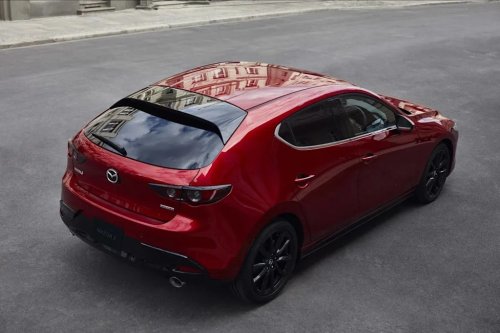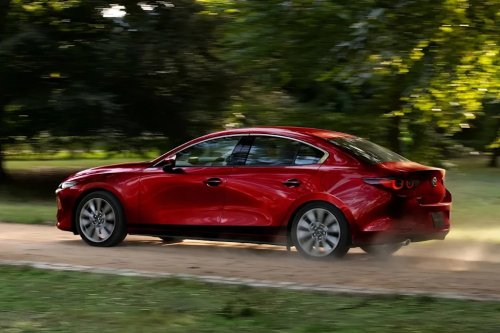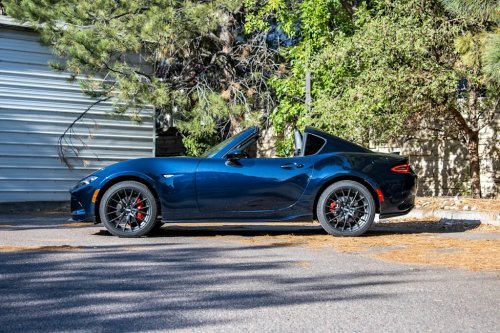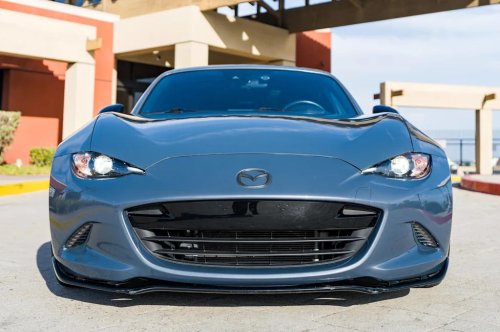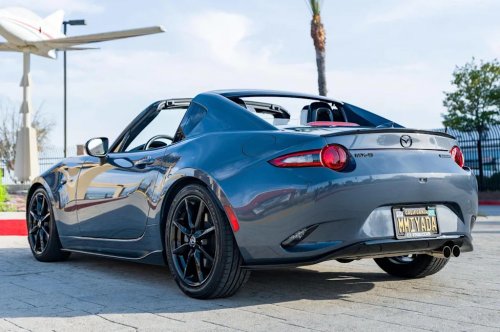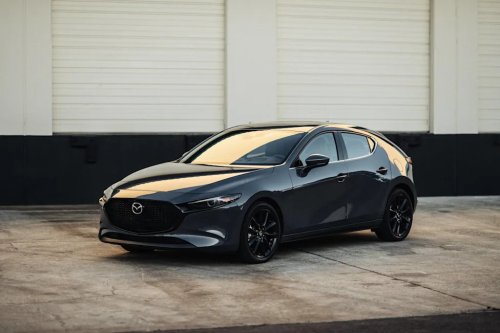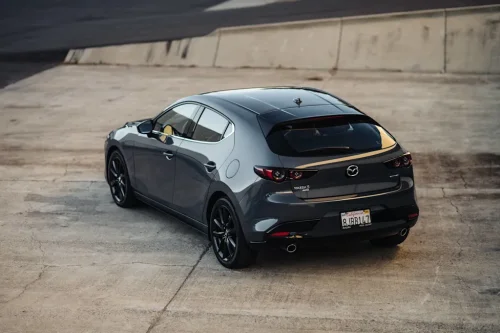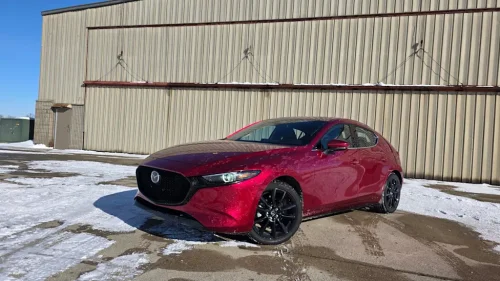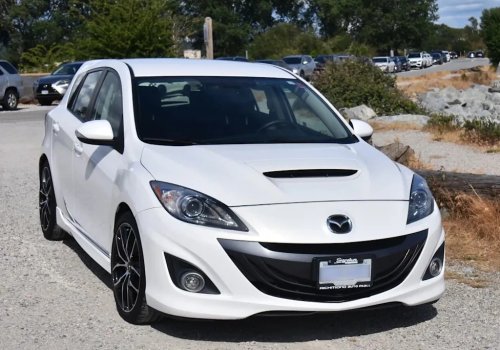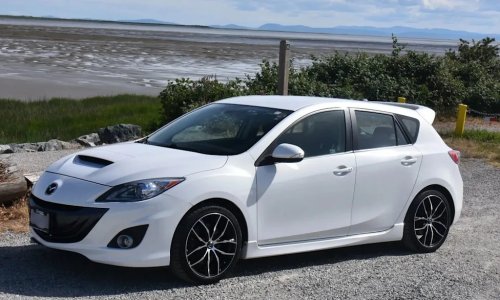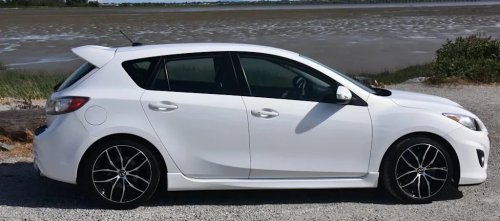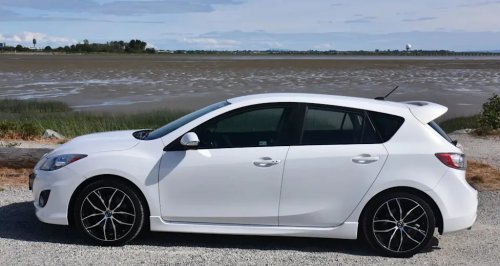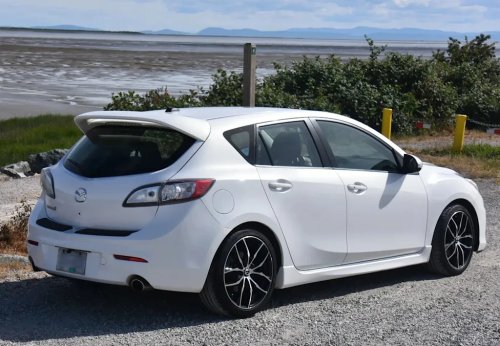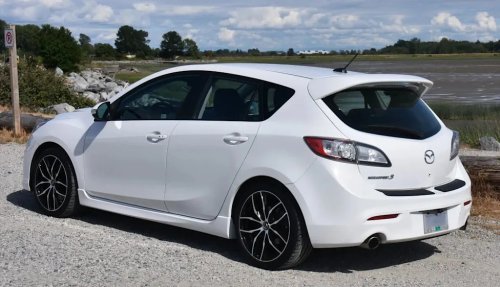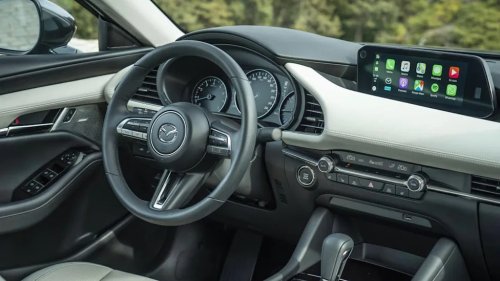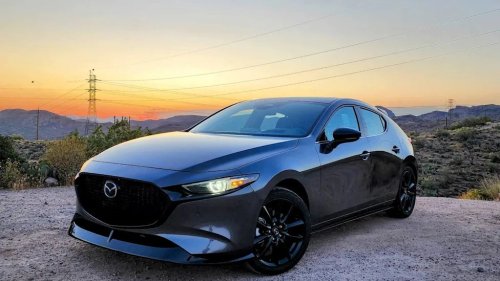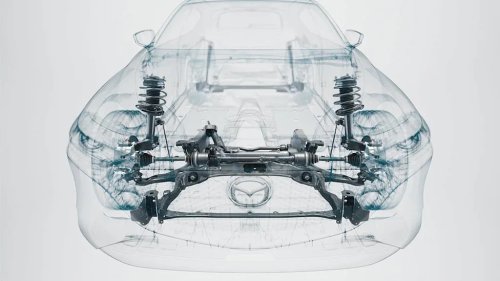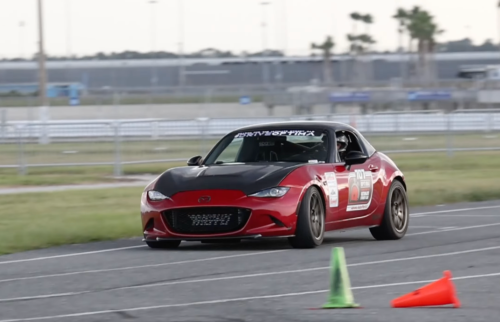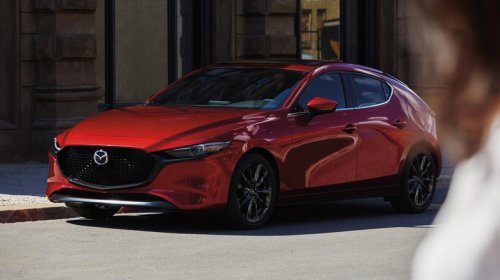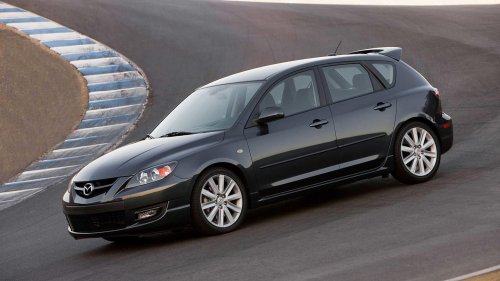
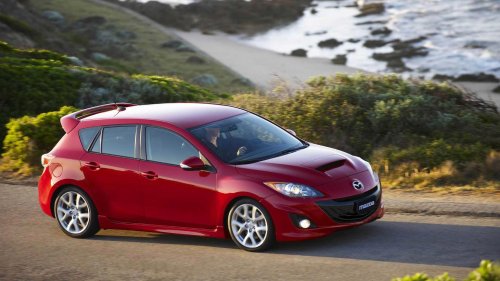
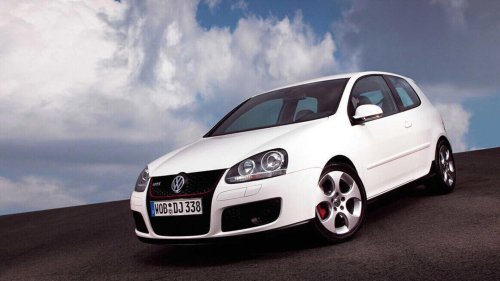
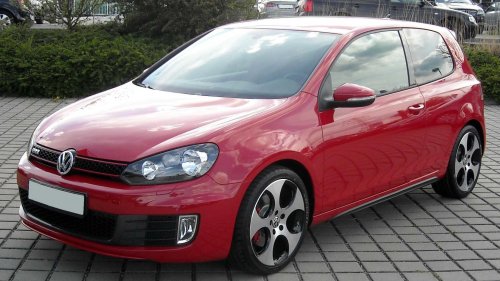
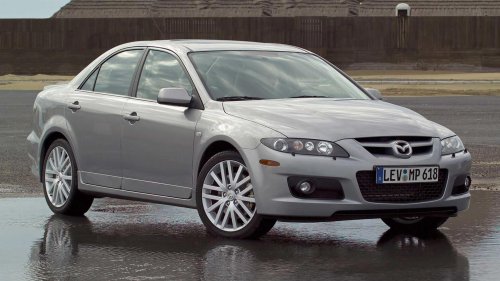
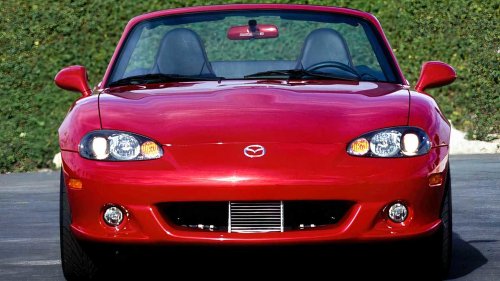
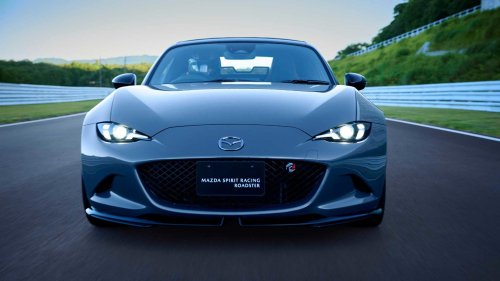



















Hot hatches are one of the most beloved automotive categories among car enthusiasts all over the world. Some models, like the Volkswagen Golf GTI, have gained the status of household name, becoming symbols of accessible, affordable, fun motoring.Other models, however, never quite achieved the same popularity or level of fame. One such car is the Mazdaspeed 3, one of the few production models created by Mazda’s short-lived Mazdaspeed performance brand. Let’s take a look back at this interesting model, its features, and the history that surrounds it. The Mazdaspeed 3: An Overview MazdaThe Mazdaspeed 3 is a sporty hatchback introduced in 2007, a high-performance version of the popular Mazda 3. It is the only model produced by Mazdaspeed (Mazda’s former performance division) to have lasted more than one generation.The model’s first generation was sold between 2007 and 2009, at the same time as the Mazda 3’s first generation. It shared an engine with another Mazdaspeed model, the Mazdaspeed 6: a 2.3-liter turbocharged inline-four unit, which produced 263 hp and 280 lb-ft of torque. A six-speed manual transmission sent power to the front wheels, unlike in the Mazdaspeed 6 which was an AWD model. The Mazdaspeed 3 was also equipped with a host of features that made the driving experience more fun and engaging, such as a sporty suspension and a limited-slip differential built by British brand GKN.Mazda In 2010, as the second generation of the Mazda 3 arrived on the market, its Mazdaspeed sibling’s second generation made its debut as well. This car was powered by the same engine as its predecessor, and was equipped with the same transmission and limited-slip differential.Its design, however, underwent a major update that made it sleeker, sportier, and more modern. The shape of the front end, headlights, and roofline was reworked as part of the design overhaul. The interior featured sports seats with contrast stitching, along with aluminum pedals and gear shifter for a performance-oriented look. The model was also equipped with an infotainment and navigation touchscreen, plus a Bose 10-speaker audio system.This version of the Mazdaspeed 3 remained in production until the second-gen Mazda 3 was discontinued in 2013. As the Mazdaspeed brand was on its way out by then, no Mazdaspeed version was released for the Mazda 3’s subsequent generations. The Mazdaspeed 3 On The Used Market Today If you’re shopping for a hot hatch on the used market, the Mazdaspeed 3 could be a fantastic choice, thanks to its good reputation for reliability and its wallet-friendly price tag.For the first generation of the model, you can expect to pay as little as $6,000 for an example with a higher mileage and in poorer condition. The upper end of the price range, for vehicles in better shape and with fewer miles, sits around the $8,000 mark. For the second generation, prices are a little higher: this time, $8,000 is the starting point, while the upper end of the price range goes up to around $13,000. The Mazdaspeed's Arch Rival: The Golf GTI VW Being a hot hatch, the Mazdaspeed had several competitors on the automotive market of its era. However, one car was its biggest rival and the biggest player on the hot-hatch market: the Volkswagen Golf GTI, perhaps the most famous sporty hatchback in the automotive world. The versions of the Golf GTI that directly competed with the Mazdaspeed 3 were the Mk5 and the Mk6, respectively released in 2004 and 2010.The Mk5 model was somewhat of a return to the GTI’s former glory; after the Mk4 model, which had not encountered much success, Volkswagen went back to its roots when designing the Mk5 GTI. This model was powered by a 2.0-liter turbocharged inline-four engine, which produced 180 hp and 173 lb-ft of torque. The engine was paired with a choice of two transmissions: a six-speed manual or a six-speed DSG. Both a three- and five-door hatchback body style were offered.Rudolf Stricker/Wikimedia Commons The Mk6 model had a very similar design to its predecessor, with a few visual upgrades that modernized its silhouette. It was also powered by a similar engine: a 2.0-liter turbocharged inline-four, which produced 207 hp and 206 lb-ft of torque. This model was, however, nearly a second quicker than its predecessor, hitting 60 mph somewhere around 6.7 seconds against the Mk5’s 7.5 seconds. Other Mazdaspeed Models While the Mazdaspeed 3 was one of the most well-known and longest-lasting models in the Mazdaspeed lineup, the brand produced several other high-performance versions of ordinary Mazdas. Let’s take a look at Mazdaspeed’s offering over the years. Mazdaspeed Protege The Mazdaspeed Protege was the first Mazdaspeed model to be sold in the US. Introduced in 2003, it was a performance version of a model known by many names depending on geographical area: the Protege in the US, and the 323F/Familia/Astina elsewhere in the world.The Mazdaspeed version was considerably more expensive (around $6,300 more) than its standard counterpart, thanks to the presence of several upgrades on board. These included a rear spoiler and front air dam, as well as a more powerful engine: a 173-hp, 2.0-liter inline-four, upgraded with a turbocharger by American firm Callaway. Mazdaspeed only planned to produce around 2,000 examples of this model, however around 4,500 units ended up being built.Cars & Bids / CarBuzz Mazdaspeed MX-5 Miata In 2004, just as the iconic Miata’s second (NB) generation was coming to an end, Mazdaspeed put its own spin on the model. Introduced in 2004, the Mazdaspeed MX-5 was upgraded with the addition of a turbocharger. This increased the output of its 1.8-liter inline-four engine up to 178 hp (the original model produced 140 hp).Mazdaspeed also added a limited-slip differential and replaced the transmission with a short-throw, performance-oriented six-speed manual. The braking system and suspension were also upgraded. A few cosmetic touches, such as Mazdaspeed badges, a leather-wrapped steering wheel, and a rear spoiler, set the model apart from its more ordinary sibling. 5,428 units were built for the US market over the course of two years. Mazdaspeed 6 Mazda The Mazdaspeed 6 was a performance version of the first-gen Mazda 6. Although Mazda had been working on it for several years, and had already built some concept versions, the production model was introduced in 2006 just as the Mazda 6’s first generation was drawing to a close.Power came from a 2.3-liter turbocharged inline-four engine, equipped with features such as a forged steel crankshaft, forged connecting rods, and direct fuel injection. A six-speed manual gearbox sent power to all four wheels. The model was also equipped with a limited-slip differential, upgraded suspension and brakes, and a strengthened chassis and body. Mazdaspeed And Mazda Spirit Racing: A Long History Of Performance Mazda Mazdaspeed was Mazda’s high-performance division for decades, before being phased out and giving way to the company’s current performance brand, Mazda Spirit Racing (MSR). The Mazdaspeed story actually started with an entirely different name: the division was created as a racing team in 1967, under the moniker of Mazda Sports Corner. The team was originally set up by one of Mazda’s distributors, not by the brand itself.In 1983, however, the name was changed to Mazdaspeed. A few years later, in 1991, the 787B achieved a historical victory at the 24 Hours of Le Mans, something no other Japanese team would achieve until Toyota in 2018. That same year, Mazda took control of the team’s operations, bringing Mazdaspeed in-house.Outside of racing, Mazdaspeed also offered factory-approved performance parts and accessories for Mazda models. In 2003, the brand moved up from parts to full performance-oriented versions of Mazda models. This arrangement would continue for a decade, until the Mazdaspeed brand was phased out in 2013.Mazda In 2021, Mazdaspeed’s successor began to emerge. Called Mazda Spirit Racing (MSR), the new division also started out as a motorsport racing team in Japan’s Super Taikyu Series. In 2024, MSR introduced its own performance versions of Mazda models: two concept cars called the RS Concept (based on the Miata) and the 3 Concept (based on the Mazda 3). Production models followed soon after, in the form of the Miata-based MSR Roadster and MRS Roadster 12R. Another concept, the MSR CX-60, was also unveiled.Sources: Mazda