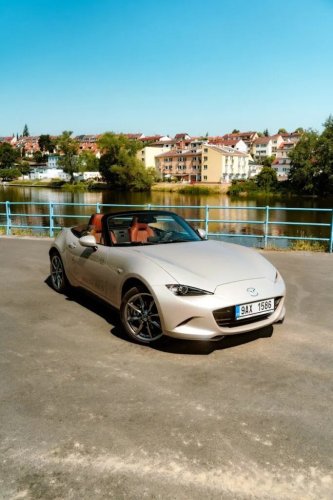
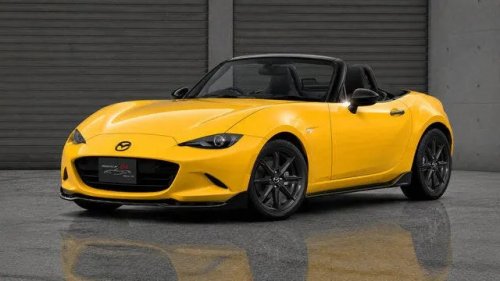
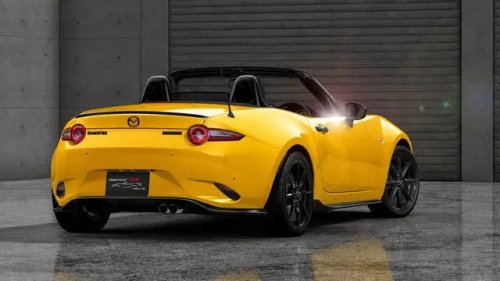
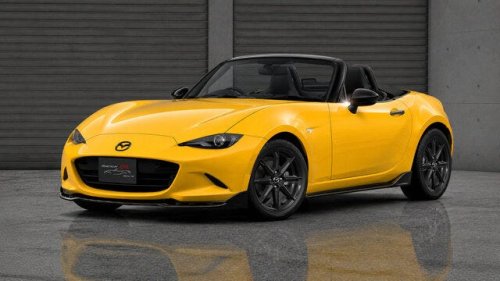
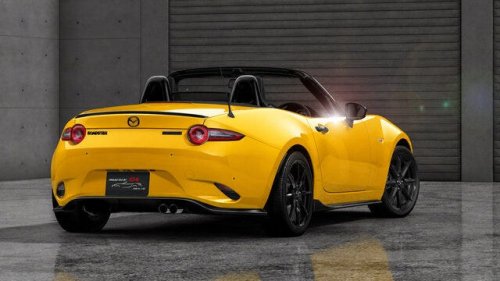
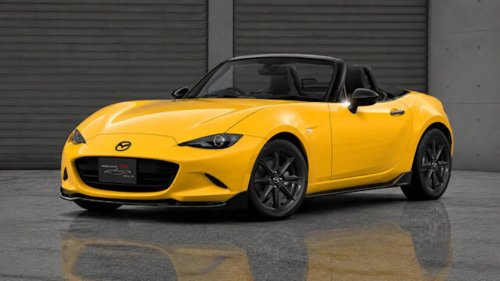
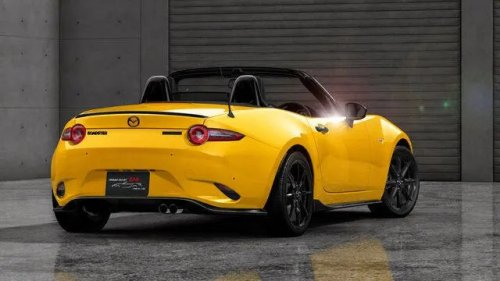
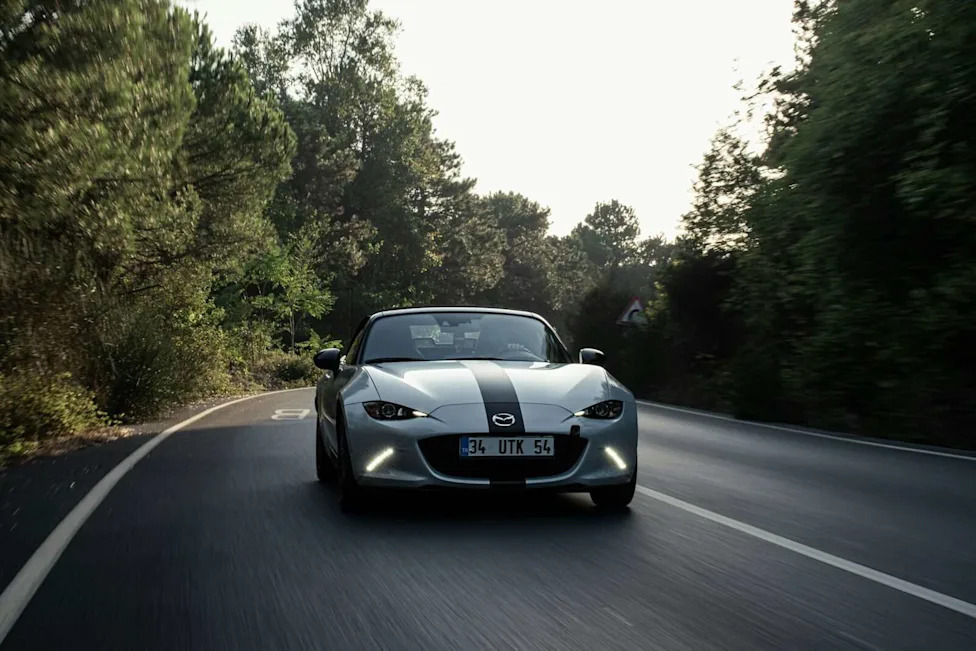
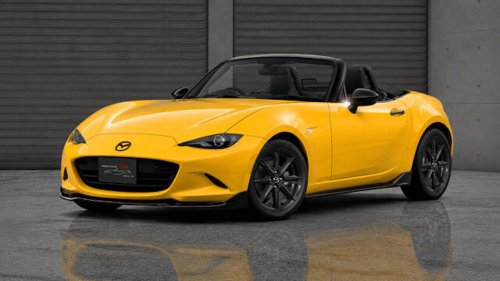
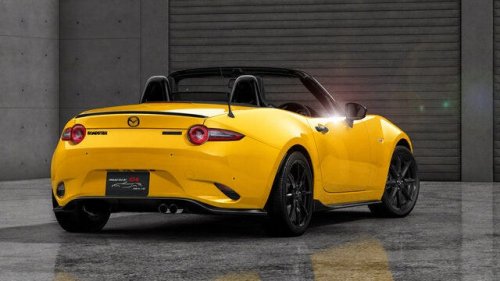
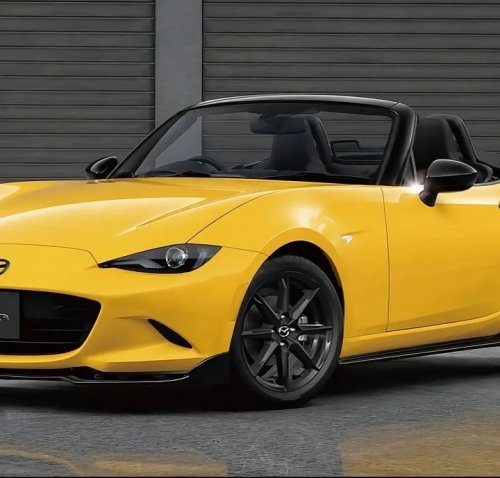
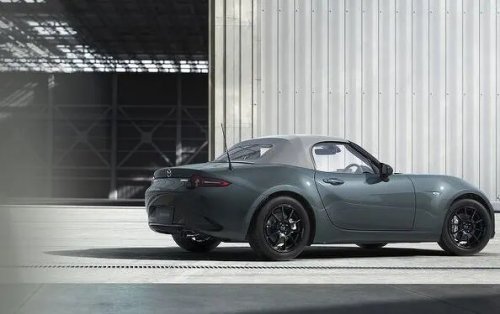
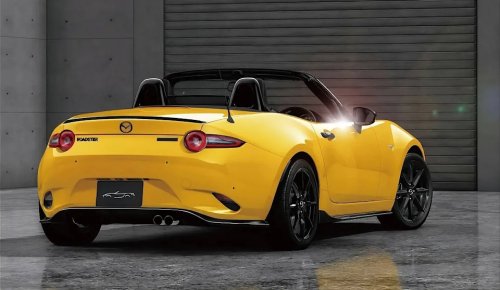
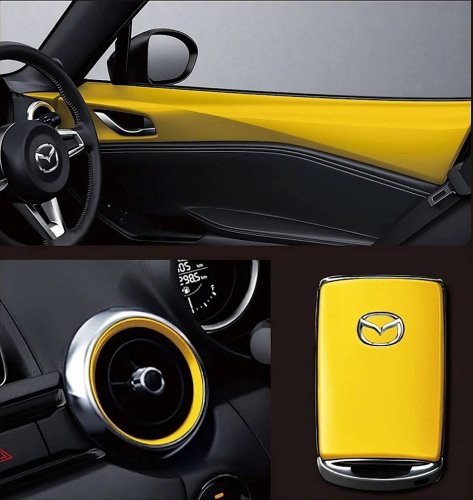
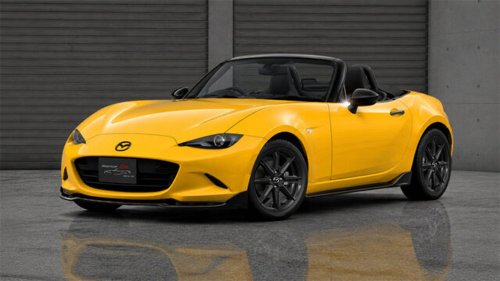
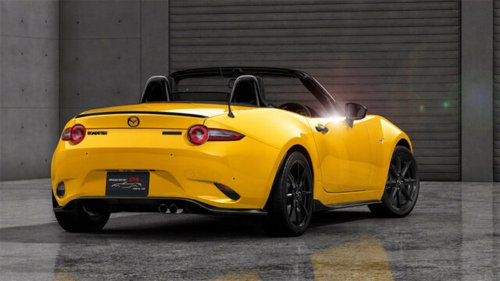
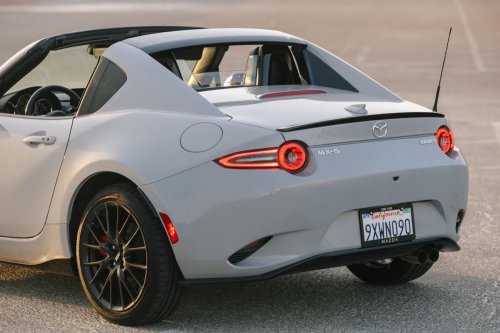
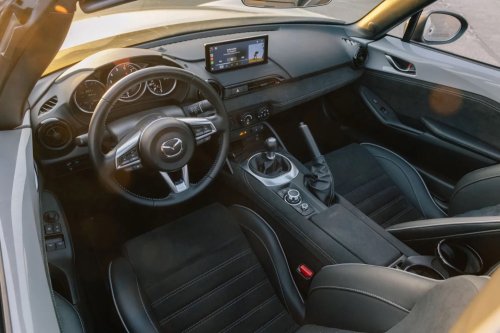
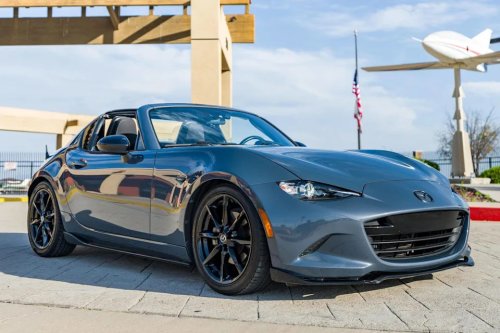
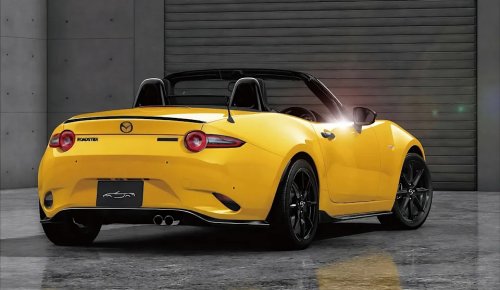
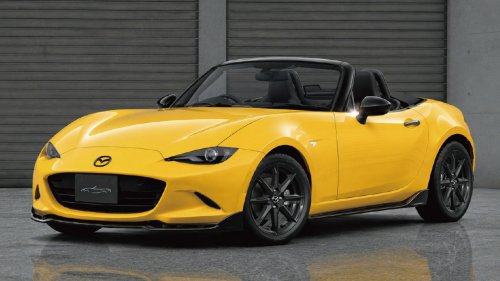
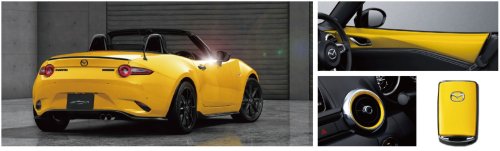
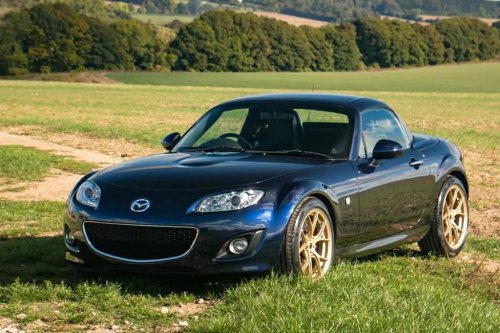
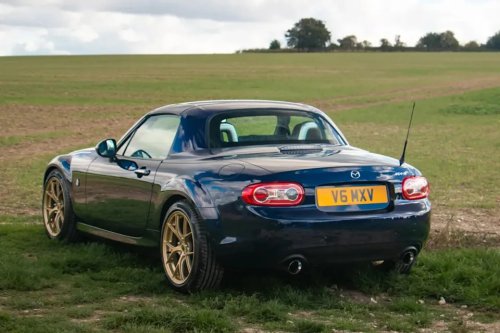
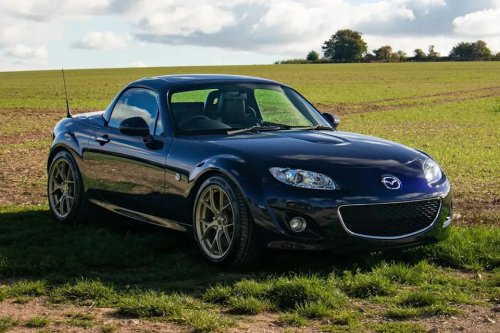
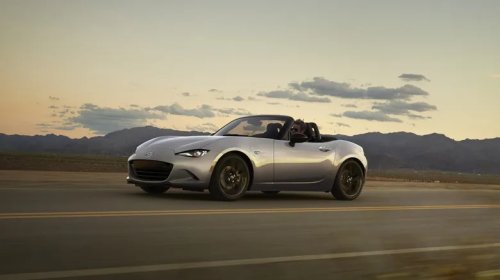
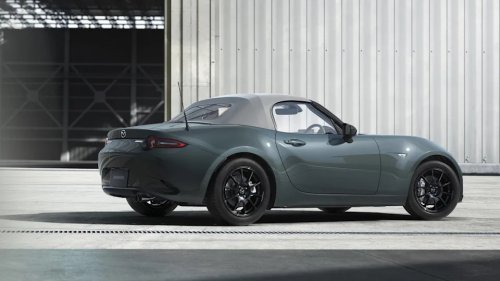
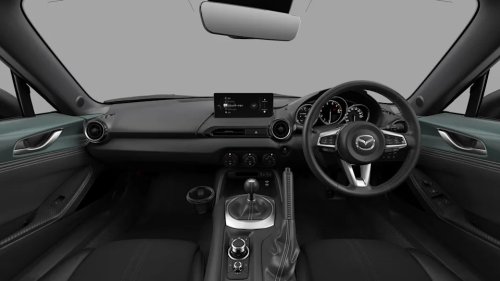
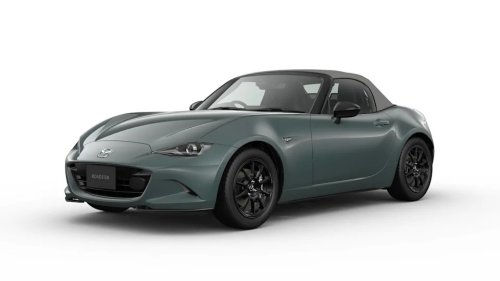
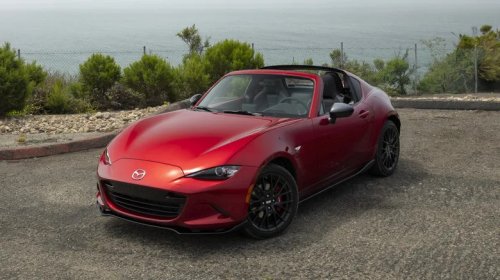
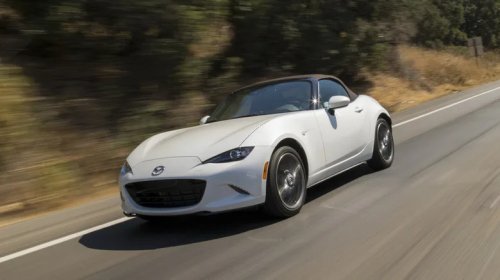
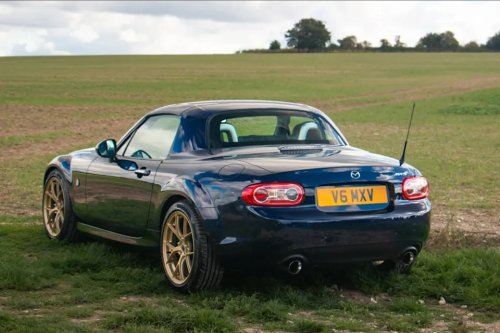
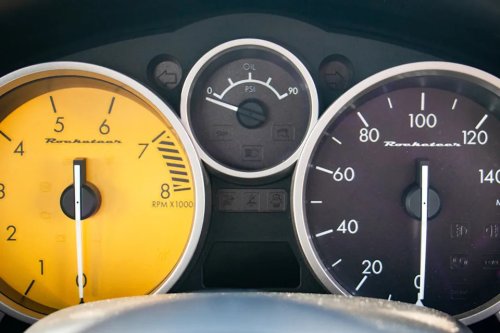
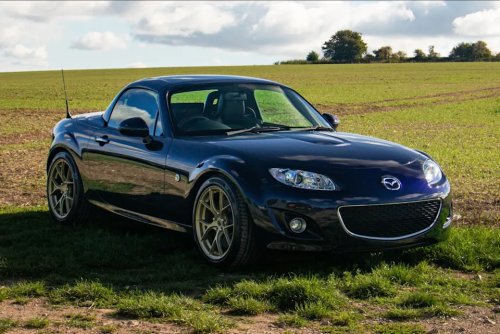
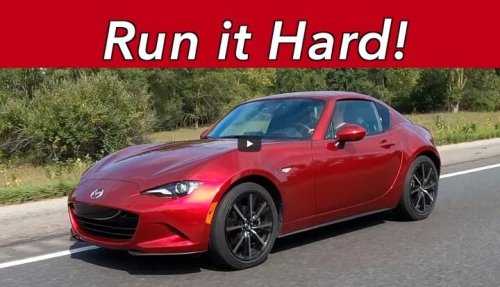
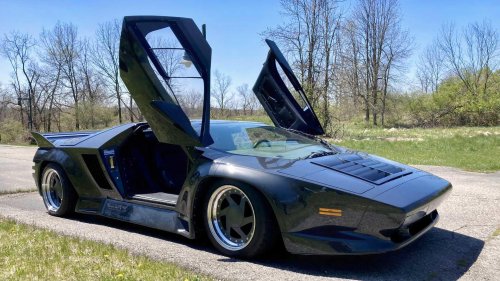
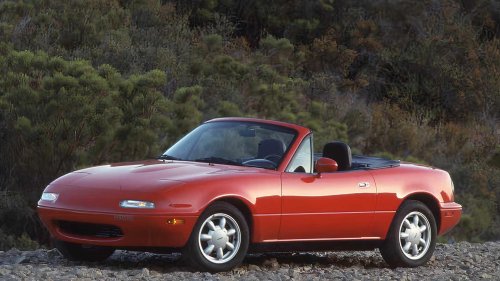
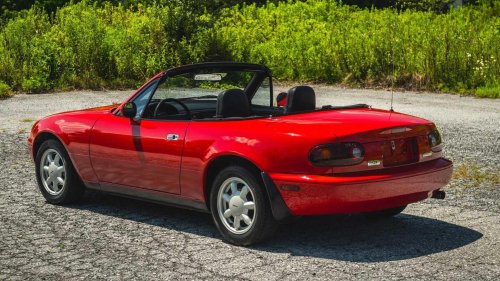
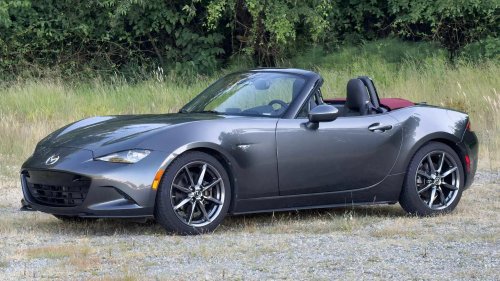
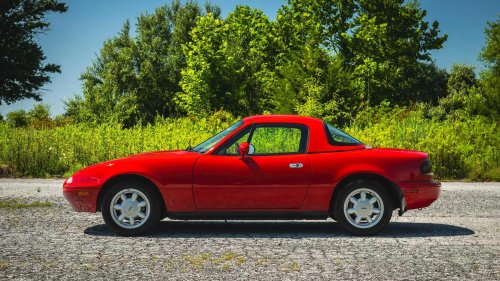
Pretty much ever since the muscle cars of the '60s, a power war has been raging. From the moment that the Pontiac GTO kicked off the idea of a big V8 in an everyday coupe as an option package in 1964, manufacturers had tried to tempt buyers into showrooms with ever more powerful creations. By the end of the decade, things were out of control, with the 1969 Chevy Camaro ZL1 packing a 430-horsepower 427, and the Dodge Charger Daytona of the same year getting fitted with a 425-horsepower 426 Hemi. And this was a time when most cars still had drum brakes.The bottom line is horsepower has always sold cars, with the barroom bragging rights being just as important as the stop light grand prix. That was until one manufacturer decided to throw horsepower out the window and made one of the most popular sports cars of all time in the process. Performance Cars Of The '80s Had Too Much Power via Bring A Trailer Controversial yes, especially on a website that celebrates performance cars. But by the time the '80s rolled around, it could be argued that some cars had too much power for their own good. Buyers may not have noticed it at the time, but the idea of having 400 horsepower in a supercar without any traction control, ABS, airbags, or any of the other things we rely on to keep the wheels out of a ditch, now seems a bit crazy. But that didn't stop manufacturers and tuners from going in search of headline-grabbing power outputs. The Power Wars Were Raging By The End Of The Decade Bring a Trailer There were cars like the AMG Hammer, the company's response to the six-cylinder, 286 horsepower M5. To say they went one step further was an understatement, upping the ante with a W126 fitted with a 360-horsepower 5.6-liter V8, and later a 6.0-liter engine with 380 horses. The space age-looking Vector W8 TwinTurbo had 625 horsepower, but one magazine found the American supercar couldn't get through a road test without breaking down. But taking the competition and turning the horsepower up to 11 was seen by many carmakers as the only way to evolve. Soon you had cars that took serious skill to drive at their limits.Another case in point is the early '90s Dodge Viper RT/10, a menacing modern recreation of the original AC Cobra that had a 400-horsepower 8-liter V10 and not so much as side windows. We love the Viper, and it is an icon, but this is a car that demands respect, with no stability control, traction control, or ABS, and one reviewer gave this word of caution: "Try too hard, and this is one snake that will bite you hard, rather than forgive." But out of all this hairy-chested madness, one new model was attempting to prove that horsepower wasn't everything in the future, by looking to an unlikely segment of the past. The Miata Went Back To Rural Britain In The '60s Mazda That's right. When Mazda was looking for inspiration for a groundbreaking new sports car in the late '80s, it went back to a place where motoring enthusiasts discussed tea and driving gloves, rather than the size of their V8s. Having considered making the Miata mid-engined, as well as a front-drive variant, Mazda went with a proposal from its US design team that channeled cars like the '60s-era Lotus Elan, the MGB, and the Triumph TR4, with a modern-yet-simple take on a rear-drive, front-engine platform. Mazda realized that high power also made everything else more complicated — as well as more costly and heavy — so it took a chance that sports car fans would accept a fairly puny 116-horsepower 1.6-liter engine and five-speed manual transmission if the Miata drove well enough. The Miata Didn't Need Much Power - And People Loved It Via: Bring a Trailer It turns out they did. With even power windows and aluminum wheels optional, the Miata (or Eunos, or MX-5, depending on where you live) weighed just 2,210 pounds (and cost just over $13,800). The reasons why people had ditched more brawny sports cars in the '60s for modest British '60s roadsters still applied: the Miata looked good and offered simple driving thrills that wouldn't cost you your license.One review called it 'a very honest sports car', adding 'For the money, the Miata delivers an overload of the kind of pure, unadulterated sports-car pleasure that became all but extinct twenty years ago.' The twin-cam, 16-valve engine, which came complete with retro-style cam cover, was enough to get the Miata to 60 mph in 9.2 seconds, and 116 horsepower was still enough to dislodge the 185/60HR-14 Bridgestone SF-325 tires. You could dramatically improve the power-to-weight ratio by not picking up any passengers. It didn't take long before the Miata cemented its place as the world's number one selling sports car. Mazda Never Changed The Recipe BaT The temptation must have been there. The NA Miata helped popularize the small roadster segment during the '90s, and quickly cars like the Z3 and SLK were shoehorning in 3.2-liter straight-sixes and 5.5-liter V8s, respectively — but the Miata never felt the need to enter a new power war. The first-gen Miata got a small midlife bump in displacement to a 1.8-liter four-banger making 128 horsepower, and up to 140 horsepower for the second NB car, but the increases were incremental. The Miata Has Even Become Lighter And Smaller In Recent Years Mazda To hammer home the point that the Miata wouldn't give in to huge power hikes or become bloated, the fourth-generation ND Miata was smaller and lighter, even measuring shorter in length than the original and nearly as lightweight. This obsessiveness and respect for the original concept is almost unheard of in the world of cars, and something that makes the Miata truly unique in modern automobile manufacturing.Carbuzz's Ian Wright summed up the ND Mazda in a similar way to reviews of the original NA car. "It's brisk off the line, the manual transmission is joyous to work the three-pedal dance with, and the chassis is perfectly balanced to invite any driving style to have fun with. It's a classic sports car with modern design and engineering implemented damn near perfectly." The Problem For The Miata In 2026 Via: Bring a Trailer But now the Miata is at a crossroads. The latest car features a 2.0-liter four-cylinder engine, but it is still naturally aspirated, still with modest power (188 horsepower) and still available with a manual gearbox (as well as adding the RF "Retractable Fastback"). More than 1.2 million cars have been produced at Mazda’s Ujina plant in Hiroshima since the Miata's launch in 1989. But with cars rapidly being forced to go EV or hybrid, the idea of an unassisted four-pot seems doomed.The problem is, electric assistance or going full EV could add weight to the Miata and take away its raison d'être for good. Mazda seems to be acutely aware of this, and while rumors have circulated that the Miata will be EV, or have an EV version, recent reports have suggested that the car will hang on to its lightweight roots and manual transmission, even using synthetic fuel or some form of electric assistance. We just hope the NE Miata is still a Miata.




















 +64 others