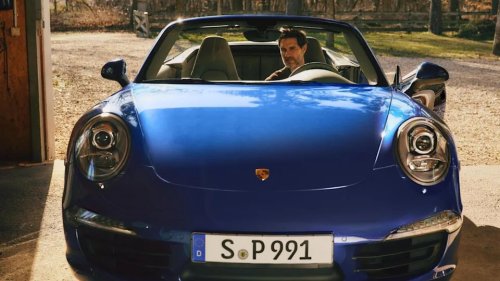
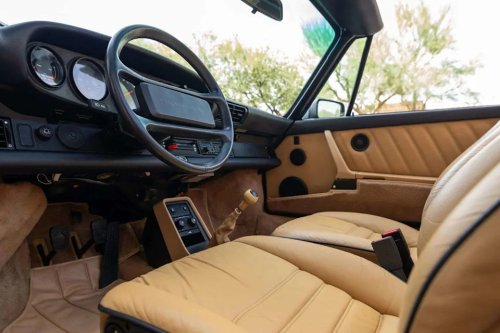
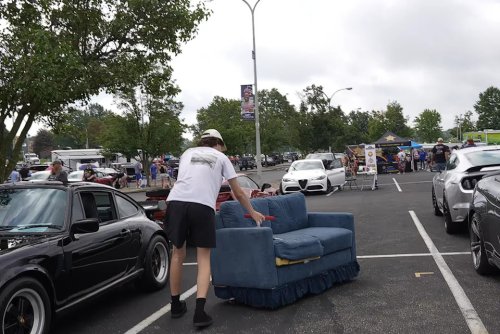
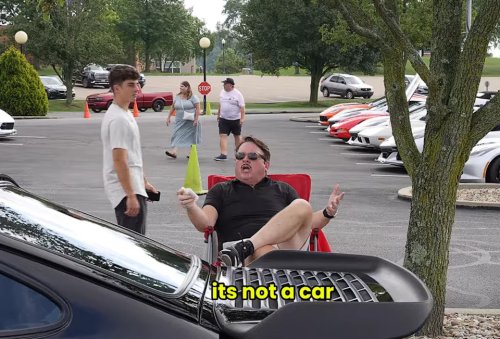
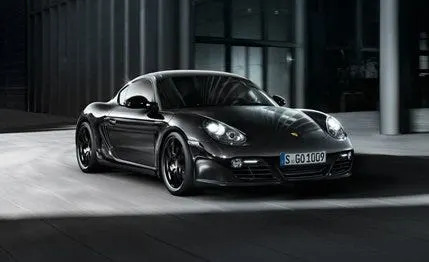
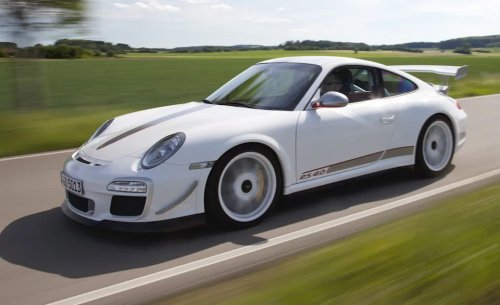
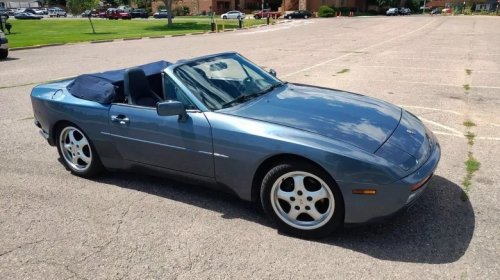
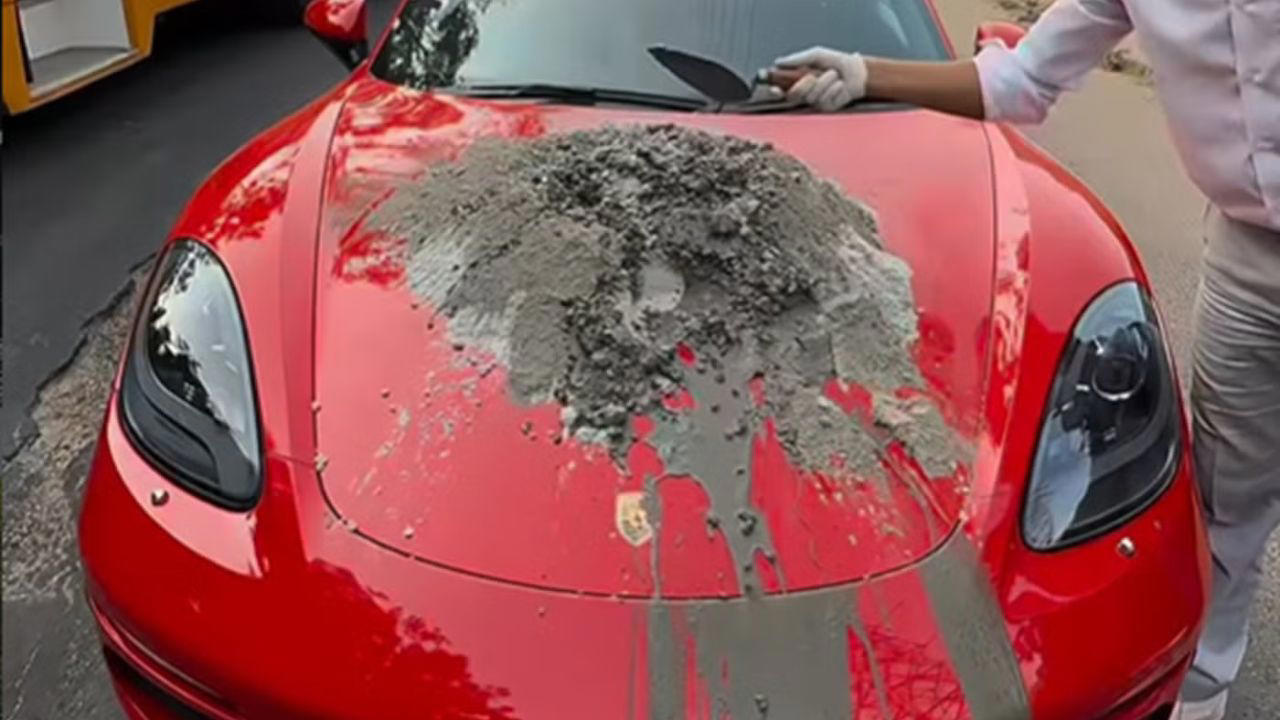
A Porsche Boxster owner recently turned his roadster into a construction prop, mixing wet concrete directly on the hood to prove how tough modern paint protection film can be. The stunt, captured on video, shows the car wearing a clear protective wrap as cement is smeared, scraped, and finally washed away to reveal a seemingly flawless finish underneath. For detailers, PPF brands, and skeptical owners, it is the kind of viral demonstration that compresses years of marketing claims into a single, shocking clip. The scene looks like abuse but is designed as proof of concept: that a thin, transparent urethane layer can stand between a six-figure paint job and some of the harshest materials a car is likely to encounter. The clip has already become a talking point in enthusiast circles, not only for the spectacle but for what it says about how far protective coatings have come, and how far some people will go to sell them. What happened The video centers on a Porsche Boxster that has been fully wrapped in clear paint protection film, often called PPF or clear bra. In the clip, a man walks around the car, then sets up a mixing pan directly on the hood. Instead of keeping the concrete confined to the tray, he deliberately spills and spreads the slurry across the front bodywork, working it into the contours as if the sports car were a jobsite wheelbarrow. Wet concrete is not just messy; it is heavy, gritty, and chemically active while it cures. The mixture contains sand and aggregate that act like sandpaper if dragged over paint, and the cement binder is alkaline enough to etch clear coat if it sits too long. By choosing cement instead of a safer prop like mud or shaving cream, the demonstrator leans into one of the worst realistic contaminants a car might meet in traffic or on a construction site. Once the hood is coated, the man uses a trowel and scraper across the surface, pressing and dragging the metal tools over the concrete and, by extension, over the film. Under normal circumstances, that kind of contact would leave deep, permanent scratches in factory clear coat. In the video, the PPF flexes and absorbs the abuse, with the plastic layer taking the contact instead of the Porsche’s paint. After the concrete has had time to begin setting, the demonstrator rinses the hood with water and a pressure washer. Chunks of cement slide away, followed by a more careful wipe-down to clear the residue. Once the surface is clean and dried, the camera zooms in to show the paint. The hood appears glossy and uniform, with no obvious etching, stains, or gouges visible through the film. The entire sequence is framed as a real-world torture test for the PPF, an extreme version of the rock chips, road salt, and bug splatter that owners worry about. The clip has circulated widely among car enthusiasts and detailing professionals, helped along by coverage that framed the stunt as an eye-catching demonstration of how far protective films have evolved. One report on the incident highlighted how the man calmly mixes cement on the Porsche as if it were a workbench, then reveals the untouched finish beneath the sacrificial layer of plastic, turning a nerve-wracking scene into effective marketing for high-end wraps and paint protection. While the video does not read like a formal advertisement, it clearly operates as a showcase for a specific film product and installation shop. The camera lingers on the clarity of the wrap, the reflections in the paint, and the lack of visible damage after the cleanup. For viewers familiar with how easily Porsche paint can scratch from a careless wash, the idea that a cement bath leaves it unscathed is meant to feel almost unreal. Why it matters To non-enthusiasts, the idea of using a sports car as a concrete mixing stand might look like pure social media theater. For people who live in the detailing and modification world, it connects directly to a long-running debate about whether modern paint protection film is worth the cost and compromise. A full-body wrap on a Porsche Boxster can run into several thousand dollars, depending on film brand and installer reputation. Owners who hesitate often ask the same questions: how much abuse can it really take, and does it actually save money over time. The concrete stunt is a dramatic attempt to answer those questions in visual form. Rather than relying on lab tests or technical data, it shows a real car in a worst-case scenario and invites viewers to judge the outcome with their own eyes. That approach taps into a broader trend in automotive marketing, where shops and brands increasingly rely on viral demonstrations to cut through skepticism. Knife scratches on hoods, blowtorch passes over wrapped panels, and now cement mixing on a Boxster all follow the same pattern: create a moment that feels reckless, then reveal that the product quietly did its job. At a technical level, the video highlights how PPF has evolved beyond the yellowing, brittle films that early adopters remember from the 1990s. Modern thermoplastic urethane wraps are thicker, more optically clear, and often self-healing, with top coats that can recover from light swirls when exposed to heat. That combination of flexibility and chemical resistance is what allows a film to shrug off concrete dust and scraping tools that would permanently scar unprotected paint. For owners who daily drive their cars, especially in cities where construction debris and road resurfacing are common, the risk of cement or asphalt splatter is not hypothetical. A single encounter with wet concrete can etch clear coat, stain it white, and require expensive repainting or aggressive polishing. In that context, the idea of a sacrificial plastic layer that can be replaced if damaged starts to look less like vanity and more like insurance. The stunt also speaks to how people perceive value in car protection. Ceramic coatings, waxes, and sealants all promise some level of defense against environmental damage, but they form thin layers measured in microns. PPF is physically thicker and can absorb impacts and abrasion in a way that liquid-applied products cannot. By putting a Boxster through a concrete bath, the demonstrator makes a visual argument that film belongs in a different category of protection entirely. There is a psychological angle as well. Owners who invest in high-end sports cars often talk about the tension between wanting to drive them and fearing damage. Rock chips on a front bumper, key marks in a parking lot, or careless shopping carts can turn every trip into a low-level stress test. A convincing demonstration of PPF durability can shift that mindset, encouraging owners to use their cars more freely because they trust the barrier between the world and the paint. At the same time, the video raises questions about how far marketing should go in chasing shock value. Some detailers have criticized similar stunts as misleading, since they can imply invincibility where only resistance exists. Concrete that is rinsed quickly may not have time to bite into the film, and a carefully controlled demonstration on a shop car is different from a random splash on a highway followed by hours in the sun. Viewers who treat the clip as entertainment rather than a guarantee are less likely to be disappointed when real-world damage does occur. Cost and expectations come into play as well. A Porsche Boxster owner who sees the video and decides to invest in full-body PPF might reasonably expect near-total protection. Installers then have to explain the limits: that film can still be punctured by sharp stones, that deep scratches will not always self-heal, and that replacement panels are not cheap. The more dramatic the viral content becomes, the more pressure shops face to manage those expectations in person. From an industry perspective, the clip shows how enthusiast culture and social media have reshaped the way products are explained. Instead of technical brochures or trade show booths, a single shareable moment can reach potential customers far beyond the usual forums and car meets. For PPF manufacturers and installers, that reach is a powerful tool, but it also compresses complex performance characteristics into a few seconds of spectacle. What to watch next The Boxster concrete video is unlikely to be the last extreme PPF demonstration to make the rounds. As more shops look for attention in a crowded market, the incentives favor ever more dramatic tests. Viewers should expect to see additional clips that push the boundaries: gravel cannons aimed at wrapped bumpers, paintball barrages on supercars, or chemical baths that promise to show resistance to road salt and industrial fallout. For consumers, the key is to separate entertainment from decision-making. The concrete stunt offers a useful data point about how a particular film and installation handled a specific, controlled abuse. It does not replace the need to ask installers about film warranty terms, thickness, self-healing properties, and how the product behaves after years of UV exposure. A smart buyer will treat viral clips as conversation starters, then dig into the details of coverage, maintenance, and replacement costs before committing to a full wrap. Automakers’ reactions will also be worth watching. Some manufacturers already offer factory-backed PPF packages on high-end models, recognizing that many buyers plan to wrap their cars anyway. As demonstrations like the Boxster video reach broader audiences, demand for OEM-sanctioned protection may grow, especially if buyers start to see film as essential for preserving resale value rather than as an aftermarket luxury. Insurance companies are another potential player in this story. If PPF continues to prove effective in preventing paint damage from road debris and minor impacts, insurers could eventually factor wraps into risk assessments and repair cost models. That could take the form of premium discounts for protected cars or clearer guidance on whether film replacement is covered after an incident. For now, coverage varies widely, and viral stunts are more likely to influence owner perception than actuarial tables. On the technical side, the next few years are likely to bring incremental improvements in film chemistry. Manufacturers are already experimenting with hydrophobic top coats that shed water and grime more easily, as well as films that better resist staining from tar and bug splatter. If concrete torture tests become a recurring theme, research may increasingly focus on resistance to alkaline contaminants and easier cleanup after extreme exposure. There is also a cultural shift underway in how enthusiasts think about modification. Where older generations might have prioritized engine tuning or exhaust upgrades, many newer owners start with protection: PPF, ceramic coatings, and window tint. The Boxster concrete clip fits neatly into that mindset, turning protection itself into a form of performance, measured not in horsepower but in how confidently a car can face daily hazards. More from Fast Lane Only Unboxing the WWII Jeep in a Crate 15 rare Chevys collectors are quietly buying 10 underrated V8s still worth hunting down Police notice this before you even roll window down The post Man mixes concrete on a Porsche Boxster hood to show off PPF durability appeared first on FAST LANE ONLY.


















 +9 others