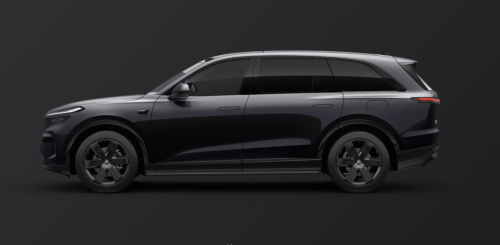
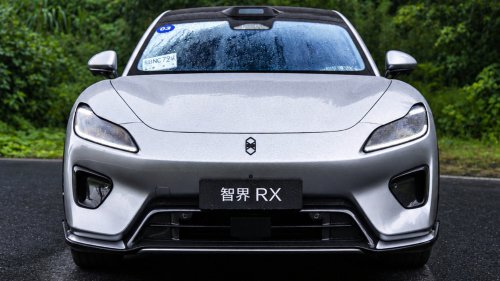
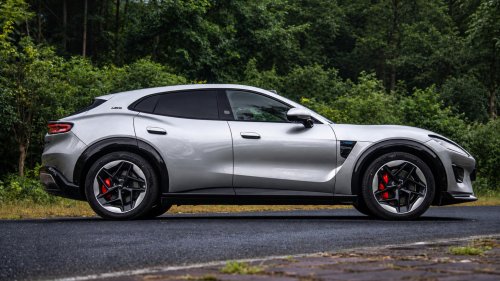
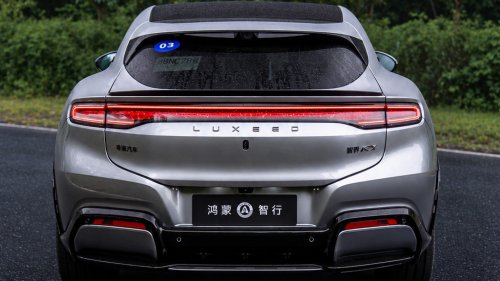
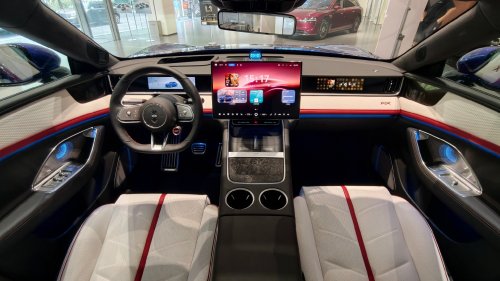
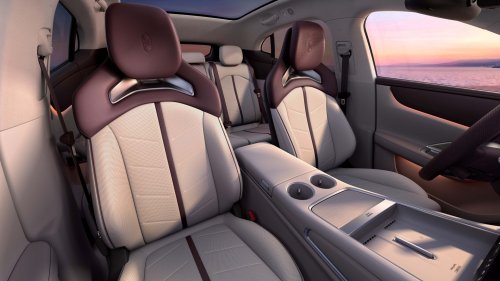
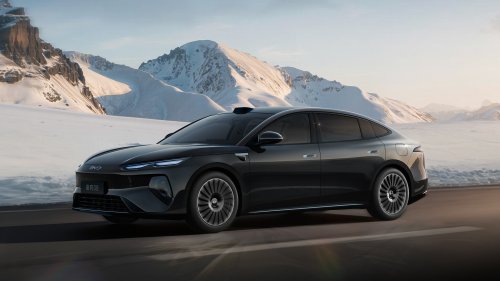
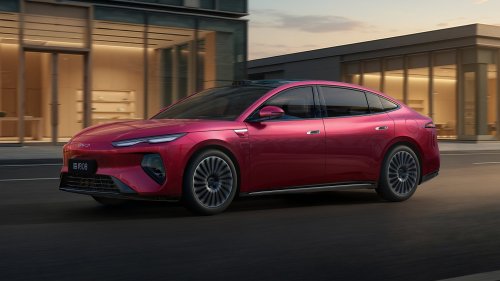
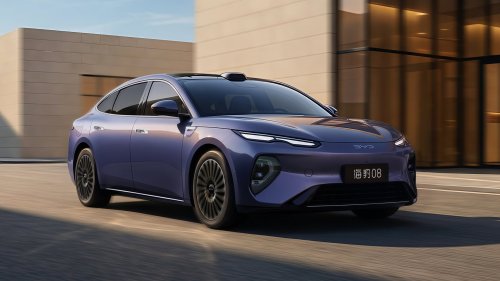
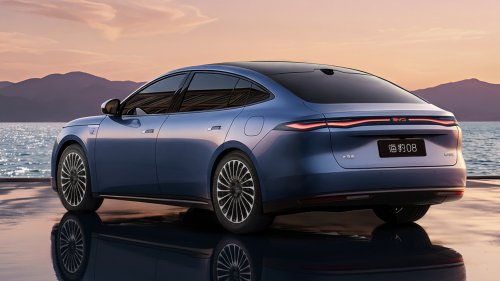
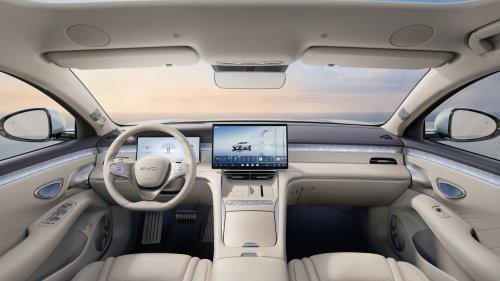
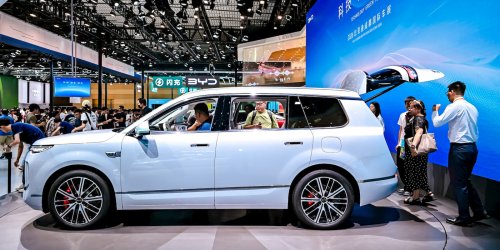
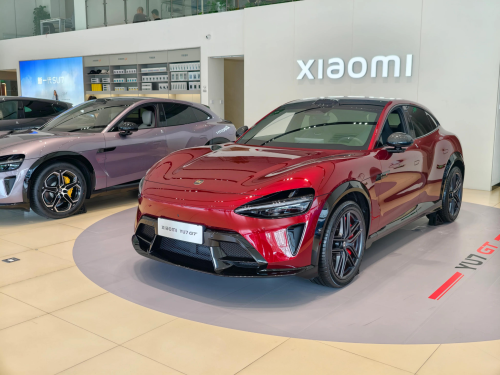
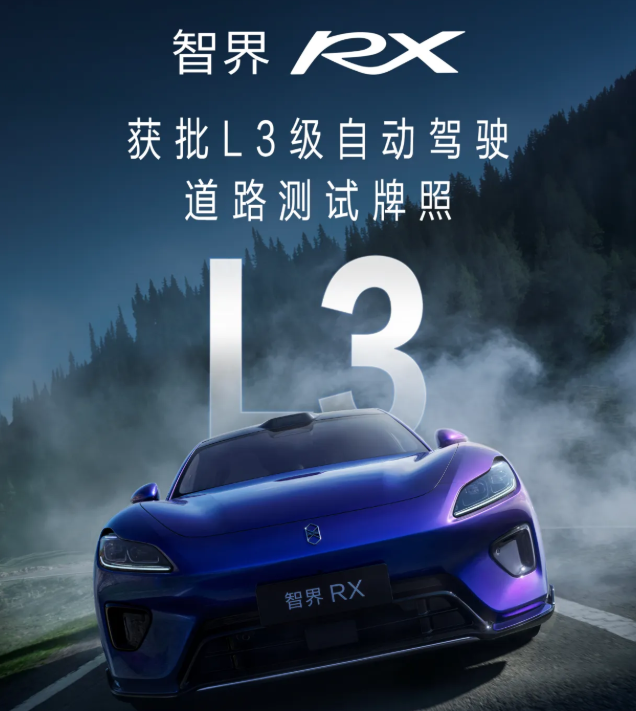
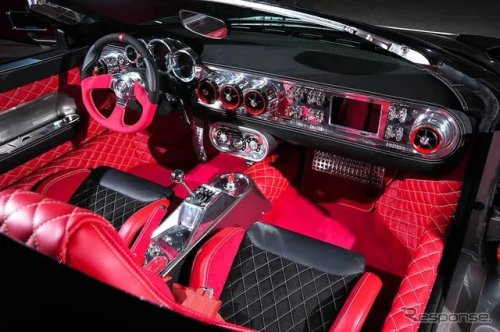
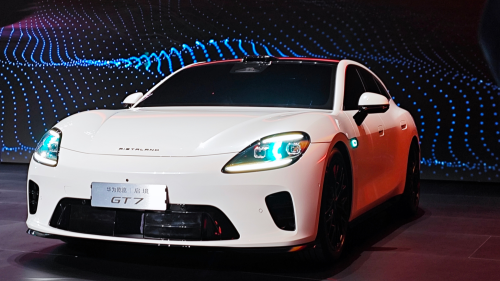
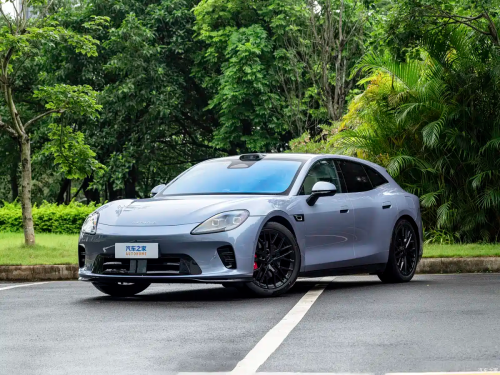
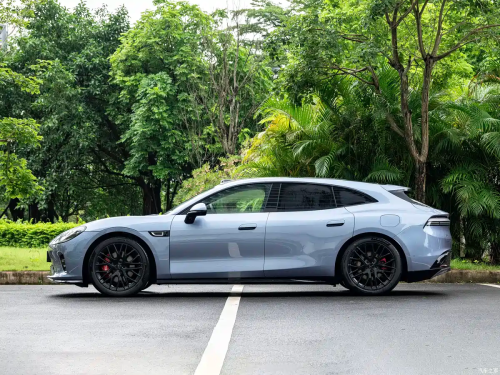
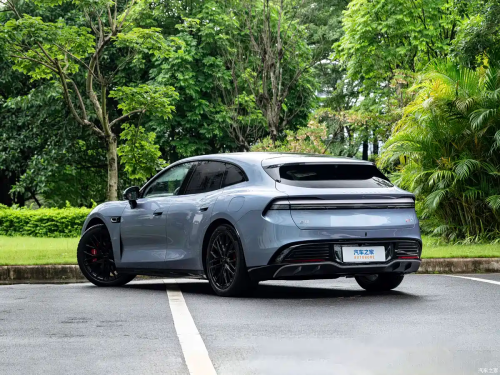
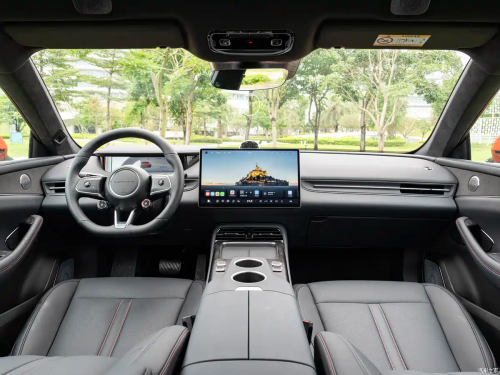
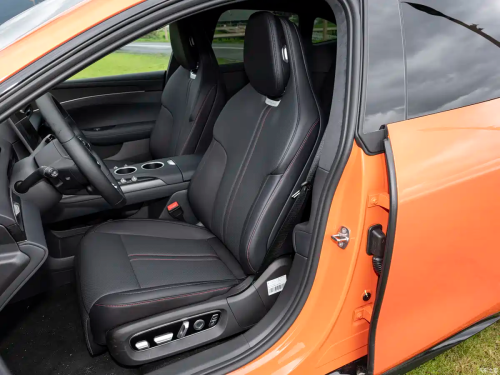
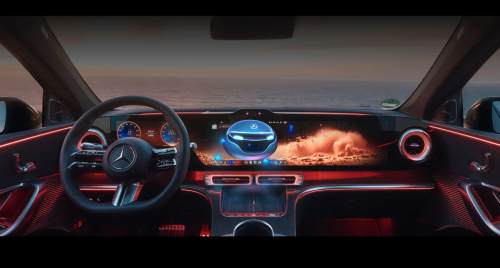
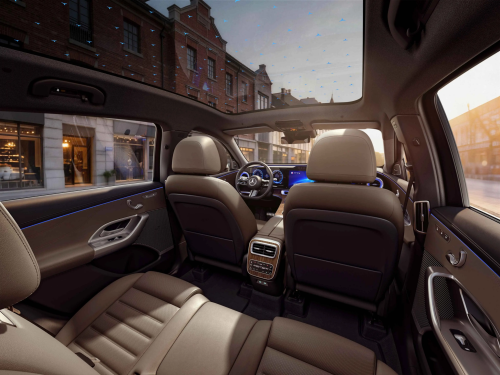
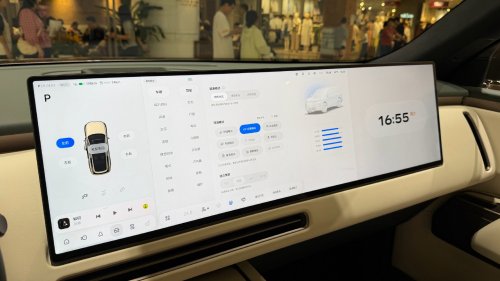
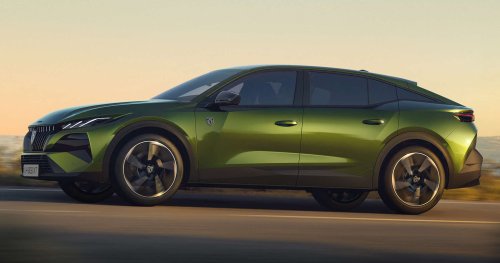
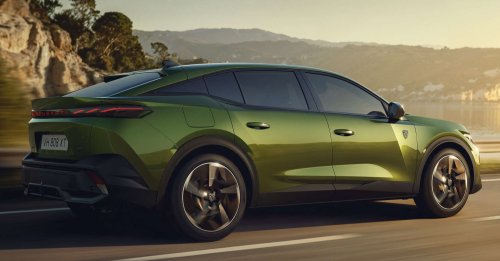
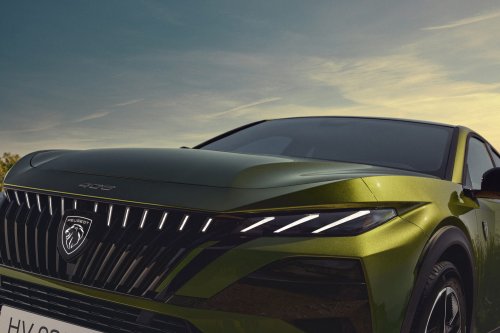
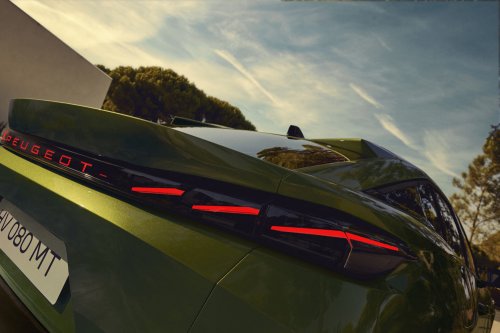
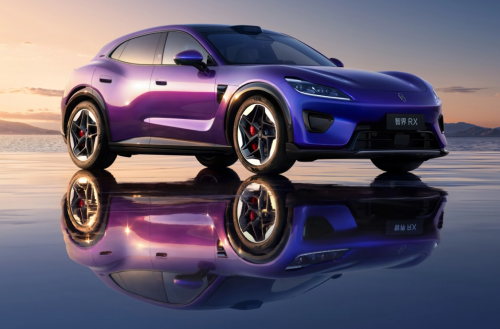
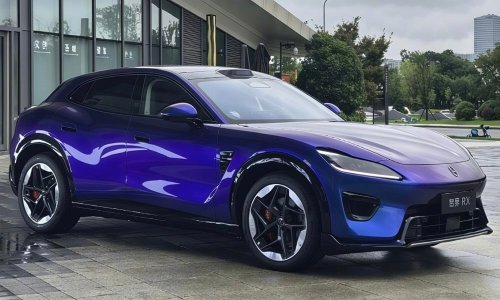
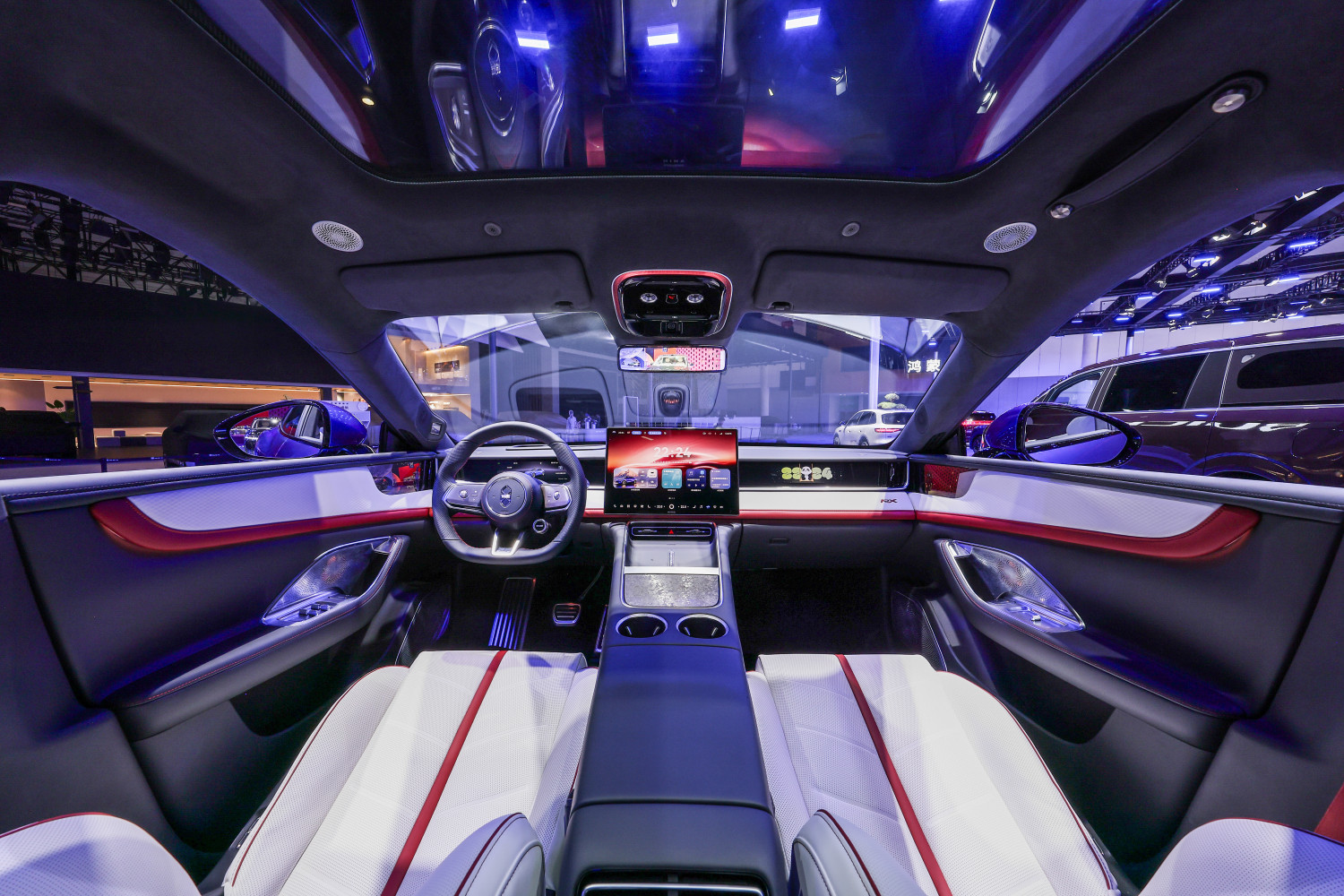
Luxeed, the Huawei-backed automotive brand jointly built with Chery (HKG: 9973), opened pre-orders for its RX coupe SUV on August 20, 2026, and within the first 24 hours more than 90% of orders went to trims built around its L3 autonomous driving architecture. The average transaction price came in at 380,000 CNY (c. $56,538), well above the model's 299,800 CNY (c. $44,608) starting point. Zhao Changjing, Luxeed's executive director and executive vice president, framed the shift as a generational buying decision. He said "not buying L3 now is like not buying a 5G phone back then," arguing the RX is the strongest value-for-money L3 vehicle in its price segment. He described early buyers as former owners of BMW, Audi, and Porsche vehicles, alongside existing Hongmeng Zhixing flagship owners adding a second car built for driving enjoyment. The RX is offered in four trims. The Max Long-Range opens the range at 299,800 CNY (c. $44,608) with a single rear motor and an in-cabin LiDAR sensor. The Ultra Long-Range, at 359,800 CNY (c. $53,530), adds the full L3 autonomous driving architecture. The Ultra Four-Wheel Drive, at 379,800 CNY (c. $56,509), pairs L3 hardware with dual-motor all-wheel drive and 21-inch wheels. The range-topping Ultra+, at 399,800 CNY (c. $59,485), adds 22-inch wheels and an industry-first "Giant Whale battery black box," a safety data-recording feature built into the pack itself. The 90% skew toward L3 trims lands months after China formalized its national framework for the technology. A unified L3/L4 standard took effect January 1, 2026, followed by full enforcement of data-recorder rules (GB 44497-2024) on July 1, 2026, requiring vehicles to store 30 days of system data to support accident investigations. Under the framework, liability for failures during active L3 operation shifts from the driver to the manufacturer, which helps explain why a dedicated battery-level data recorder has become a marketable feature rather than a background compliance item. Approved L3 use is currently restricted to designated highways during daytime hours, excluding severe weather, school zones, and low-speed roads. Built on Huawei's Turing platform, the RX measures 5,020 mm long, 2,007 mm wide, and 1,585 mm tall on a 3,000 mm wheelbase, placing it as a mid-to-large coupe SUV. Exterior design comes from Werner Gruber, a former Ferrari senior exterior designer whose portfolio included the LaFerrari, FXX-K, and Portofino before he moved through Pininfarina and Saleen. Power comes from Huawei's DriveOne electric drive system. The single-motor rear-wheel-drive version produces 277 kW (371 hp), while the dual-motor all-wheel-drive layout combines for 437 kW (586 hp) with a claimed 1-millisecond torque response. A physical boost button on the dash temporarily raises torque output by 10%. Battery options span 81.1 kWh up to roughly 100 kWh packs built on Huawei's Giant Whale battery platform, with the largest configuration rated for up to 852 km (529 miles) of range on China's CLTC cycle. Chassis tuning was handled by Tobias Moers, the former Aston Martin CEO and ex-Mercedes-AMG engineering chief. The RX rides on an all-aluminum double-wishbone front suspension with a four-ball-joint arrangement and a five-link independent rear, paired with dual-chamber air springs and continuously variable damping. Front brakes use six-piston fixed calipers. Luxeed RX cabin shown at its Chengdu Auto Show debut, with illuminated red interior trim and a dual-display center console (Luxeed) On the sensing side, the L3-equipped trims carry four LiDAR units, including an 896-channel dual-optical imaging LiDAR and three solid-state units, as part of a 38-sensor fusion suite. Luxeed says the architecture includes redundant systems for power, communications, perception, steering, and braking, positioning the RX as the only L3-capable vehicle at the 350,000 CNY price point within the Hongmeng Zhixing ecosystem. The RX lands squarely against the Xiaomi (HKG: 1810) YU7, another low-slung electric coupe SUV with overlapping dimensions and pricing that starts at 233,500 CNY for its Standard trim and reaches 389,900 CNY for the range-topping GT. The RX's Ultra+ trim undercuts the YU7 GT slightly while offering L3-grade hardware the YU7 does not. Luxeed is one of four brands under Huawei's Hongmeng Zhixing smart-mobility ecosystem, alongside AITO, Stelato, and Maextro. The ecosystem delivered roughly 240,000 vehicles in the first half of 2026, up 18.6% year over year, but that pace covers only about a quarter of its stated 1-million-unit annual target, in a broader China passenger vehicle market that saw production and sales each decline about 4% over the same period. Luxeed's existing R7 model has seen its own monthly volumes fluctuate sharply this year, making the RX an important test of whether L3-first positioning can reignite demand. The strategy contrasts with a different approach elsewhere in the same ecosystem. Shangjie, another Hongmeng Zhixing-affiliated brand, has drawn strong volume from its lower-priced Z7 by making smart-driving hardware standard across the lineup starting at 219,800 CNY (c. $32,700), reporting roughly 6,296 units sold in June 2026 alone. Luxeed is betting on the opposite pitch for the RX: charge a premium for the most advanced hardware available and let buyers self-select into it, a wager the 90% early L3 uptake appears, for now, to be paying off. The RX made its public debut at the Chengdu Auto Show on August 21, 2026, with an official launch and finalized pricing expected this fall. Whether the 90% skew toward L3 trims holds once broader deliveries begin, or reflects an early wave of committed high-spending buyers, will become clearer once Luxeed reports firmer order and delivery numbers beyond the first 24 hours. Conversion rate: 1 USD = 6.7210 CNY as of August 21, 2026.



















 +22 others