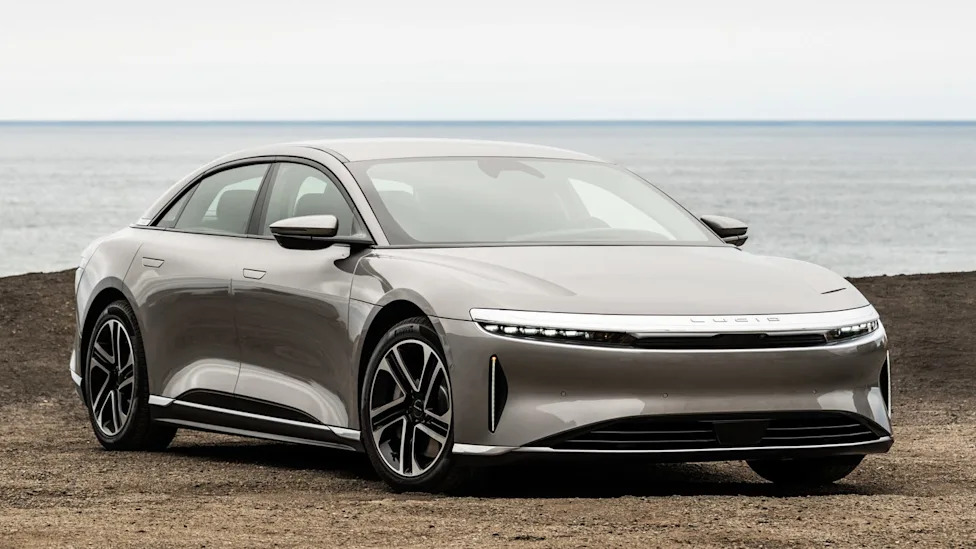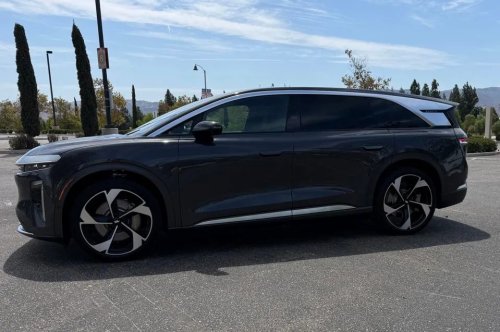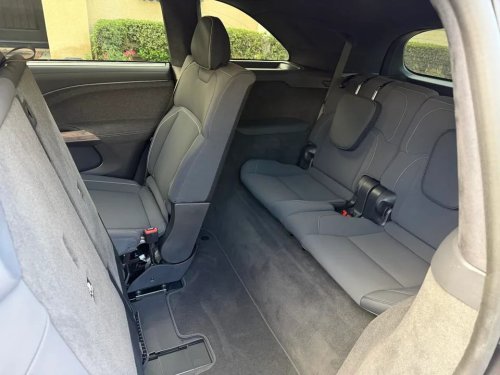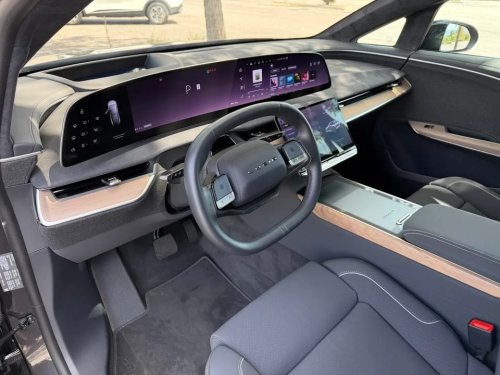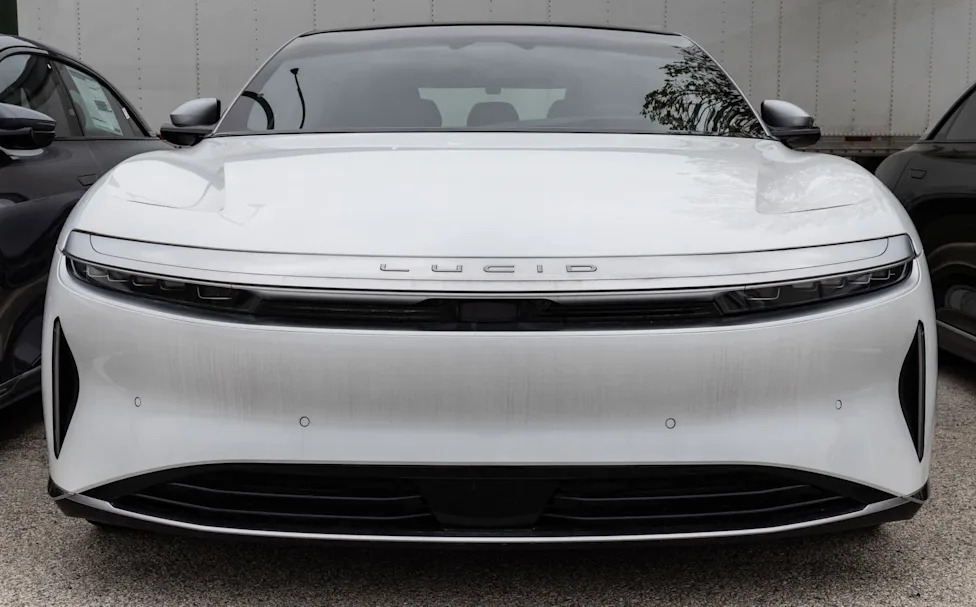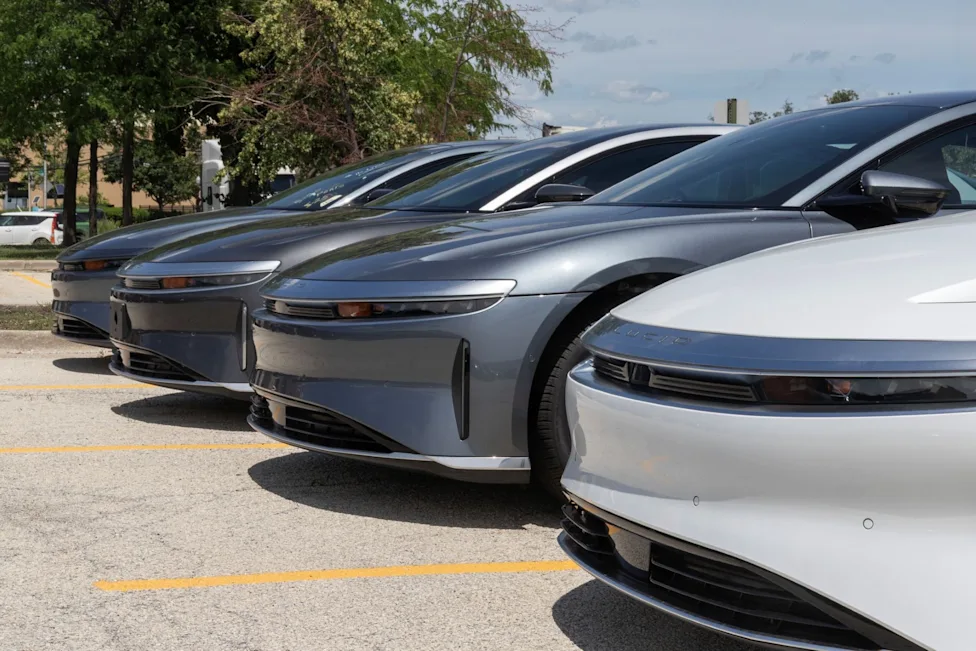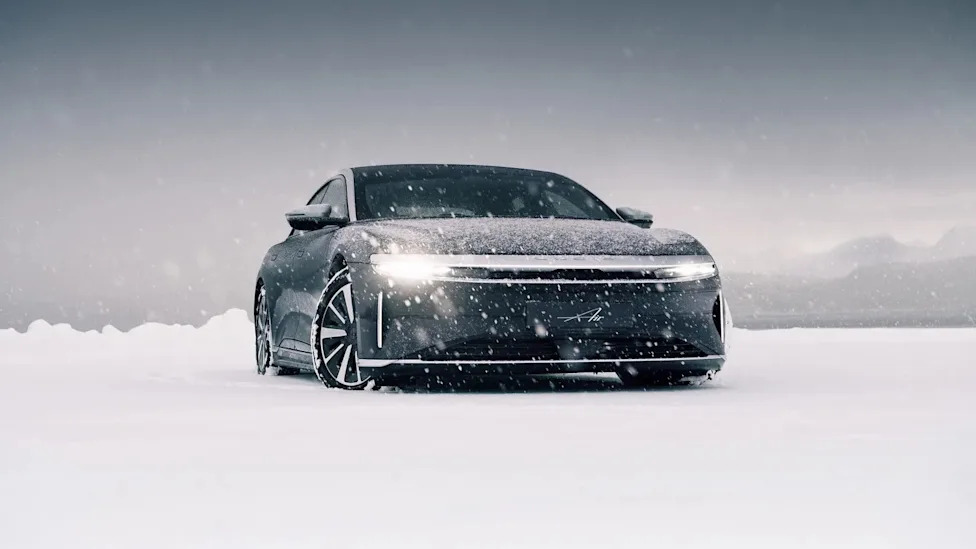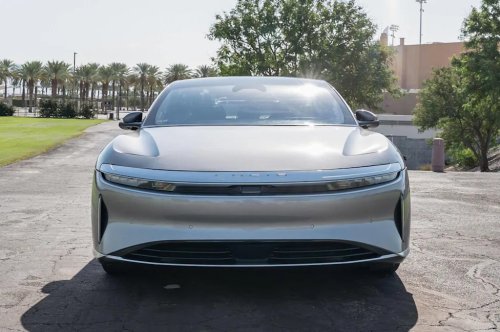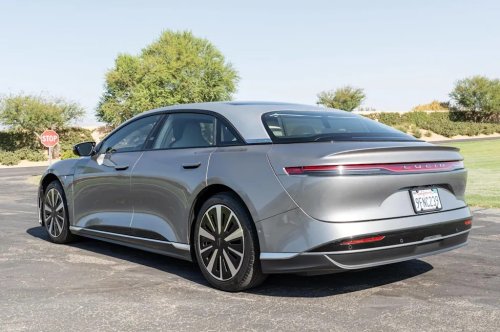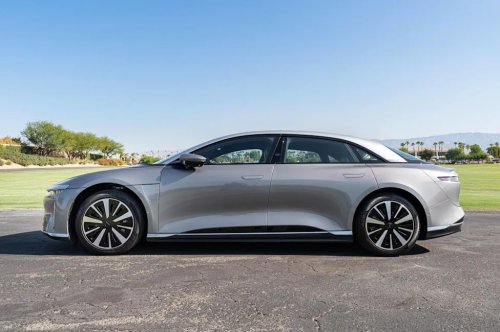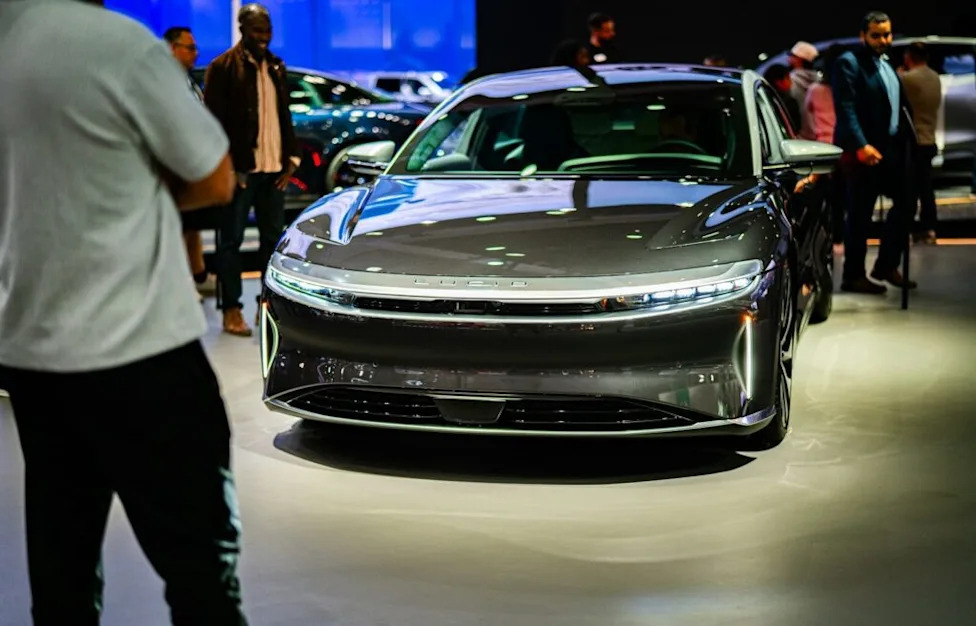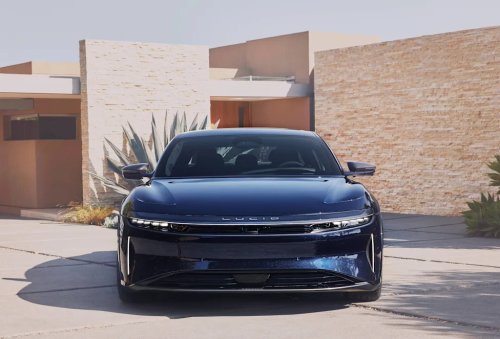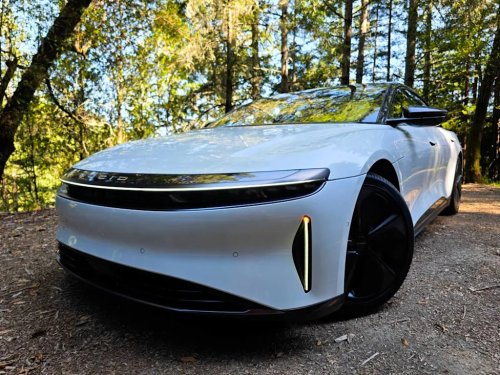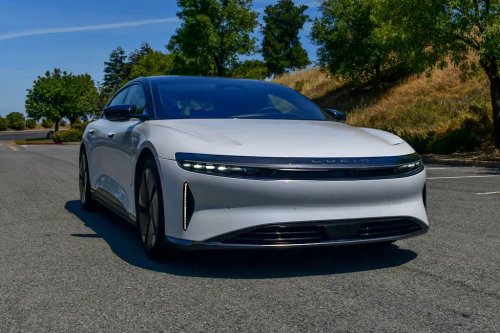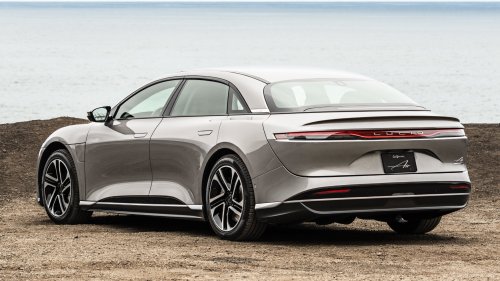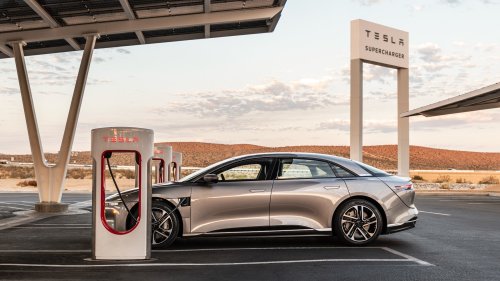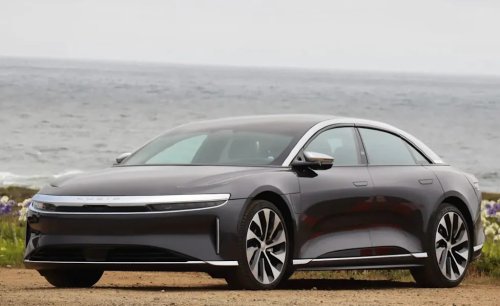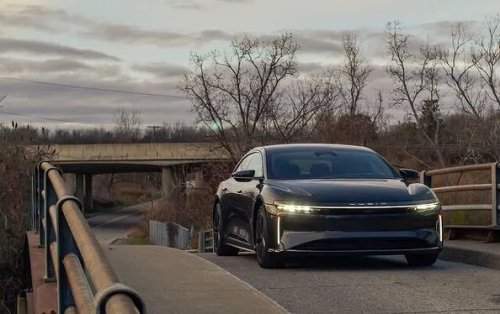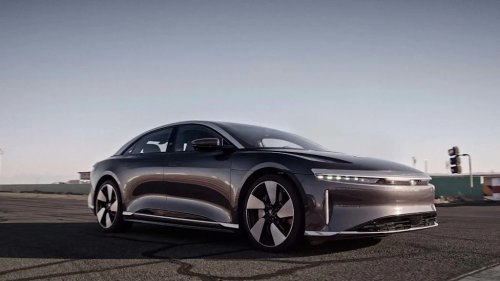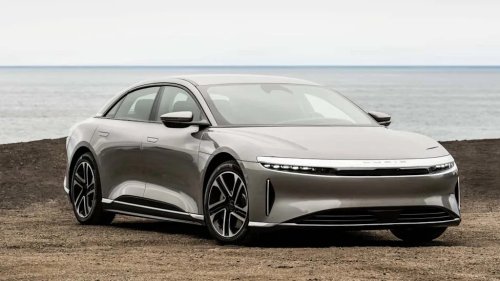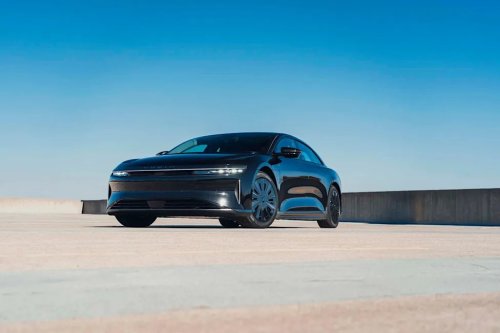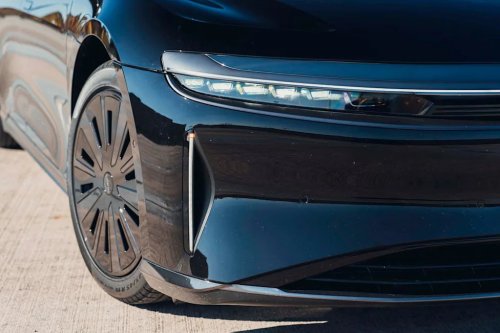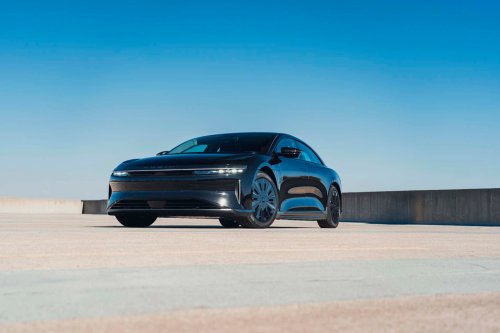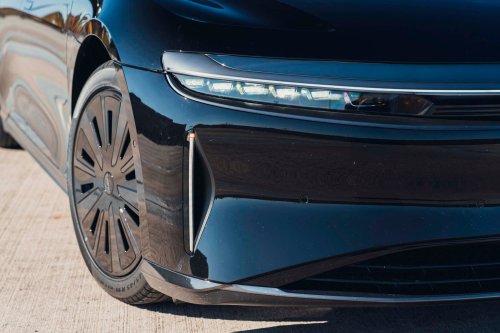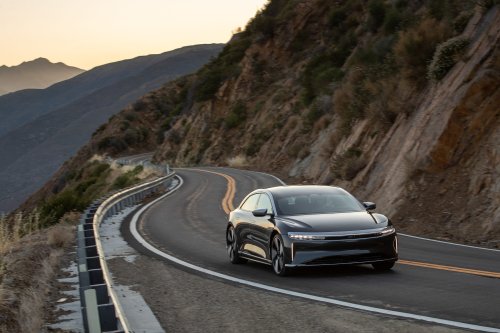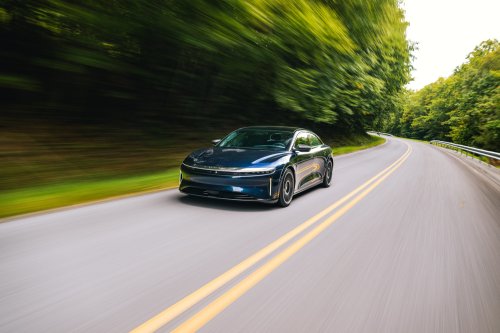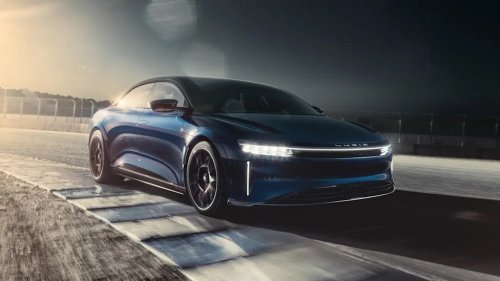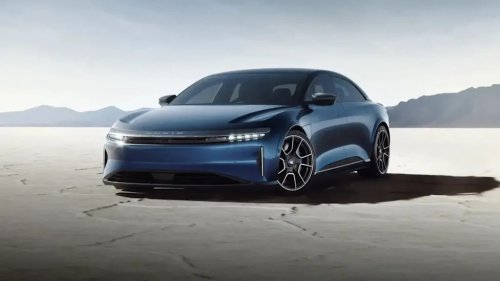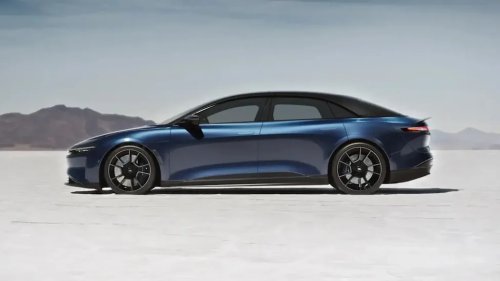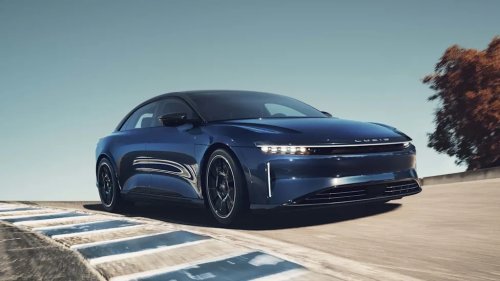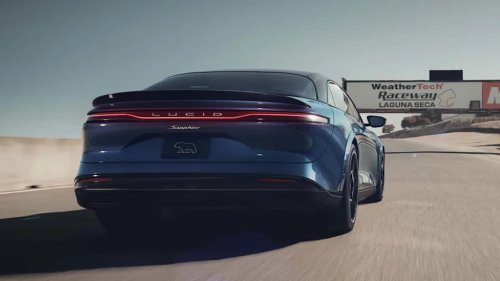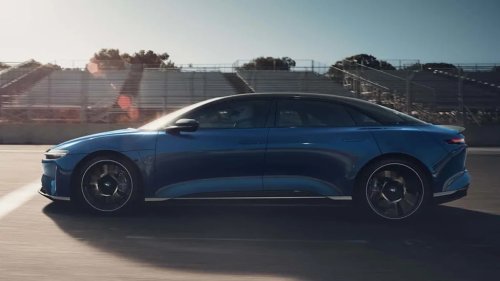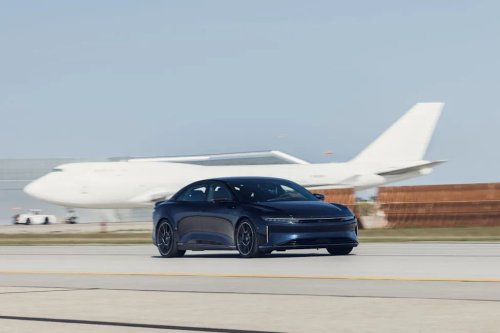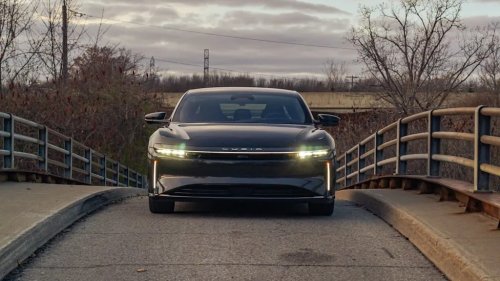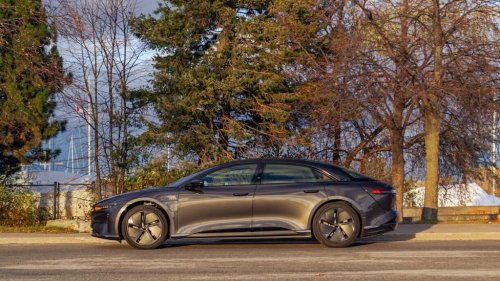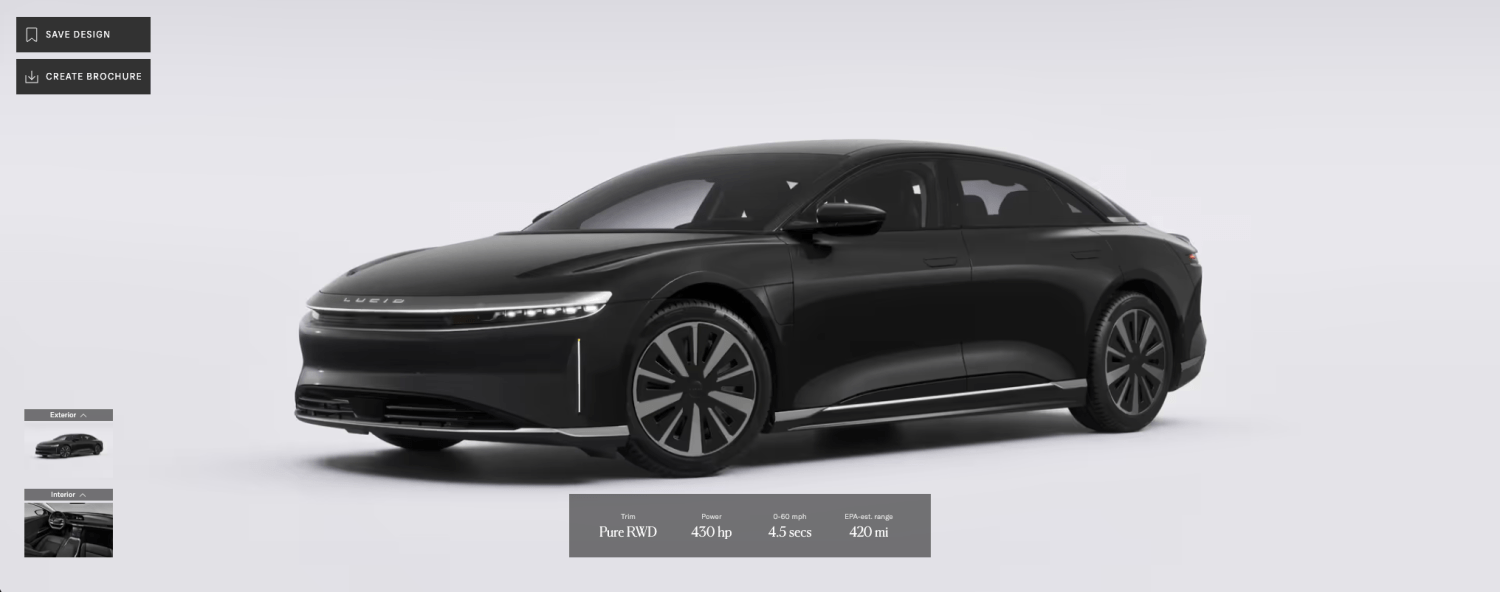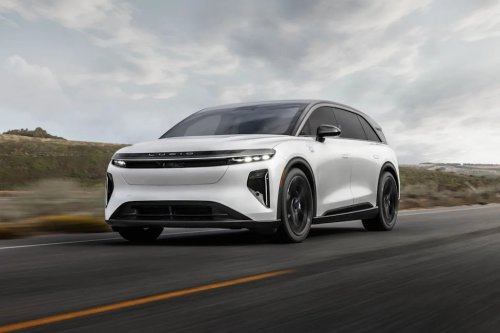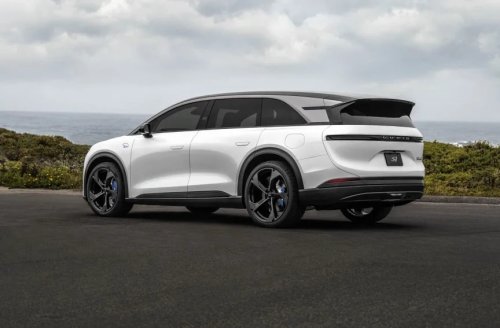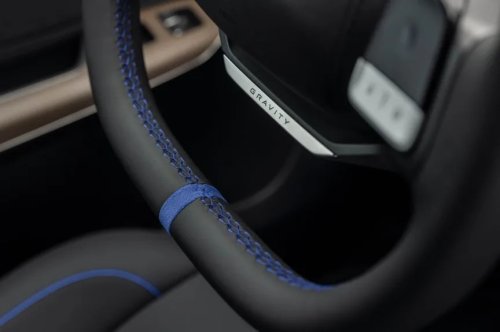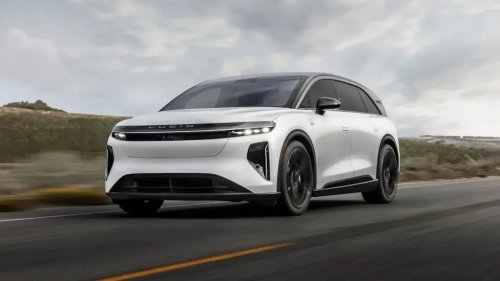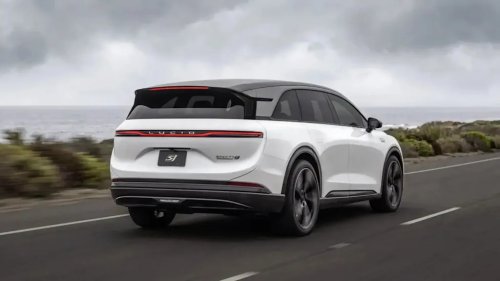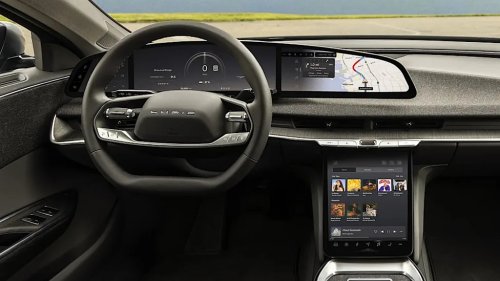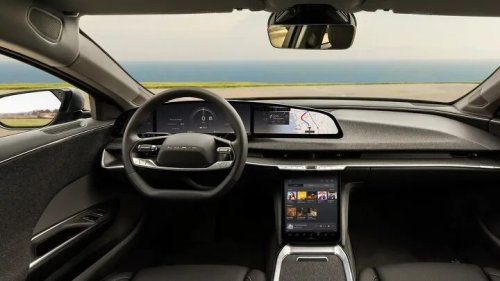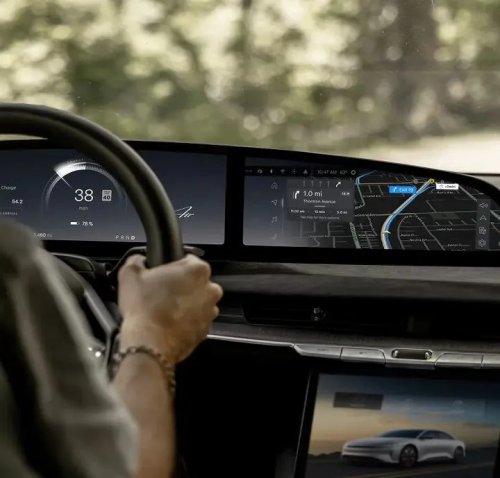















Lucid Just Recalled More Cars Than It Sold All Last Year — Because the Tail Lights Might Start a FireLucid Motors has now recalled more cars over a fire risk than it delivered in all of 2025.Read that math again. The company delivered 15,841 vehicles last year, its best year yet. The recall it just filed with the National Highway Traffic Safety Administration covers 27,185 of them. That's not a rounding error. That's an entire record sales year, plus more, wrapped into one defect report.The easy headline here is another EV catches fire. That's not the real story. The real story is what this defect says about how a small, ambitious automaker manages risk while racing to prove a luxury EV brand can survive on its own, even with a sovereign wealth fund covering the bills.What Actually HappenedAccording to NHTSA campaign 26V540000, filed August 20, Lucid is recalling 2022 through 2026 Air sedans, essentially every Air built since the car launched, because the exterior lighting circuit lacks sufficient overcurrent protection. Translated out of regulatory language: the fuse and wiring protecting that circuit weren't sized with enough margin, so the circuit can overheat. Worst case, that's a fire. More likely, owners lose a brake light or headlight and get hit by someone who never saw them.AdvertisementAdvertisementNHTSA's interim advice is about as blunt as recall language gets: park outside, away from anything that burns, until the fix lands.Here's the detail that got buried under the fire-risk headline. Most of the fleet was already fixed before the recall notice became public. Lucid rolled out an over-the-air software update, and by the time NHTSA's paperwork surfaced, 20,719 of the 27,185 affected cars, about 76%, had already received it. Owners won't get a physical notification letter until October 16. For three out of every four cars in this recall, the defect was already resolved before most people even knew it existed.Why Software Fixed a Hardware ProblemInsufficient overcurrent protection is a hardware description. It usually means a fuse, breaker, or wire gauge chosen without enough margin for the current the circuit can actually draw. In a conventional car, that means a service ticket, a new fuse, maybe a harness section replaced by hand.Lucid didn't do that. It addressed a hardware margin problem by having the software watch the circuit more conservatively and cut it off before things get hot enough to matter. That's not a repair in the traditional sense. It's a permanent derating, written into firmware, that keeps the wiring from ever being asked to do what it apparently couldn't handle safely to begin with.AdvertisementAdvertisementFor owners, that's a genuine win: no shop visit, no waiting on parts, a fix that lands while the car sits in the driveway overnight. It's also a preview of where the rest of the industry is headed. Ford discovered the limits of the opposite approach this summer, when it decided the only way to be sure about a Bronco wiring defect was to recall every truck built since 2021, even while suspecting only a small fraction were actually affected. But a software throttle manages a hardware limitation. It doesn't erase it. If Lucid ever wants to draw more current through that circuit, the margin problem that caused this recall is still sitting there.The Pattern Nobody's CountingThe fire-risk recall isn't Lucid's only action this year. It's the fourth. January brought a recall of more than 10,000 Airs over a rearview camera that could fail to display, a violation of federal safety standard FMVSS 111. March brought a recall over a half-shaft that could disconnect and cause a loss of drive power. May brought another 2,039 cars recalled over an inverter that could fail and cause that same loss of drive power. Now, August brings the wiring.Four separate safety defects, touching four different systems, inside one calendar year, on one model line. A camera. A drivetrain component. Then another drivetrain component. Then the electrical architecture.One quality escape happens to every automaker eventually. Even Cadillac is currently at the center of an NHTSA brake investigation that has grown to cover 1.16 million vehicles across four nameplates. But a pattern spanning the camera system, two different drivetrain parts, and the electrical harness in a single year, on a car built in comparatively tiny numbers, points to something more specific: an engineering and validation team stretched thin trying to fix an existing product and scale a new one, the Gravity SUV, at a factory still ramping toward volume.Who Can Absorb This, and Who Couldn'tThere's a reason Lucid can treat a 27,185-vehicle fire recall like routine paperwork instead of a crisis. The company is backed by Saudi Arabia's Public Investment Fund, which has poured billions into keeping Lucid running years past the point an unbacked startup would have run out of runway. That capital cushion is doing real work here. It lets Lucid absorb a recall bigger than its best sales year without the stock cratering or suppliers panicking.AdvertisementAdvertisementNot every automaker treats a defect the same way once the lawyers get involved. Volkswagen took the opposite approach this month with a defective Atlas water pump, opting for a claims process instead of an actual recall. Lucid, notably, didn't try that. It filed the recall, took the fire-risk label, and pushed the fix. That's the more expensive path in the short term, and the more honest one.What to RememberNone of this means Lucid builds unsafe cars, and nothing here suggests the fire risk is common. NHTSA's language treats it as a possibility worth guarding against, not an epidemic already underway. Buyers still weighing whether to trust an unproven EV nameplate have plenty to consider before they hand over a deposit. But the story was never really about tail lights.Every automaker eventually finds the wiring margin it didn't budget for. What separates a company that survives a mistake like this from one that doesn't isn't the defect. It's the checkbook standing behind it.Join our Newsletter, follow our Instagram page, and connect with us on Facebook.