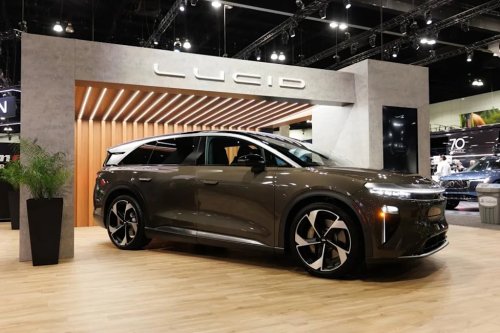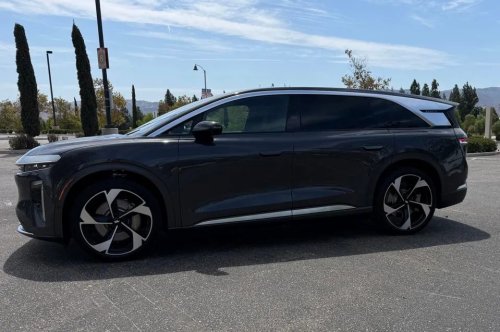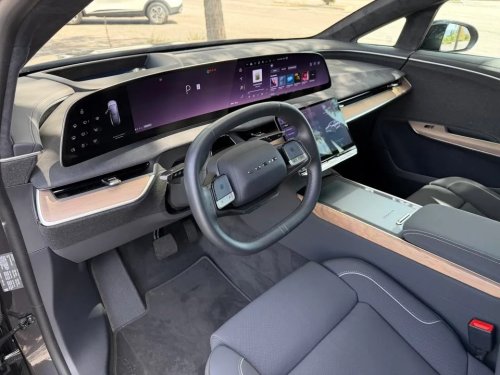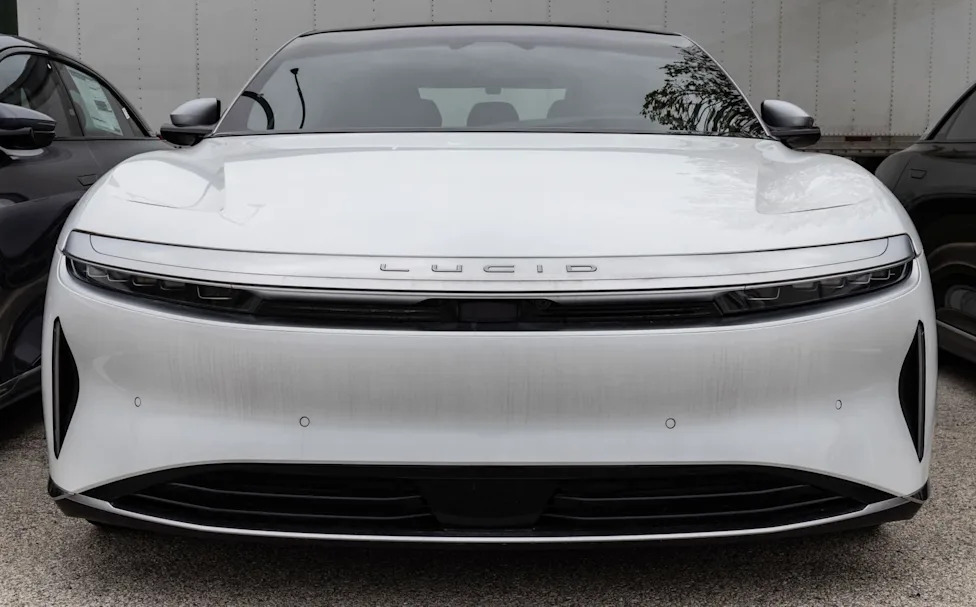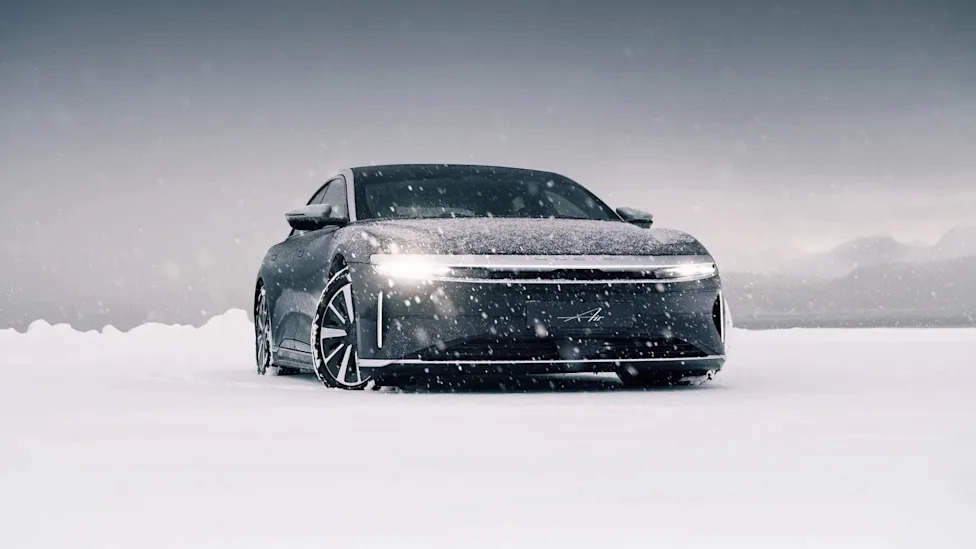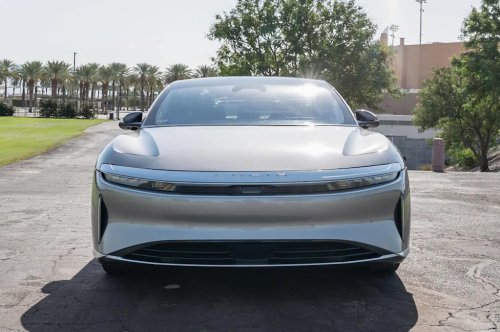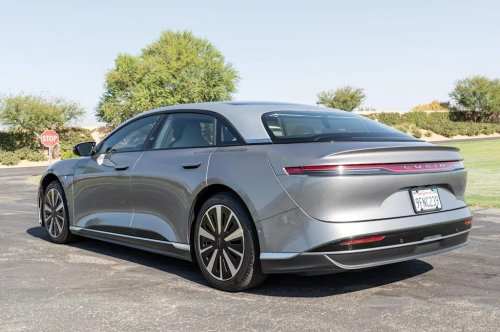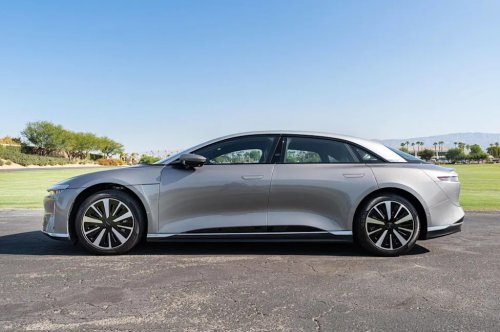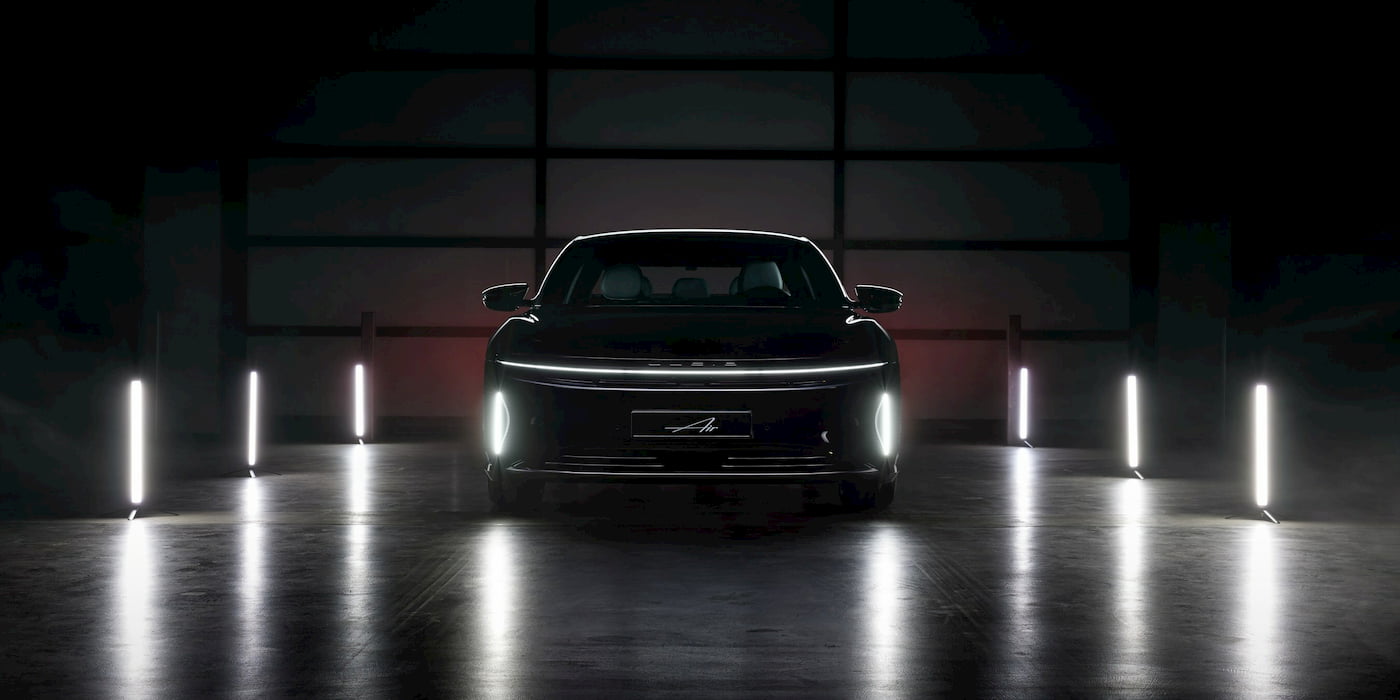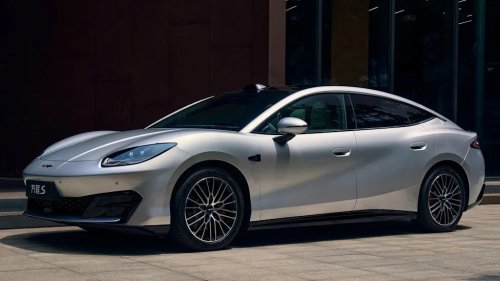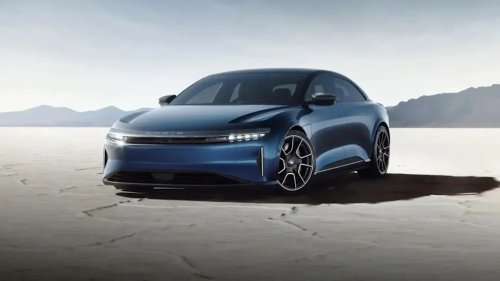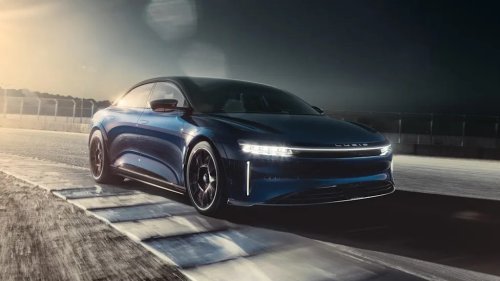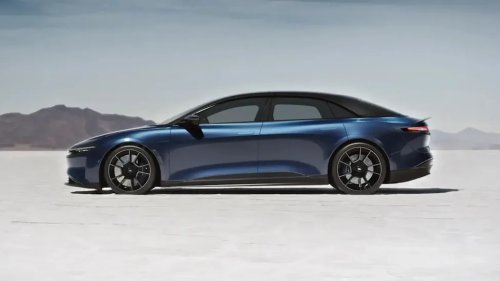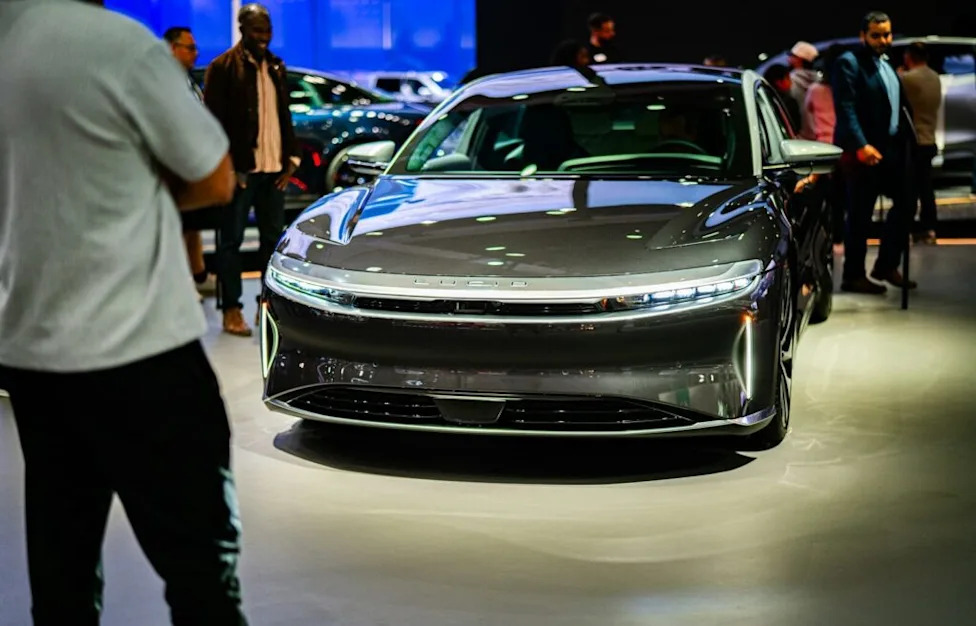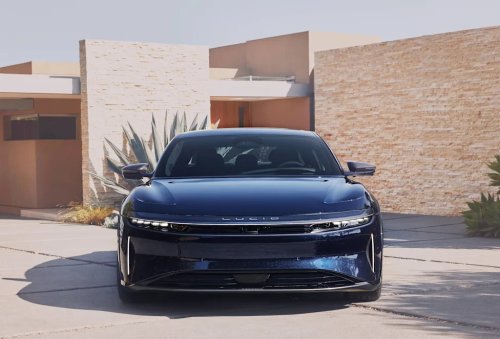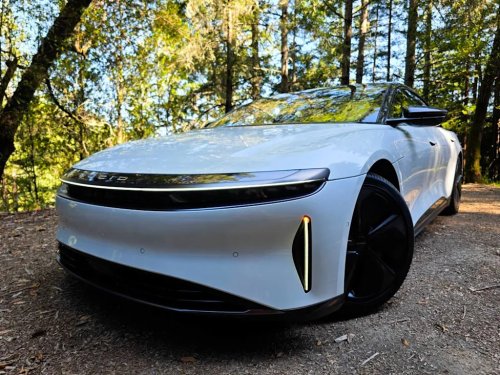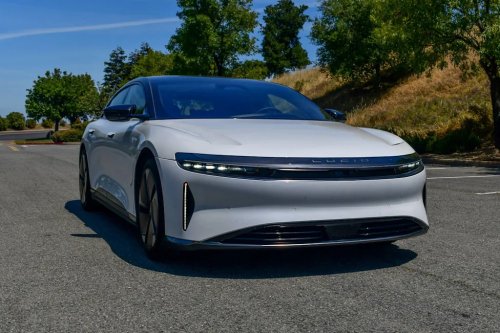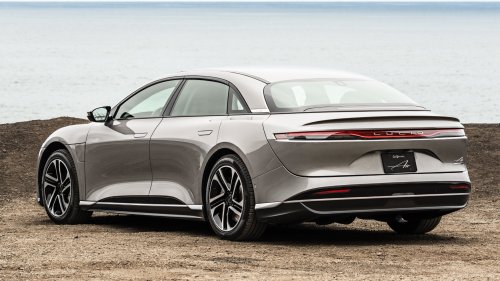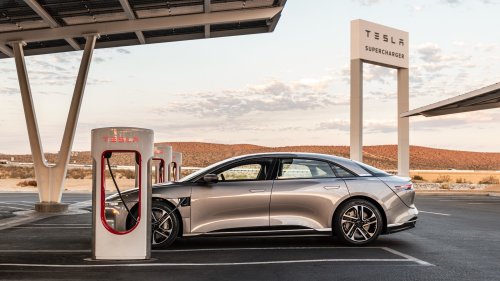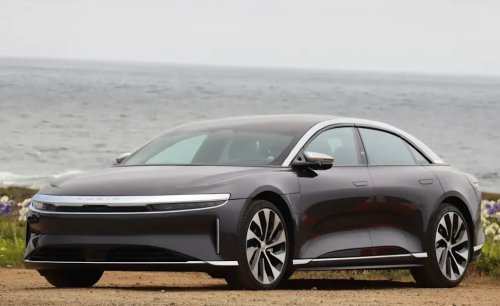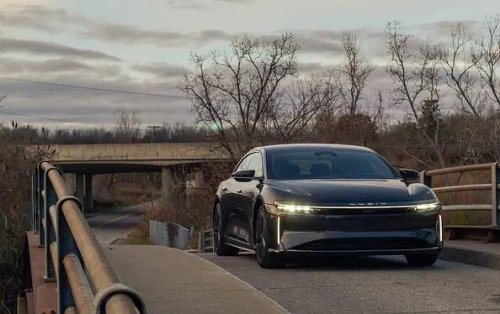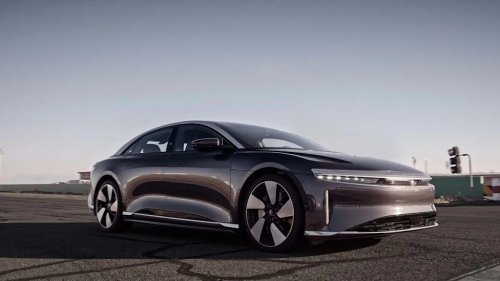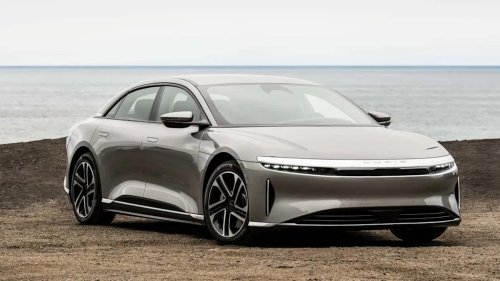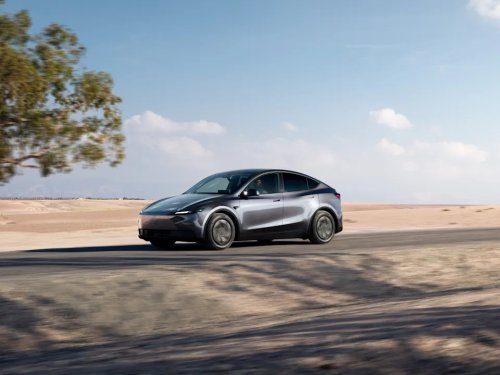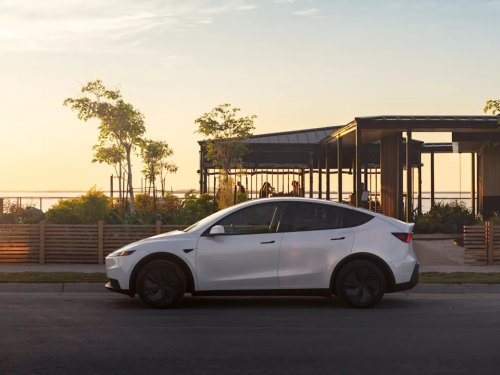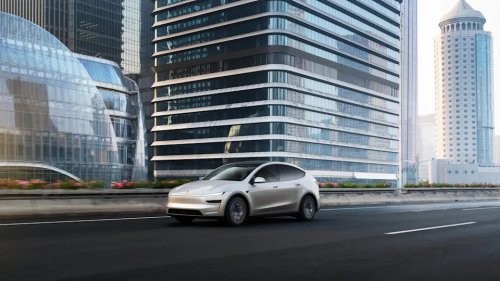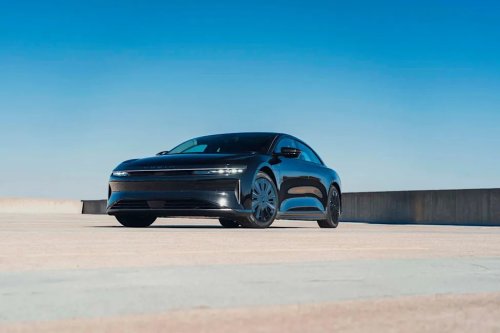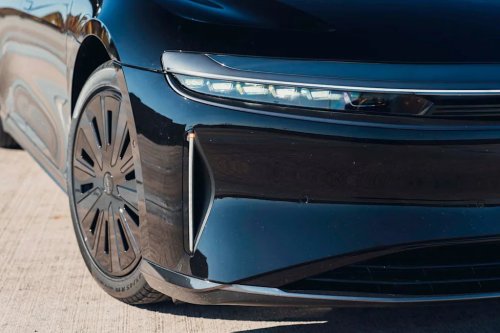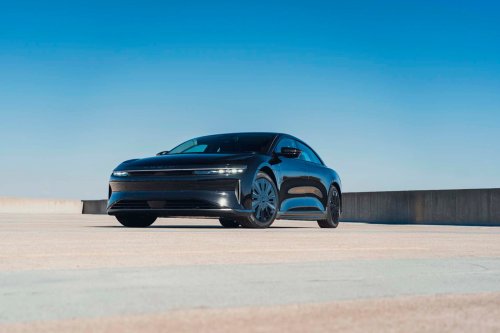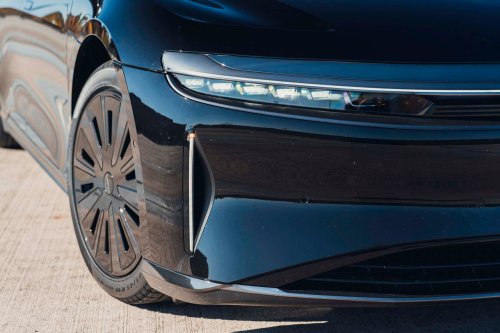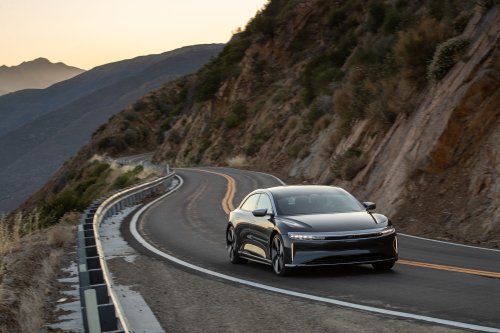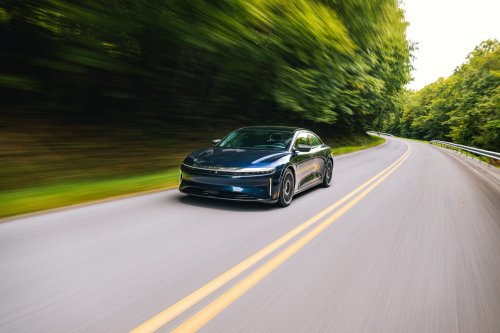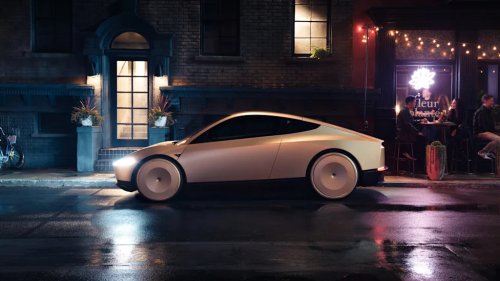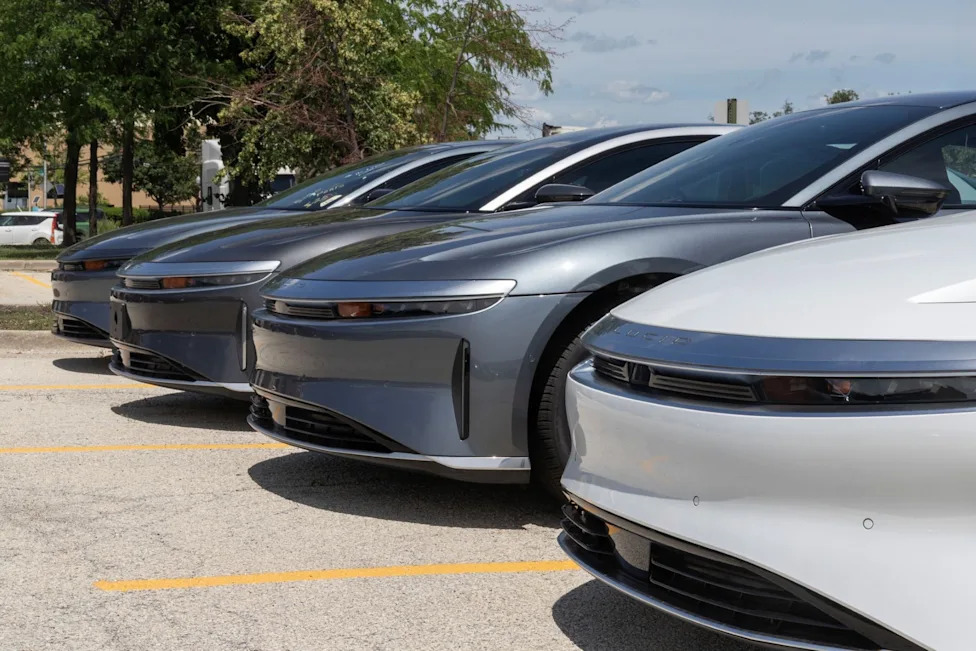



















Photo Credit: iStockFiguring out whether one EV is more efficient than another may sound simple at first, but many drivers acknowledge that it quickly becomes confusing when different metrics come into play.In one discussion on Reddit's r/electricvehicles, EV owners compared the labels used to measure efficiency and argued that one of the most familiar-looking figures, MPGe — miles per gallon of gasoline equivalent — is also one of the least useful.Here's what to knowThe conversation began when the original poster posed a question: "I'm wondering if EV efficiency like MPG is something universally comparable between different EV cars?" AdvertisementAdvertisementThey added that their Optiq averages 2.4 miles per kilowatt-hour and asked how that compares.Users in the thread maintained that comparing the performance of EVs was possible, but only if everyone was looking at the right kind of number. The metrics that received the most support were miles per kilowatt-hour, where a higher figure indicates better efficiency, and energy-use formats such as kilowatt-hours per 100 miles or kilowatt-hours per 62 miles (100 kilometers), where lower numbers are better.Benchmarks also came up. "Miles per kWh. 3 is a good number, 4 and higher is really really good," a user replied. AdvertisementAdvertisementThat same commenter was blunt about MPGe, calling it an "absolutely stupid one that the EPA published early on."When the discussion turned to standout models in the U.S. market, Lucid and Tesla were named repeatedly. A Lucid owner asserted that the Air Pure was "the most efficient car you can get in America" and added, "I typically average 4-5 on my commutes."More backgroundEfficiency affects both driving costs and day-to-day convenience. A more efficient EV can travel more miles on the same battery pack, which can mean lower charging costs and fewer charging stops on longer trips.Real-world efficiency can vary widely, which is one reason owners said comparisons can get tricky. AdvertisementAdvertisementOne commenter said their EV6 gets around 3.7 miles per kilowatt-hour during a daily commute, about 2.8 on the highway, and 2.4 in winter, while factors such as speed, temperature, terrain, wind, rain, and cabin heating or air conditioning can all change the result.Another point raised in the thread was battery capacity. A less efficient vehicle can still deliver more overall range if it has a much larger battery, so efficiency and range are related without being the same thing.Among the models mentioned as especially efficient were the Lucid Air, Tesla models, and the Hyundai Ioniq 6, while larger vehicles and trucks generally were described as averaging lower numbers.What can be done?For clearer side-by-side comparisons, commenters recommended sticking with miles per kilowatt-hour in the U.S. or kilowatt-hours per 62 miles (100 kilometers) in places that use that standard.AdvertisementAdvertisementThat kind of comparison still has limits because city driving, highway speeds, cold temperatures, and even how aggressively a driver accelerates can all affect efficiency enough to make one owner's results hard to compare with another's.Commenters said slowing down a bit on the freeway, keeping tires properly inflated, reducing extra cargo, and using heating and air conditioning carefully can improve efficiency. They also suggested taking a closer look at lighter, more aerodynamic models rather than judging based on range alone.The original poster was satisfied with the crowd-sourced explanation and thanked other users. AdvertisementAdvertisement"Learned much from your reply, thanks! Wish I could pin it for others to benefit and learn, too," they wrote in a comment.Where can I learn more?Commenters kept circling back to Tesla and Lucid, but efficiency does not exist in a vacuum. The broader EV market — from pricing pressure to brand loyalty to tech features — also helps explain which models people compare most often.• In the United States, Tesla remains the best-selling EV brand even as competition tightens.• Across the U.S., Tesla outsold all its rivals as legacy automakers chased EV buyers.• In the U.K., BYD's budget-friendly Seagull EV showed how efficiency and price can travel together.AdvertisementAdvertisement• In China, Zeekr's driver-assistance push against Tesla highlighted how tech features shape EV comparisons.Those stories add some useful context to the efficiency debate. Brand strength, affordability, and in-car technology all play a role in which EVs shoppers cross-shop and which ones keep coming up in conversations like this.Get TCD's free newsletters for easy tips, smart advice, and a chance to earn $5,000 toward home upgrades. To see more stories like this one, change your Google preferences here.