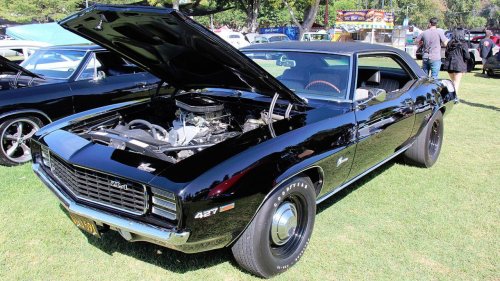
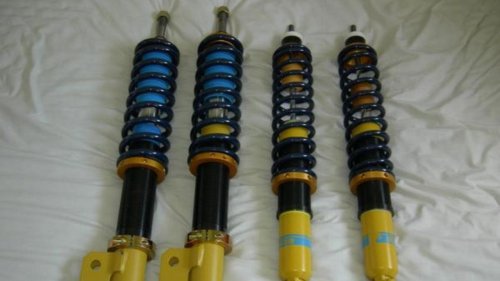
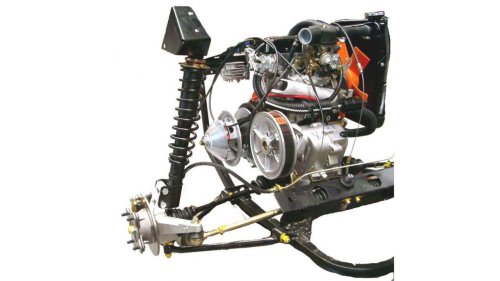
Lowering springs and full coilover setups are popular suspension modifications for car enthusiasts looking to enhance the performance and aesthetic appeal of their vehicles. While both options aim to improve handling and ride quality, they differ significantly in terms of functionality, adjustability, and cost. Understanding these differences can help you determine which option best suits your needs and driving style. Understanding Lowering Springs Image Credit: Cameron Chapman, via Wikimedia Commons, CC-BY-2.0 Functionality and Design Lowering springs are designed to reduce a vehicle’s ride height by replacing the factory springs with shorter, stiffer ones. This modification lowers the car’s center of gravity, which can enhance cornering performance and reduce body roll. For instance, a 2005 Ford Mustang can achieve a sportier look and improved handling with the right set of lowering springs. The spring rate, which refers to the stiffness of the spring, plays a critical role in ride quality and handling. A higher spring rate can improve handling but may result in a firmer ride. Conversely, a lower spring rate might offer a more comfortable ride but could compromise performance. It’s essential to find the right balance based on your specific needs and vehicle type. Advantages and Limitations One of the most significant advantages of lowering springs is their affordability. They are generally less expensive than full coilover setups, making them an attractive option for those on a budget. Additionally, lowering springs are relatively easy to install, often requiring minimal modifications to the vehicle. However, lowering springs come with limitations. Since they offer a fixed ride height, they lack the adjustability that some driving enthusiasts desire. This can lead to uneven tire wear if not properly aligned. Furthermore, the reduced suspension travel may result in a harsher ride on uneven surfaces, particularly in vehicles like the 2010 Honda Civic. Exploring Full Coilover Setups Image Credit: Public Domain / Wikimedia Commons Features and Components Full coilover setups offer a comprehensive suspension solution, consisting of struts, springs, and shock absorbers combined into a single unit. This integration allows for greater control over the vehicle’s suspension dynamics. In a 2018 Subaru WRX, for instance, coilovers can drastically enhance handling capabilities. One of the standout features of coilovers is their adjustability. Drivers can fine-tune ride height, damping, and even camber settings to suit various driving conditions or personal preferences. This level of customization is particularly beneficial for those who frequently switch between track and street driving or those who want to maintain optimal performance in diverse conditions. Pros and Cons Coilovers offer several advantages, including the ability to customize suspension settings for improved performance. The enhanced adjustability allows drivers to achieve a balance between ride comfort and handling precision, making them ideal for both daily driving and competitive racing scenarios. However, the complexity of coilover systems can be a drawback. Installation requires more technical expertise compared to lowering springs, and the initial cost is typically higher. For example, a complete coilover setup for a 2022 BMW M3 can be a significant investment, but it may be justified by the performance gains. Additionally, maintenance and potential repairs can add to long-term costs. Performance Comparison Image Credit: Toglenn / Wikimedia Commons / CC BY-SA 3.0 Handling and Stability When it comes to handling and stability, coilovers generally offer superior performance compared to lowering springs. The ability to adjust damping and spring rates allows for fine-tuning that can significantly enhance cornering capabilities and vehicle stability. For instance, a 2017 Mazda Miata equipped with coilovers can exhibit remarkable agility and responsiveness on winding roads or racetracks. Lowering springs, while capable of improving handling to some extent, may not match the precision offered by coilovers. The fixed nature of lowering springs means that drivers may experience limitations in achieving the desired balance between comfort and performance, particularly in high-performance scenarios. Ride Comfort Ride comfort is another critical factor to consider when choosing between lowering springs and coilovers. Lowering springs can offer a more comfortable ride than coilovers due to their simpler design and softer spring rates. This makes them suitable for daily driving in vehicles like the 2015 Toyota Camry. Coilovers, with their adjustable damping settings, can be tuned for comfort, but achieving a truly comfortable ride may require careful calibration. The trade-off for enhanced performance and adjustability can sometimes result in a firmer ride, which may not be ideal for everyday use or long-distance travel. Cost Considerations Image Credit: Саша Алалыкин / Pexels Initial Investment The initial cost of lowering springs is typically lower compared to full coilover setups. A set of lowering springs for a 2014 Volkswagen Golf might cost a few hundred dollars, whereas a quality coilover system could be several times more expensive. Factors such as brand reputation, material quality, and additional components like adjustable top mounts can influence pricing. For those looking to enhance their vehicle’s stance and handling on a budget, lowering springs present a cost-effective solution. However, the investment in coilovers might be justified for drivers seeking the ultimate in suspension performance and adjustability. Long-term Expenses Beyond the initial investment, long-term expenses should also be considered. Coilovers may require more frequent maintenance due to their complexity and moving parts. Repairs can be costly, especially if high-performance components are involved. Lowering springs generally have lower maintenance requirements, but improper installation or alignment could lead to issues like premature tire wear. In terms of resale value, vehicles with coilover setups might appeal to a niche market of performance enthusiasts, potentially affecting their overall market value. For example, a 2023 Audi A4 with a well-maintained coilover setup could attract buyers looking for enhanced performance. Making the Right Choice Image by Freepik Assessing Your Needs Choosing between lowering springs and coilovers ultimately depends on your specific needs and driving goals. Consider factors such as the type of vehicle you own, the intended use of the car, and your budget. For a daily driver like the 2021 Hyundai Elantra, lowering springs might suffice for improving aesthetics and handling without breaking the bank. However, if you frequently participate in track days or desire maximum performance customization, coilovers may be the better choice. Evaluating your priorities and understanding the trade-offs involved is crucial in making an informed decision. Expert Recommendations Consulting with automotive professionals can provide valuable insights into the suitability of lowering springs versus coilovers for your vehicle. Experts can offer recommendations based on your driving style and goals, ensuring you achieve the desired performance benefits. Proper installation is essential for maximizing the advantages of either option. Whether you choose lowering springs or coilovers, ensuring that the components are correctly installed and aligned can prevent issues and enhance the overall driving experience. For instance, a 2019 Chevrolet Camaro with expertly installed coilovers can deliver exceptional performance and ride quality. More from Fast Lane Only: Unboxing the WWII Jeep in a Crate The Fastest Farm Truck Ever Built 10 Old Trucks That Were Built Like Tanks 12 Classic muscle cars still within reach for budget buyers *Created with AI assistance and editor review.





















 +13 others