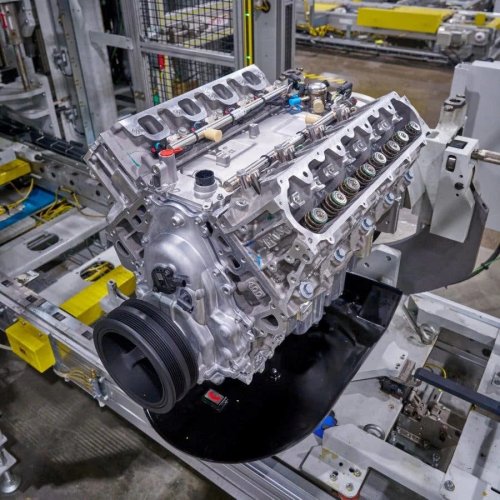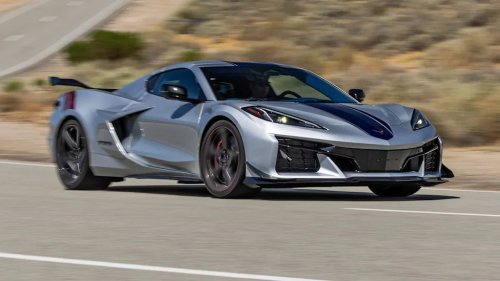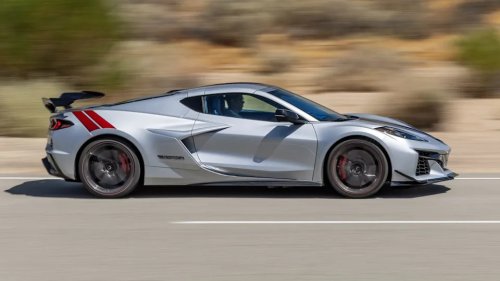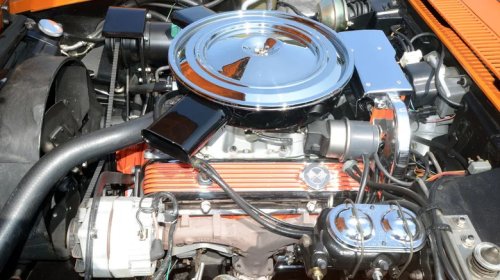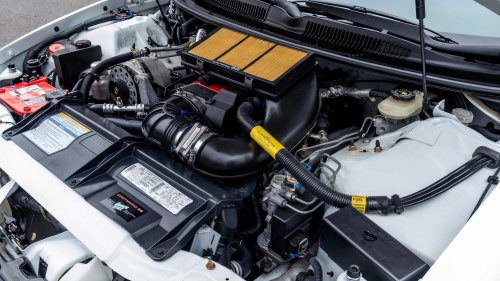
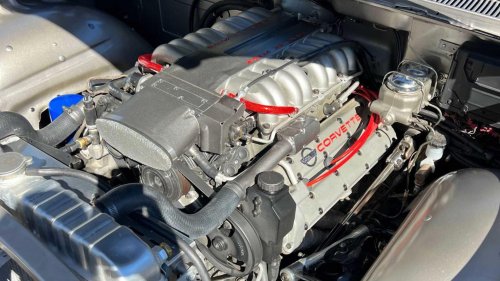
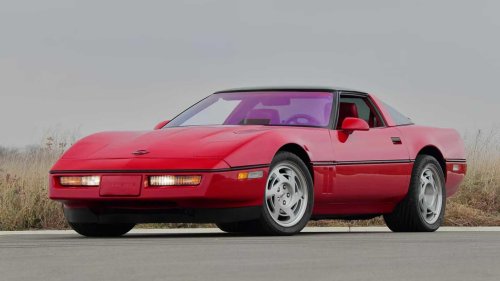
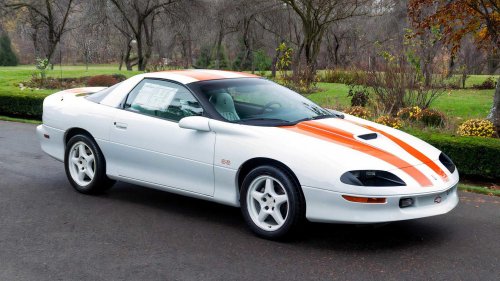
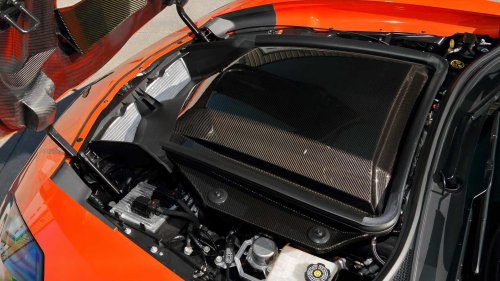
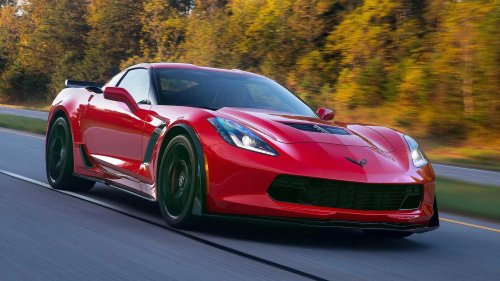

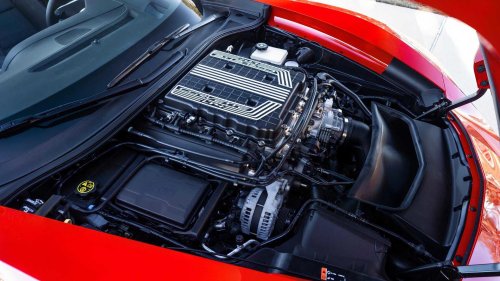
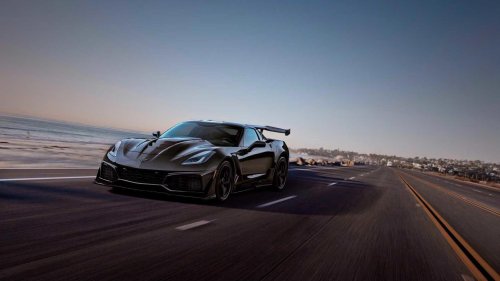



















Looking at a list of Chevrolet engines is kind of like trying to decipher a periodic table with lots of letters and numbers that don't make a lick of sense to the uninitiated. For the C2 second-gen Corvette, there were no fewer than 12 engines from the L75 small-block 327 to the L89 big-block 427. As the years rolled on, Chevy settled on a more manageable number of V8s, especially for their performance rides like the Camaro and Corvette, making things much easier to understand. Ford found a groove with their 302ci V8, which became the iconic 5.0-liter, and Chevy discovered that 350 cubic inches, or approximately 5.7-liters, was the magic number.Starting in the early 1970s, the Chevy 350 was the premier performance engine, and when everything went metric in the 1980s, the 5.7-liter was what powered their baddest rides. In the early '90s, the LT4 and LT5 5.7-liter V8 helped Chevy get back to 13-second cars for the first time since the Golden Age of American Muscle. Much later, in the mid-2010s, the LT4 and LT5 were rebooted as supercharged 6.2-liter V8s that made for some truly insane, street-legal Chevy bruisers. While the LT4 and LT5 are seemingly very similar designs, there are plenty of differences muscle car fans should know about. The LT4 And LT5 Make Horsepower Cool Again Mecum The GM Generation II LT V8 was introduced in 1991 as a replacement for the 350 medium journal engine that had powered Chevy performance cars since the 1970s. The biggest improvement was its reverse cooling system that started at the heads and flowed downward through the block. This kept the heads cooler, allowing for high compression ratios, which is how awesome levels of power are achieved. In another example of Chevy's cryptic engine-naming quirks, the LT5 actually came out before the LT4, which is counterintuitive and somewhat confusing. How The Old LT4 And LT5 Were Different Bring a TrailerThe LT5 came out earlier in 1990 for use in the Corvette ZR1 and was a radical all-aluminum 5.7-liter V8 built by Lotus Engineering. It shared almost nothing with the LT1 and isn't even considered a Chevy small-block. It was, however, pretty ripping with an eventual output of 405 horsepower before its discontinuation in 1995.While both the LT4 and LT5 were high-performance 5.7-liter V8s, they were fundamentally different under the skin. The LT4 was a Gen II small-block, derived from the production LT1, with iron block and heads, reverse-flow cooling, and modest modifications for 330 hp.The LT5, by contrast, was an all-aluminum, Lotus-engineered engine with dual overhead cams, 32 valves, and more exotic internals, producing up to 405 hp and bearing almost no parts in common with the LT1/4. The Corvette ZR1 Debuted The LT5 In 1990 Via: Mecum Auction The C4-generation Corvette got off to a slow start, literally as it was delayed from a 1983 debut to 1984, but also because it initially had a sluggish 250-horsepower L98 engine. Eventually, it got the ponies up to 330 with the LT4, but the real star of this generation was the 1990-1995 Corvette ZR1.GM had acquired the Lotus Group and wanted to get some integration amongst its brands, so Chevy and Lotus set out to make the world's fastest production car. With the C4 'Vette serving as the base, the totally bonkers LT5 was developed, and that goal was certainly achieved. Car and Driver tested the '90 ZR1 and were blown away by its 4.5-second 0-60, time blazing 12.8-second quarter-mile run, and 175-MPH top speed. The LT4 Arrives In 1996 In The Corvette C4 The LT4 debuted in 1996 as a high-performance version of the Gen II LT1 small-block, first appearing in the Corvette C4. With a hotter cam, high-flow heads, and upgrades throughout, the LT4 was underrated at 330 horsepower and fairly amazing, but it only saw service in the 1996 and 1997 model years. Shortly after its Corvette introduction, the LT4 was also made available in the 1996-1997 Camaro SS and Pontiac Firebird/Trans Am, giving GM’s performance fans a variety of platforms to enjoy the new engine.MecumIn 1997, Chevy honored 30 years of kicking ass with the appropriately named 30th Anniversary Camaro SS. There was a limited-edition 108-unit variant that was modified by SLP Engineering and featured the 5.7-liter LT4 engine. It was still rated at 330 horsepower, but was most certainly more powerful, as its 13.2-second quarter-mile time would prove. Chevy LT4 And LT5 Get Supercharged For A New Generation Mecum It just wouldn't be a Chevy engine if it didn't come with a baffling name, so when they brought back the LT4 and LT5 V8s, they were actually Gen V LS small-blocks. They had absolutely nothing to do with the Gen II engines, including displacement, which grew to 6.2 liters. Also, both the LT4 and LT5 were now suddenly supercharged, which is the best possible way to reboot these incredible V8s.In an effort to erase the confusion of past gens, Chevy actually released the engines in a numerical order that made perfect sense. Based on the robust 455-horsepower Gen V LT1, the supercharged LT4 and LT5 took performance to an insane new level. The LT4 made it to the C7 Z06, and the LT5 in the more powerful ZR1.General MotorsThe LT4's supercharger added almost 200 horsepower to the naturally-aspirated LT1 for 650 hp and initially made the 2015 Corvette Z06 the scariest thing on the road. The '16 Camaro ZL1 was also blessed with a supercharged LT4 V8 that made sure it wouldn't be embarrassed by Mopar or Mustang. A 668-horsepower version powers the Cadillac CT5-V Blackwing, and a 682-pony variant is under the hood of the Escalade-V.via ChevroletFor the 2019 C7 Corvette, Chevy resurrected the LT5 engine name, but it wasn't an all-aluminum clone of the C4 ZR1, but rather a super-supercharged 6.2-liter upgrade to the LT1. Made exclusively for the '19 ZR1, this mighty engine blasted out 755 horsepower, resulting in the baddest Corvette that had ever existed in its seven decades of setting the bar for American performance. It would be eclipsed by the 2024 ZR1 with a twin-turbo 5.5-liter LT7 engine that produces an obscene 1,064 horsepower, but that in no way detracts from how special the LT5-powered C7 really was. The Differences Between An LT4 And LT5 Are Plenty Mecum The major difference between the LT4 and LT5 engines isn't just a higher number on the LT scale, but rather the size of the superchargers. The LT4 has a 1.7-liter Eaton R1740 TVS supercharger with ~9–10 psi boost stock that spins fast and generates more heat under sustained boost. The LT5 uses a 2.65-liter Eaton R2650 TVS supercharger with ~14 psi boost stock, which turns slower for the same airflow, which makes for a denser charge. Also, the LT5 uses twin intercooler bricks and heat exchangers that are much larger than those in the LT4.There are some other subtle differences that help make the LT5 more beastly, like its port fuel injection as opposed to the LT4, which combines direct injection with port injection. The LT5 also has stronger forged pistons and rods, a higher-flow oil system, as well as a stouter rotating assembly. The LT5 uses a 95mm throttle body and enlarged intake runners for significantly improved airflow over the LT4 and breathes better at high RPMs. What this all means is that the LT5 supercharger simply produces more power with 755 horsepower and 715 pound-feet of torque, versus the 650 ponies and 650 pound-feet of the LT4. Chevy LT Performance Is What Matters Most ChevroletWe can geek out over technical minutia all day long, but the best way to compare engines is by putting wheels on the line in a decisive quarter-mile drag. No offense to the very capable Camaro ZL1, but this needs to be a 'Vette on 'Vette test, so we're pitting the 2019 Z06 LT4 against the same year ZR1 LT5. Conventional wisdom says the horsepower difference isn't going to make this much of a contest, but stranger things have happened, and it is necessary for a definite comparison. LT4 Vs. LT5 Super Drag In a drag race, a half-second isn't just the difference between winning or losing, but an eternity with daylight between the cars. That being said, the LT4-equipped Z06 performed admirably against the much more powerful LT5 ZR1. If there was a straight-up bozo behind the wheel of the ZR1, and a skilled driver piloting the Z06, it could have been a much different race. Either car, however, is a killer Corvette that will never fail to thrill its owner or smoke just about anything it lines up against. So, the real difference between an LT4 and LT5 is a slight acceleration advantage that will only matter to professional racers or hardcore Corvette wonks.Sources: Chevrolet.