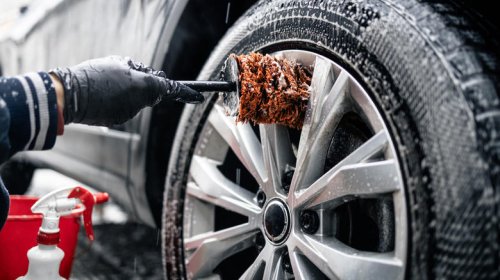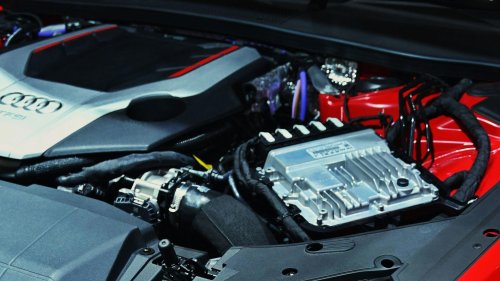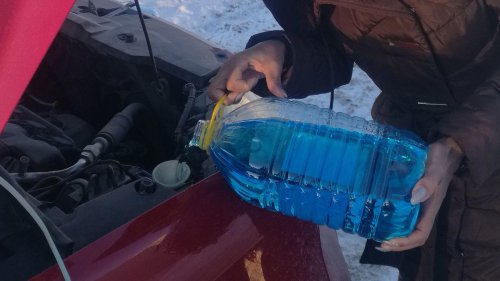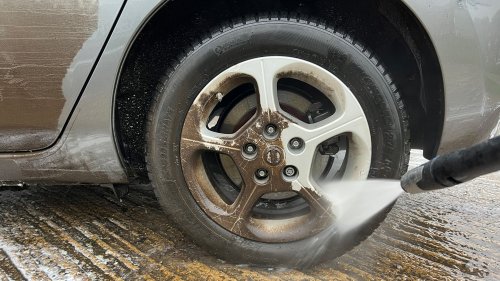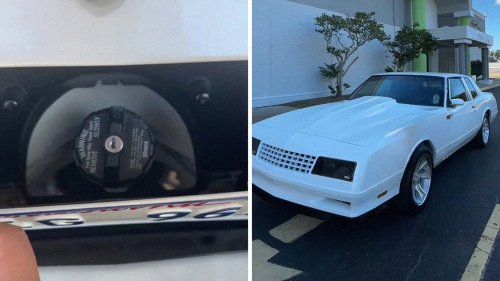
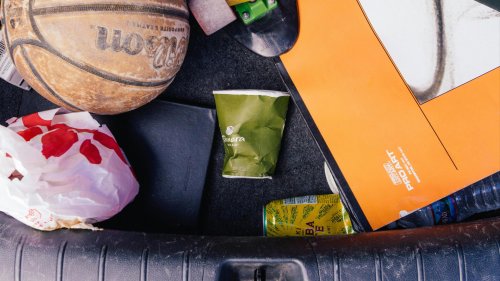
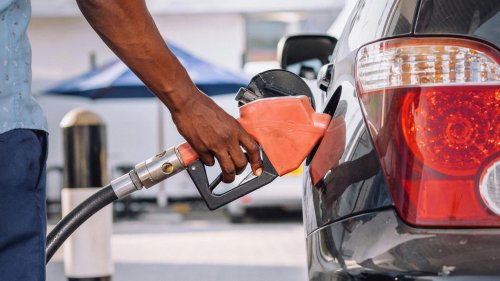
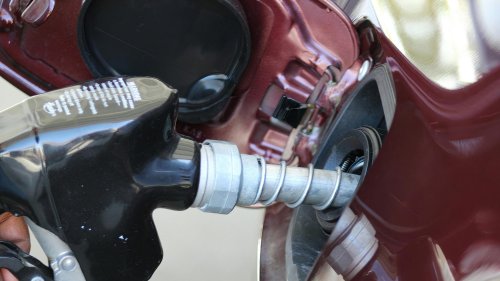
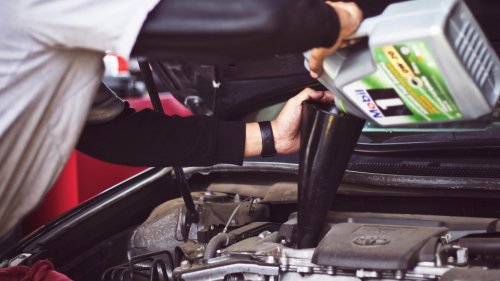








































A Little Prep Now Can Save You Trouble LaterHeading out on a long vacation? Before you pack your bags and go, you might want to pay special attention to your car. Leaving it parked for weeks or months might seem simple, but long-term storage can take a toll if you don’t prepare it properly, leading to expensive surprises when you return. Thankfully, a little planning goes a long way, especially if you handle the most important maintenance steps before you leave. Whether your car will be sitting in a garage or driveway, or covered with a breathable tarp, these 20 practical steps can help keep it in better shape until you’re ready to drive again.1. Give the Car a Thorough WashStart with a full exterior wash before putting your car into storage, even if it doesn’t look especially dirty. Road salt, bird droppings, tree sap, bug residue, and grime can damage the paint when they sit for too long. Pay attention to the lower panels, wheel wells, and undercarriage if the car has been driven in wet or salty conditions. A clean surface gives the paint a better chance of staying protected while you’re away.2. Clean Out the InteriorRemove food wrappers, drink containers, gym bags, receipts, and anything else that could create odors or attract pests. Even a small snack crumb can become a problem if the car sits untouched for a long period. Vacuum the seats, carpets, and floor mats so there’s less debris inside the cabin. It’s also smart to wipe down surfaces so dust, spills, and sticky residue don’t sit there for months.3. Fill the Gas TankA mostly empty gas tank can allow moisture to build up inside, which may lead to corrosion or fuel system issues over time. Filling the tank before storage helps reduce the amount of air space where condensation can form. This is especially important if the car will be stored somewhere with changing temperatures. Stop at the gas station close to your storage location so the tank is as full as possible when the car is parked.4. Add Fuel StabilizerFuel can break down when a car sits unused, so adding a fuel stabilizer is a smart move for longer storage periods. Follow the instructions on the bottle carefully, since the right amount depends on your tank size. After adding it, drive the car for a few minutes so the treated fuel circulates through the system. This helps protect the engine from stale fuel when you’re ready to start the car again.5. Change the OilOld oil can contain moisture, dirt, and combustion byproducts that aren’t ideal for an engine sitting unused. If your car is close to needing an oil change, take care of it before storage rather than waiting until you return. Fresh oil gives internal engine parts cleaner protection during the time the car isn’t being driven. It’s a simple step that can make long-term storage easier on the engine.6. Check the Coolant LevelCoolant helps regulate engine temperature, but it also provides corrosion protection within the cooling system. Before storing the car, check that the coolant level is where it should be and that the mixture is suitable for the climate. If the car will be stored somewhere cold, proper freeze protection matters even if you won’t be driving. When in doubt, have a mechanic check the system before you leave.7. Top Off Other FluidsDon’t stop at oil and coolant, because other fluids deserve attention too. Check the brake fluid, transmission fluid, power steering fluid if your vehicle uses it, and windshield washer fluid. Low or dirty fluids can create problems later, especially if there’s already a small leak you haven’t noticed. Taking a few minutes to inspect them gives you a better baseline before the car sits.8. Inflate the Tires ProperlyTires naturally lose pressure over time, and sitting in one position can make that issue more noticeable. Inflate them to the recommended pressure listed on the driver’s door jamb or in the owner’s manual. Avoid guessing based on the number printed on the tire sidewall, since that’s usually the maximum pressure rather than the everyday recommendation. Proper inflation helps reduce stress on the tires while the car is parked.9. Consider Using Tire StandsIf your car will be stored for several months, tire stands or jack stands can help reduce the risk of flat spots. This is most useful for vehicles with performance tires, older tires, or cars that won’t be moved at all during storage. Make sure the vehicle is lifted safely and supported at the correct points if you choose this option. If you’re not comfortable doing it yourself, a professional storage facility or mechanic can help.10. Avoid Setting the Parking Brake for Too LongIt may feel natural to pull the parking brake before leaving the car, but it isn’t always the best choice for long-term storage. Over time, the brake pads or shoes can stick to the rotors or drums, especially in humid conditions. Instead, leave the car in park if it’s an automatic or in gear if it’s a manual, then use wheel chocks for extra security. This keeps the car stable without putting constant pressure on the parking brake system.11. Protect the BatteryCar batteries slowly lose charge when a vehicle sits, and modern cars can drain them faster because of electronics that keep running in the background. For long storage, use a battery maintainer if you have access to a safe power source. If that isn’t possible, you may want to disconnect the negative battery cable after checking your owner’s manual for any vehicle-specific concerns. A little battery planning can save you from coming home to a car that won’t start.12. Choose the Best Storage Spot AvailableA garage is usually the best option because it protects the car from sun, rain, snow, falling branches, and temperature swings. If indoor storage isn’t available, look for a flat, secure, well-drained area away from trees. Parking on pavement is better than parking on grass or dirt, since moisture from the ground can affect the underside of the vehicle. The location you choose can make a major difference in how well the car holds up.13. Use a Breathable Car CoverA car cover can protect the paint from dust, sunlight, and light debris, but the material matters. Choose a breathable cover designed for your storage environment, especially if the car will be parked outdoors. Plastic tarps can trap moisture against the paint, which may cause more harm than good. A proper cover should fit well without rubbing too tightly against the finish.14. Keep Pests OutRodents can cause serious damage by chewing wires, insulation, and cabin materials while a car is sitting unused. Clear the area around the vehicle of leaves, trash, pet food, and anything else that could attract pests. You can also block obvious entry points with safe, removable materials, but make sure you don’t forget them when you return. Some owners place deterrents around the storage area, especially if the car will be stored in a garage or shed.15. Leave the Windows Slightly Cracked Only If It’s SafeAirflow can help prevent stale odors and moisture buildup inside the cabin, but cracked windows aren’t always a good idea. If the car is stored indoors in a secure, dry place, leaving the windows open just a tiny amount may help ventilation. For outdoor storage, it’s better to keep the windows fully closed to prevent water, insects, and debris from getting inside. Your storage environment should decide which option makes the most sense.16. Place Moisture Absorbers InsideMoisture can lead to musty smells, foggy glass, and mildew if the cabin sits closed for a long time. A moisture absorber or desiccant pack can help keep the interior fresher while you’re away. Place it somewhere stable, such as the floor or a cup holder, where it won’t spill or tip over. This is especially helpful in humid climates or during rainy seasons.17. Check Your Insurance CoverageBefore leaving your car stored, review your auto insurance policy so you know exactly what’s covered. You may still need comprehensive coverage for risks such as theft, fire, vandalism, hail, or falling objects. Some people reduce coverage on a stored vehicle, but that choice depends on state requirements, lender rules, and your own risk tolerance. A quick call to your insurer can prevent confusion if something happens while you’re gone.18. Don’t Forget Registration and Inspection DatesA long vacation can make it easy to miss renewal deadlines, especially if your registration or inspection expires while you’re away. Check the dates before you leave so you’re not surprised when you get back. If a renewal can be handled online, complete it early or set a reminder for yourself. Staying ahead of paperwork means your car will be easier to put back on the road.19. Ask Someone to Check on the CarIf you’ll be gone for a long stretch, ask a trusted person to look over the car occasionally. They don’t necessarily need to drive it, but they can check for obvious problems like leaks, low tires, pest activity, or signs of damage. If they do start the car, it’s better for them to drive it long enough to fully warm up rather than letting it idle briefly. A short check-in every so often can catch issues before they get worse.20. Make a Return ChecklistBefore you leave, write down what you did so you know what to undo or inspect when you come home. Note whether you disconnected the battery, added fuel stabilizer, used wheel chocks, placed moisture absorbers, or blocked any pest entry points. When you return, check the tires, fluids, battery, brakes, lights, and under the car before driving normally. A simple checklist helps you restart your routine safely instead of relying on memory after a long trip.