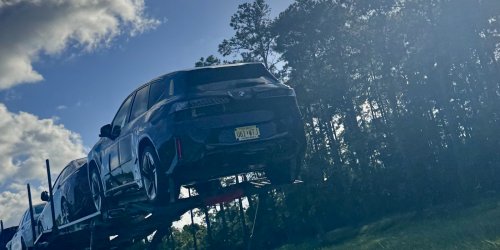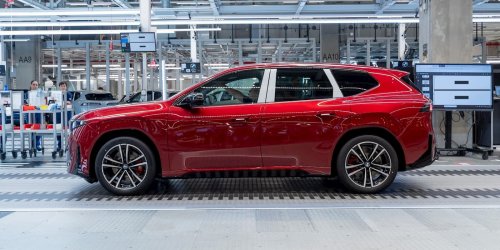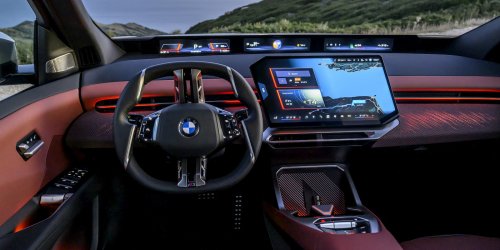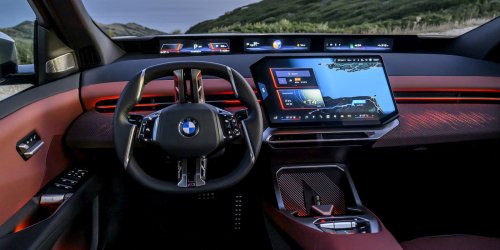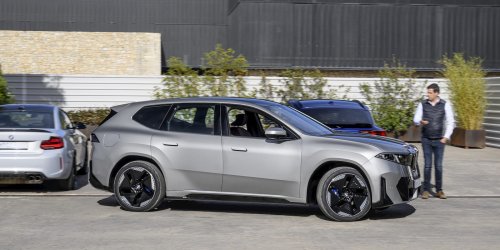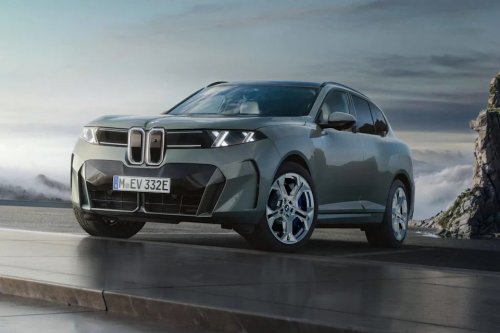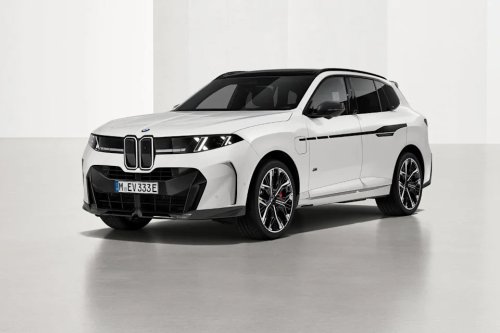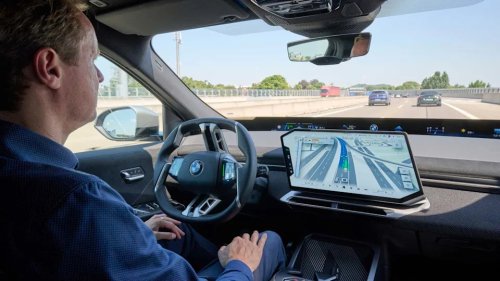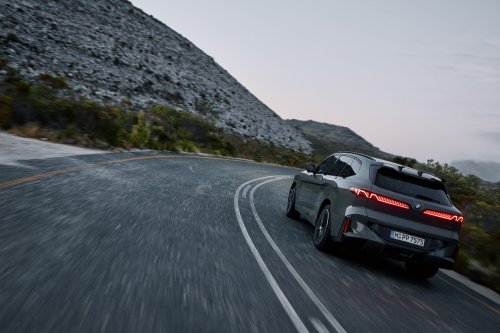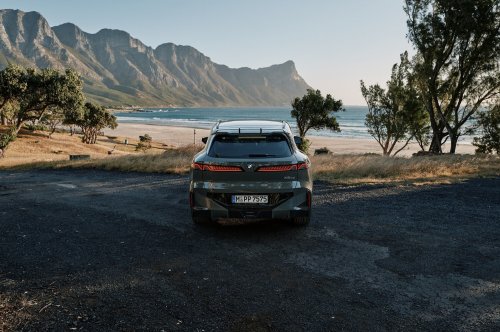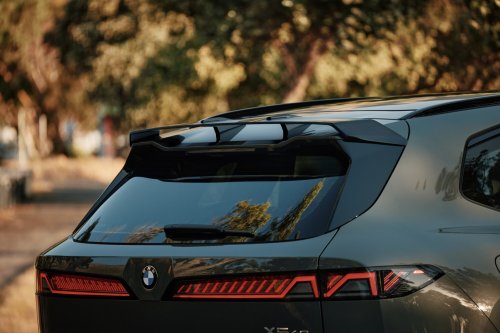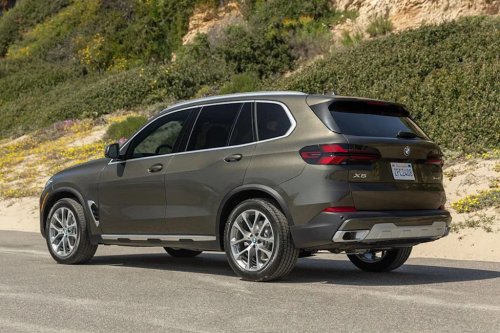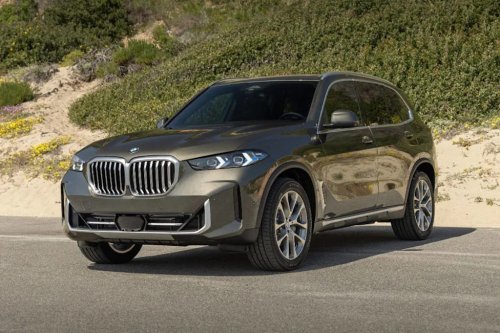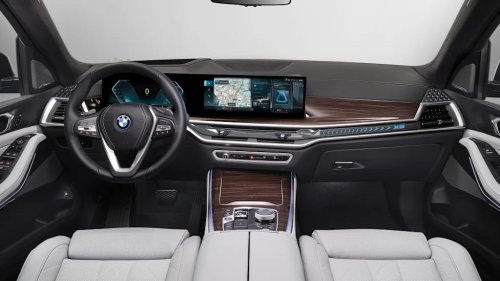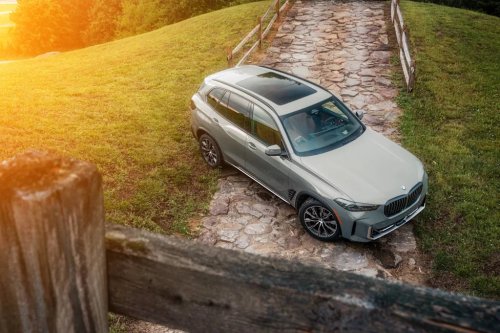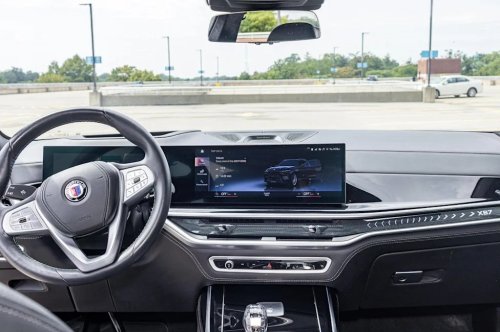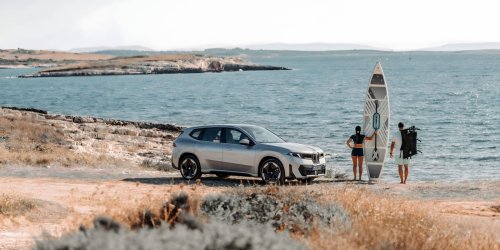



















Image: LG Energy SolutionFirst, the confirmed details: LG Energy Solution (LGES) has reported that its order backlog has grown to over 440 GWh following new orders totalling 100 GWh for cylindrical cells with a 46-millimetre diameter. However, as is customary in the supplier industry, the company has not disclosed the customers behind these orders. LGES did confirm that it began producing 4695 cells at its Ochang plant late last year and that, by the end of this year, “producing diverse 46-Series cylindrical cells, ranging from 4680 to 46120 cells” will commence at its US plant in Arizona.While 4680 cylindrical cells are used by several automakers – Tesla being the most prominent – the 4695 and 46120 formats are less common. The cell format alone points to a likely customer: the BMW Group. As part of its Neue Klasse platform, the Munich-based manufacturer has adopted cylindrical cells with a 46-millimetre diameter, which are 95 millimetres tall in the iX3, i3, and, more recently, the i7 – making them 4695 cells. For larger vehicles with higher floors, BMW has already announced plans to use 46-millimetre cylindrical cells with a height of 120 millimetres, with the upcoming iX5 based on the new X5 generation being a potential candidate. Another supporting detail: BMW manufactures the X5 in Spartanburg, South Carolina. Supplying batteries from LGES’s US plant in Arizona would therefore offer significant logistical advantages.This is not merely speculation based on cell formats but is also supported by reports from South Korean media. According to news portals Chosun and MK, the contract is valued at approximately ten trillion Won (around €5.8 billion euros) and spans a term of ten years. This would mark the first time LG Energy Solution has supplied battery cells for BMW’s battery-electric vehicles – though the Munich-based automaker has previously used LG cells in its hybrid models.LGES already holds contracts for 46-millimetre cylindrical cells with US automaker Rivian, China’s Chery, and likely Mercedes-Benz. While the Stuttgart-based manufacturer currently relies on prismatic cells for its electric vehicle line-up, rumours persist that a contract signed in 2024 for 50.5 GWh, due for delivery from 2028, involves 46-millimetre cylindrical cells.For the likely major customer, BMW, the order was not planned as far in advance as that of Mercedes. Initially, BMW intended to source battery cells for its US factory from a new AESC facility, which its partner was developing. Following a construction halt at AESC, rumours emerged that BMW might instead import cylindrical cells from China to the US – or engage other suppliers in the US. With LGES, a domestic US supply chain now appears feasible.LGES announced the new order alongside its first-quarter financial results. Revenue increased slightly by 1.2 per cent to 6.555 trillion Won, though the company reported an operating loss of 207.8 billion Won. “In the first quarter, shipment of pouch-type EV batteries declined due to inventory adjustments by a major North American customer. However, stable shipments of cylindrical EV batteries and active response to growing North American ESS demand through capacity expansion resulted in a slight quarter-on-quarter increase in the revenue,” LGES stated.lgensol.com (Announcement), chosun.com, mk.co.kr