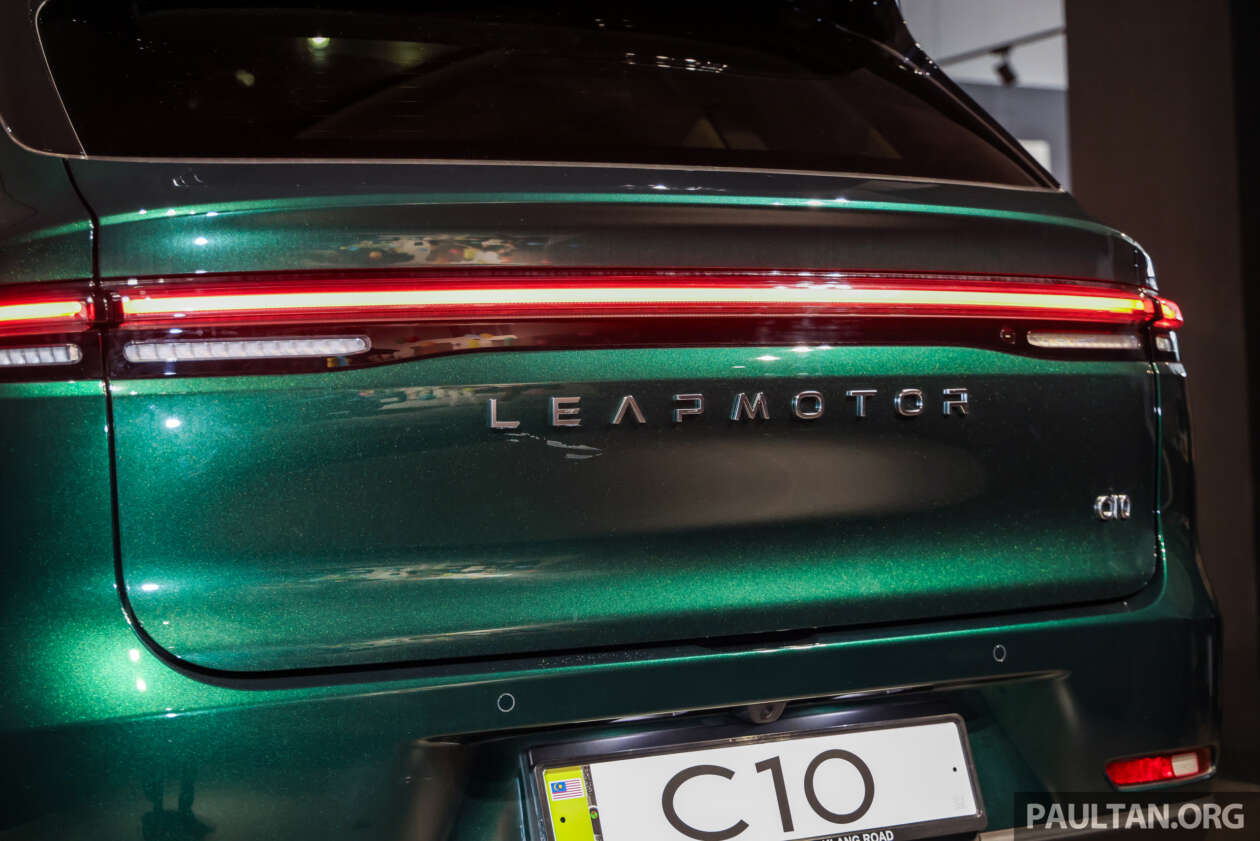
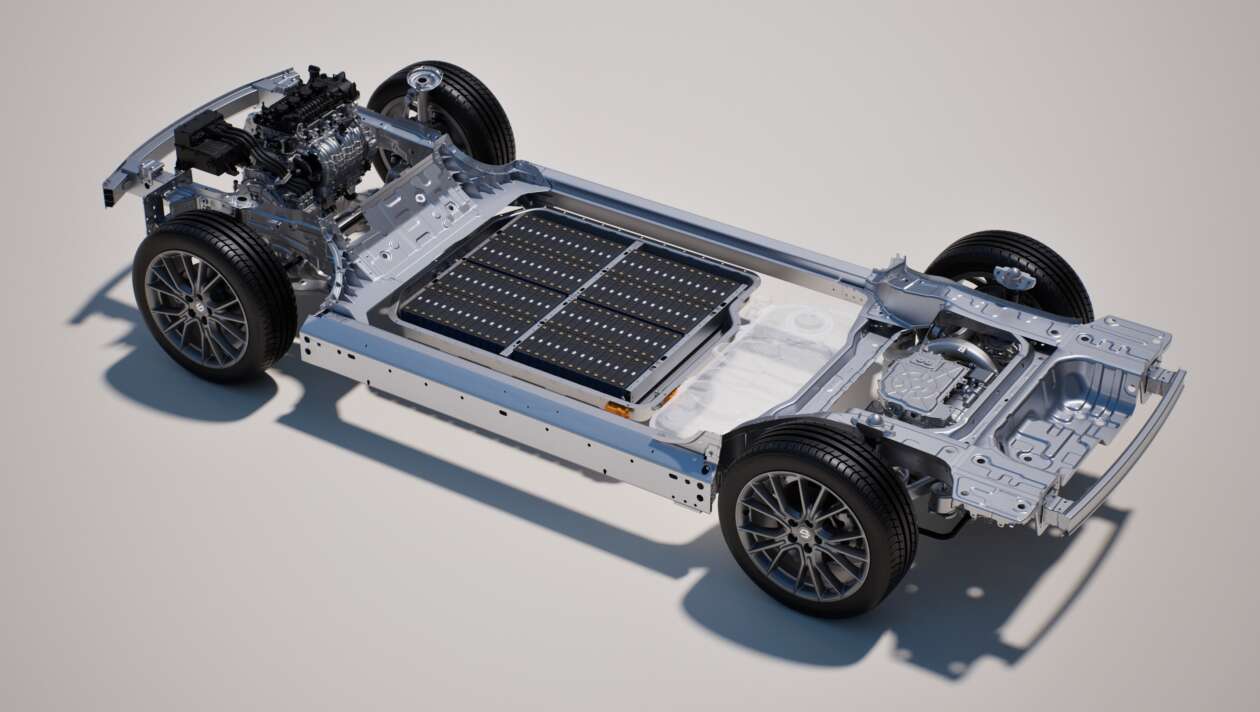
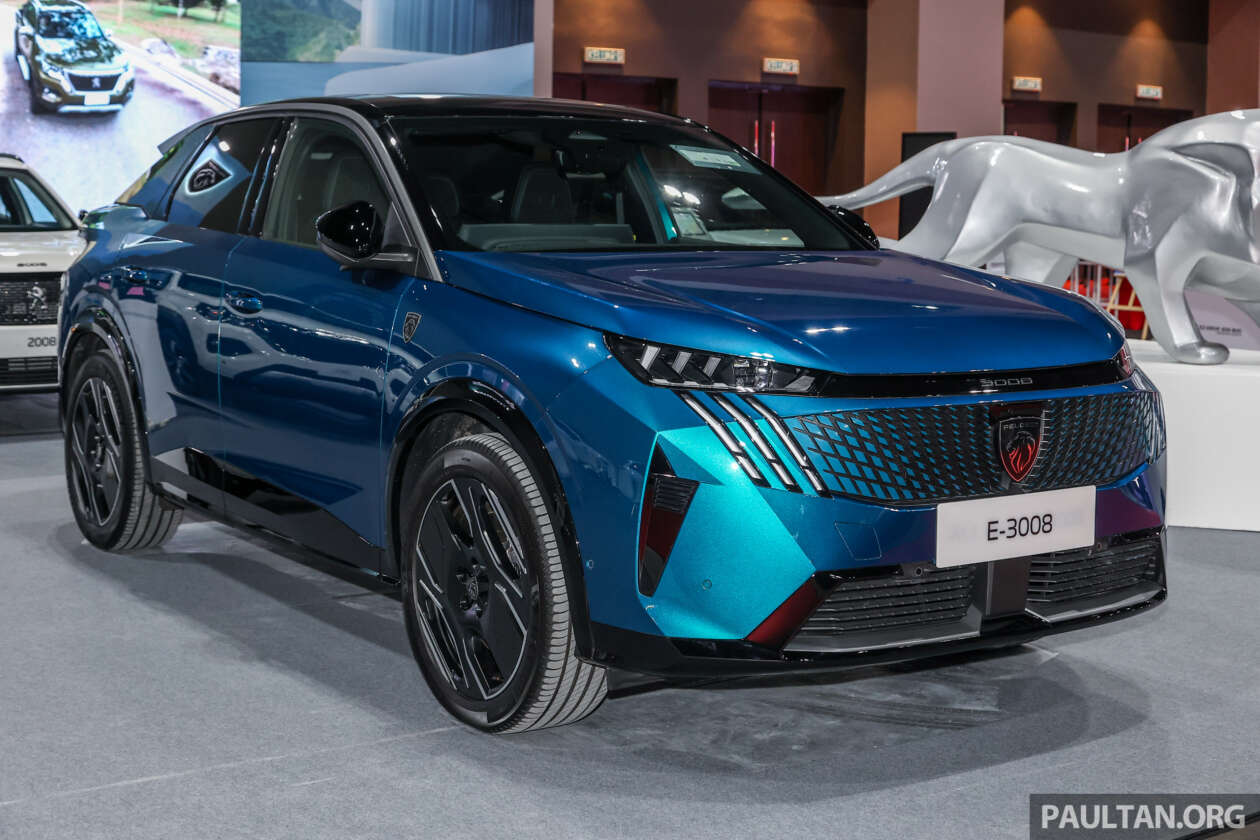
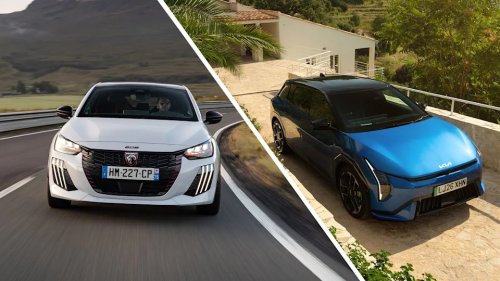
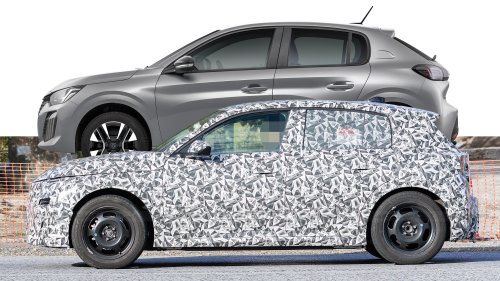
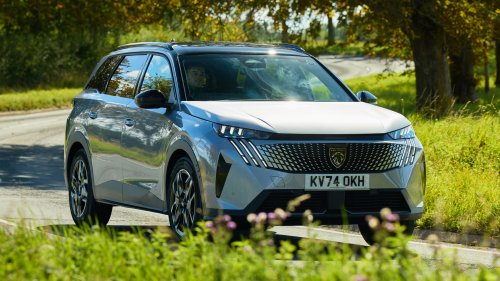
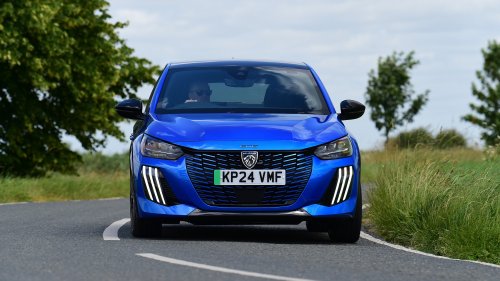
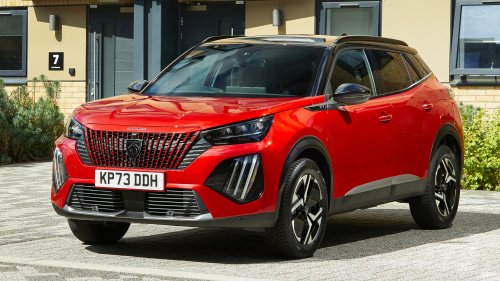
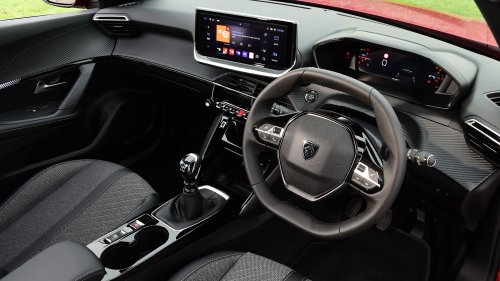
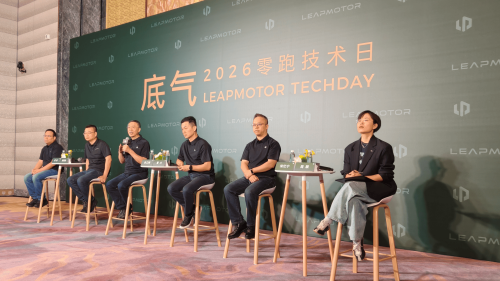
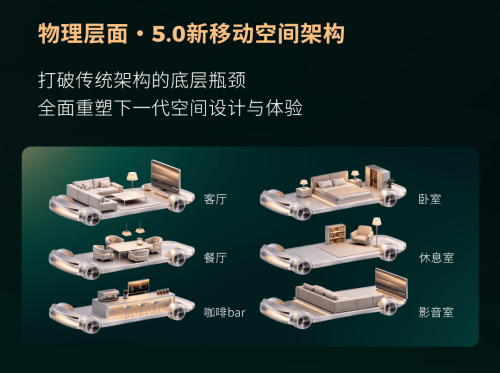
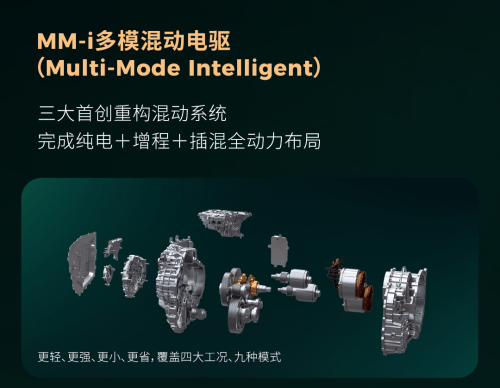
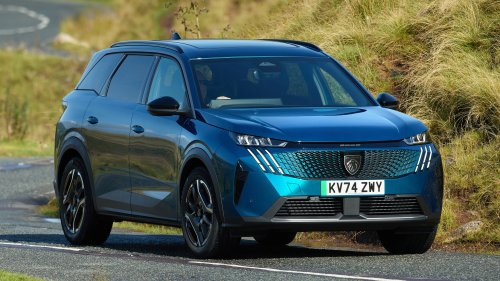
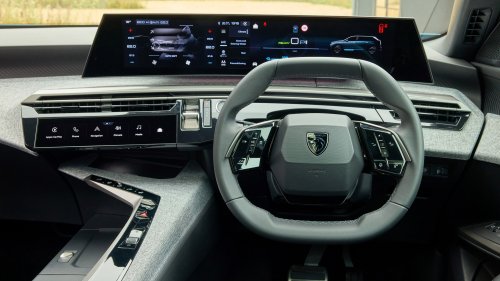
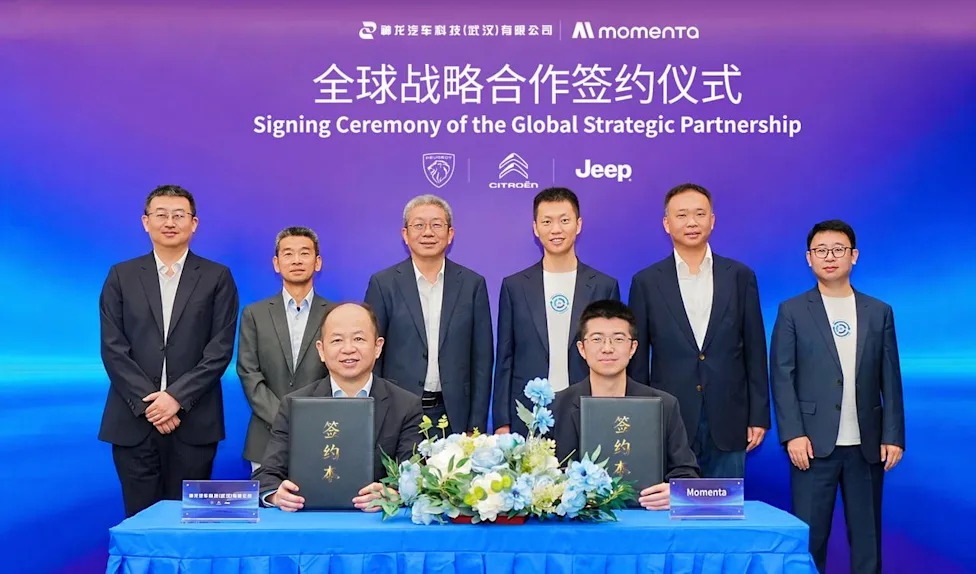
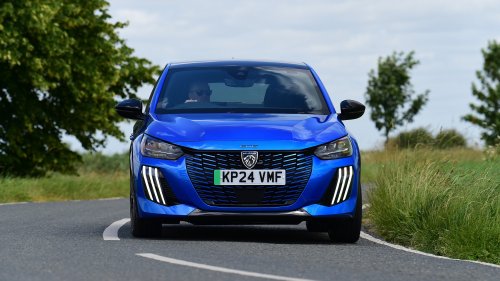
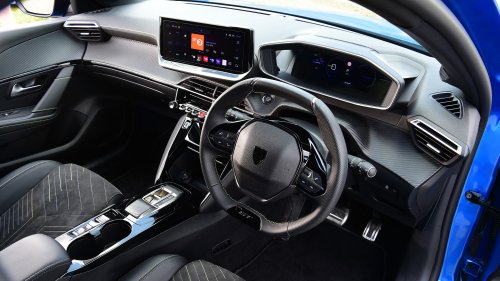
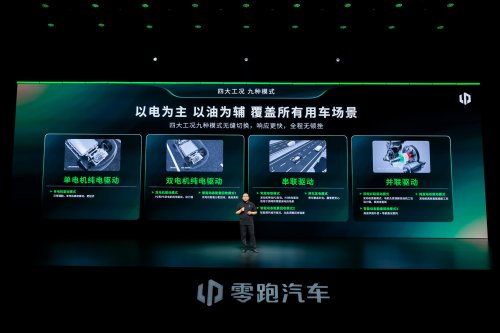
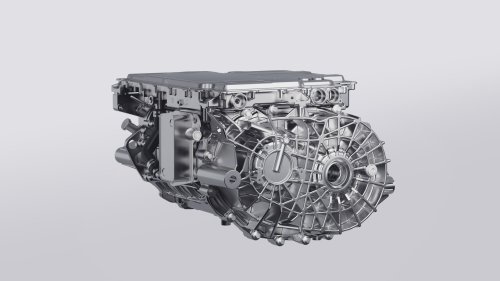
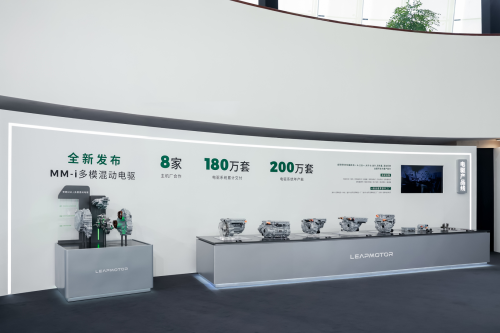
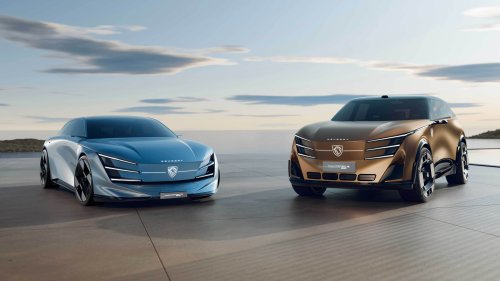
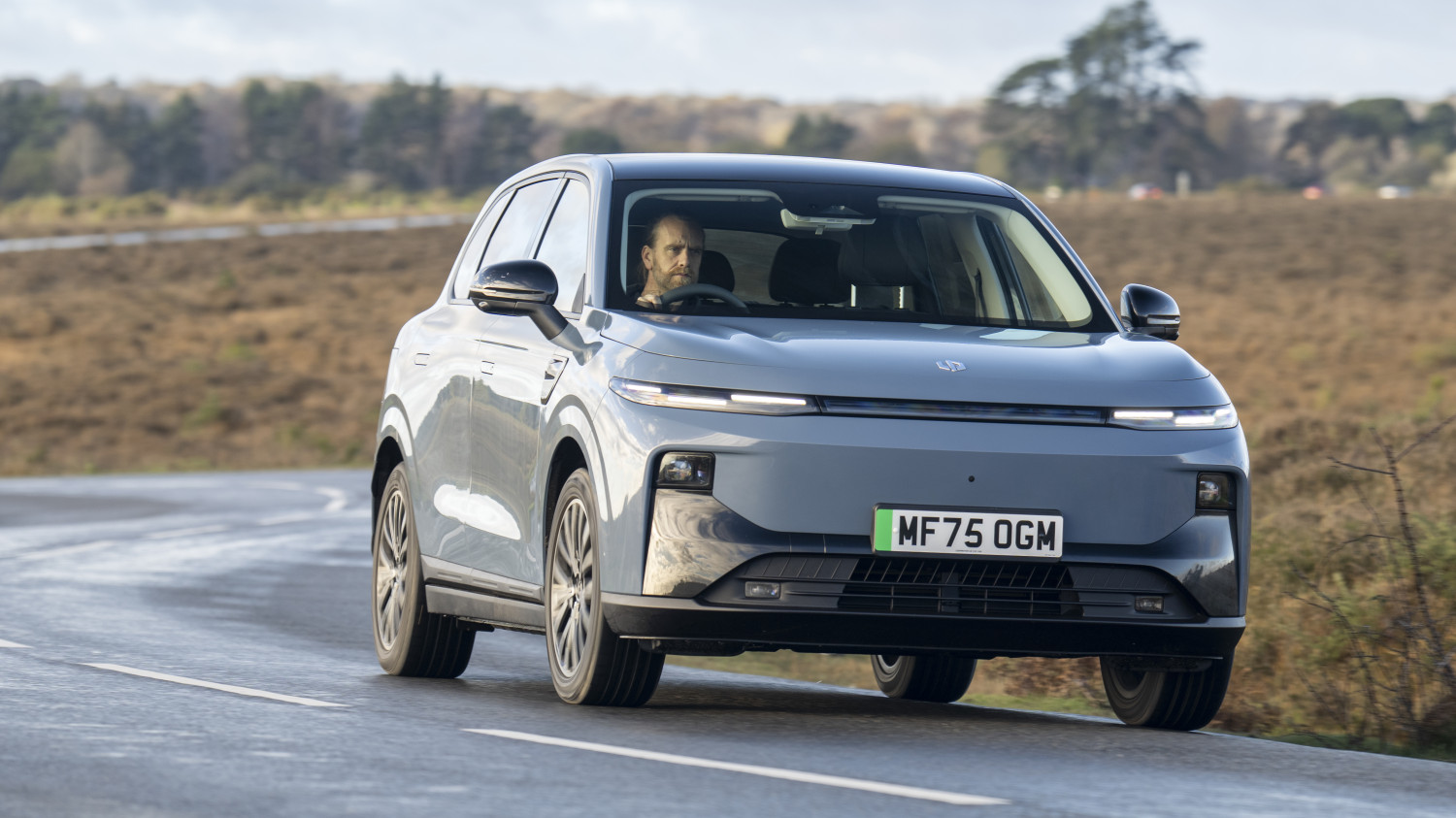
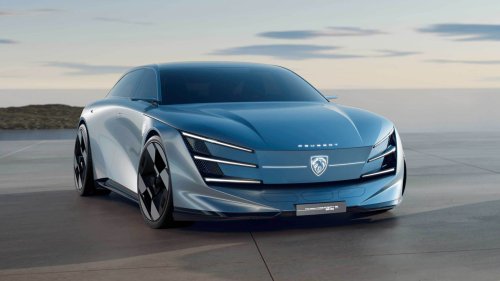
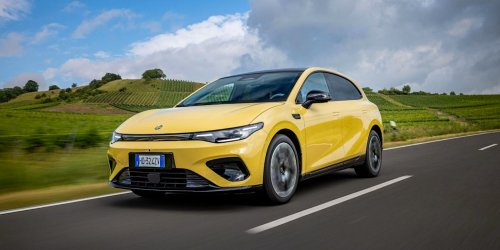
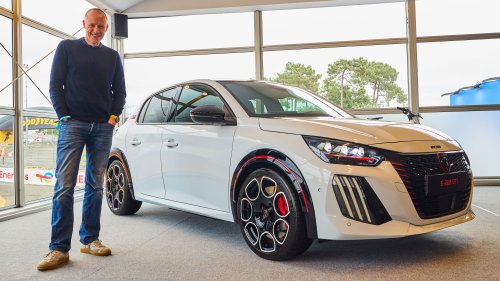
While Leapmotor only sells electric vehicles in Malaysia, the company does offer range extended EVs elsewhere in the world, providing an alternative for those not entirely sold on battery power. And if the Chinese firm has its way, the technology could filter out to other brands in Stellantis’ portfolio such as Peugeot, as part of the collaboration between the two carmakers. According to Autocar, the companies are looking to increase “synergies,” including the transfer of technologies from one to the other. Leapmotor and Stellantis’ products are currently completely unrelated, with the former only using the latter’s extensive global dealer network (including in Malaysia) to sell its cars. Well, that and some slightly dubious claims about Maserati-tuned ride and handling. A range-extended powertrain is one technology-sharing avenue being bandied about. “Range extender is a good technology, and, yes, we’re also exploring the possibilities to use it in the other portfolios,” Leapmotor International CEO Xin Tianshu told the British publication. He had previously touted REEVs as being crucial to Europe’s move to electrification, calling it a “good interim solution” as EV sales and infrastructure development lag behind earlier targets. Xin continued, saying that that the transfer of this tech would be in line with the framework of his company – Leapmotor’s global arm which is 51% owned by Stellantis. “That’s one part of the rationale we had when we did the deal between Stellantis and Leapmotor – finding synergies by using each other’s technology.” Leapmotor’s REEV technology is currently being used in the C10, with a 1.5 litre four-cylinder engine helping to power an electric motor producing 215 PS (158 kW) and 320 Nm of torque. A 28.4 kWh LFP battery enables a pure electric range of 145 km on the WLTP cycle, adding to a total range of 975 km. This powertrain will also be fitted to the new, smaller B10 later on. REEV tech could make Peugeot’s EVs a more viable option in some markets The tech transfer could extend to platform sharing, which “is one of the opportunities we’re exploring,” with Leapmotor possibly using Stellantis underpinnings or vice versa. This would help improve economies of scale, given that Leapmotor’s products will soon be built or assembled at Stellantis plants across the world, such as in Malaysia. As the Chinese side is “a highly vertically integrated company” – with 65% of its vehicles’ components by value “developed in-house” – there are also savings to be had in purchasing components. Over to you now – would you buy a Leapmotor or Peugeot REEV if they ever come to Malaysia? Let us know in the comments. Compare prices between different insurer providers to save the most on your car insurance renewal compared to other competing services. Many payment method supported and you can pay with instalment using Atome, Grab PayLater or Shopee SPayLater.