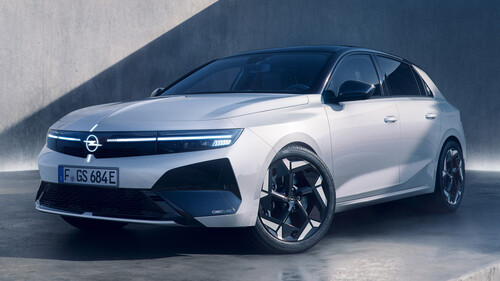
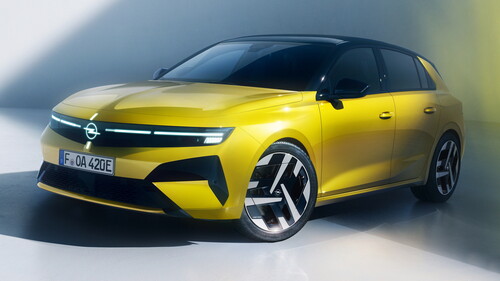
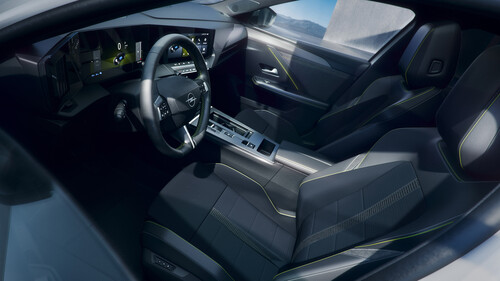
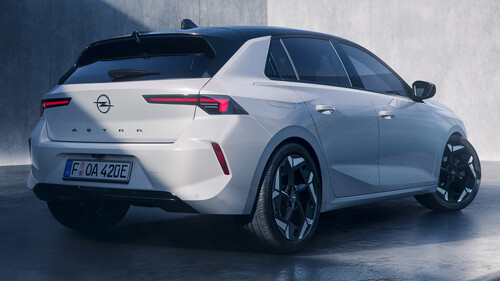
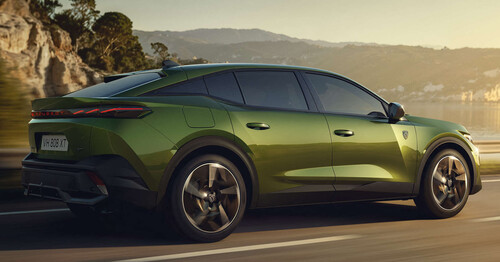
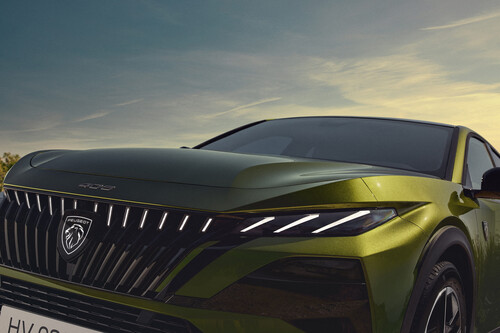
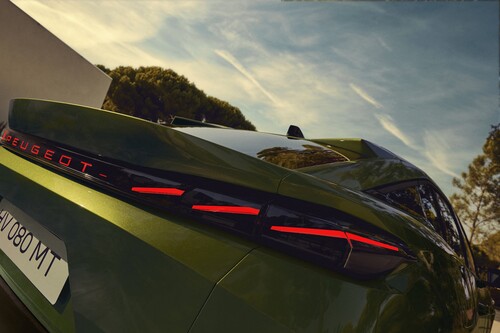
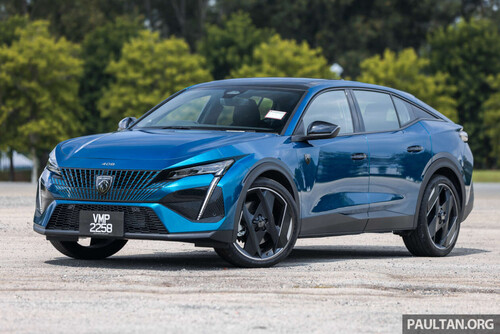
Peugeot E-408PeugeotThe updated Peugeot 408 enters 2026 with a more focused engine range, revised styling and an increasingly premium feel, as the French brand continues its transformation under Stellantis.Positioned somewhere between a traditional saloon, estate and SUV coupé, the 408 remains one of the more unconventional choices in the family car market — and arguably one of the most interesting.Peugeot 408 powertrains and performanceThe biggest development for the 2026 range is the arrival of the fully electric E-408 as a permanent fixture in the line-up. Previous versions of the 408 relied on mild-hybrid and plug-in hybrid powertrains, but Peugeot is now fully embracing electrification with a dedicated EV offering.AdvertisementAdvertisementPower comes from a 210hp electric motor driving the front wheels. Performance is brisk rather than brutal, with the E-408 prioritising smoothness over neck-snapping acceleration. Peugeot quotes a 0-62mph time of 7.6 seconds, which feels entirely sufficient for everyday driving and motorway overtakes alike.Unlike some aggressively tuned EVs, the E-408 delivers its power progressively. Plant your foot and the car gently feeds in torque rather than overwhelming the front tyres. It makes the Peugeot feel polished and reassuringly easy to drive, especially in urban traffic.Peugeot E-408PeugeotRefinement is another standout quality. The near-silent electric motor, combined with impressive sound insulation, creates one of the quietest cabins in the segment. Laminated glass on higher-spec models significantly reduces wind and road noise, giving the E-408 a notably serene motorway character.Range and charging figures, however, are less class-leading. Peugeot claims up to 281 miles from a full charge, while rapid charging tops out at 120kW, allowing a 20-80% recharge in around 31 minutes. Those figures are perfectly usable for most British drivers, particularly anyone with home charging access, but competitors such as the Kia EV3 and Renault Scenic E-Tech currently offer stronger headline numbers.AdvertisementAdvertisementStill, the E-408 counters with refinement and comfort that many rivals struggle to match.Peugeot E-408 designPeugeot has built a reputation for daring automotive design in recent years, and the E-408 may be its boldest mainstream effort yet.The elongated fastback silhouette immediately distinguishes it from traditional hatchbacks and SUVs. Sharp creases run along the bodywork, while the swooping roofline gives the car a sleek, coupe-inspired profile without significantly compromising practicality.For 2026, Peugeot has subtly revised the front-end styling. The brand’s signature ‘claw’ LED daytime running lights are now integrated within the headlamp units rather than extending into the bumper. The grille design has also been simplified, replacing the previous dash-like detailing with cleaner vertical strakes arranged in a shield pattern.AdvertisementAdvertisementAt the rear, the three-claw LED lighting signature remains, joined by an illuminated PEUGEOT wordmark replacing the traditional lion badge. The effect feels modern, distinctive and suitably premium.Peugeot E-408PeugeotPaint finishes deserve particular praise. Elixir Red gives the E-408 an almost jewel-like depth in direct sunlight, while Flare Green — offered as the standard colour — adds genuine visual flair rarely seen in this segment.Inside, the futuristic design language continues. Peugeot’s distinctive i-Cockpit layout features a compact steering wheel beneath high-mounted digital instruments, creating a cockpit-like driving position unlike anything else in the class.Angular dashboard detailing, metallic trim elements and upscale materials help elevate the cabin ambience. Soft-touch plastics, Alcantara trim on higher-spec models and faux-leather upholstery combine to give the E-408 a convincingly premium feel.AdvertisementAdvertisementNot every detail lands perfectly, however. The small gear selector feels disappointingly flimsy considering the otherwise upmarket presentation.Peugeot E-408 platform and handlingThe E-408’s greatest strength may be its overall composure on the road.Built on the same platform as the Vauxhall Astra, Citroën C5 X and DS No4, the Peugeot prioritises ride comfort over outright sportiness — and it largely succeeds.Suspension tuning is exceptionally well judged. The E-408 glides over potholes, expansion joints and rough British roads with impressive sophistication, absorbing imperfections without feeling overly soft or floaty. There’s a slight firmness over particularly broken surfaces, but overall refinement remains excellent.Peugeot E-408PeugeotThe steering is light and accurate, aided by Peugeot’s trademark small steering wheel, which gives the car an unexpectedly agile feel at lower speeds. Despite its comfort-focused setup, the E-408 remains composed when driven enthusiastically, with predictable body control and reassuring stability through faster bends.AdvertisementAdvertisementThis is not an EV designed to thrill like a performance-focused Tesla Model 3. Instead, the Peugeot excels as a relaxed long-distance cruiser — quiet, smooth and effortlessly comfortable over extended journeys.Peugeot E-408 interior and technologyPracticality is stronger than the dramatic styling might initially suggest.At nearly 4.7 metres long, the E-408 offers generous cabin space, particularly for rear passengers. Legroom in the back is excellent, comfortably accommodating adults even with taller front occupants in place. The sloping roofline slightly compromises rear headroom, but it remains competitive with most family hatchbacks.Boot space stands at 471 litres, making the E-408 more practical than many similarly styled alternatives. Families should have little trouble accommodating luggage, pushchairs or weekly shopping loads.AdvertisementAdvertisementCabin storage is respectable throughout, with useful door bins, a practical centre console and a full-width glovebox.Peugeot E-408PeugeotTechnology is visually impressive, although not entirely flawless in execution. The wide-format infotainment display looks modern and features crisp graphics, but some on-screen controls are positioned too closely together, making them fiddly to use while driving.Peugeot’s configurable ‘i-Toggles’ shortcut system helps improve usability by allowing drivers to create quick-access buttons for frequently used functions such as navigation and media controls. Physical piano-key switches beneath the screen also add welcome tactile interaction.The digital driver display can appear overly busy in its default layout, although simpler configurations are available through the settings menus.AdvertisementAdvertisementImportantly, Peugeot has made it relatively easy to disable intrusive driver assistance systems. A dedicated shortcut button provides quick access to ADAS settings, making it easier to turn off features such as lane assist and speed warning alerts.Peugeot E-408 verdictThe Peugeot E-408 doesn’t attempt to dominate the EV market through sheer specification alone. Its range and charging figures are competitive rather than exceptional, and some rivals offer stronger value on paper.What Peugeot has created instead is a genuinely stylish, refined and characterful electric car that feels distinctly premium without venturing into luxury-brand pricing territory.The E-408’s biggest strengths are the ones owners will appreciate every single day: exceptional cabin refinement, outstanding ride comfort, eye-catching design and a surprisingly practical interior. It also benefits from the UK Government’s EV grant, helping keep pricing competitive against hybrid alternatives.AdvertisementAdvertisementFor buyers seeking an EV that feels a little more sophisticated and individual than the increasingly crowded SUV norm, the Peugeot E-408 makes a compelling case.This article was originally published on Forbes.com