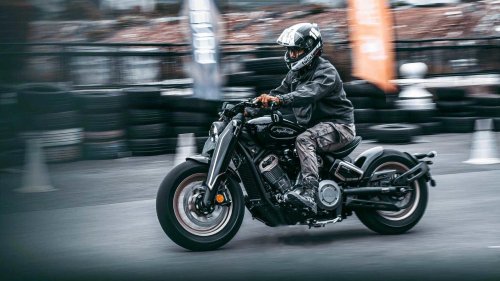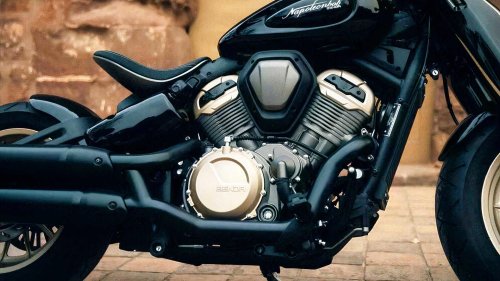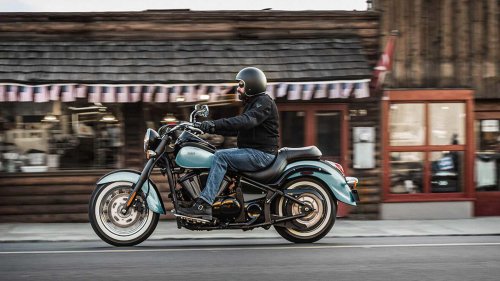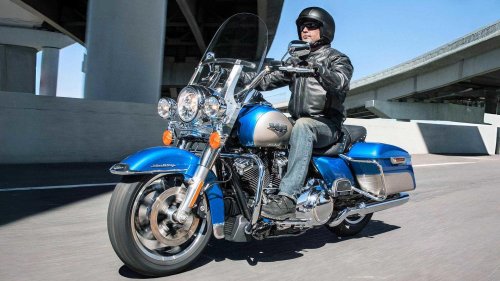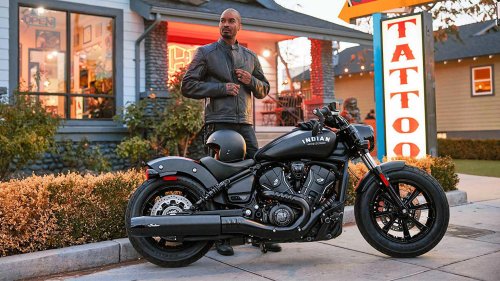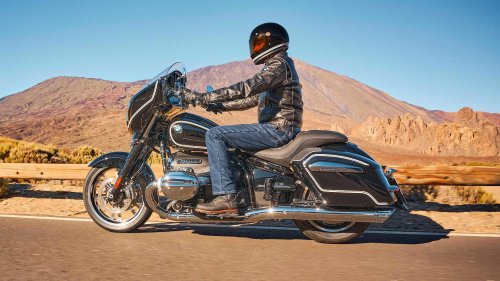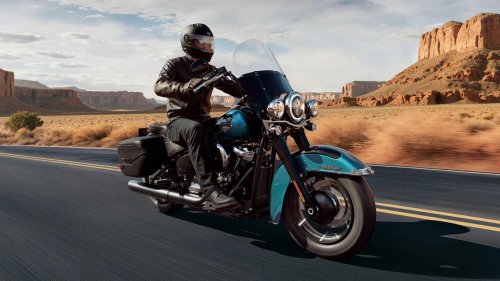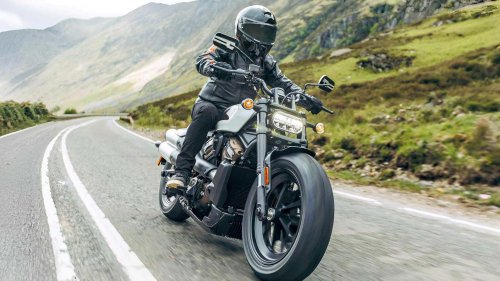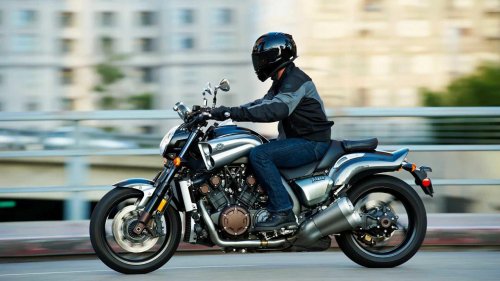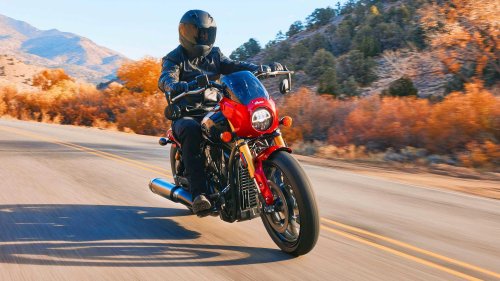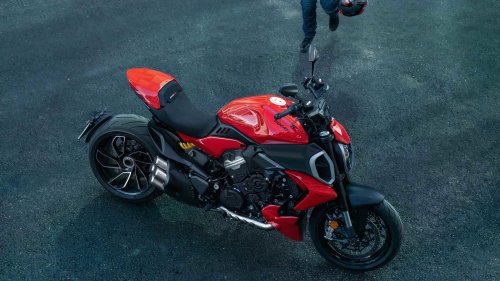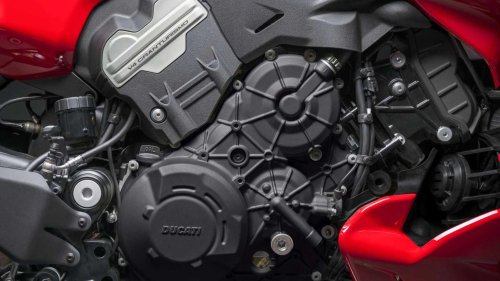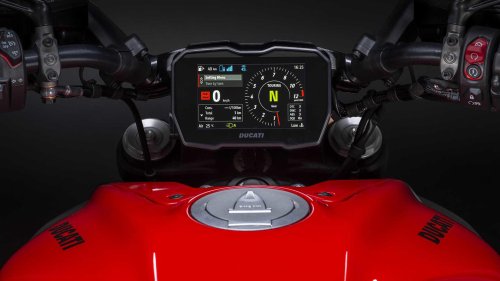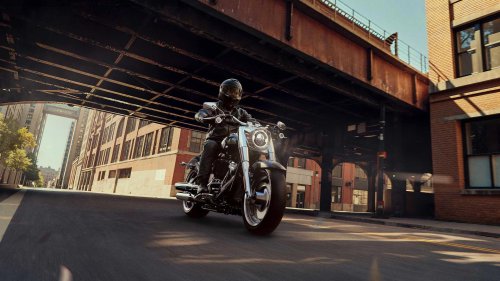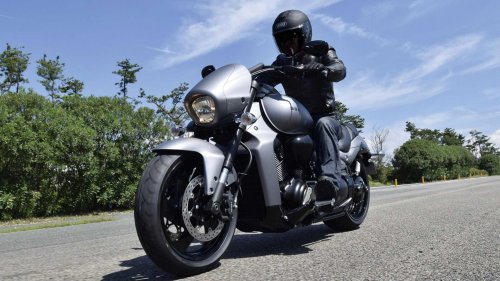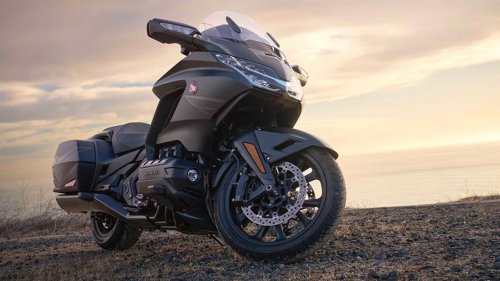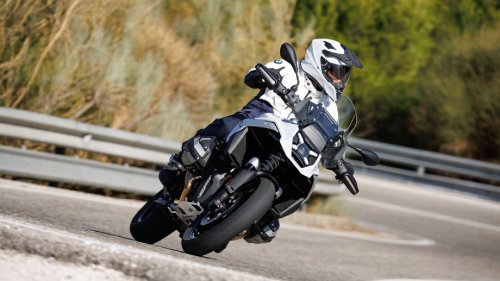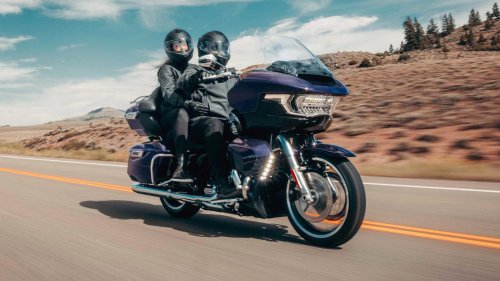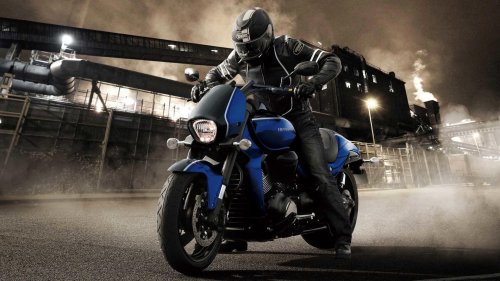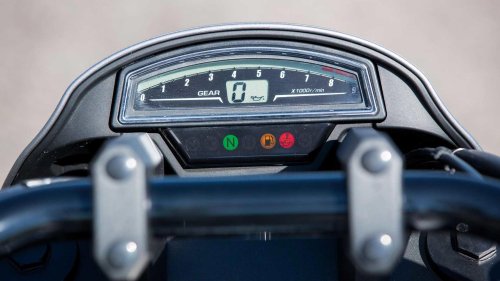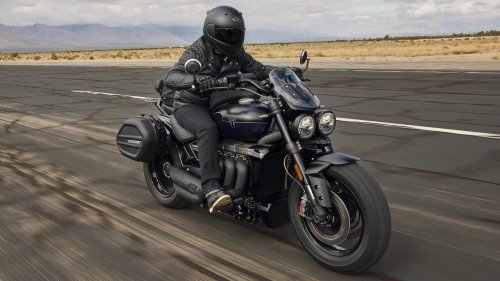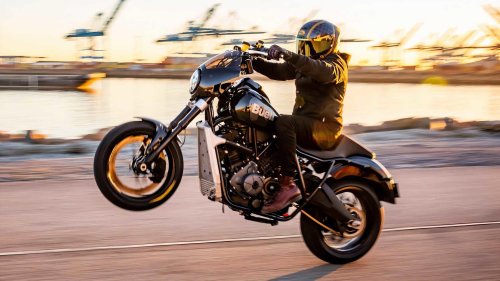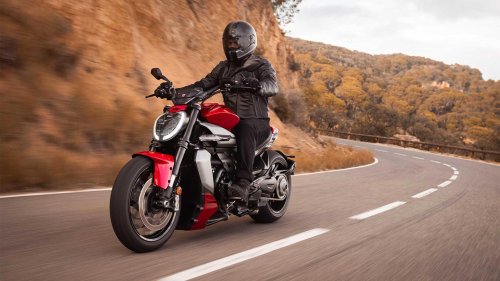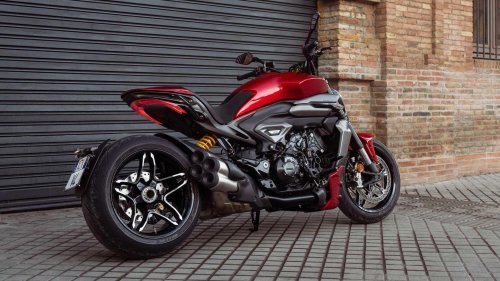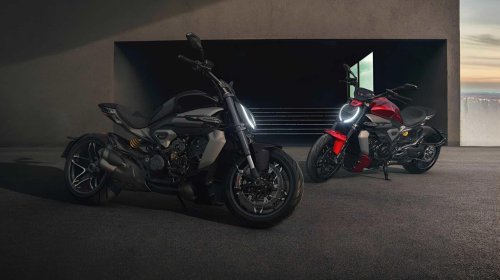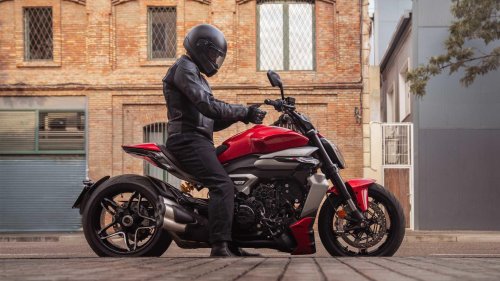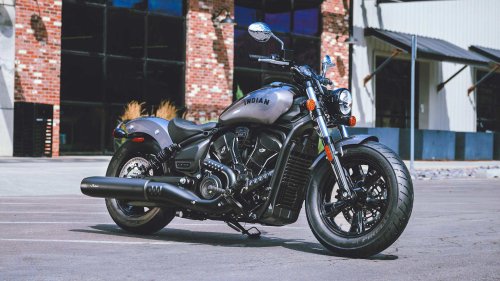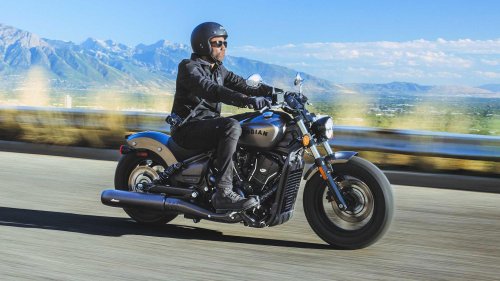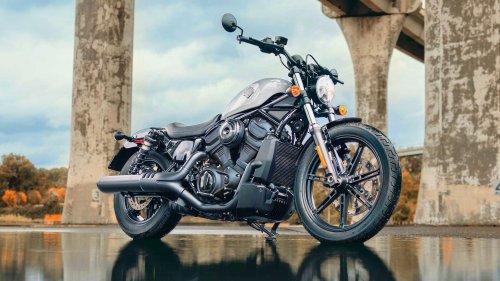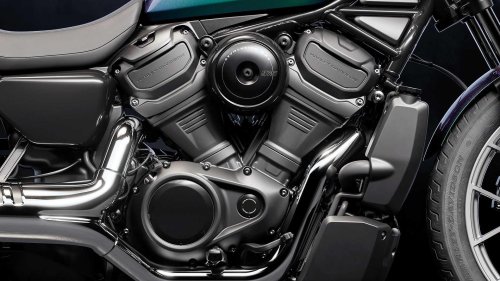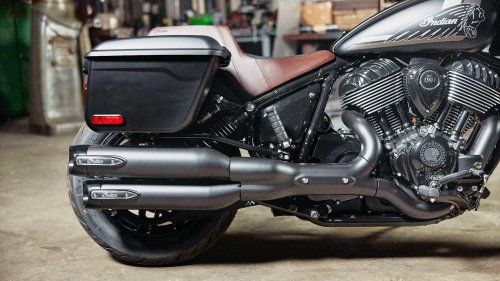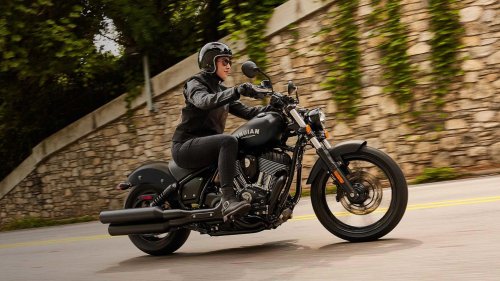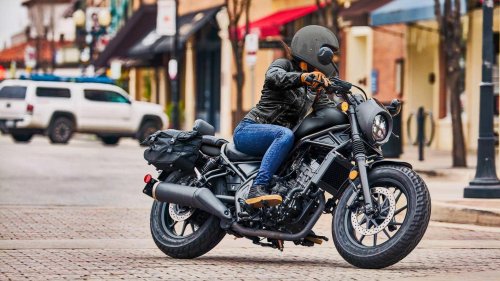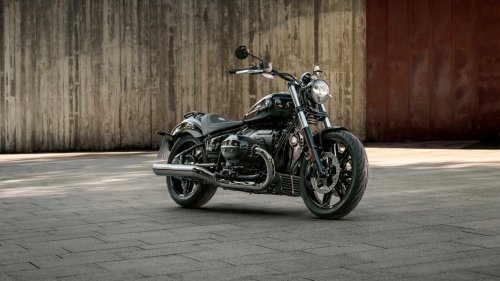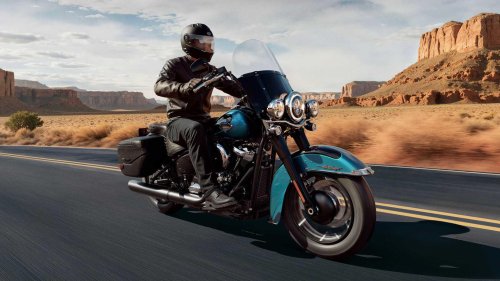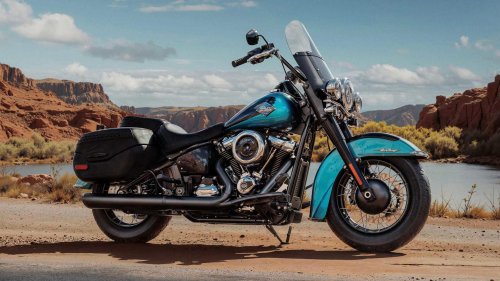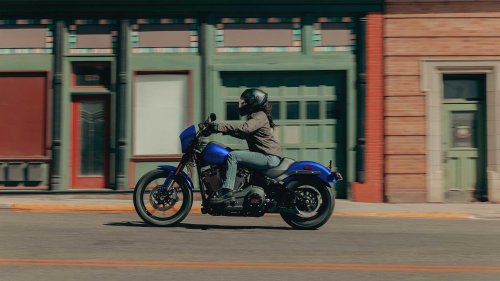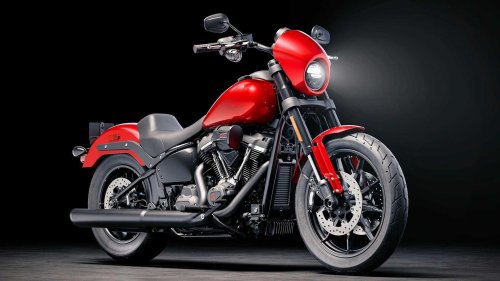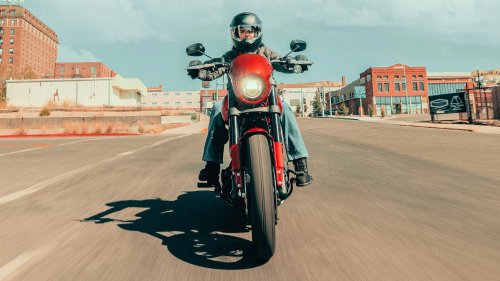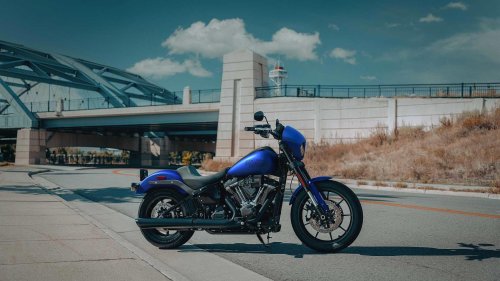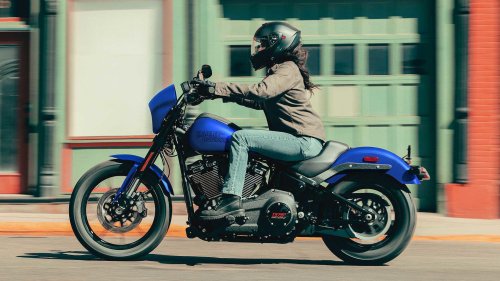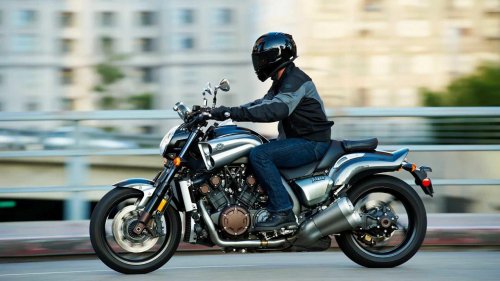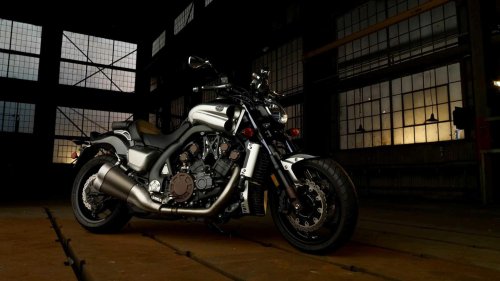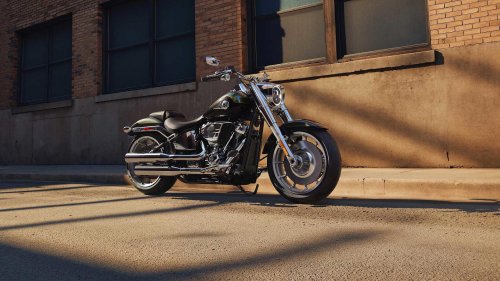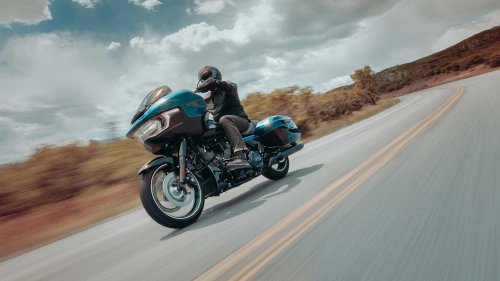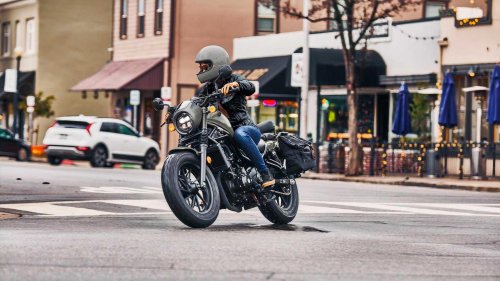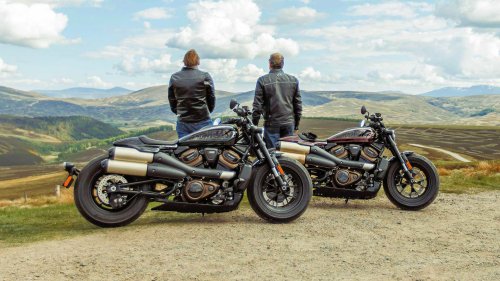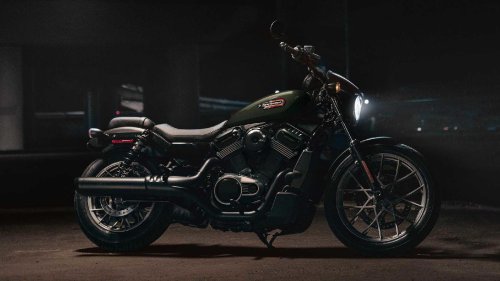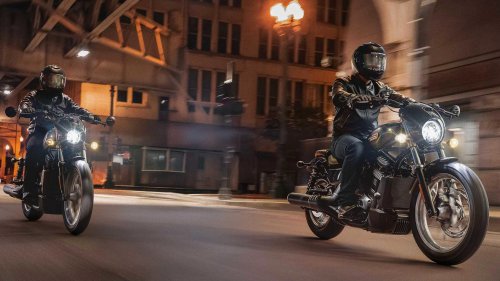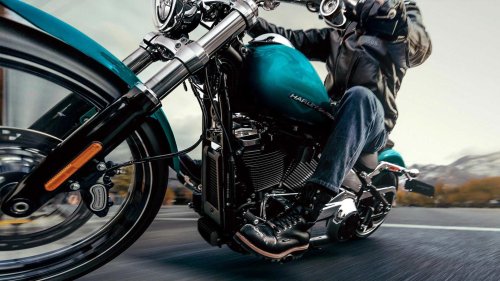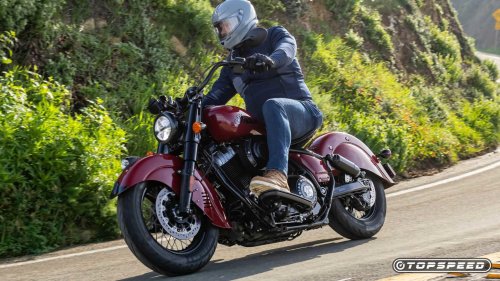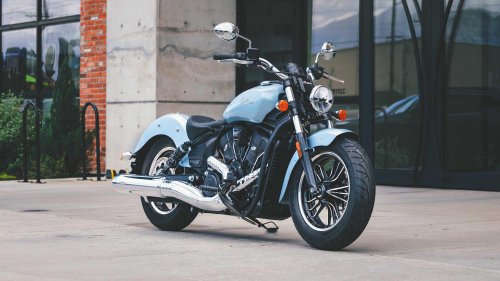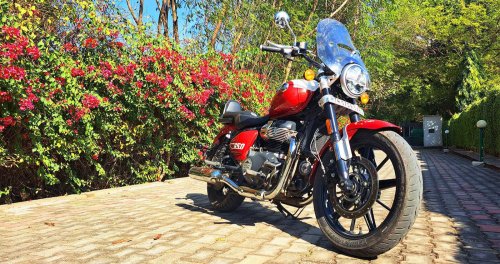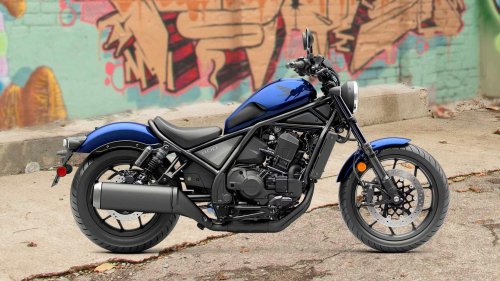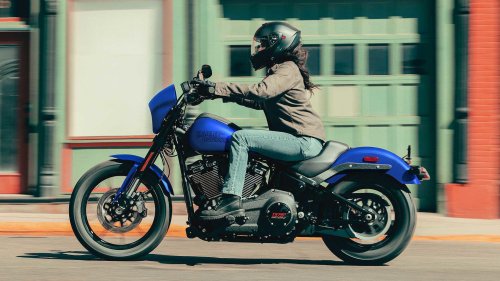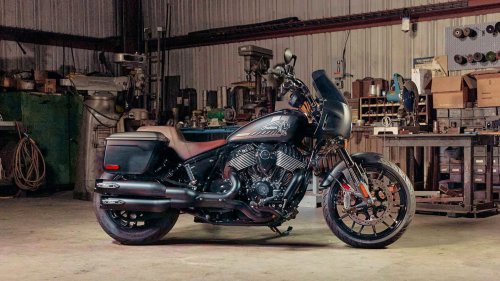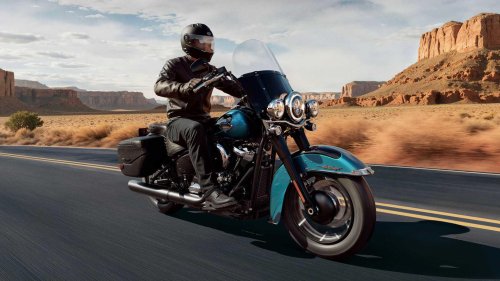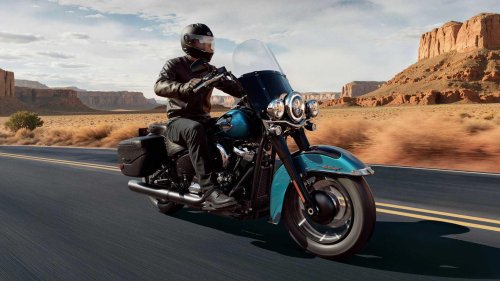
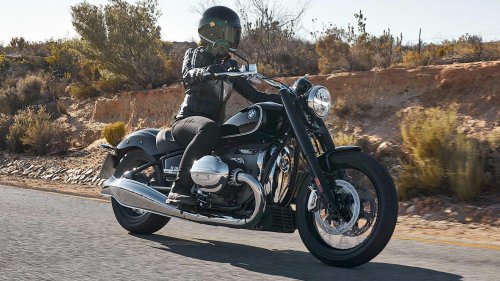
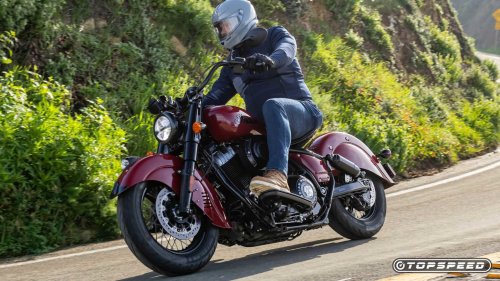
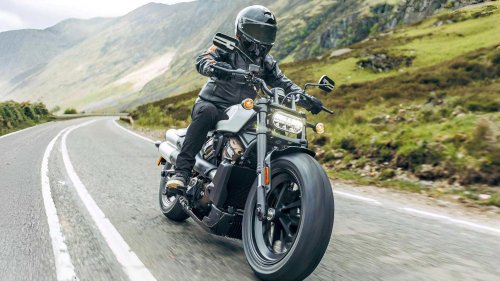
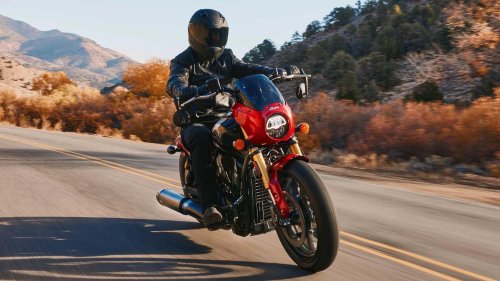
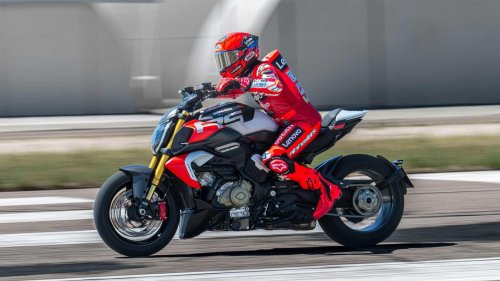
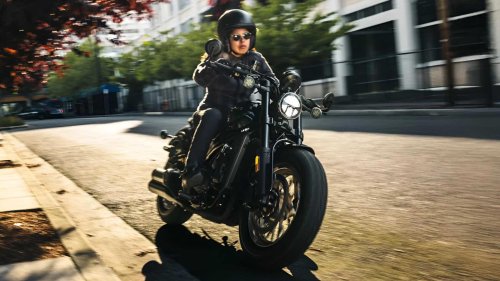
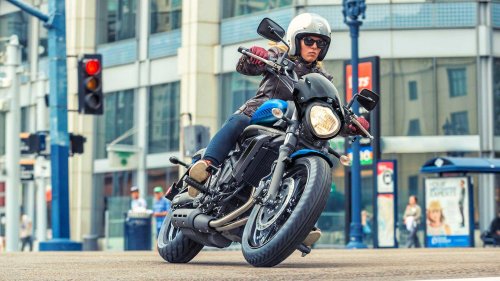
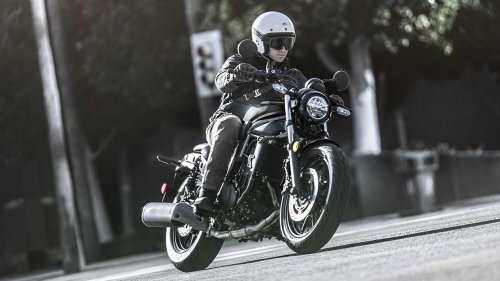
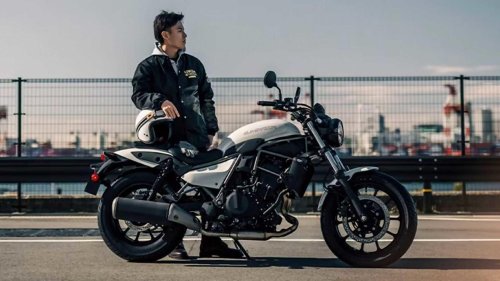
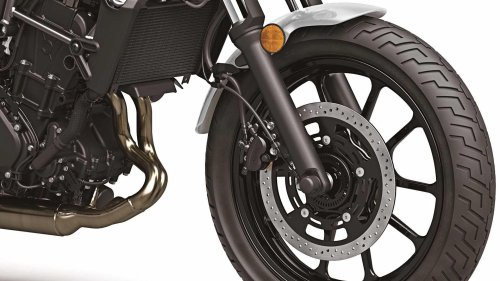
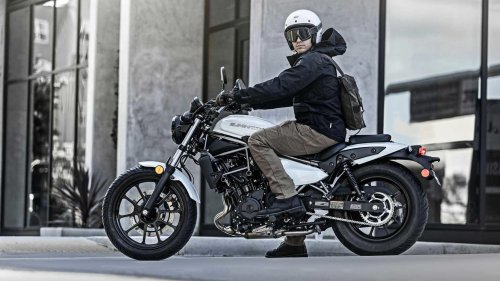
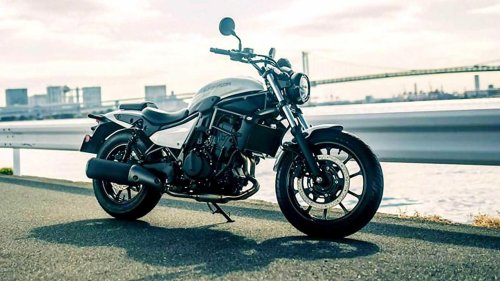
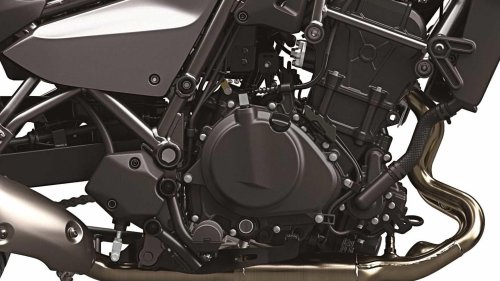
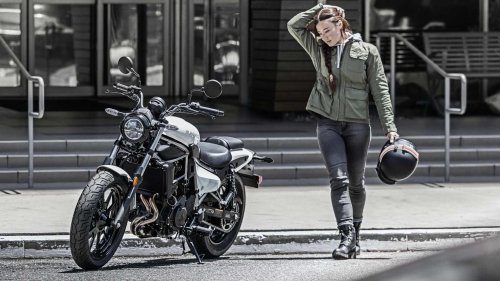
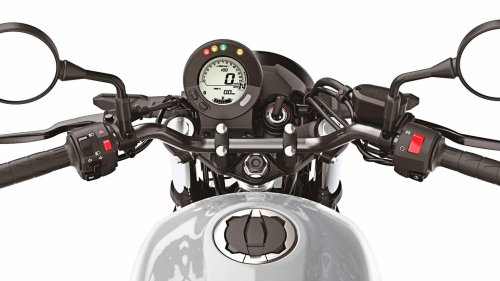
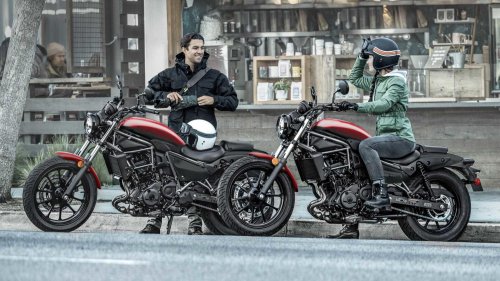
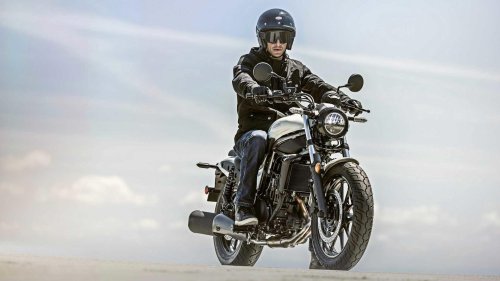



















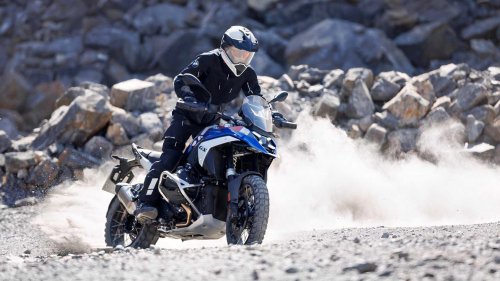
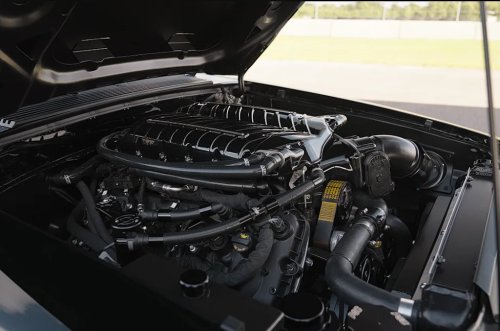
We don't generally associate cruiser motorcycles with athletic appeal. Power cruiser bikes add a sporty edge, which isn't surprising, since this sub-segment is designed for the sole purpose of being engaging and powerful. However, there are a select few cruiser bikes that share components with performance motorcycles, such as naked bikes and even sportbikes. This fusion instills a surprisingly high level of athleticism in a cruiser bike's body. A less popular Kawasaki cruiser bike takes the spotlight, surprising us the most with its nimbleness and untapped sporty appeal. Cruisers Are Mostly Lazy-Handling Motorcycles Harley-Davidson Cruiser bikes are designed mostly for relaxed highway cruising rather than nimble handling. The "lazy" handling characteristic results from specific physical geometry, substantial weight, and a focus on straight-line stability. The high rake and trail angles are in place to extend the wheelbase and improve the relaxed rider triangle.BMW Motorrad Its increased trail makes cruisers behave like shopping-cart wheels that naturally track straight. This adds to its stability at highway speeds. But it also contributes to its sluggishness to turn. Its hefty mass, often ranging from 500 to over 900 pounds, makes it difficult to make quick direction changes.Ryne Swanberg / Indian Motorcycles A lower center of gravity also contributes; it creates a pendulum effect, making the cruiser bike feel wonderfully planted and stable in a straight line, but resists quick, side-to-side transitions. The forward-set footpegs and wide, pulled-back handlebars also work against a nimbler handling character. But Some Do Offer Nimbler Handling Harley-DavidsonPower cruisers are a sub-segment that focuses on providing nimbler riding dynamics. This is done by modifying various components. The weight is centralized to keep the center of gravity low, which makes the bike feel lighter in side-to-side transitions than its actual weight would suggest.Indian Motorcycle The steering geometry is tighter, mimicking sportbikes, allowing for much quicker steering and turn-ins. The use of high-performance components such as lighter alloy wheels, super-sport-grade brakes, and stiffer springs helps reduce unsprung mass and makes quicker turns more stable. Notable examples include the Harley-Davidson Low Rider S and the Indian 101 Scout.Ducati However, these modified options still have restrictions. Cruiser motorcycles that surprise us with their sporty side and nimble handling are those that share underpinnings and even engines with more engaging motorcycle styles, including sportbikes. Prime examples of this lot include the Ducati Diavel V4 RS, the Harley-Davidson Sportster S, and even the Honda Rebel 1100. Some Entry-Level Cruisers Are Surprisingly Athletic CFMoto We don't expect motorcycle makers to pair sportbike-grade underpinnings with comfort on entry-level cruisers. But there are a few surprises here. The $5,799 CFMoto 450CL-C is a new entry to this list. It shares its engine and underpinnings with the CFMoto 450SS sportbike. The engine, brakes, safety features, and electronics are shared. These, when coupled with a compact and lightweight form factor, elevate its athletic appeal.Kawasaki Another popular example is the $7,649 Kawasaki Vulcan S, which utilizes the same engine, transmission, and brakes as the Ninja 650 sportbike. While the chassis and other components aren't shared, Kawasaki has still designed those to complement the sportbike-derived character. This is what contributes to the Vulcan S's nimble nature.However, there is yet another Kawasaki cruiser bike, more affordable and street-friendly, that surprises with its nimble nature. It shares many of its components, including the chassis, with the Ninja 500 sportbike. The Kawasaki Eliminator hasn't enjoyed the fame it deserves because of the Vulcan S's popularity. The Kawasaki Eliminator Is Surprisingly Athletic In Corners Kawasaki The one major difference between the Kawasaki Eliminator and the other examples mentioned above is the chassis. While the Vulcan S and the CFMoto 450CL-C use cruiser-grade frames, the Eliminator shares its lightweight high-tensile-steel trellis frame with the Ninja 500 sportbike. This contributes significantly to its surprising athletic appeal. Further aiding its nature are sporty yet adaptive ergonomics and a high-revving engine. These elements and more help the Eliminator tackle corners and carve through city traffic with the agility of a sportbike while maintaining the quintessential relaxed cruiser-bike stance. Thanks To Its Combination Of Low Weight, Compact Dimensions, And Sporty Underpinnings Kawasaki The Kawasaki Eliminator has a very low curb weight of under 386 pounds for the non-ABS version. The ABS version weighs marginally more, at 388 pounds. Furthermore, the dimensions are very compact with a wheelbase of 59.8 inches, a rake angle of 30 degrees, and a trail of 4.8 inches. Given its cruiser bike silhouette, the Eliminator has a very accessible 28.9-inch seat height, too. This helps with keeping the center of gravity low. All of these aspects work together to enhance this Kawa's nimbleness without compromising cruiser-grade comfort and stability.Kawasaki While traditional and simple, the suspension setup also plays a role in upholding the Eliminator's sporty character. The 41 mm telescopic front forks with 4.7 inches of travel and twin rear shocks with 3.1 inches of travel offer a balance of comfort and stability for peppy, engaging rides. This Kawasaki cruiser bike also gets lightweight cast-alloy 18-inch front and 16-inch rear wheels to reduce unsprung mass. Braking duties are taken care of by a 310 mm disc coupled to a twin-piston caliper up front and a 220 mm disc coupled to a single-piston caliper at the rear. Clever Ergonomic Feature Helps Dial Up Its Versatility Kawasaki Kawasaki equips the Eliminator with its famed Ergo-Fit system. This essentially modifies the rider triangle by offering different handlebars, seats, and footpegs to help riders of varying heights adjust it. Furthermore, regardless of the Ergo-Fit setup, the upright riding stance remains unchanged. Also, unlike traditional cruiser bikes, the rider doesn't sit with the feet forward on the Eliminator. It uses a neutral layout, with the pegs positioned directly under the rider. This helps with easier direction changes. A Sportbike-Derived Engine Complements Its Nimbleness Kawasaki Kawasaki shares the Eliminator's engine with the popular Ninja 500 sportbike. The 451 cc, liquid-cooled parallel-twin mill produces 51 horsepower at 10,000 RPM and 31.7 pound-feet of torque at 7,500 RPM. Kawasaki has tuned this mill to behave like a cruiser bike, with punchy low-end torque.Kawasaki This mill's high-revving performance is retained to an extent, too. This helps the Eliminator have a versatile performance curve. Power is sent to the rear wheel via a six-speed manual and chain final drive. It also gets a standard slipper clutch for added lightness to the clutch pull. Blends Neo-Retro Styling With Barebones Technology Kawasaki The Eliminator's design is custom-inspired with chopped fenders, minimal bodywork, and blacked-out components, including the engine and wheels. Despite not having a V-twin or a traditional downtube frame, the engine section remains exposed, with visible trellis frame components. This mimics the design language of a big-twin, where a V-twin is prominently showcased.Kawasaki Its minimal front fascia design, with a circular headlamp assembly, adds to its neo-retro visual appeal. As for the technology features, they're barebones, and that isn't a bummer, as it simplifies this entry-level cruiser bike for newbies. Notable features include LED lighting throughout, an LCD instrument panel with a bar-style tachometer, and smartphone connectivity via the Rideology app. 2026 Kawasaki Eliminator: Pricing And Models Starts From Under $6,500 And Comes In Two Models Kawasaki The Kawasaki Eliminator starts from $6,499 for the non-ABS model. The ABS model has a bumped-up price tag of $6,799. Kawasaki also offers a more stylish trim level—the $7,099 Eliminator SE ABS. It is only offered in a single ABS-equipped trim level, as the name suggests.Kawasaki Making it a more desirable package than the base model are features such as a dual-tone paint job in Metallic Imperial Red and Ebony, a color-matched headlight cowling, and an aesthetic flyscreen. The front suspension also gets bellow gaiters. The powertrain, hardware, and technology features are unchanged here.Source: Kawasaki