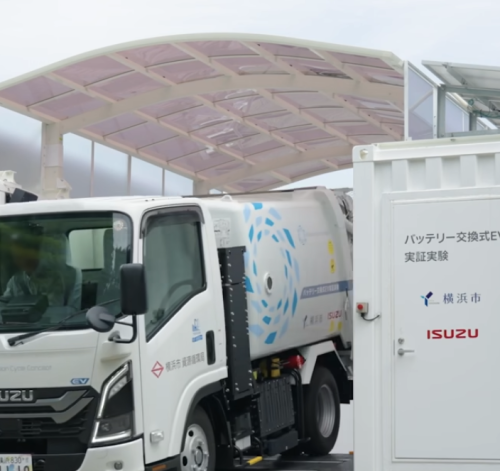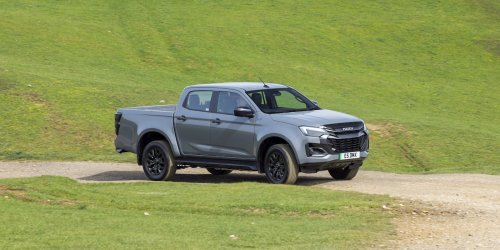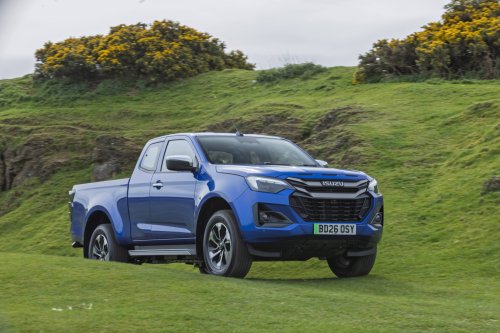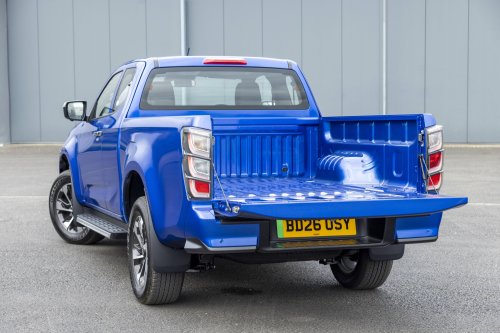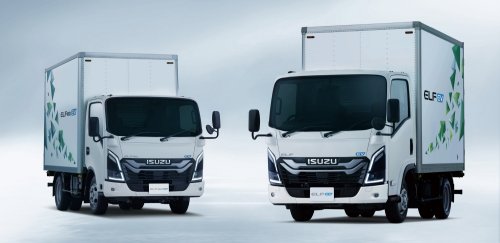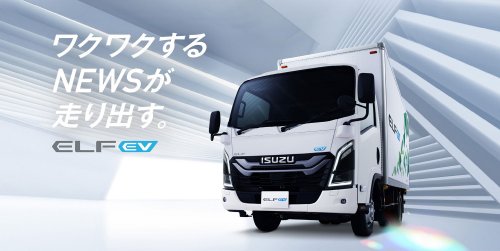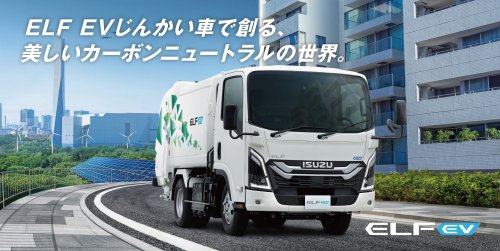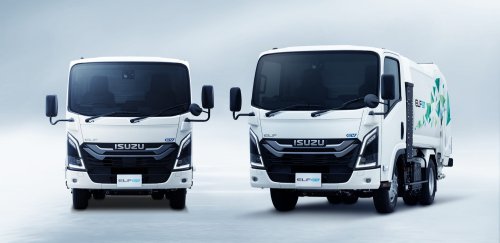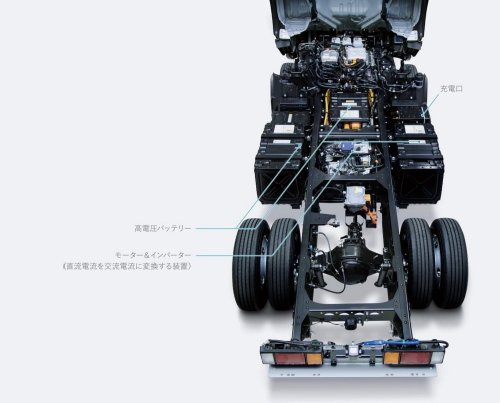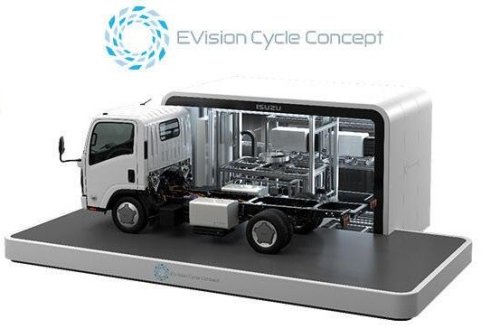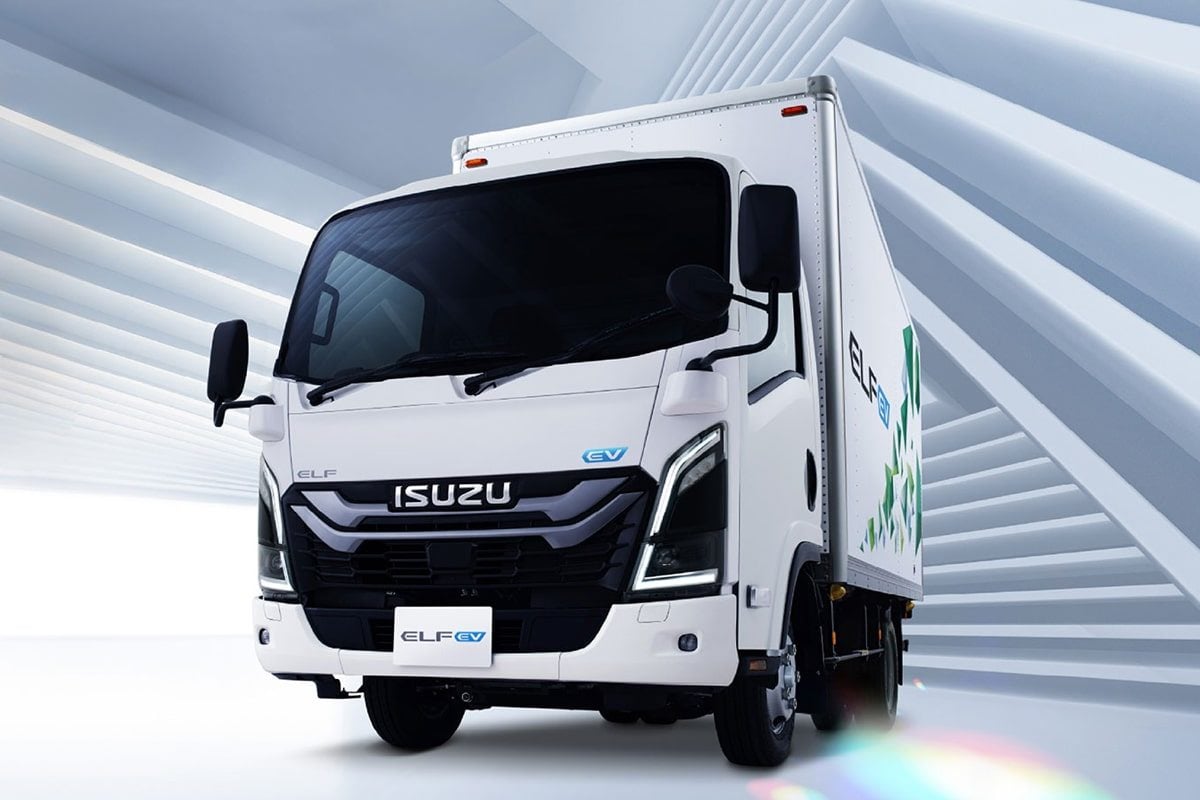


















The Isuzu ELF EV in its battery-electric version (symbolic image)Image: IsuzuThe new vehicle will be based on the Isuzu ELF EV model, a battery-electric truck available with a gross vehicle weight rating of five or 7.5 tonnes. The 7.5-tonne variant is equipped with a battery of up to 100 kWh, offering a range of 250 kilometres.Toyota and Isuzu have not yet disclosed specific technical details about the planned hydrogen truck, as their development partnership was only recently agreed. The only confirmed detail is that the vehicle will incorporate Toyota’s third-generation fuel cell system. Production is scheduled to begin in the fiscal year 2027, which starts on 1 April 2027 and runs until 31 March 2028 in Japan.For potential applications, the two companies highlight typical use cases for light commercial vehicles in this weight class, such as deliveries to supermarkets, grocery stores, and other outlets supplying daily essentials. “In many cases, these vehicles are equipped with refrigeration or frozen storage capabilities and make multiple deliveries per day, requiring long operating hours and being driven long distances. Under such operating conditions, quick energy replenishment is essential to maintaining operational efficiency,” Toyota stated. For these high-utilisation applications, fuel cell electric vehicles (FCEVs), which use hydrogen as a high-energy fuel, represent an effective solution. Compared to battery-electric vehicles, which require lengthy charging times, FCEVs can significantly reduce refuelling time.The development of the lightweight truck will also draw on insights from the joint work on the fuel cell bus set to launch this year. Key focus areas include the complexity of control technologies and system improvements, the durability of fuel cells, and the reliability demanded by commercial vehicles.In identically worded statements, Toyota and Isuzu also addressed another challenge: “One of the barriers to the widespread adoption of FCEVs is the high vehicle price point.” Isuzu aims to reduce vehicle-side costs by optimising the body structure and reviewing manufacturing processes – benefits that will extend to all drivetrain types. Toyota is pursuing similar approaches through innovations in fuel cell design and manufacturing processes.global.toyota, isuzu-global.com