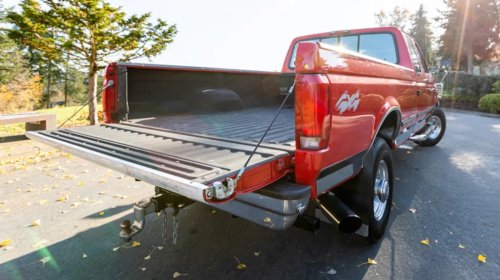
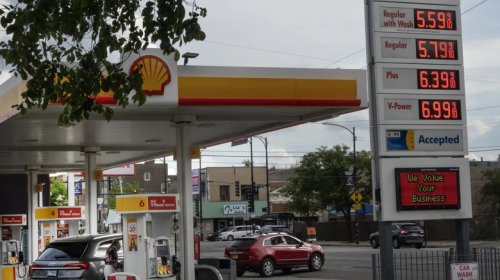
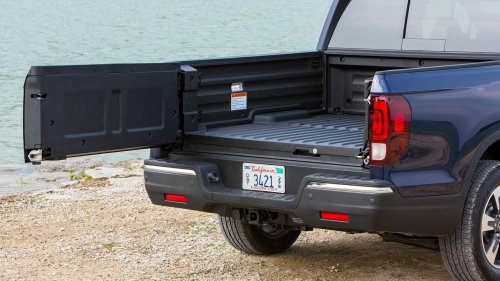
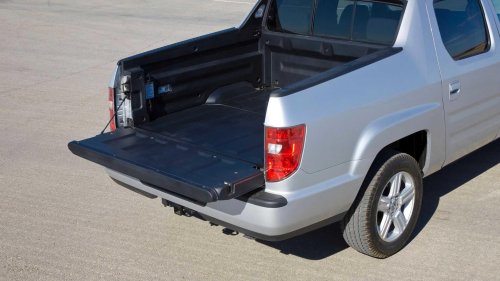
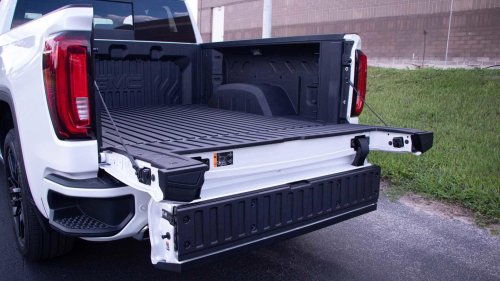
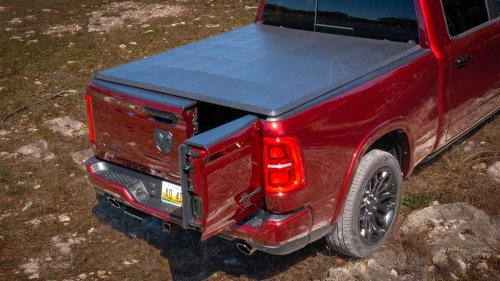
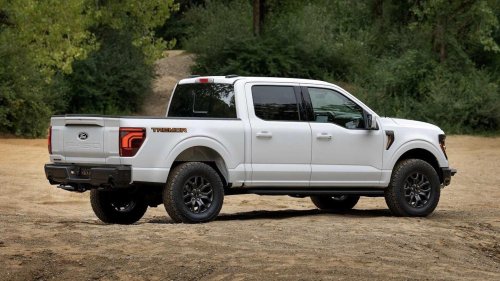
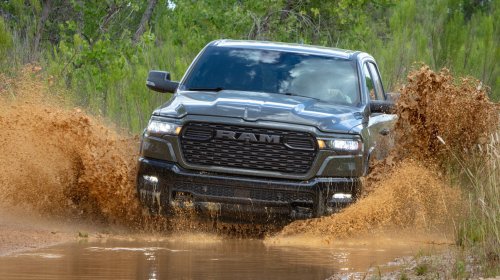
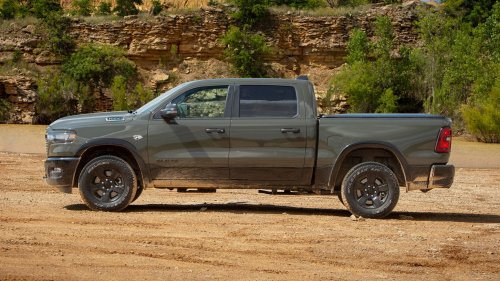
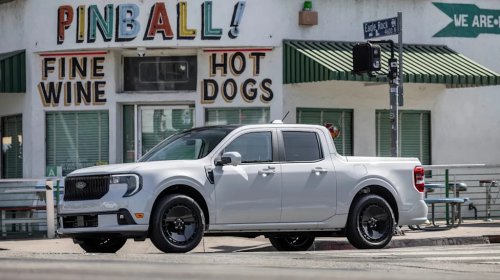
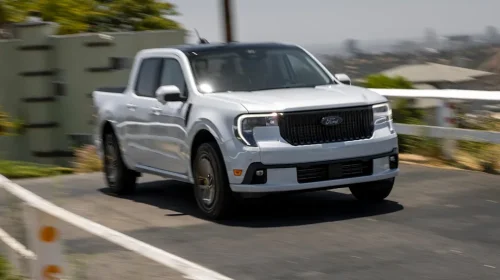
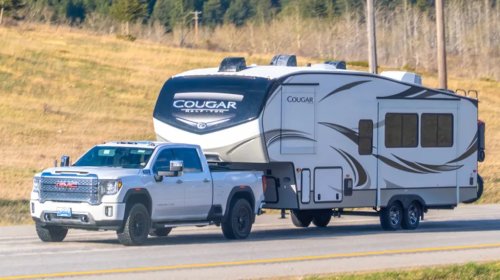
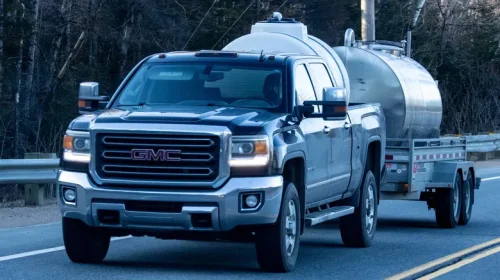
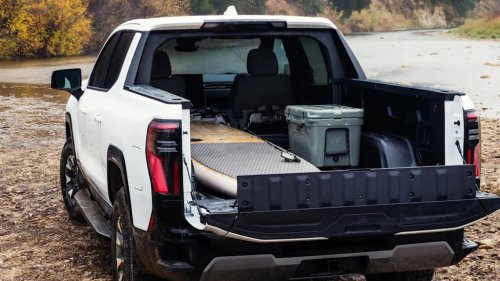
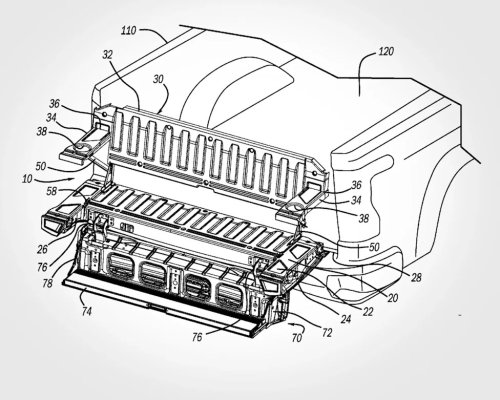
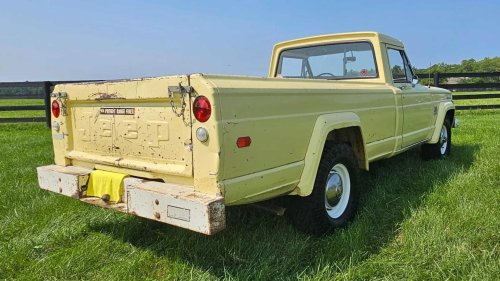
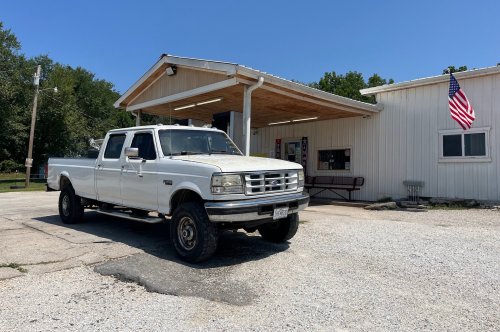
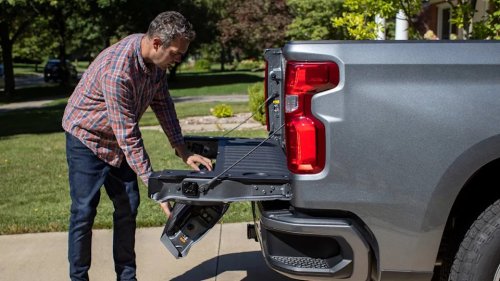
Given how expensive gas is, and the fact that we've seen diesel prices going up even faster, folks may be tempted to try a little unconventional advice for saving money on fuel — like lowering your pickup's tailgate when you drive. Some people might believe dropping the tailgate might somehow improve aerodynamics by making the back of the vehicle more streamlined or even acting. But they'd be wrong. When the tailgate can act as sort of a spoiler is when it's in a locked and upright position. Then it traps air in the bed, but in a way that goes to your advantage. This trapped air works like a tonneau cover, and some suggest that a tonneau cover really can save you money on gas by improving a truck's aerodynamics. Even without a tonneau, however, the trapped air in the cargo box forms a relatively stable bubble of high pressure, acting as a barrier to prevent additional wind flowing over the top of the truck into the bed. As a result, that airflow can take a smoother course on its way rearward. It's not necessarily a huge difference, but for every .001 improvement in a fullsize pickup's coefficient of drag, fuel economy can increase by 0.1 mpg. What difference does tailgate position have in the real world? The team at Consumer Reports analyzed tailgate position back in 2013, and while that means the numbers aren't exactly new, it doesn't matter for physics. And what do those numbers show? Driving a V8-powered Ram pickup 65 mph on the highway with its tailgate up led to an observed fuel-efficiency rating of 22.3 mpg. Opening the tailgate then reduced fuel economy by about 4%, to 21.5 mpg. It's also worth pointing out that another study from 2004, presented by the National Research Council of Canada, additionally reported that lowering/removing the tailgate from a pickup can increase a particular form of drag, lift, by 60%. Again, though, the reductions in performance were noticeable, but not particularly large. Even the Mythbusters have gotten in on the action, albeit in their own unique way: For an episode that aired in 2005, they filled up the tanks on two identical Ford F-150, one with its tailgate up, one with the tailgate down, and drove them on identical routes until they completely ran out of gas. The outcome saw the truck with the tailgate closed go 30 miles further than the one with its tailgate open. At 20 mpg, that's a gallon and half of gas you save, representing about $6.45 at today's national average price per gallon. Just remember that there are plenty of other ways to make your truck more efficient as well, whether you're changing the driving habits that harm fuel economy or changing your oil filter.



















 +8 others