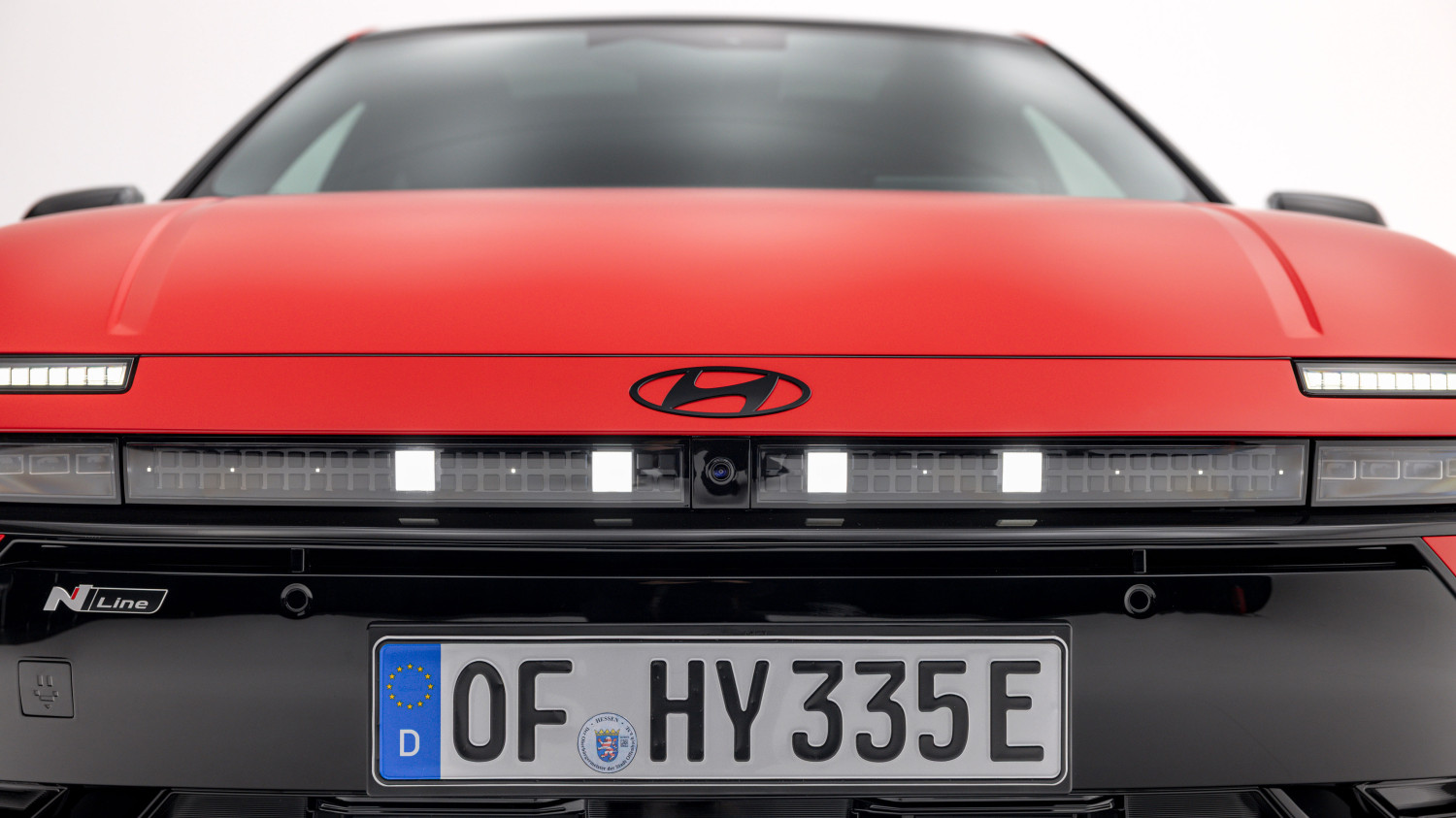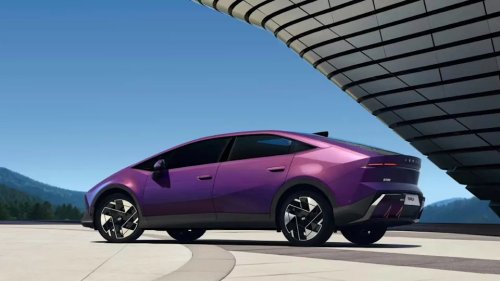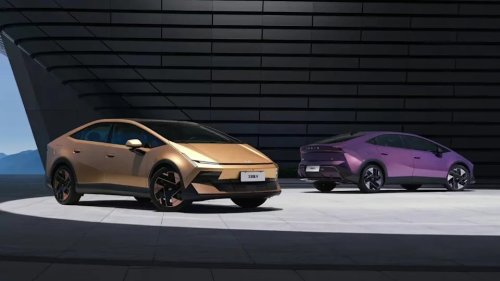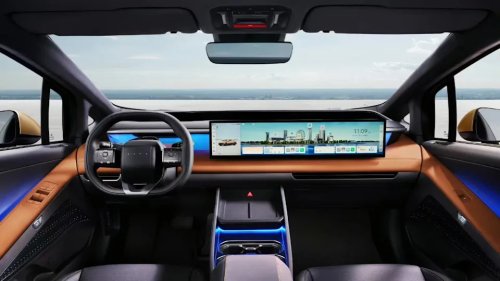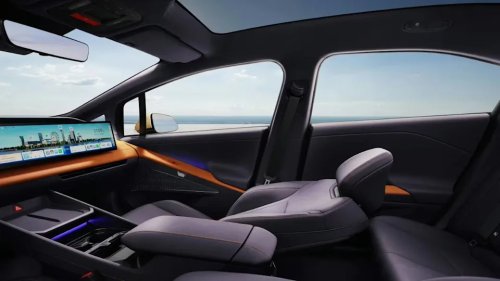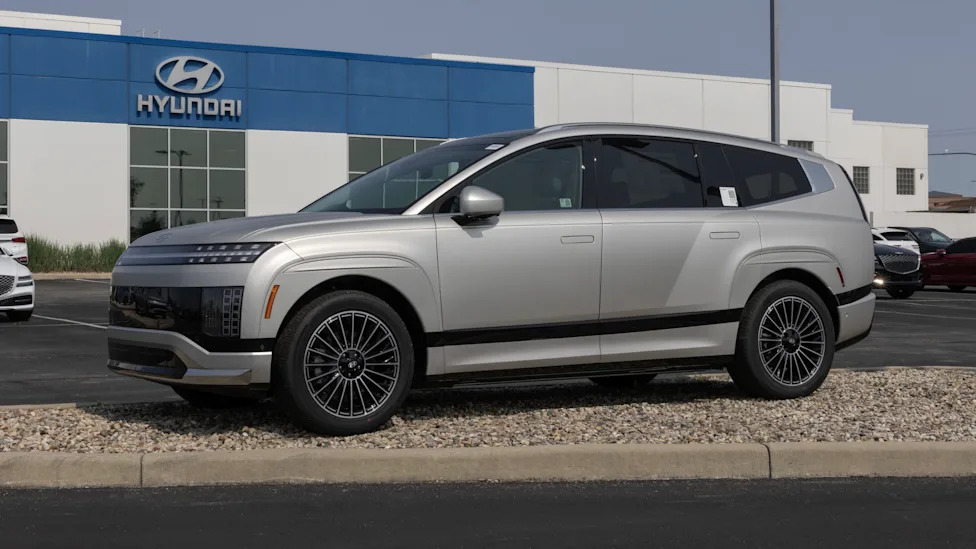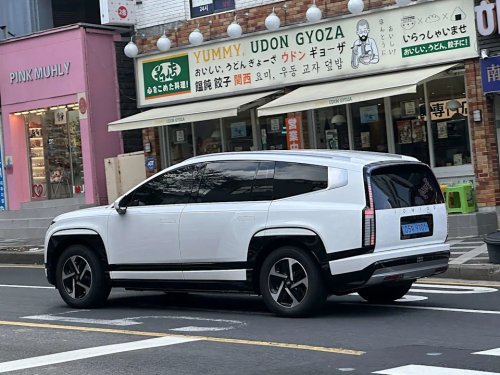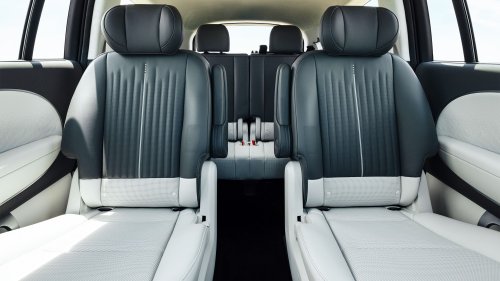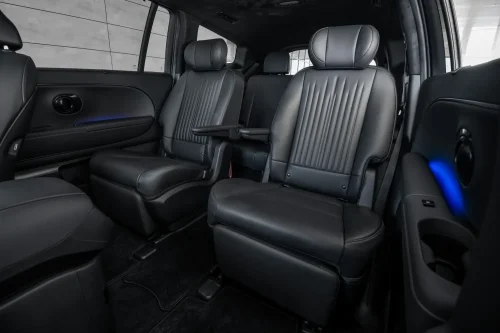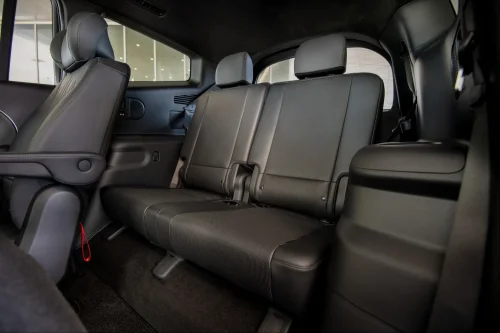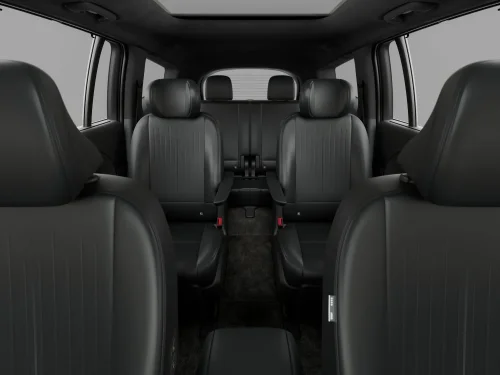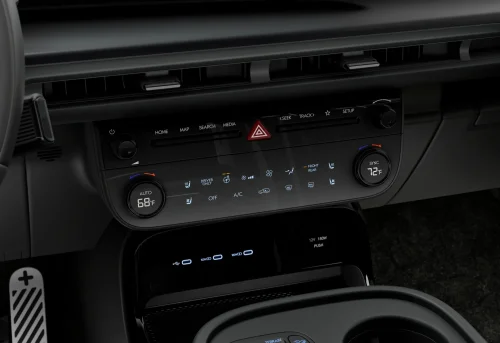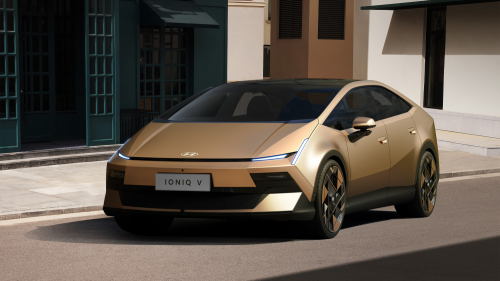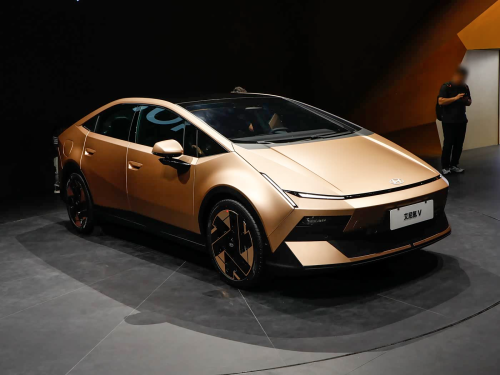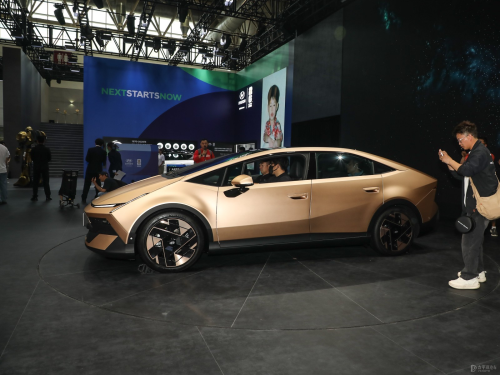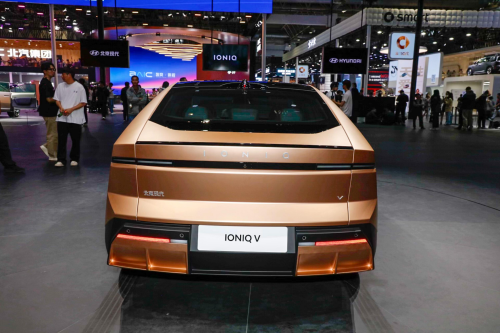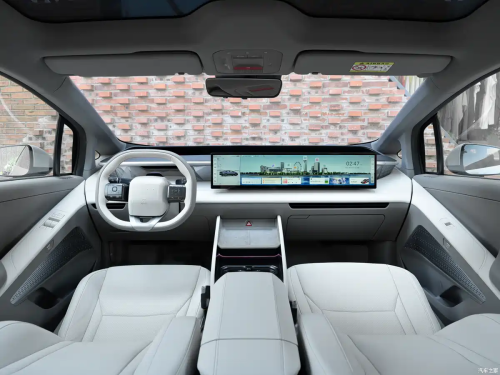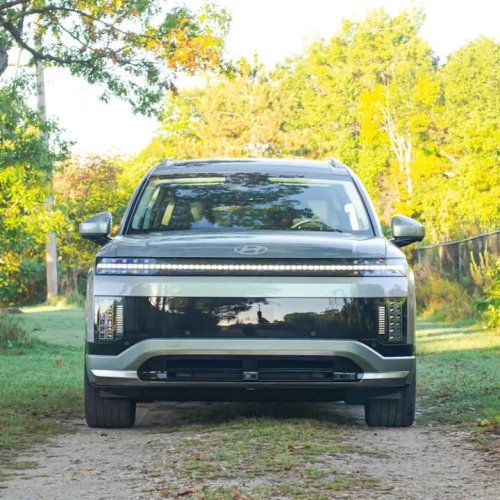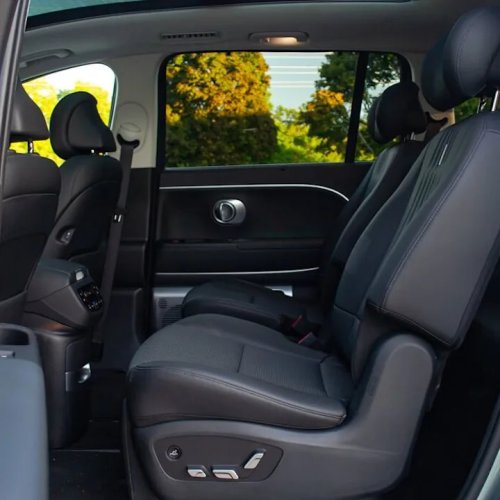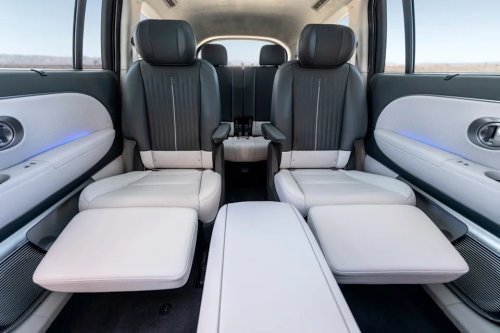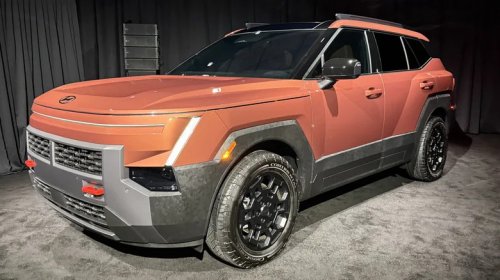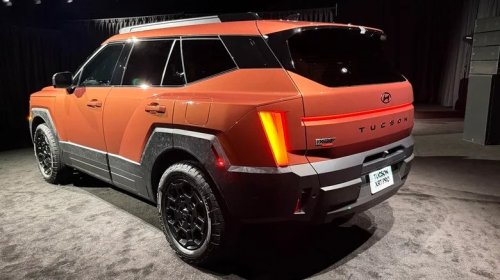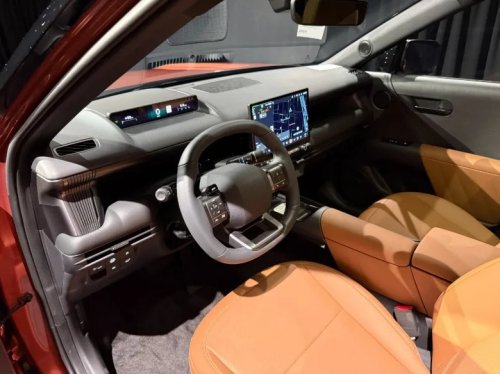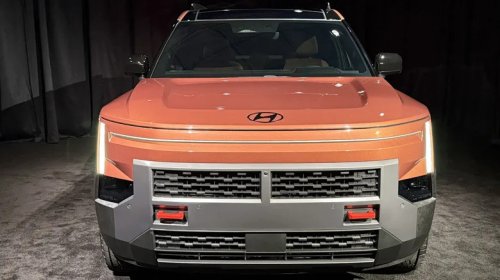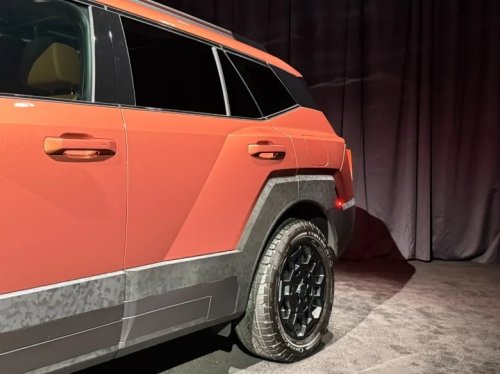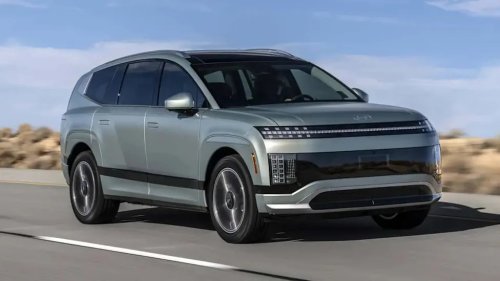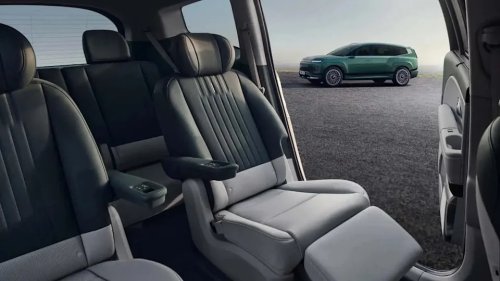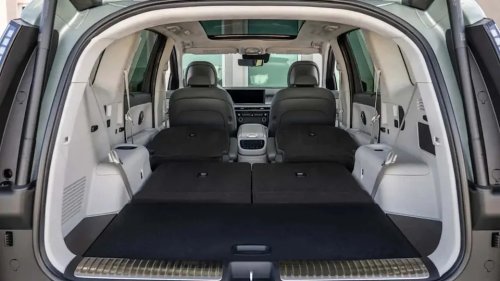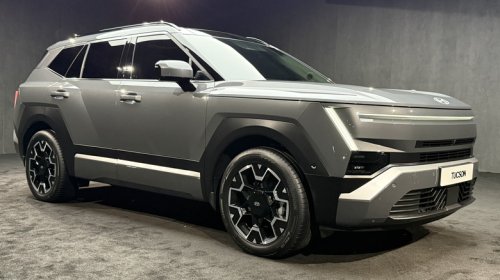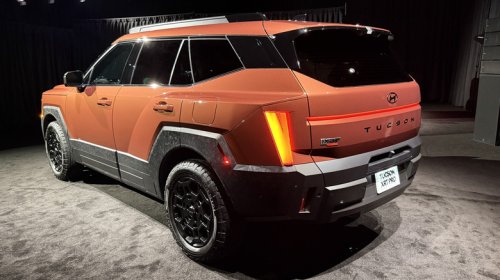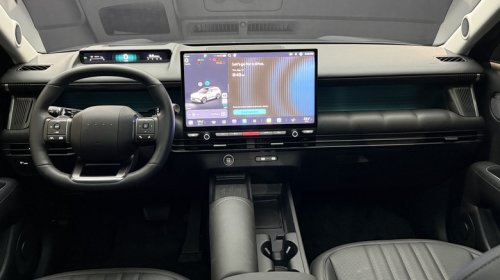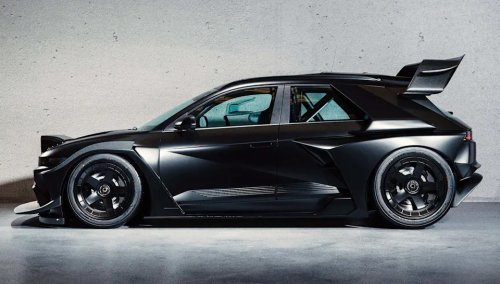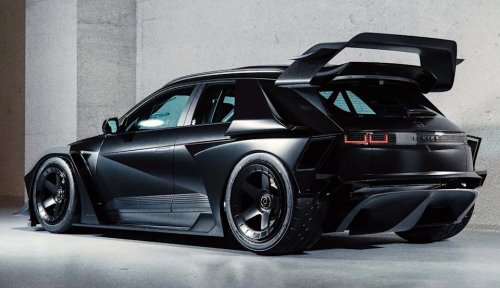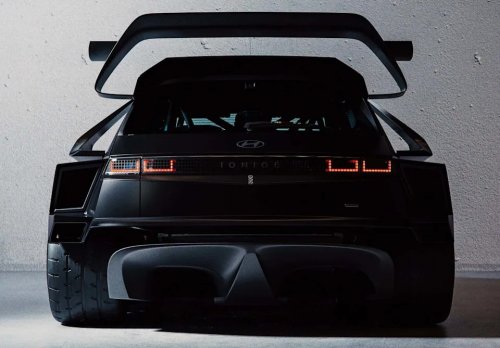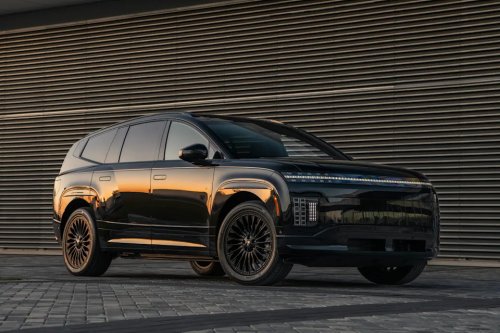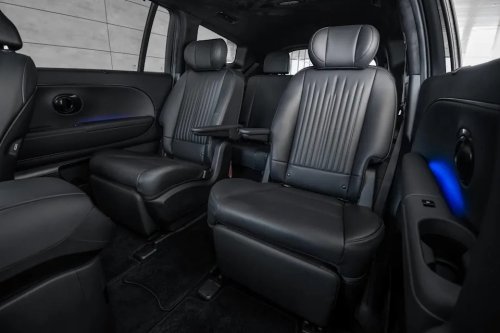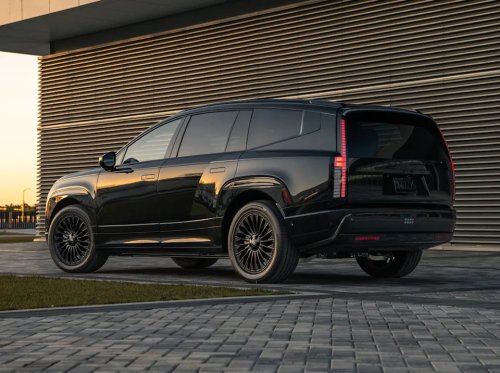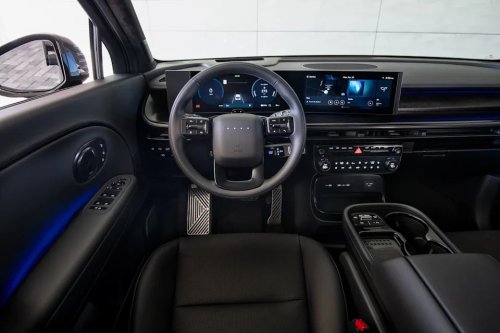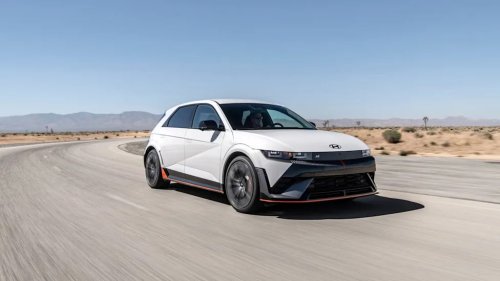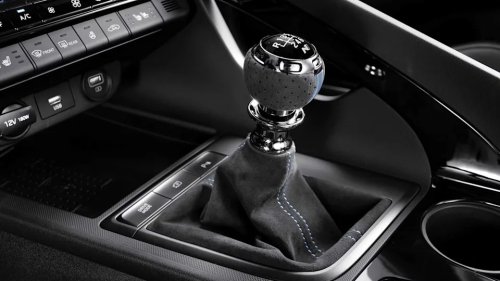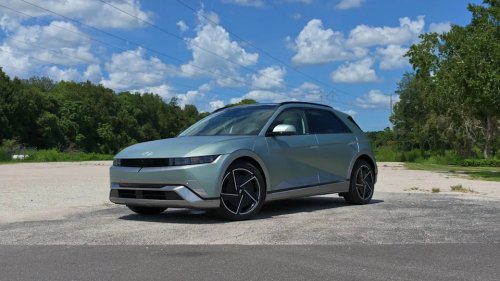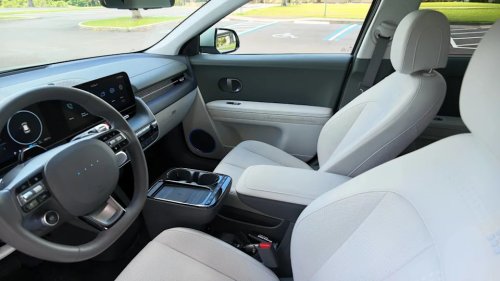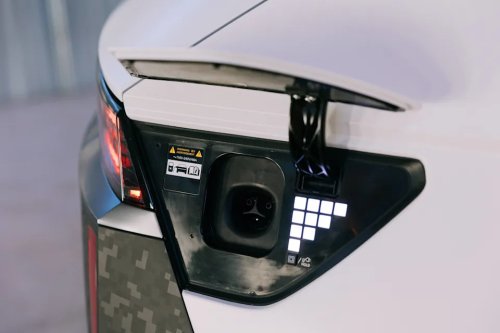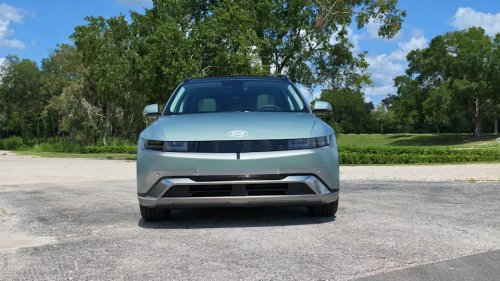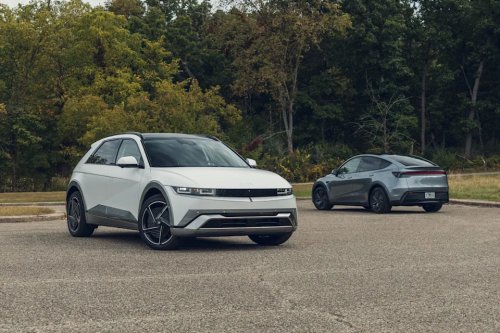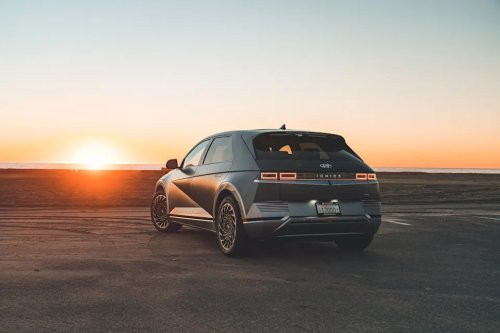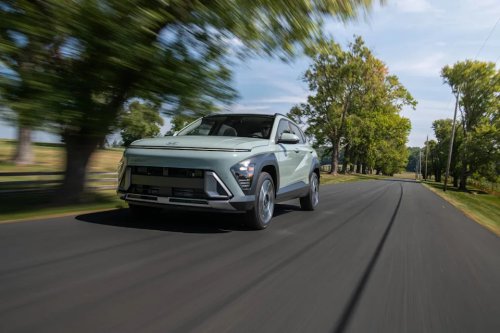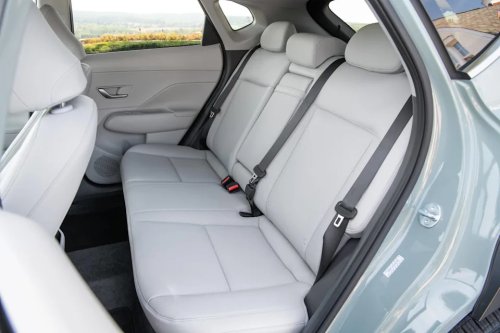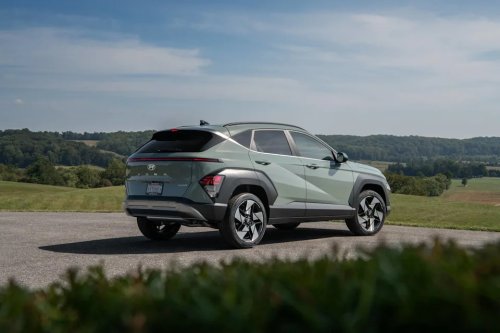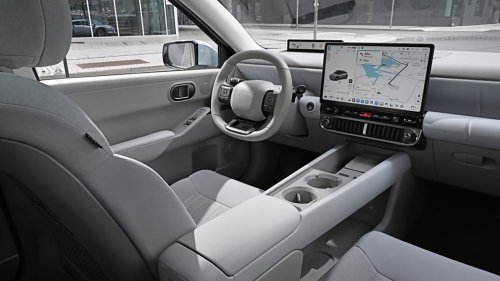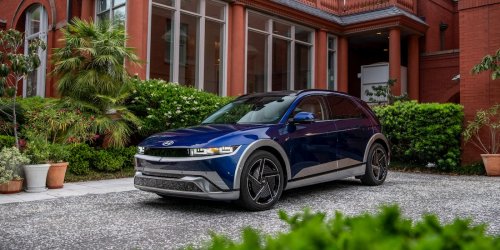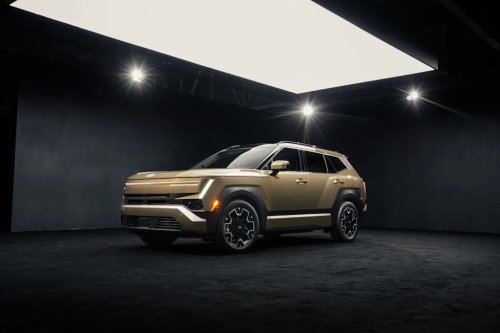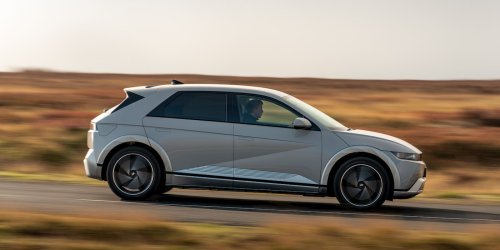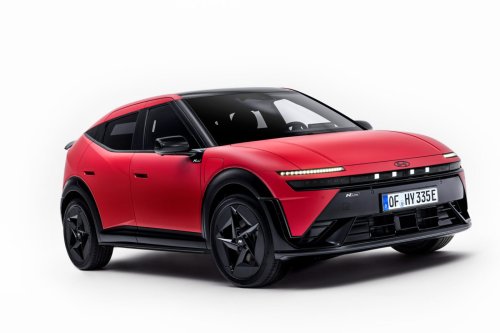
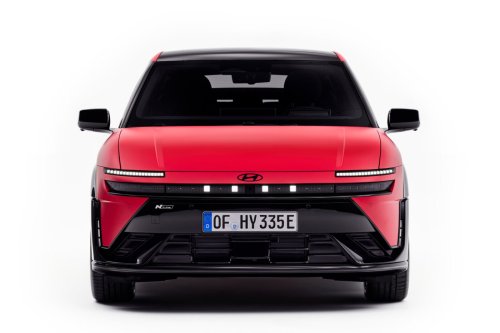
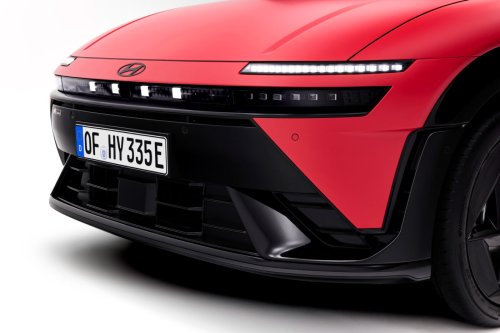
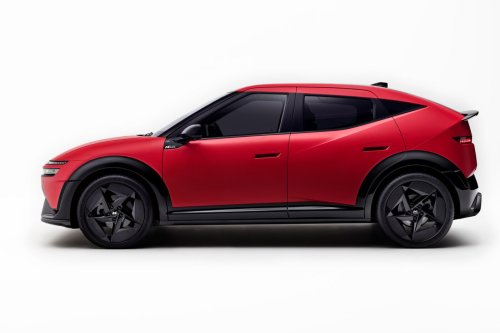
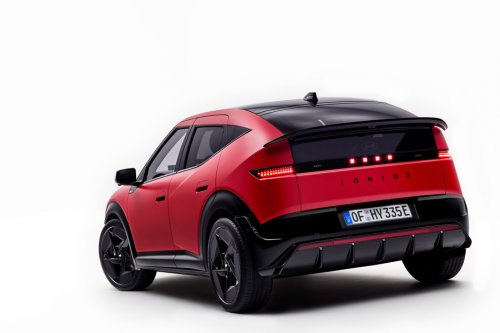
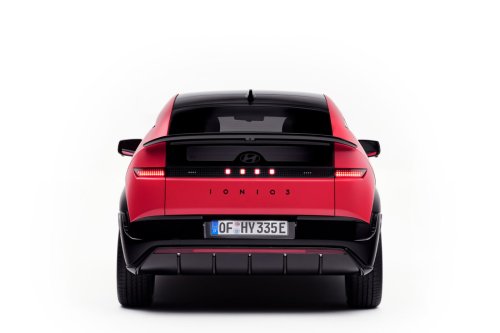
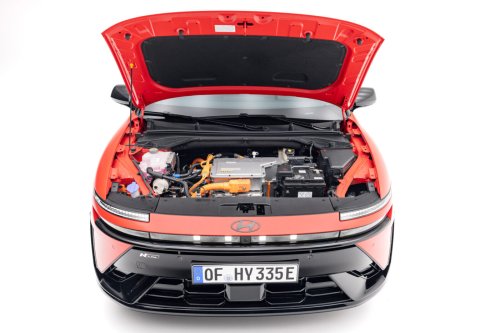
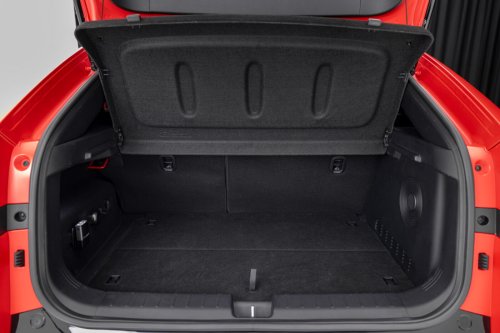
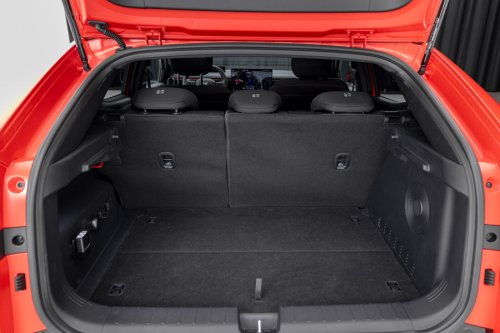
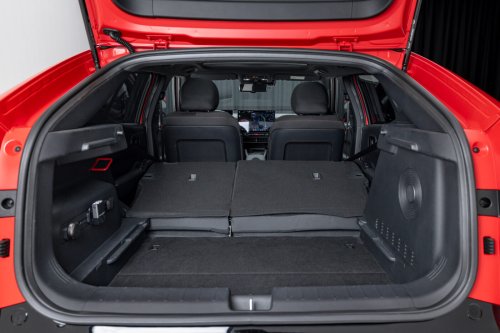
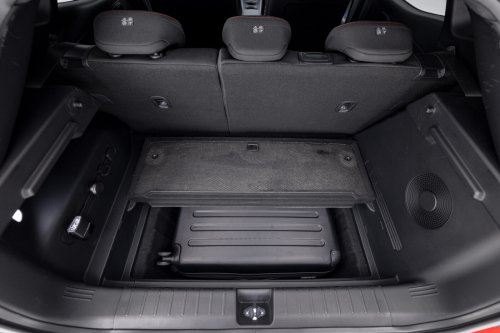
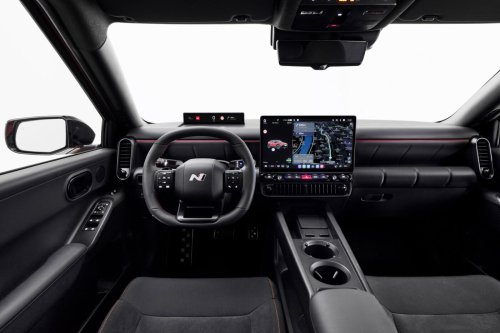
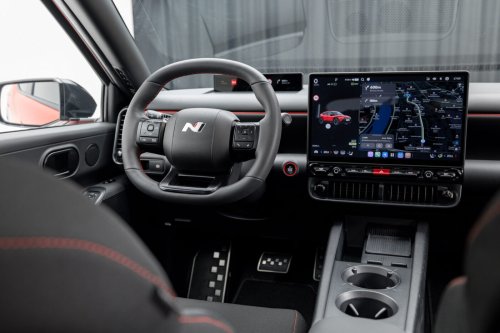
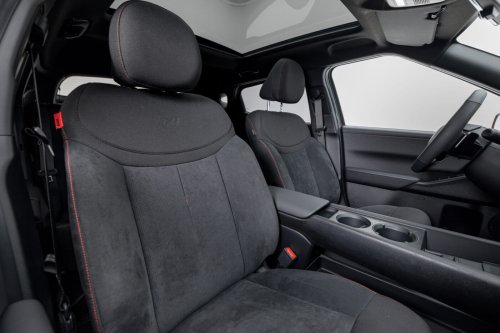
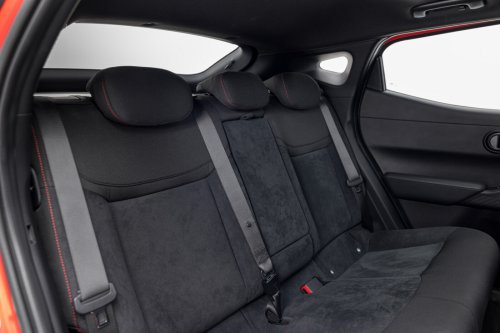
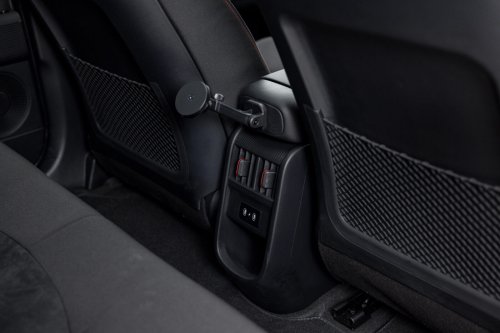




















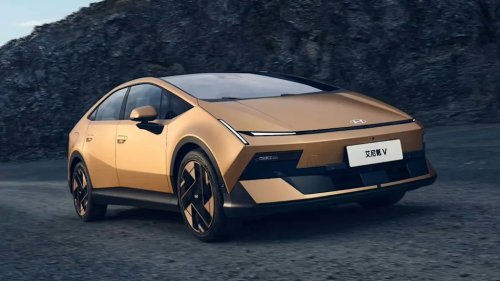
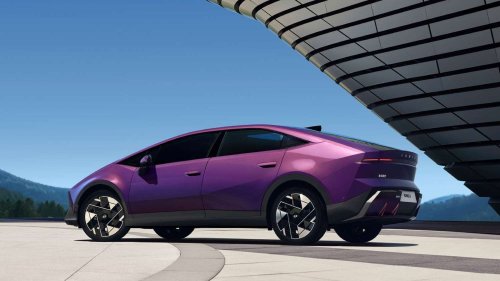
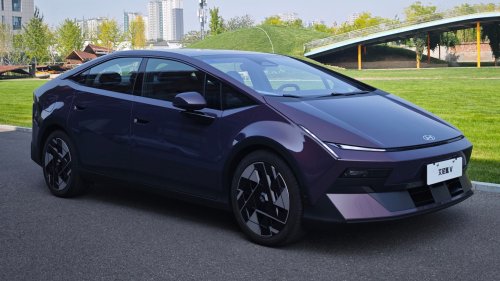
Image: HyundaiHyundai Motor Company positions the new Aero Hatch body style as a silhouette that combines aerodynamic efficiency with generous interior space. The Ioniq 3 aims to outperform the Kia EV2 in aerodynamics and efficiency without compromising practicality.While the Kia adopts a more angular design, including a sharply sloping rear window, the Ioniq 3 follows a different concept. Its low, streamlined front transitions into a roofline that runs straight over both front and rear occupants before tapering towards the rear and flowing into the spoiler. This layout maximises cabin space and provides rear passengers with increased headroom and improved comfort.The Ioniq 3 adopts Hyundai Motor Company’s ‘Art of Steel’ design language, already seen across other models in the line-up. The design reduces surfaces to a few clearly defined volumes, creating a precise and striking visual effect inspired by the natural properties of metal. The model also features the brand’s signature pixel lighting. The frequent use of four pixels is intentional, as four dots represent the letter ‘H’ in Morse code—effectively replacing the Hyundai logo.Hyundai designed and developed the Ioniq 3 primarily in Germany, at its development centre in Rüsselsheim, although the global E-GMP platform in its 400-volt configuration defines many technical parameters. The company plans to build the model in Europe as well, at its plant in Izmit. Image: Hyundai Image: Hyundai Image: Hyundai Image: Hyundai Image: Hyundai Image: Hyundai Image: Hyundai Image: Hyundai Image: Hyundai Image: Hyundai Image: Hyundai Image: Hyundai Image: Hyundai Image: Hyundai Image: Hyundai Image: Hyundai Image: Hyundai Image: HyundaiAs the platform is the same, the key specifications for the electric drivetrain are unsurprisingly similar to those of the EV2. There are two battery sizes: 42.2 kWh in the ‘Standard Range’ and 61 kWh in the ‘Long Range.’ As in the EV2, the smaller battery is paired with a more powerful motor, delivering 108 kW compared to the 99.5 kW in the ‘Long Range’ model.Charging performance is also identical, with peak outputs of 119/110 kW and a charging time of 29/30 minutes from 10 to 80 percent. Hyundai also offers an optional 22 kW on-board charger for AC charging—describing it as a balanced combination of efficiency, range, and charging performance.The difference compared to the EV2 lies in the range: while the Kia achieves 317 kilometres (Standard Range) and 448 kilometres (Long Range), the more streamlined Ioniq 3 extends this to 344 and up to 496 kilometres, respectively. Nearly 500 kilometres of range for a 4.15-metre-long compact car is certainly impressive.Ioniq 3 Standard RangeIoniq 3 Long RangeDrivetrainFWDFWDPower108 kWN/ATop speed170 km/h170 km/hWLTP range*334 km496 kmBattery42.2 kWh61 kWhDC charging power119 kW110 kWDC charging time 10-80%*29 min30 minAC charging power11 kW/22 kW11 kW/22 kWAC charging time 10-100%4:05 h/2:35 h5:34 h/3:00 hV2LYesYesIn terms of dimensions, the Ioniq 3 positions itself slightly above its sibling. At 4.15 metres in length—or 4.17 metres in the N-Line—it is nearly ten centimetres longer than the Kia EV2. Both models share a width of 1.80 metres, but the Ioniq 3 sits seven centimetres lower at 1.50 metres. Hyundai has also extended the wheelbase by nine centimetres to 2.68 metres, bringing it to within nine centimetres of the Volkswagen ID.3.The Ioniq 3 keeps pace with its in-house counterpart on practicality. Hyundai Motor Company specifies a boot volume of 441 litres, compared to 362 or 403 litres in the EV2, depending on the seating configuration. However, the actual boot capacity in the Ioniq 3 amounts to 322 litres. An additional 119-litre ‘Megabox’ sits beneath the load floor and can accommodate a standard carry-on suitcase, effectively splitting the total storage volume across two levels.Inside, Hyundai takes a different direction. While both Korean brands have previously relied on more conventional cockpit layouts with relatively small central touchscreens—an approach also seen in the EV2—the Ioniq 3 adopts a new concept. Depending on the variant, it features a freestanding, tablet-style touchscreen measuring 12.9 or 14.6 inches in the centre. Similar to Tesla, key driving information such as speed, recognised speed limits, and assistance system visualisations appears on the left side of the display. Unlike Tesla, however, Hyundai also includes an additional screen behind the steering wheel, ensuring that essential information remains directly in the driver’s line of sight.The new infotainment system, branded ‘Pleos Connect,’ runs on Android Automotive OS, making the Ioniq 3 the first European model from Hyundai Motor Company to adopt this platform.The system integrates features such as Hyundai Digital Key 2 for keyless access via smartphones or wearables, along with Plug & Charge, a built-in EV route planner, and Vehicle-to-Load (V2L) functionality for both interior and exterior use. Together, these elements aim to streamline driving and charging. Rear passengers also benefit from added convenience, including USB-C ports and a MagSafe holder that allows compatible smartphones to attach magnetically.The Ioniq 3 also offers an extensive range of driver assistance systems for a compact car, including Highway Assistant 2.0 with hands-on detection, Parking Assistant with Remote Control 2.0 featuring a memory function, a 360° camera, and a monitor display for the blind-spot assistant. The rest of the equipment also offers plenty of choices: ventilated seats are available, as well as the ‘Relaxation Seats’ known from other Ioniq models, which can be flattened during charging breaks for a quick power nap. A Bose sound system is also available.However, Hyundai has yet to reveal the price of the Ioniq 3. The EV2 starts in Germany from €26,600, though there are also variants that start at €37,190.Source: Information via e-mail