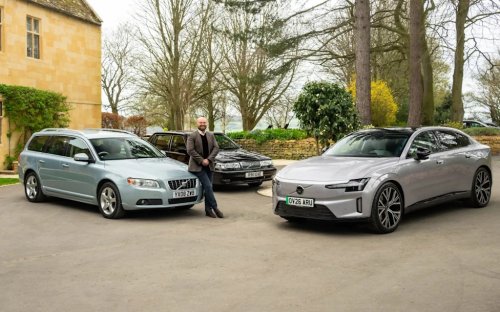
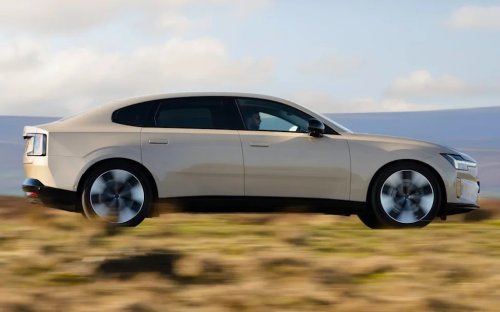
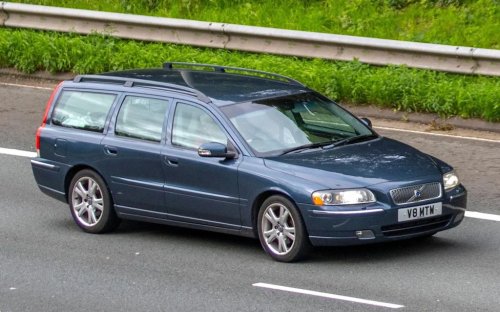
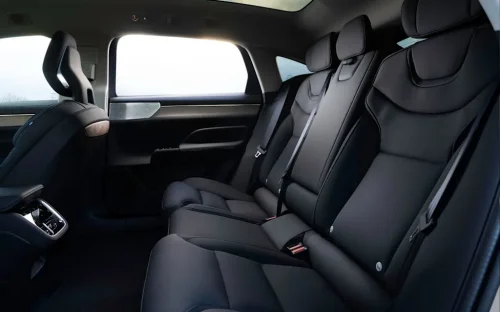
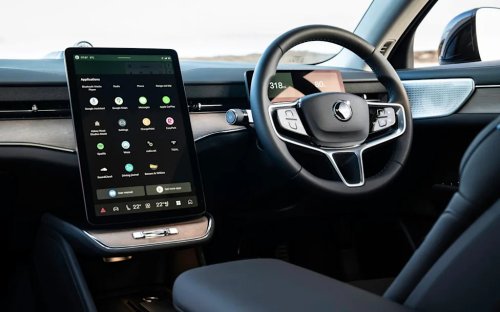
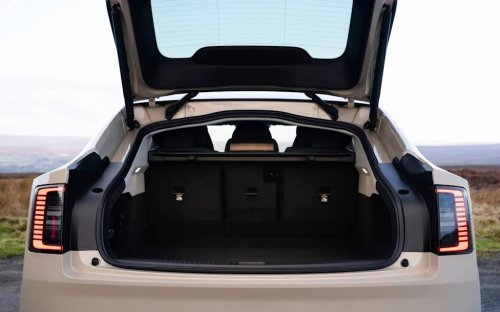
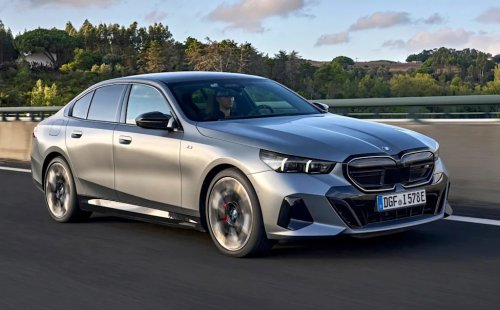
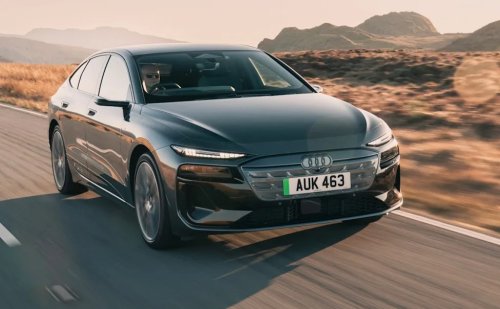
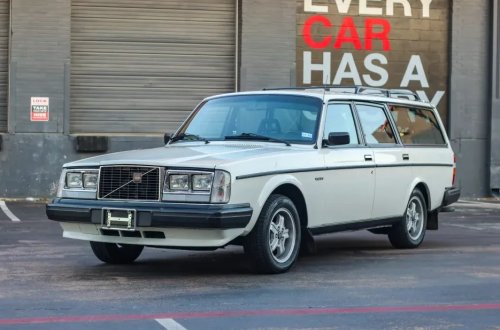
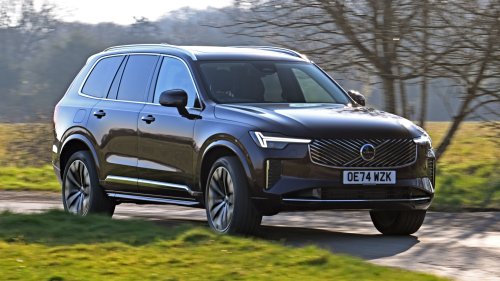
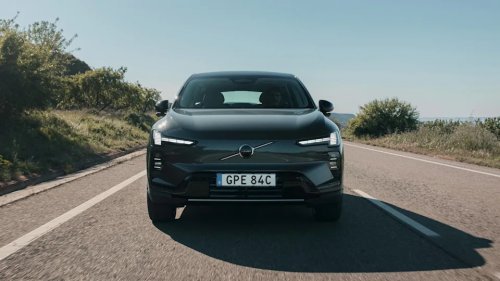
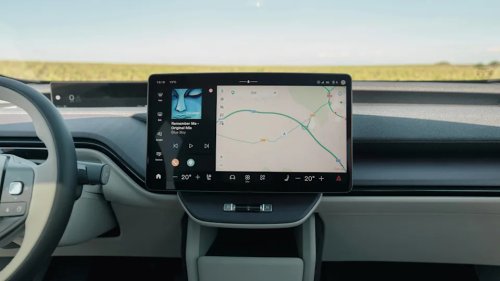
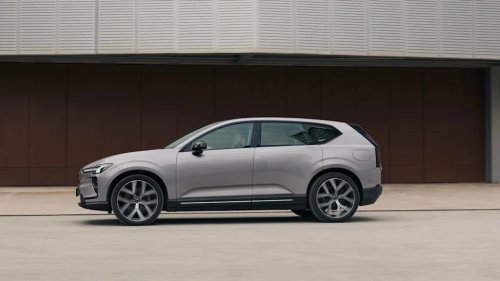
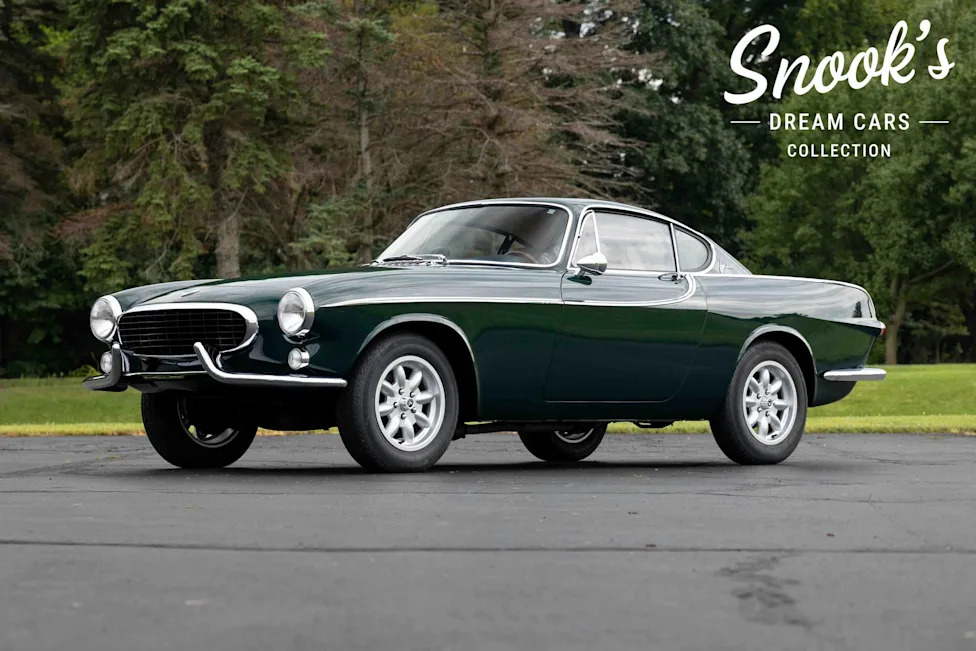
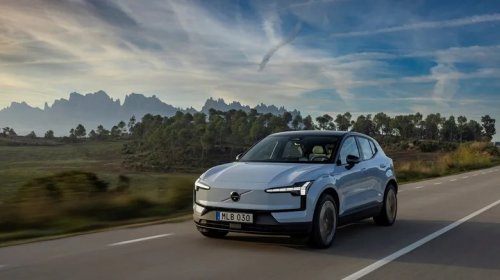
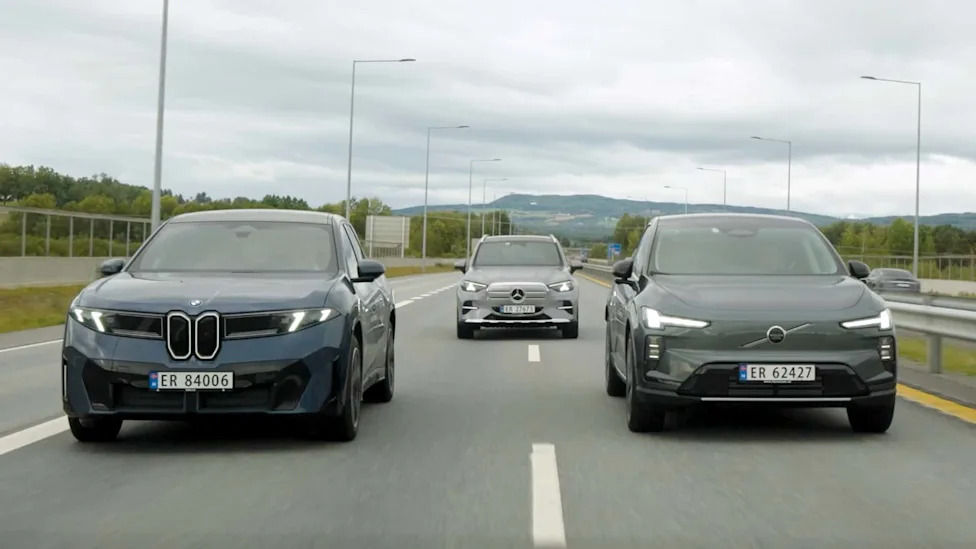
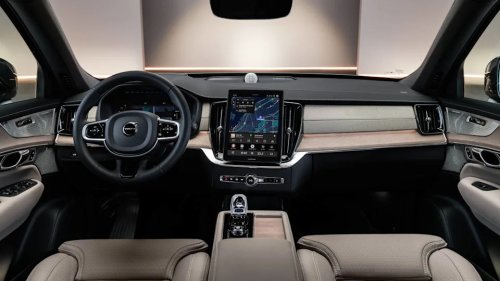
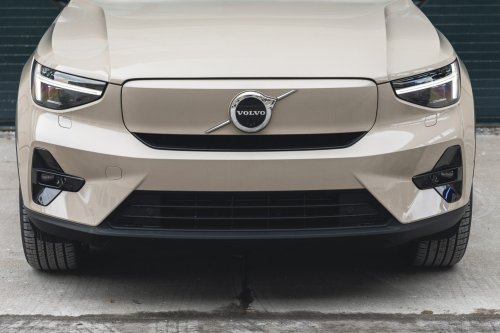
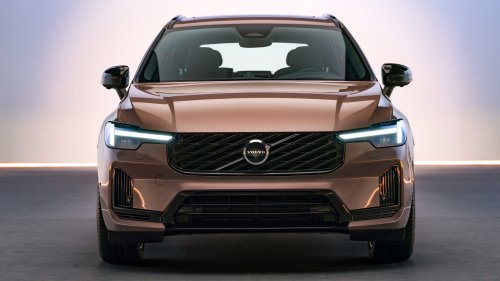
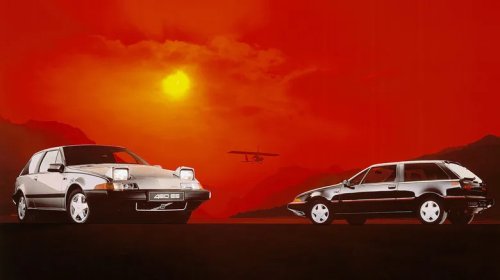
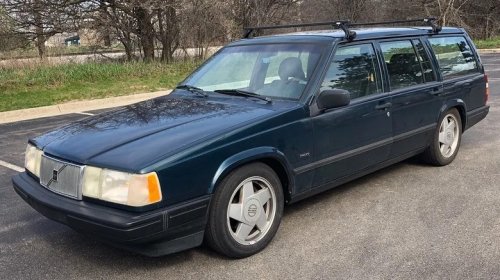
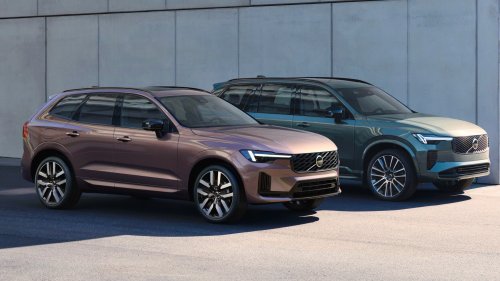
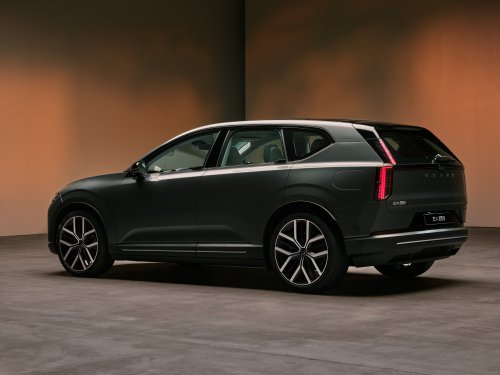
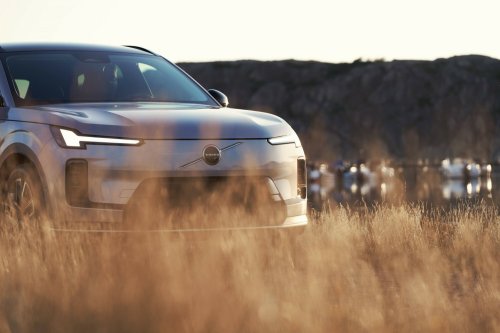
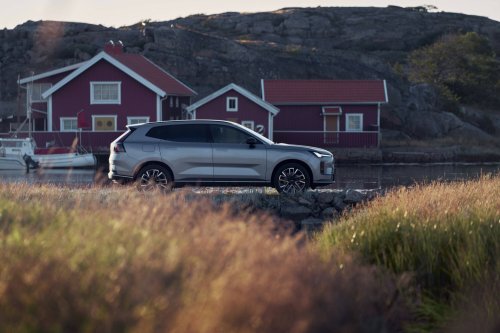
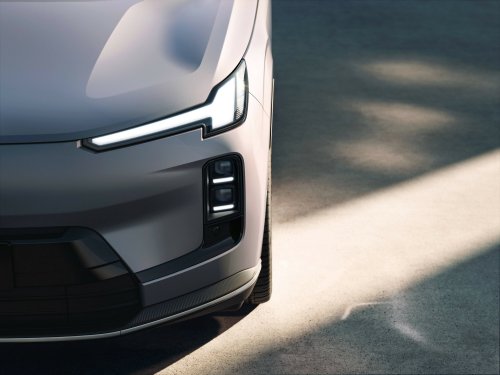
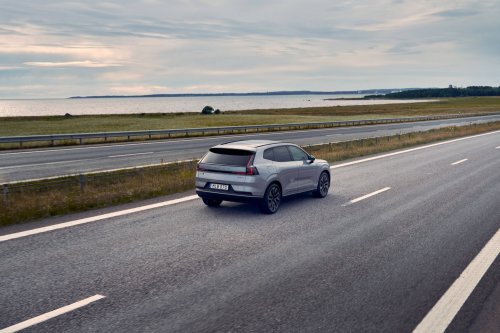
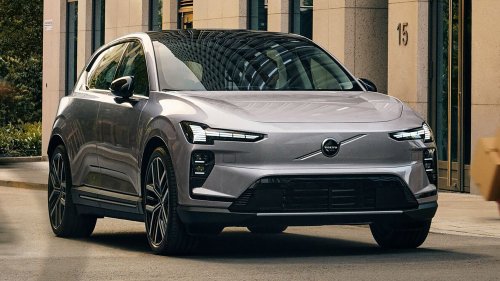
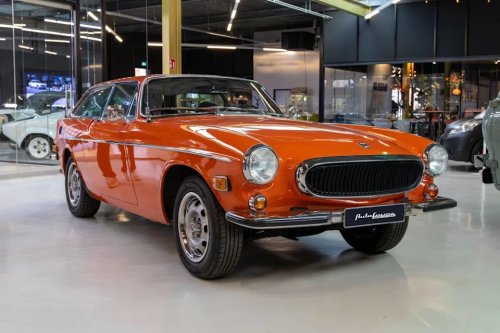
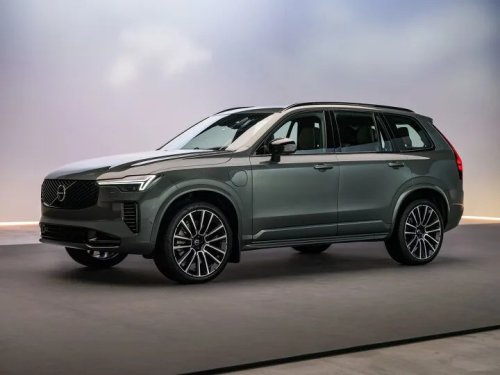
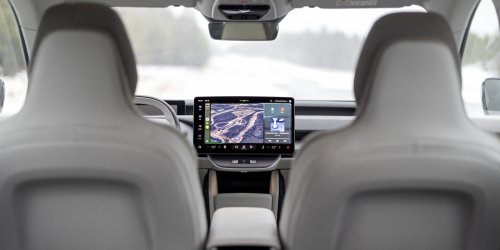
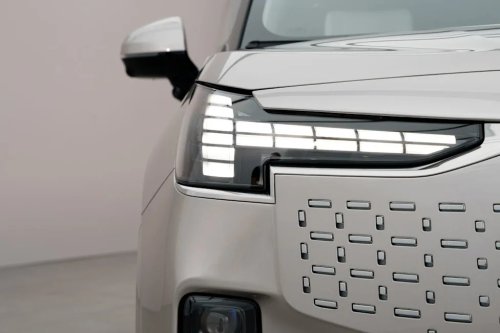
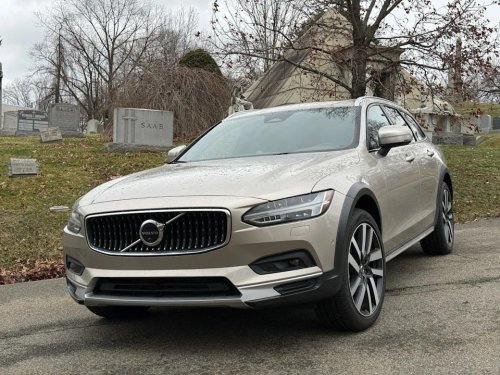
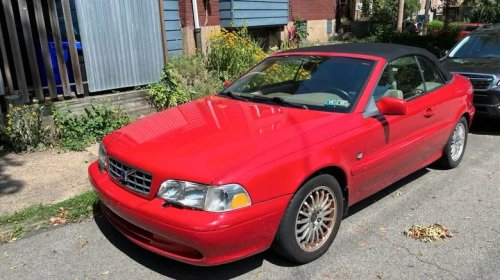
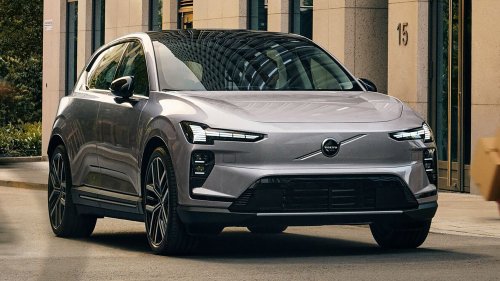
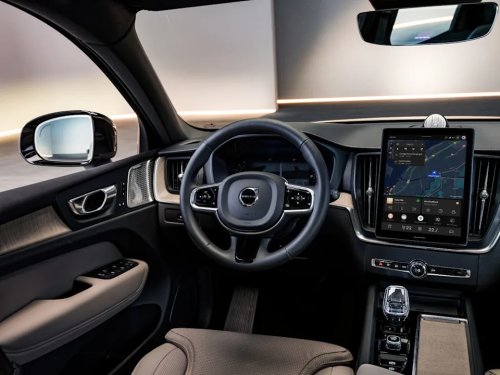
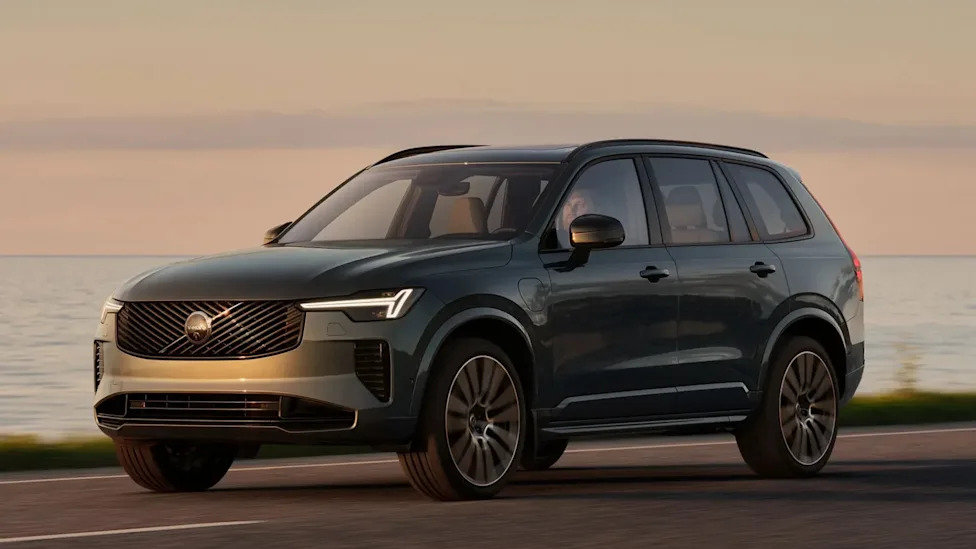
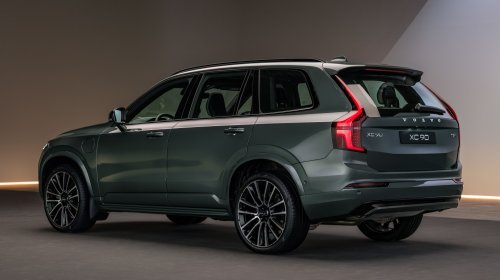
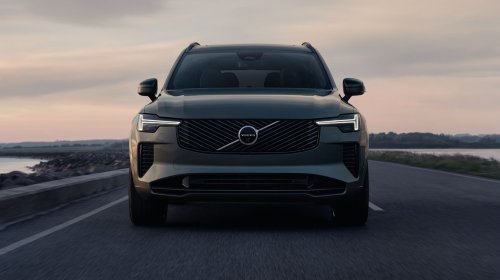
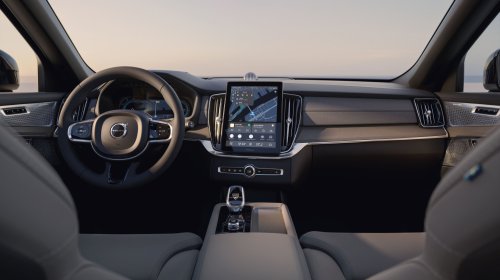
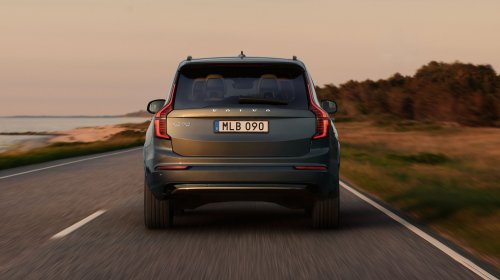
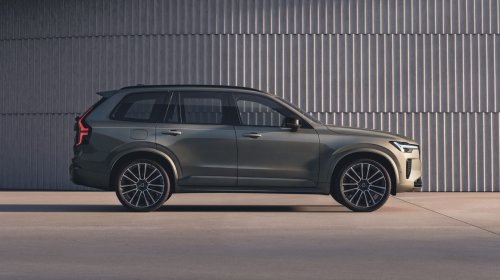
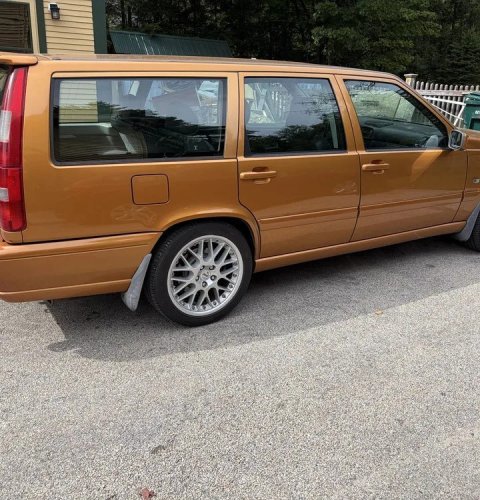
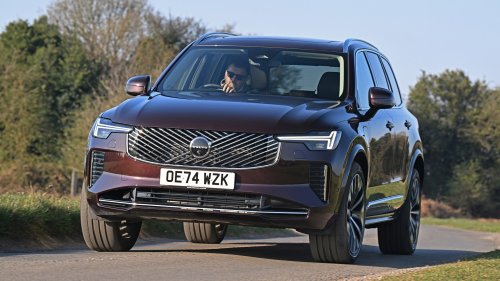
Alex Robbins drove Volvo's latest, the ES90 (right), alongside the older V70 and S90 models - Mark FagelsonWhat constitutes a Volvo has changed an awful lot in the past 30 years. That much is clear on first acquaintance with the new ES90 as it's the first electric Volvo to take the form of a saloon, although it has a hatchback rather than a traditional boot.To quantify exactly how Volvos have changed in that time, I'm driving the firm's latest alongside two of its predecessors – an S90 saloon from 1997, along with a V70 from the era of Ford ownership at the turn of the century. Doing so makes clear how far Volvo's cars have evolved – although it also raises questions about whether the brand's values still hold true.The newcomerIt's a large executive car with a plush interior and an unusual liftback bodystyle. The idea is that the ES90 is more aerodynamic than an estate or SUV (in fact, it's the most aerodynamic Volvo ever) and more practical than a saloon, but with styling that will appeal to those who appreciate a saloon.AdvertisementAdvertisementThe greatest sign of the times is beneath the skin, though. The ES90 is all-electric and with the twin-motor option, which has a 102kW battery, delivers a thumping 443bhp (or 671bhp if you choose the frankly ridiculous Performance model).The ES90 is the most aerodynamic Volvo ever - Mark FagelsonAll that power feels unnecessary (and a bit un-Volvo, to be honest), which is why I reckon the single-motor option with its 88kWh battery is more than enough. It has an official range of 398 miles (think 300-plus in the real world), which is only 30 miles less than the larger-battery versions.It will charge at 310kW, too, so the benchmark 10-80 per cent top-up can take as little as 22 minutes – all the more impressive when you realise it'll take on almost 200 miles of range in that time. And with 324bhp on tap, it is still perfectly capable of startling acceleration.The S90That peak power is almost half as much again as delivered by a top-spec Volvo 30 years ago, as evinced by the S90. The range-topping 3.0-litre straight-six example Volvo brought along would have delivered 204bhp in its prime.AdvertisementAdvertisementBut the S90 feels its age. Not only 30 years old, but much older, because of the four-speed automatic gearbox that only shifts gear each leap year, to the six-cylinder engine that feels like it has only two-thirds of the advertised power output.The huge steering wheel does result in the car turning, but only after what feels like minutes of arm twirling, and when the S90 does eventually heave its bow it feels highly reluctant to do so.It's charming, however. The interior is thick with leather and walnut, while in the back the 15mm wheelbase extension of this Executive model provides a barely believable amount of leg room.The vast, plush armchairs swaddle and support you in the best traditions of Volvo seats, while the outward views speak to Volvo's commitment to passive safety at the time. Of course, the S90 would still have kept you safe in a crash – but better not to get involved in one in the first place.The V70Fast-forward 10 years and things had changed considerably for Volvo. Now owned by Ford, it was being pushed upmarket – although there was some doubt as to Ford's strategy in doing so, pasting Volvo bodies on its own cars to reduce costs. This is why this generation of the V70 estate had to share its platform with the Ford Mondeo.AdvertisementAdvertisementYet Volvo did a decent job of hiding the joins. While there is evidence of cost-cutting in the form of some brittle pieces of trim here and there, the V70 I'm driving (my own car, for full disclosure) genuinely feels like a premium product, from the smooth, soft leather to the open-grain wood trim.Alex says the V70 he drives 'genuinely feels like a premium product' - ZarkePix/AlamyIt feels more responsive to driver inputs than the S90, too – Ford's influence, perhaps – and while you're always aware of its weight, it can be hustled along a challenging road at a decent lick without too much fuss.It's still a way off the crispness of a contemporary BMW, though, and while the ride quality is creditably smooth at high speeds, a little crashiness can creep in over urban potholes.But the real joy is the engine. It's a 197bhp, five-cylinder 2.5-litre petrol turbo mated to an Aisin-Warner six-speed automatic gearbox. It's not fast, but the power is delivered in a useful slug of low-down urge, accompanied by a delicious five-cylinder warble.AdvertisementAdvertisementThis was the last large Volvo to be developed under Ford's ownership. Two years after this 2008 example was built, the American firm's financial woes forced it to sell Volvo to Geely Automotive Holdings of China.The ES90The change since then has been remarkable. Ford's mind-the-pennies strategy has been defenestrated in favour of throwing money at the problem. But Geely's considerable investment has paid dividends; Volvos are now thought of as genuine premium products.You can feel this the minute you step inside the ES90. The materials are first-rate, with light, open-pore wood of the sort pioneered in the V70 slathered across the dash, doors and even the backs of the front seats.The first-rate interiors of the ES90 are evident as soon as you step inside - Mark FagelsonThe driving position is higher than in its predecessors', but oddly the views out are not better; thick pillars mean hefty blind spots, while the slot-like view out of the rear screen is bizarrely restrictive.AdvertisementAdvertisementIt's a complete contrast to the impressive visibility of the old S90 and modern safety standards are only partially responsible. After all, if its rivals can build cars with an excellent view out, why can't Volvo?The floor is set high, which means the ES90 isn't quite as roomy as you'd expect; in fact, taller drivers may find themselves clonking their heads as they enter. Long rear footwells mean there's plenty of leg room in the back, but you sit with your knees forced upward by the high floor. The 424-litre boot is bizarrely tight, too – far less capacious than that in many smaller, cheaper EVs.Inside, Volvo's touchscreen-centric ideology persists – another trait that seems at odds with the concept of passive safety, given how distracting it can be. Volvo points out that it has tried to make things simpler by swapping icons around depending on whether you're moving or stationary, although, in practice, that often means you attempt to prod the icon you thought was in a particular place, only to find that it's moved.The distracting touchscreen is at odds with Volvo's concept of passive safety - Mark FagelsonThe way the ES90 drives is the most traditionally Volvo-like thing about it. Priority is given to high-speed ride comfort, so, like the S90 and V70, it lopes along at motorway pace with sybaritic grace.AdvertisementAdvertisementBut also in common with its predecessors, there's more rattle and hum at lower speeds, the ES90's huge 22-inch wheels giving the air suspension fitted to this top-spec example an awful lot of work to do.The Telegraph verdictSo the ES90 feels like a Volvo to drive, but where its predecessors' prioritisation of pragmatism, safety and comfort is clearly evident, the ES90 seems to have sacrificed all three traits in favour of flashy faddism.To put it another way, this is a Volvo with a huge touchscreen but a tiny boot; with fancy digital driver aids but a restrictive view out; with large wheels that look good but clump through potholes. In other words, one whose priorities feel somewhat un-Volvo.Among the ES90's drawbacks: a tight, 424-litre boot - Mark FagelsonOn the plus side, its soaring range, plutocratic high-speed comfort and luscious interior will all make it a fabulous long-distance EV. On that front, it's a gentler and more sophisticated alternative to BMW's vast and imposing i5. But driving it next to its predecessors, it's hard not to feel that they don't make 'em like they used to.The factsOn test: Volvo ES90 Single Motor Extended Range UltraAdvertisementAdvertisementBody style: five-door hatchbackOn sale: nowHow much? £77,260 on the road (range from £67,560)How fast? 112mph, 0-62mph in 6.6secHow economical? 3.9mpkWhElectric powertrain: AC permanent magnet synchronous motor with 88kWh (usable) battery, 310kW on-board charger, Type 2/CCS charging socketElectric range: 398 miles (WLTP Combined)Maximum power/torque: 328bhp/354lb ftCO2 emissions: 0g/km (tailpipe), 19g/km (well-to-wheel)VED: £10 first year, £640 next five years, then £200Warranty: three years / 60,000 milesSpare wheel as standard: no (not available)The rivalsBMW i5 eDrive40 M Sport Pro335bhp, 372 miles, £77,205 on the roadRoomier and more powerful: BMW i5 - Daniel KrusIt can't match the Volvo for range or charging speed, but it's roomier, more powerful and its touchscreen is more intuitive.Audi A6 Sportback E-Tron Performance Vorsprung375bhp, 442 miles, £78,490 on the roadThe Audi A6 Sportback trounces the ES90 on range and power - Luc LaceyThe plushest A6 trounces the ES90 on range and power, with more equipment, while being only slightly more expensive.AdvertisementAdvertisementTry full access to The Telegraph free today. Unlock their award-winning website and essential news app, plus useful tools and expert guides for your money, health and holidays.