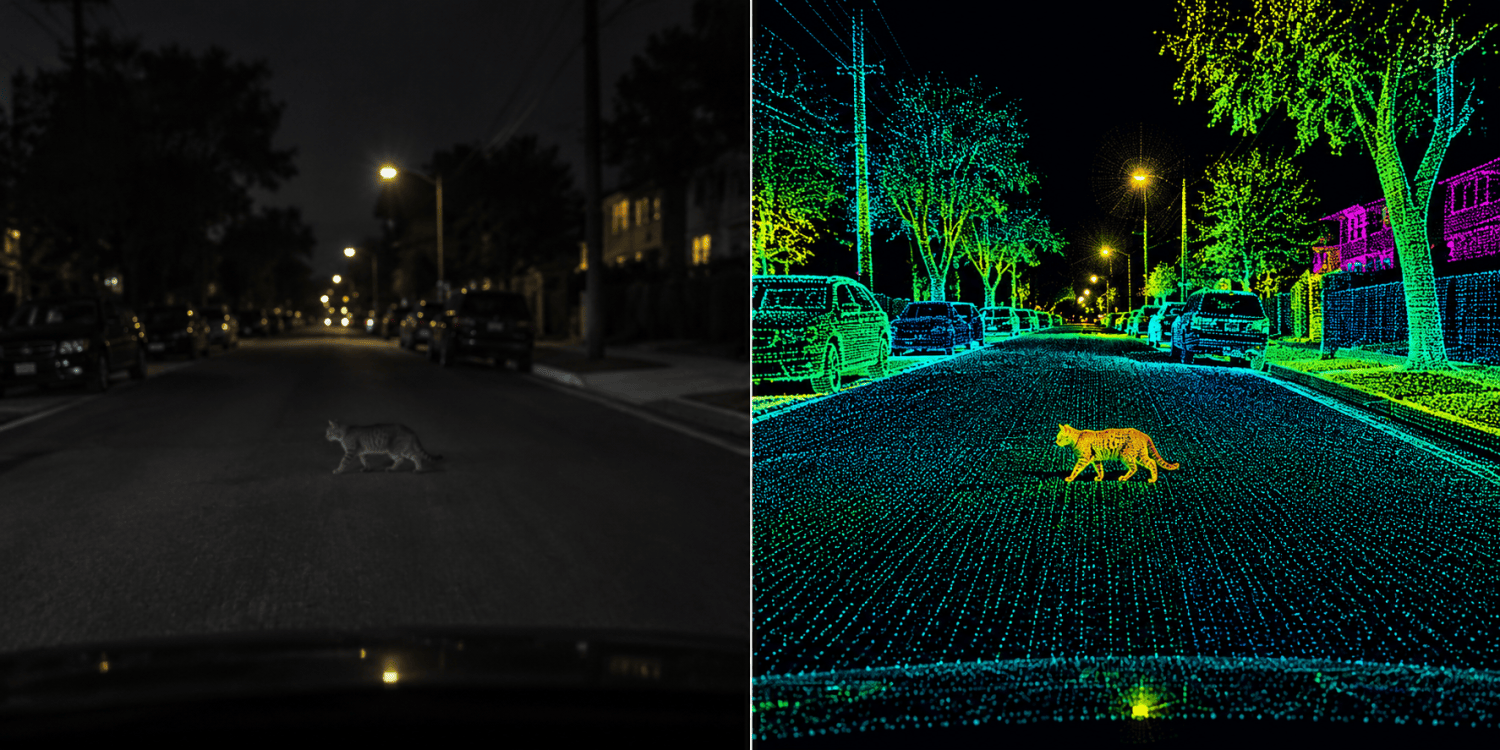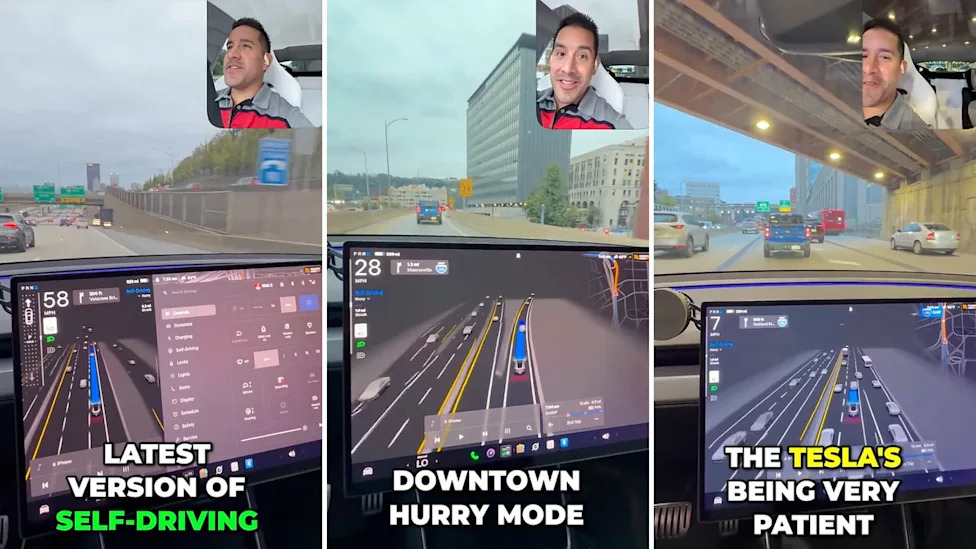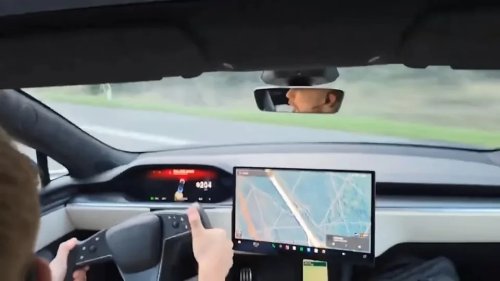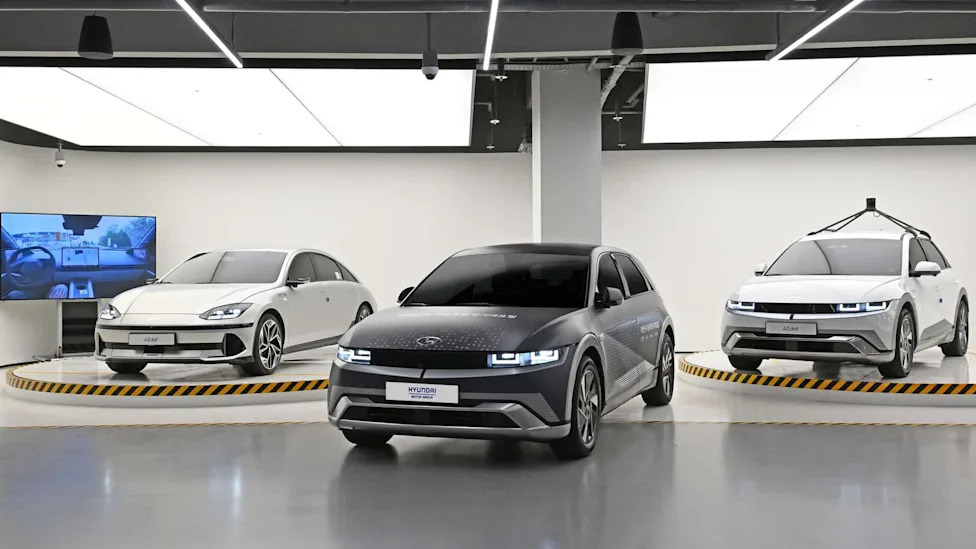



















Hyundai's Tesla FSD Rival Is Delayed To 2029. But It May Be Worth The WaitInsideEVscontact@insideevs.com (Suvrat Kothari)Mon, September 14, 2026 at 6:02 PM UTCAdd us on GoogleHyundai Self-Driving CarsHyundai says it didn't want to rush a "middling Level 2++" system to market, so its in-house ADAS is now coming in 2029.Hyundai is developing two driver-assistance systems in parallel to take on Tesla's Full Self-Driving (Supervised).One will use Nvidia's platform and the other is being developed in-house.The automaker plans to begin the rollout in 2028, with the in-house Atria AI Level 2++ system arriving in late 2029. Hyundai is delaying the launch of its next-generation in-house advanced driver assistance system (ADAS), betting that a revised approach and a fresh Nvidia partnership will help it take on rivals like Tesla's Full Self-Driving (Supervised). The South Korean automaker says it's planning to advance its driver-assistance ambitions in two phases. First, Hyundai will roll out an Nvidia-based Level 2 system to vehicles, the company announced during its HMG Autonomous Driving Media Day on Saturday. In parallel, the automaker will continue developing its in-house technology and unleash that in 2029. Reuters notes this is two years later than Hyundai initially planned. AdvertisementAdvertisement"We made a strategic decision to slow down," Park Min-woo, the head of HMG's advanced vehicle platform division told Korea JoongAng Daily. "Rushing into mass production now risks delivering a middling Level 2++ system, far short of our real target," he added. He said Hyundai sells 7 million vehicles annually across 190 markets, and the driving data collected from these vehicles could help speed up development and overtake rivals in the autonomy race.It isn't alone in this race. Pretty much every major global automaker is trying to build cars that can accelerate, brake, steer, and navigate complex traffic on their own. From Korea and China to the U.S. and Europe, automakers are betting that highly automated cars will make roads safer than human drivers, while also unlocking a new revenue stream for their businesses. Toyota also recently shared its plans to release its own FSD-like system in 2028.Hyundai released footage this past weekend showing an Ioniq 5 equipped with its latest ADAS navigating some seriously complex urban roads. With a human supervisor on board, the EV deftly makes its way through Seoul's Gangnam District, an area about as congested and chaotic as Manhattan.That vehicle is running the automaker's latest Level 2+ ADAS, which can drive from point A to point B on its own while a human driver supervises. Hyundai said production models with this system will start rolling out in the second half of 2028. That rollout will bring software and hardware standardization not just between Hyundai and Kia vehicles, but also between Motional and 42dot, the company's robotaxi and AV software development divisions.AdvertisementAdvertisementIn the first phase, vehicles will run on the Nvidia Drive Hyperion 10 architecture. Nvidia says this platform can support Level 2 supervised ADAS up to unsupervised Level 4 autonomy. The company told reporters that the system will rely on cameras, ultrasonic sensors, and radar, but skip lidar. (Hyundai could add lidar for its Level 3 systems, though, an executive said.) Mercedes-Benz also uses the Nvidia Drive Hyperion platform for its MB.Drive Assist Pro system, skipping lidar in favor of cameras and radar.The second phase will bring Hyundai's in-house Atria AI autonomous driving system, which the company says will start rolling out in the second half of 2029. Hyundai calls Atria AI a "Level 2++" system, which is industry jargon for a more capable ADAS that still needs human supervision. Per SAE International's levels of driving automation, Level 2 systems are supervised, while Level 3 ones can operate autonomously at times. Level 2++ would land somewhere in the middle. Atria AI is essentially Hyundai's answer to Tesla's FSD (Supervised). It will use an end-to-end system, meaning that an AI model will take in sensor inputs and spit out driving commands. "Autonomous driving competitiveness depends not on how much data you secure, but on how rapidly you can connect data to learning, validation and performance improvement," Junghyun Kwon, the head of HMG's autonomous driving development center said in a statement. "Through the data flywheel system now in full operation, we expect continuous improvement of issues identified on real roads and rapid technology advancement."AdvertisementAdvertisementHyundai's autonomy ambitions extend well beyond passenger cars. The automaker is deeply invested in humanoid robots through its wholly owned Boston Dynamics subsidiary, and it plans to roll out its first Ioniq 5 robotaxis through its AV division Motional in Las Vegas by the end of this year. Separately, Hyundai is also supplying Ioniq 5 robotaxis to Waymo, with the vehicles expected to join that fleet by the end of this year.Related StoriesHyundai Is Launching Its Own Robotaxi Service. Can It Win Where Cruise Failed?I Tried Mercedes' Answer To Tesla Full Self-Driving. It Handles City Streets—With One Major CaveatThe Hyundai Ioniq 5 Will Join Waymo's Driverless Taxi FleetIn A First, U.S. Clears Zoox's Steering Wheel-Free Robotaxis For Paid Rides