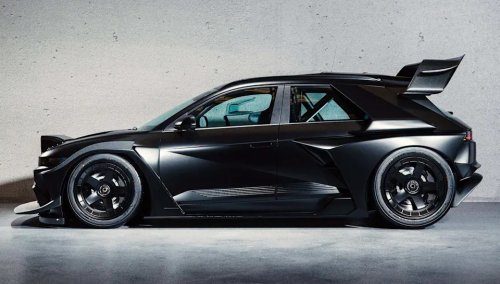
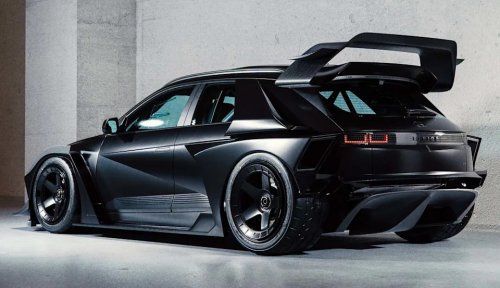
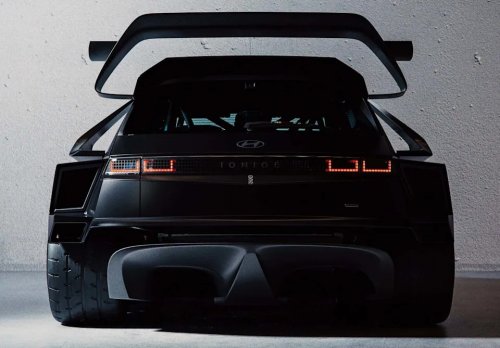
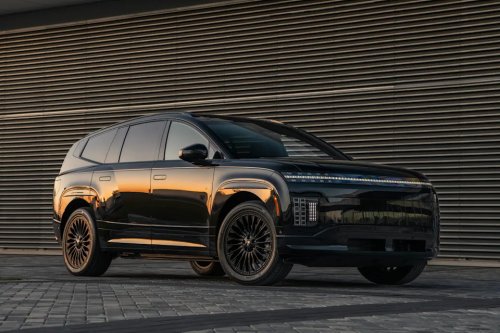
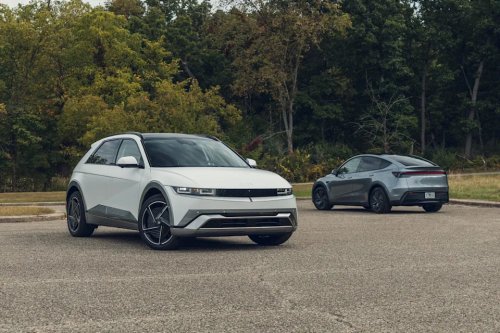
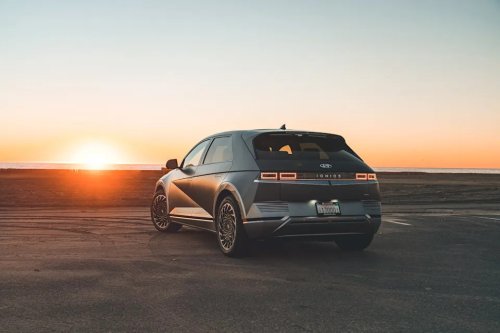
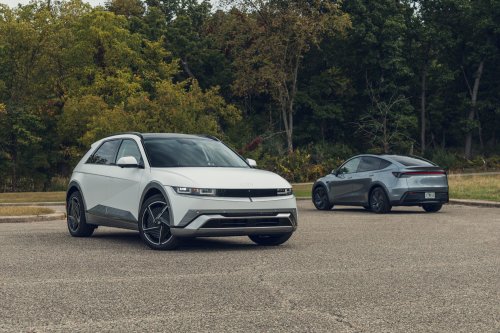
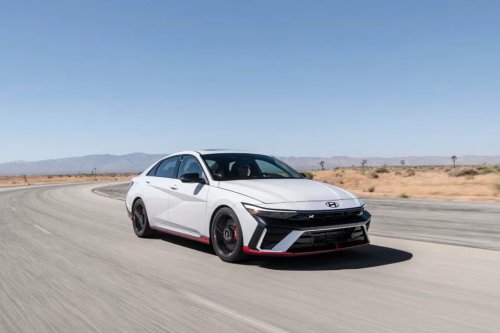
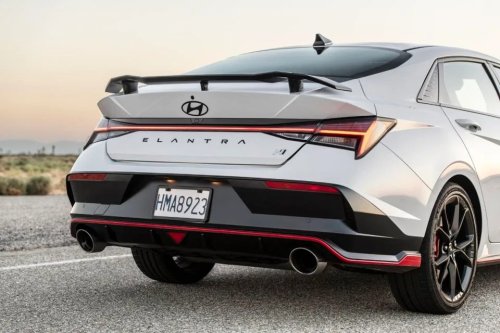
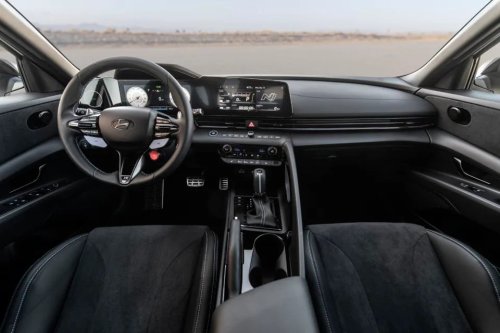
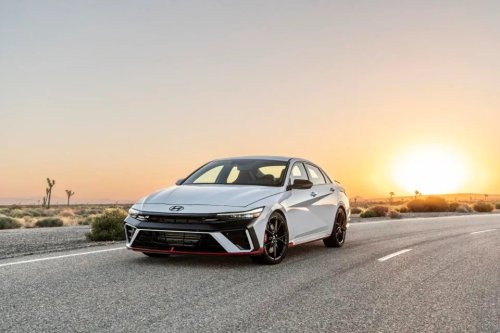
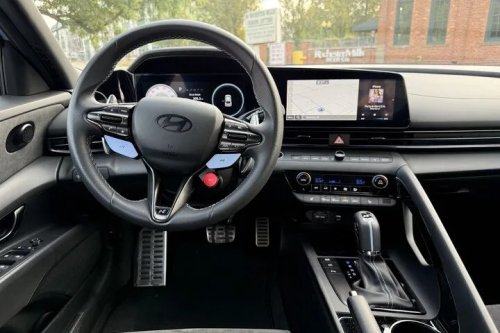
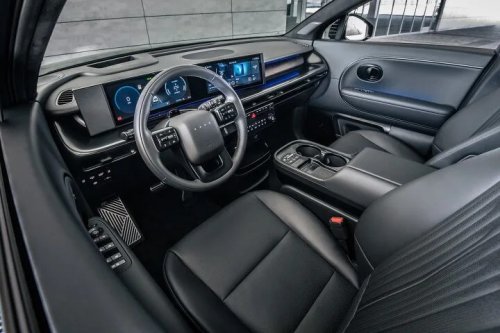
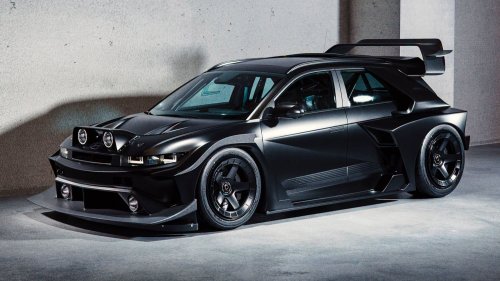
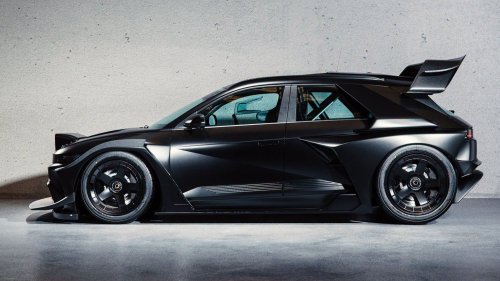
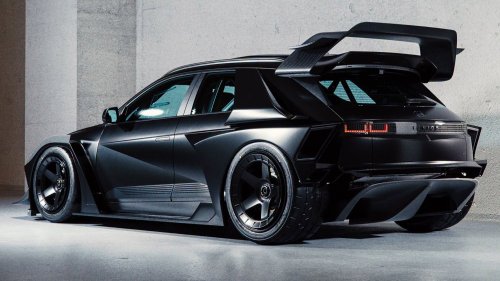
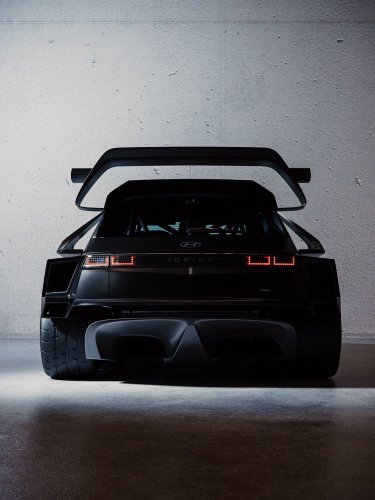
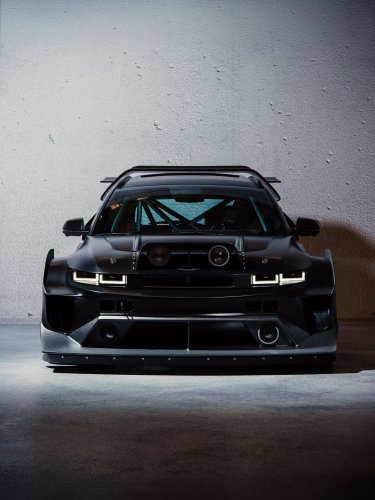
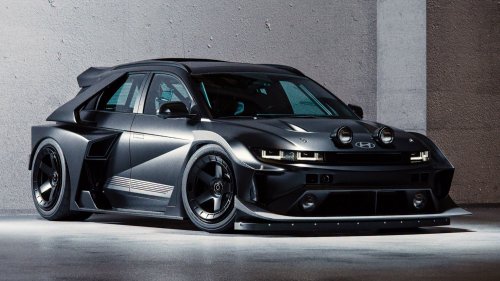
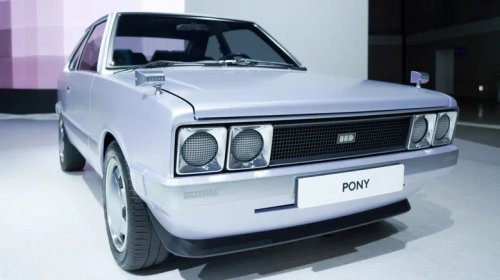
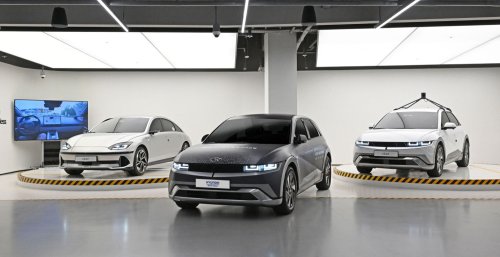
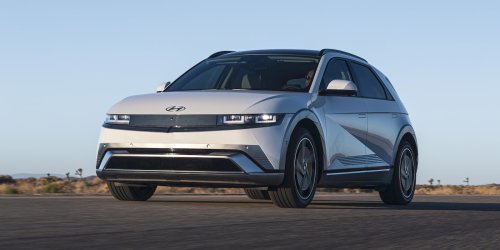
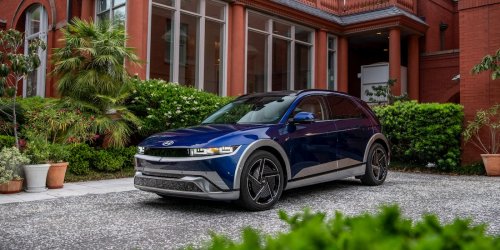
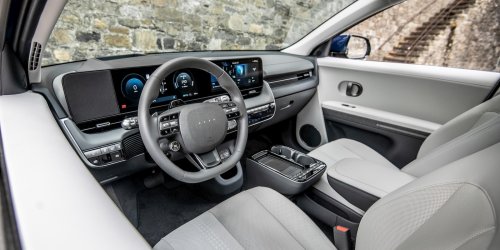
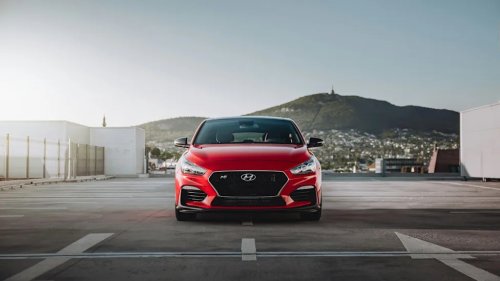
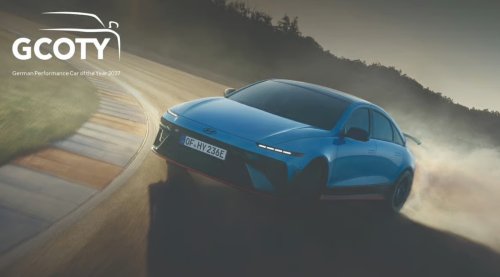
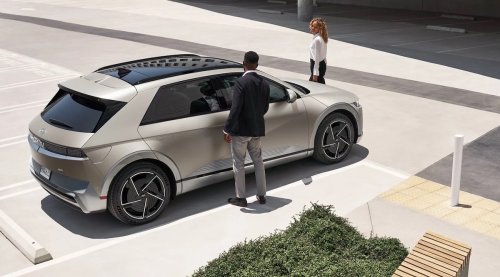
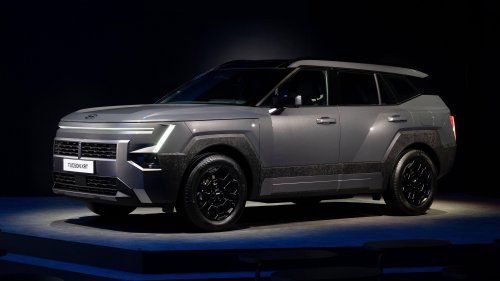
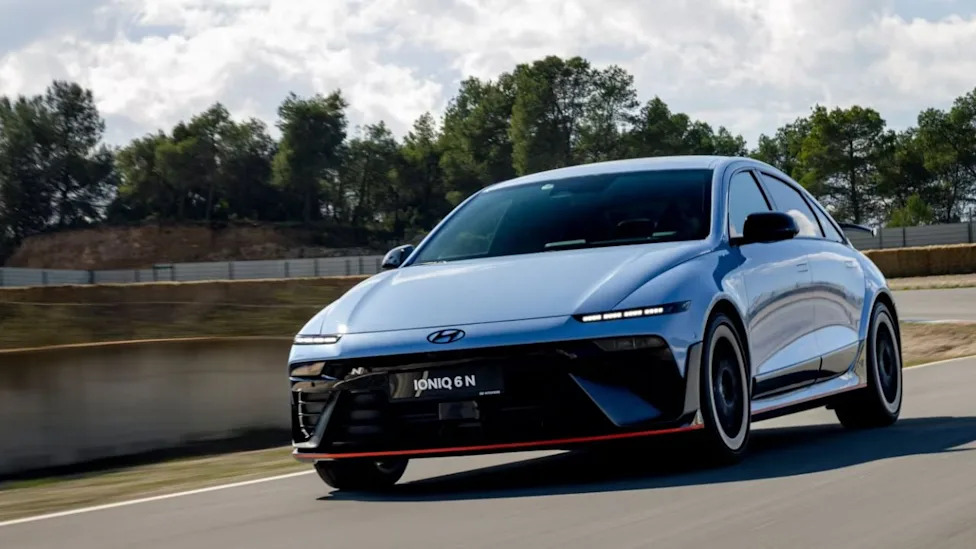
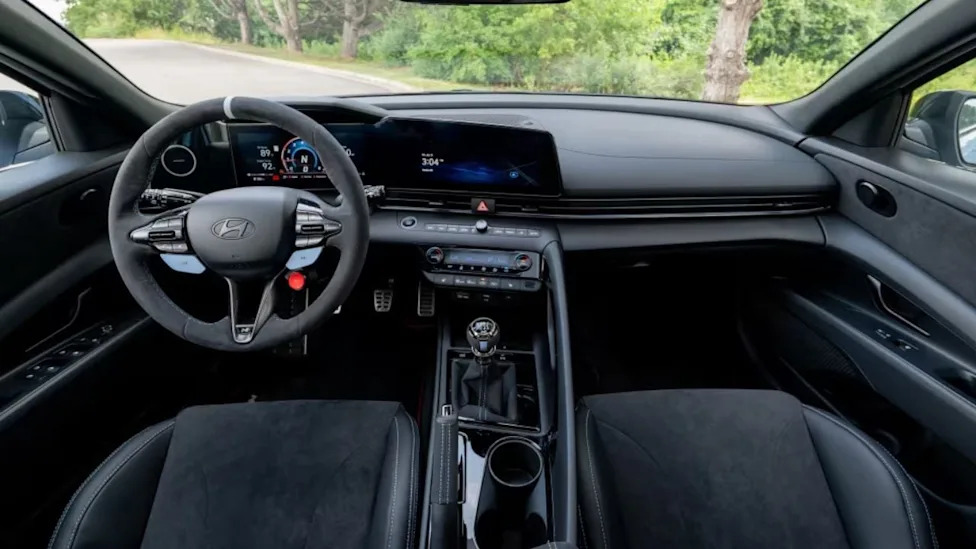
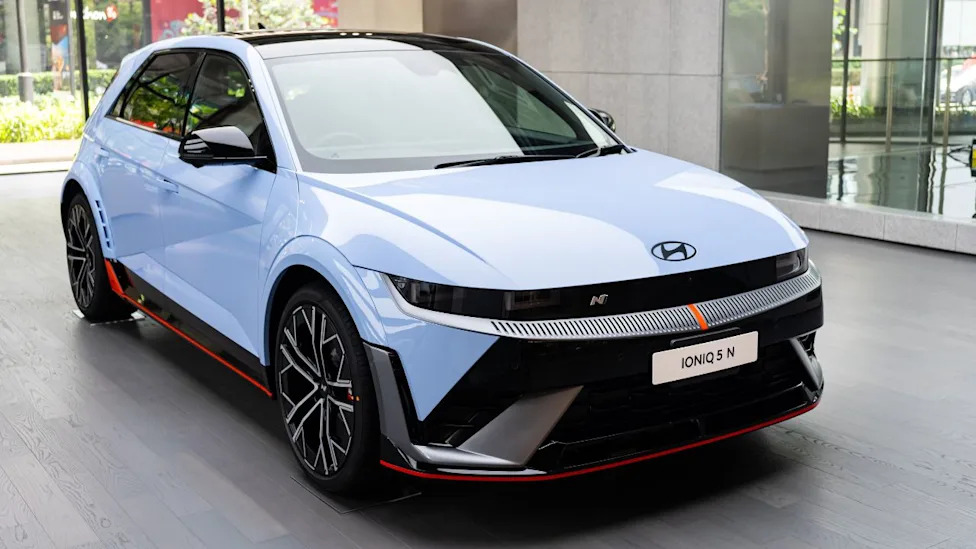
Image Credit: Hyundai.Hyundai says its next generation of high-performance electric vehicles will feel even more like traditional gasoline-powered sports cars. The company is already developing new technologies that go beyond today's simulated gear changes and engine sounds.Hyundai's head of global research and development says future N models could reproduce sensations such as engine vibrations, idling, and even simulated exhaust backfires. The goal is to make electric performance cars feel more engaging rather than simply delivering straight-line speed.The announcement builds on the success of Hyundai's N e-Shift system, which debuted on the Ioniq 5 N before expanding to the new Ioniq 6 N. The technology mimics gear changes through software, complete with synthesized engine sounds and simulated shifts controlled by the paddle shifters.AdvertisementAdvertisementWhile some enthusiasts dismiss these features as artificial, Hyundai says customer feedback has been overwhelmingly positive. Rather than abandoning the concept, the company plans to make the experience even more immersive with its next generation of performance EVs.Not Just Fake Gear ChangesPhoto Courtesy: Autorepublika.Speaking to Autocar, Hyundai Executive Technical Advisor and Head of Global R&D Manfred Harrer said the company intends to further develop its virtual driving experience.Harrer explained that future N models could simulate engine idling, produce virtual exhaust backfires, and even generate vibrations throughout the cabin to better replicate the sensations drivers expect from a high-performance combustion engine."We are leading—not following—on this technology," Harrer told the publication, adding that Hyundai wants the next generation of performance EVs to deliver an even more realistic driving experience.Driving Enjoyment Comes FirstHyundai says the focus isn't on fooling drivers into believing an EV has an engine. Instead, the aim is to make driving more enjoyable by adding sensory feedback that many enthusiasts associate with performance cars.AdvertisementAdvertisementHarrer acknowledged that some critics see simulated sounds and gear changes as gimmicks, but argued that the positive response from customers proves there's value in creating a more emotional driving experience. He also emphasized that Hyundai's N division prioritizes driving enjoyment over chasing the highest performance figures on a specification sheet.Next-Generation Platform Already In DevelopmentThe new features are expected to arrive alongside Hyundai's next dedicated electric vehicle architecture, known internally as IMA. The platform will eventually replace today's E-GMP architecture that underpins vehicles such as the Ioniq 5 and Ioniq 6.Hyundai says IMA will introduce improved battery technology, faster 800-volt charging capabilities, better thermal management, and increased efficiency. Harrer described the new platform as a major evolution rather than a complete redesign, with enhancements focused on refining the driving experience.Hyundai Isn't AloneImage Credit: Wongsakorn 2468 / Shutterstock.Hyundai's virtual performance technology has already influenced other automakers. Porsche has introduced simulated gear changes in updated versions of the Taycan, while BMW is preparing similar features for its upcoming electric M models.AdvertisementAdvertisementToyota has also explored manual transmission simulation technology through patent filings, highlighting a growing trend among manufacturers to recreate the engagement of traditional performance cars as the industry transitions toward electrification.Hyundai, however, believes future performance EVs should appeal to the senses as much as they impress on paper, making the driving experience every bit as memorable as the acceleration.If you want more stories like this, follow Guessing Headlights on Yahoo so you don't miss what's coming next.



















 +65 others