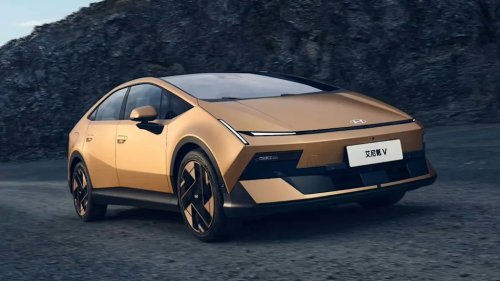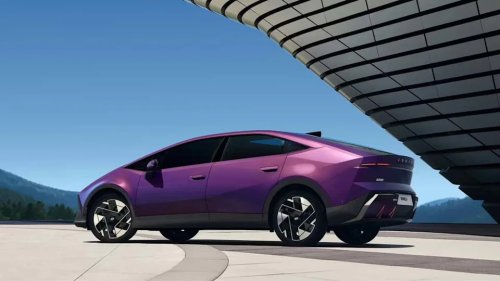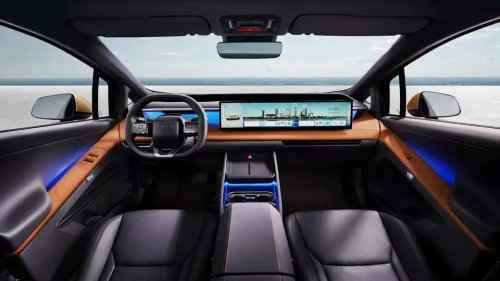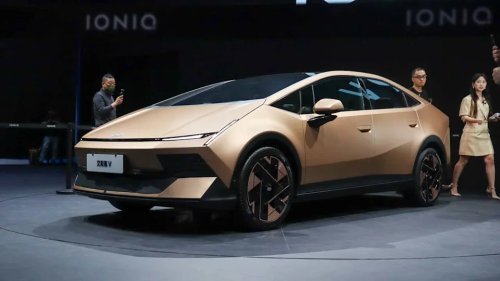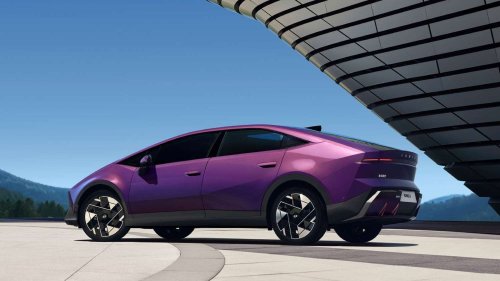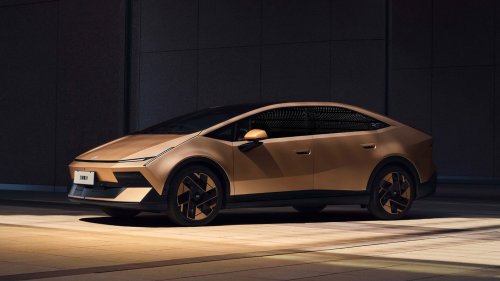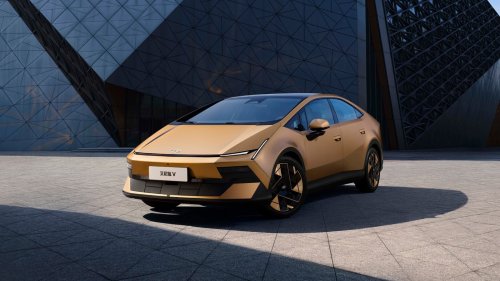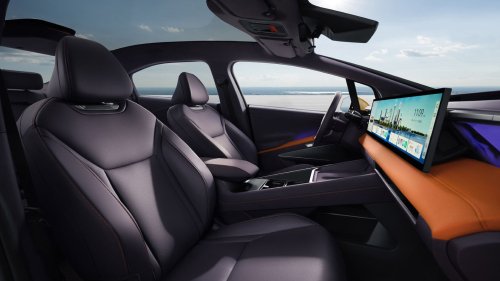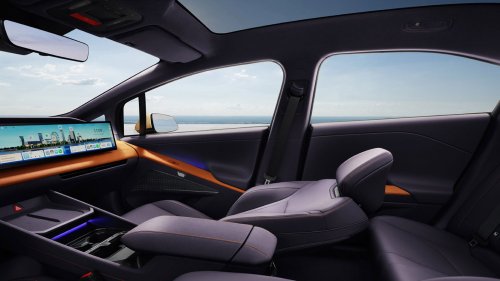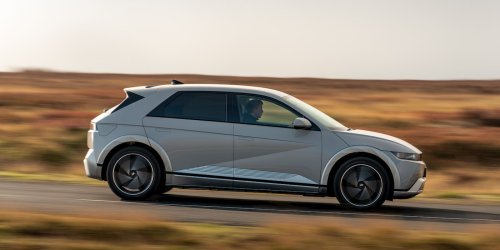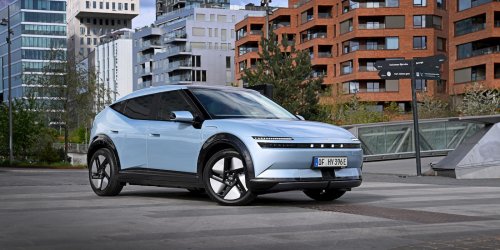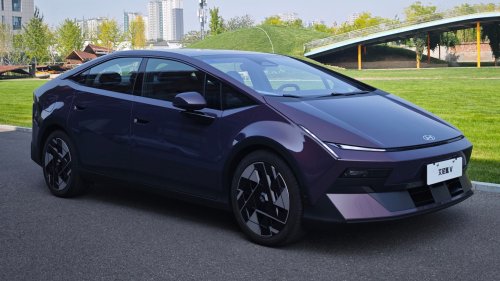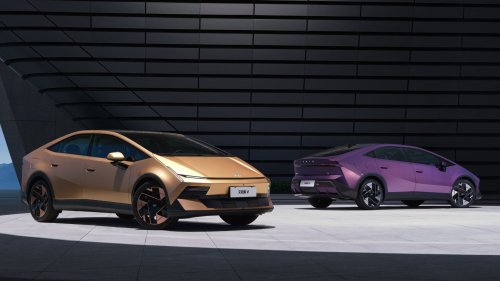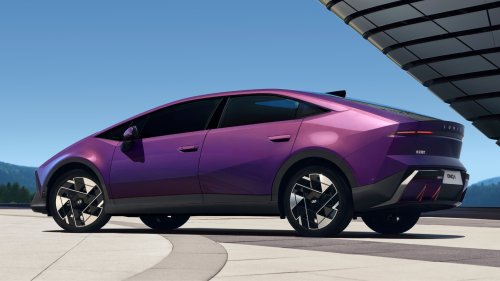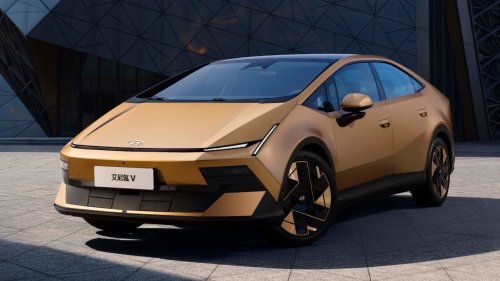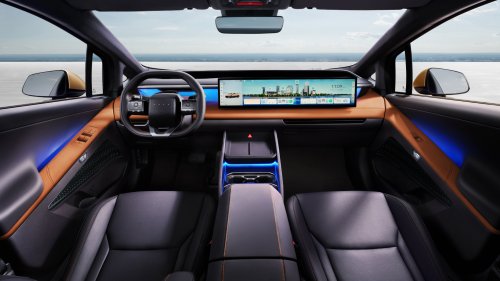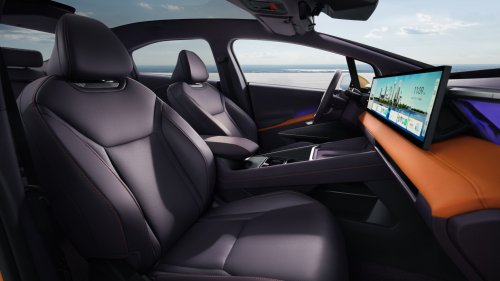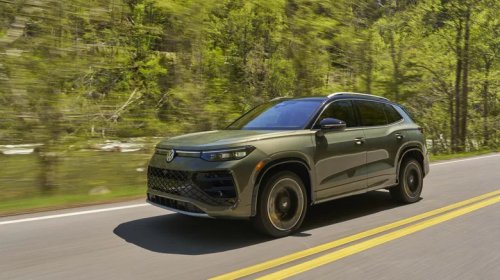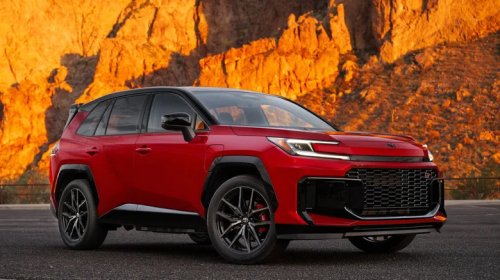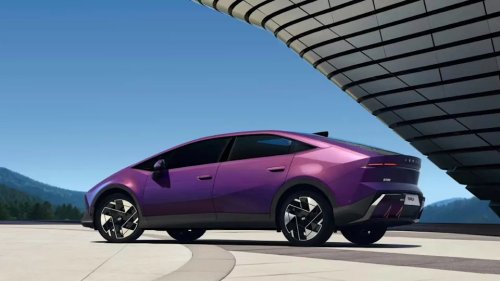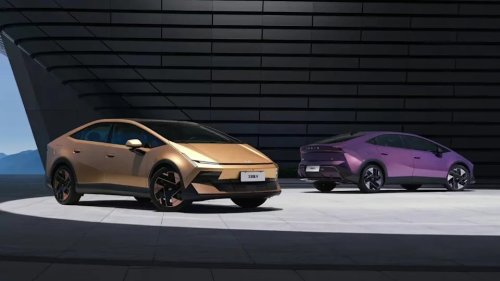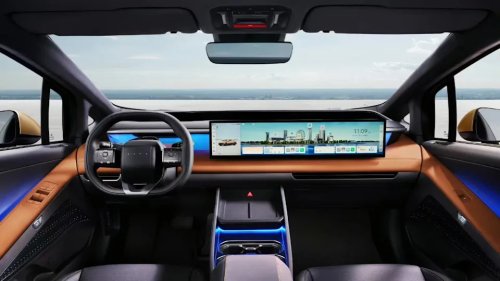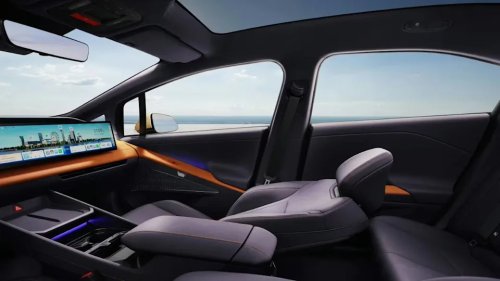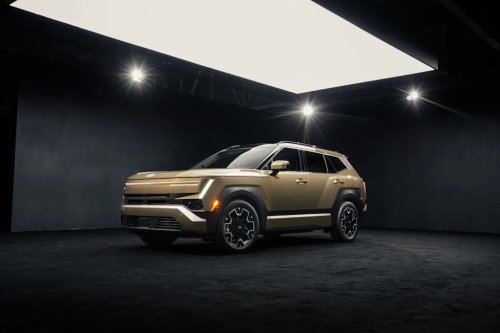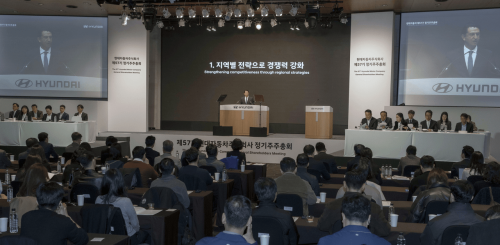
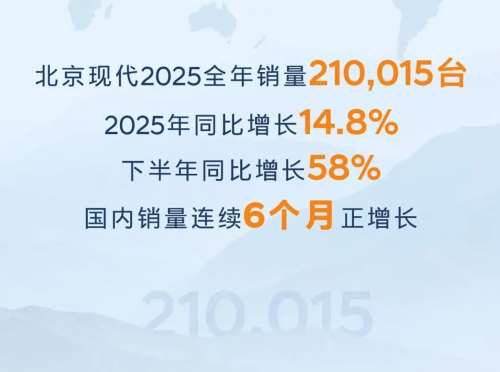
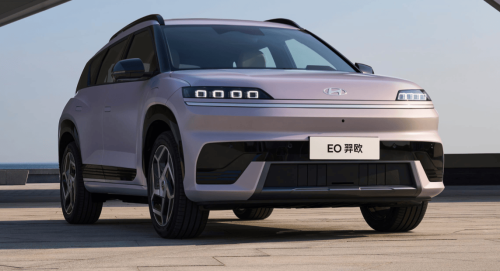
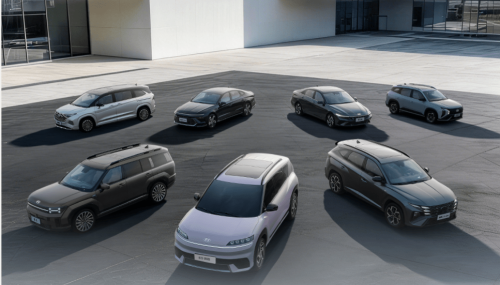



















Hyundai Motor plans to double its annual sales in China to 500,000 units over the mid term, CEO José Muñoz said at a shareholder meeting on March 26, adding that the company will launch 20 new models over the next five years. Hyundai Motor shareholder meeting Muñoz noted that all automakers face similar challenges and uncertainties as Chinese domestic OEMs expand into global electric vehicle markets while rising inventories intensify competition. Hyundai established Beijing Hyundai in 2002 as a joint venture with BAIC. The venture reached a peak of 1.14 million units in annual sales in 2016, but has since experienced a prolonged decline as local brands and new entrants gained share. Beijing Hyundai sales in 2025 By 2025, Beijing Hyundai’s sales in China had fallen to 210,000 units, up 14.8% year on year but still significantly below its peak level. However, momentum has shown signs of recovery. Starting in the second half of 2025, Beijing Hyundai recorded six consecutive months of year-on-year growth, with overall growth reaching 58% during the period. At the shareholder meeting, Muñoz also said Hyundai and its partners are adjusting production capacity in China to better align with market demand and will soon introduce electric vehicles tailored specifically for the Chinese market. Beijing Hyundai EO In October last year, Beijing Hyundai launched the all-electric SUV EO (Elexio) on the E-GMP platform, priced between RMB 119,800 ($17,371) and RMB 149,800 ($21,721). However, market performance has been weak, with monthly sales only in the hundreds, failing to scale. To address this, Beijing Hyundai plans to roll out multiple new energy vehicles between 2026 and 2027, targeting mainstream mid-size sedan and SUV segments. Beijing Hyundai vehicle lineup Current plans include four models, with two set to launch in 2026, followed by additional vehicles across battery electric, hybrid, and extended-range powertrains. Globally, Hyundai Motor Group continues to maintain strong scale. In 2025, global sales exceeded 7.27 million units, ranking among the world’s top three for a third consecutive year. However, net profit declined 21.7% year on year, signaling mounting growth pressures. Against this backdrop, the strategic importance of the China market is rising again—not only as a source of volume but also as a key testing ground for the company’s transition to electrification.