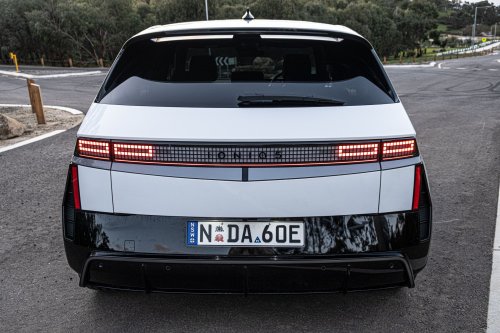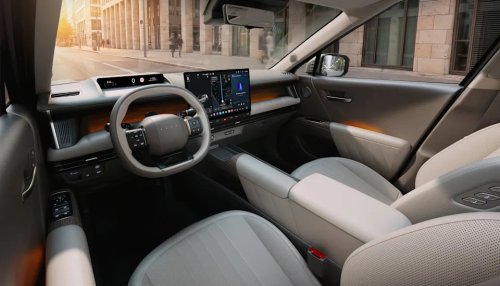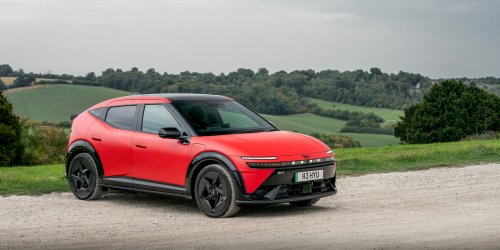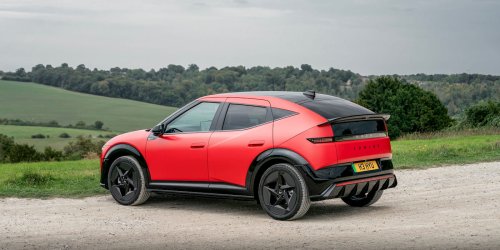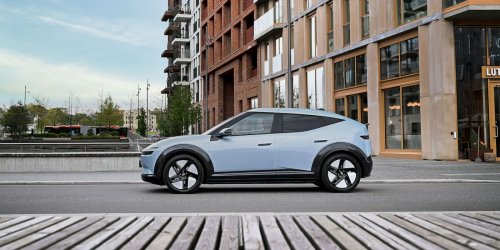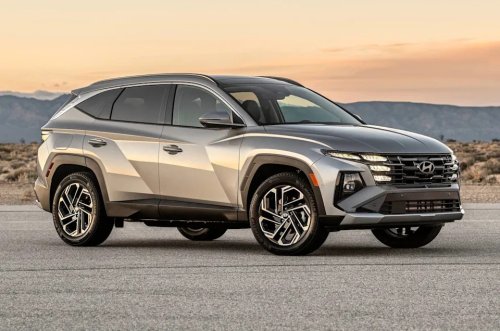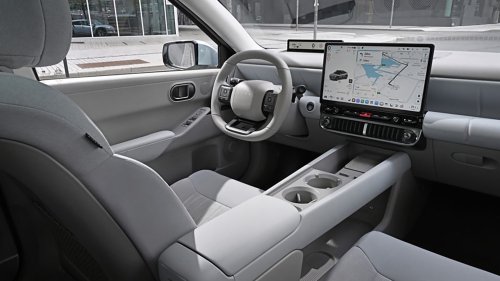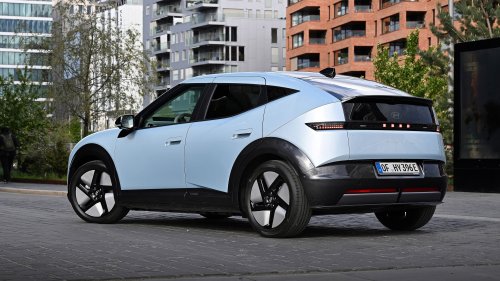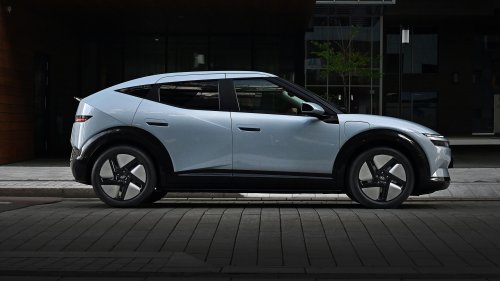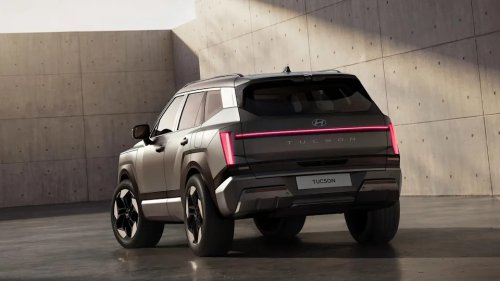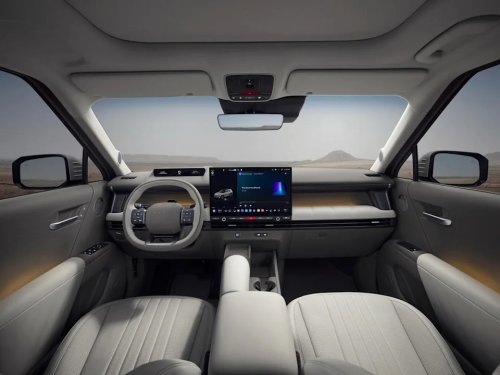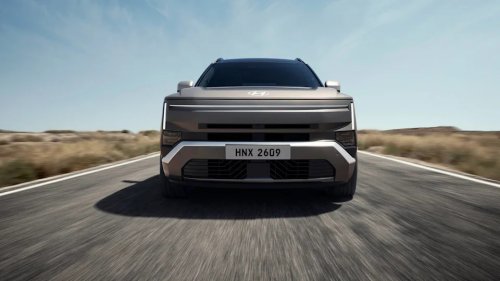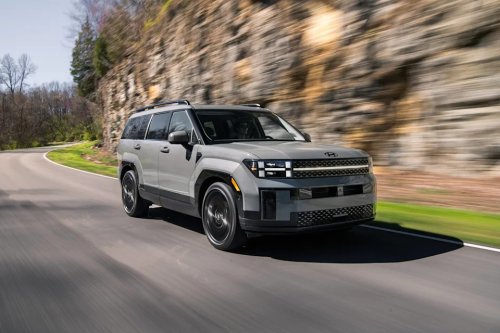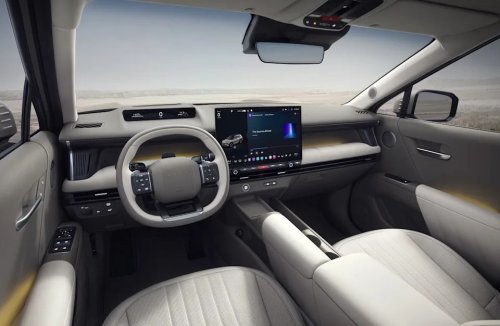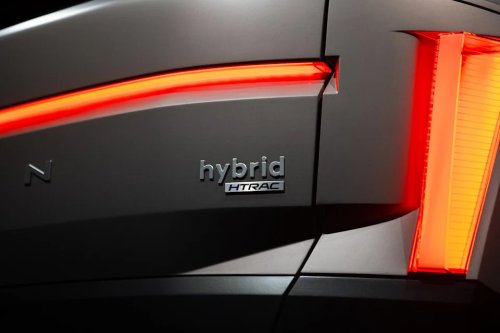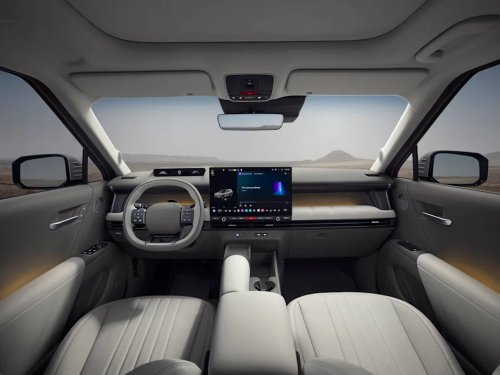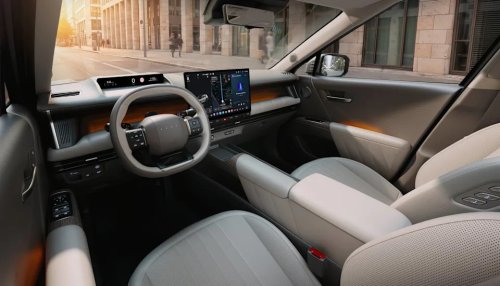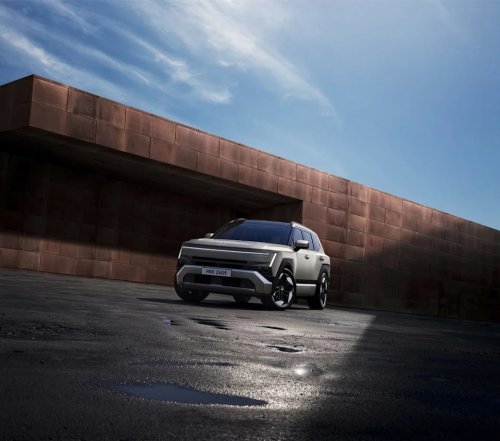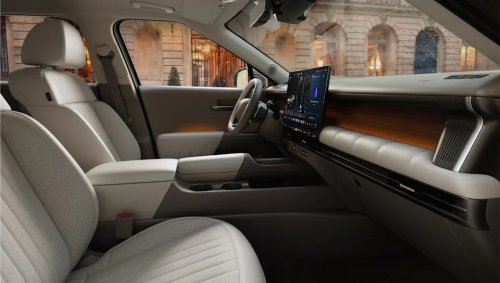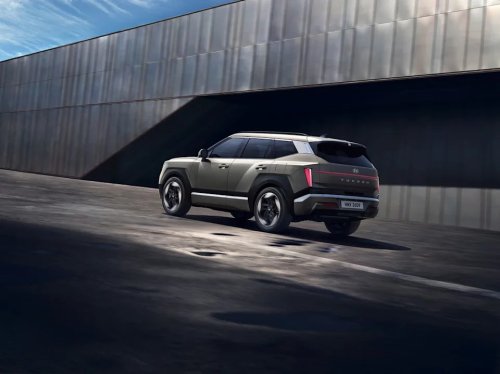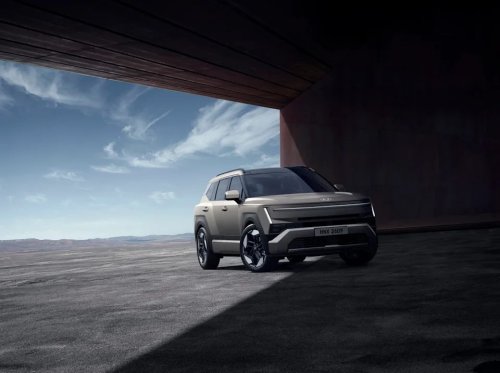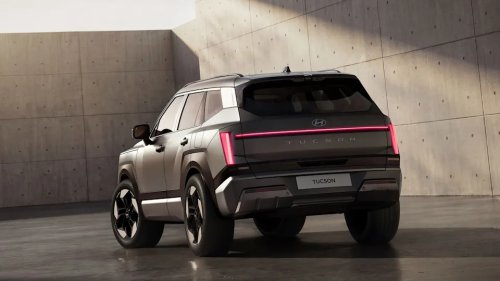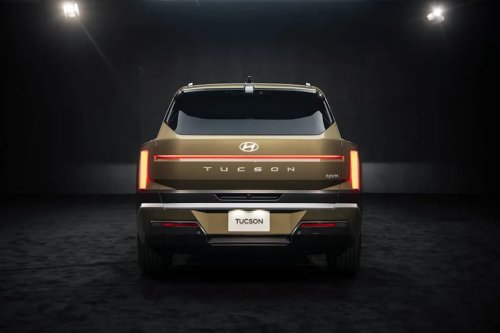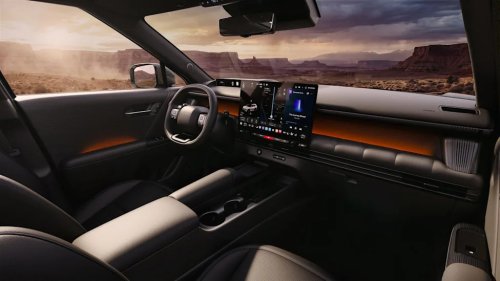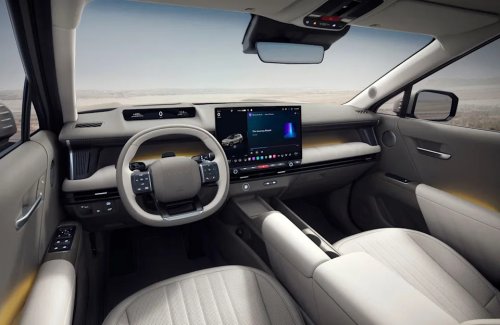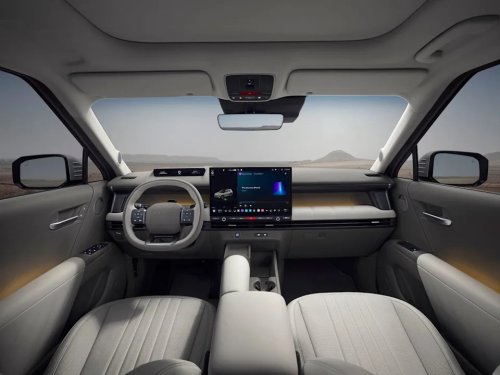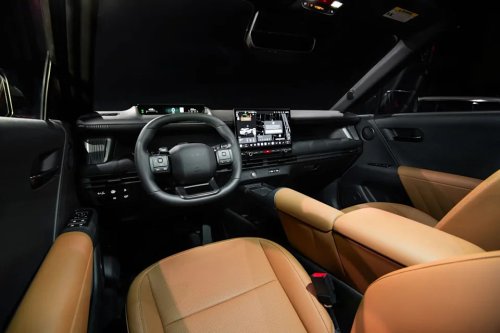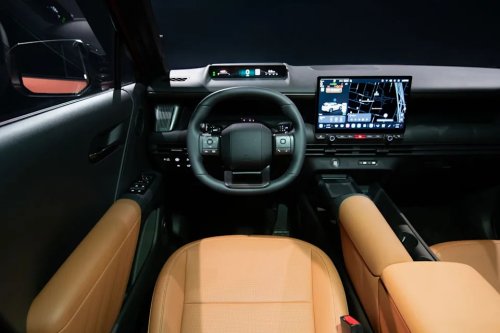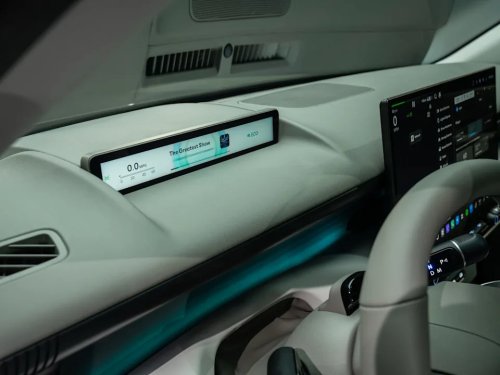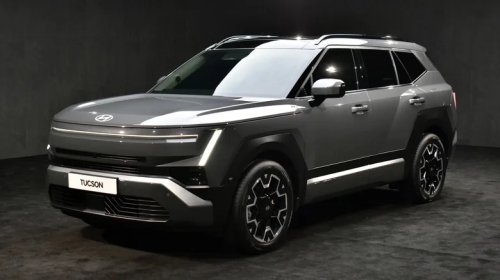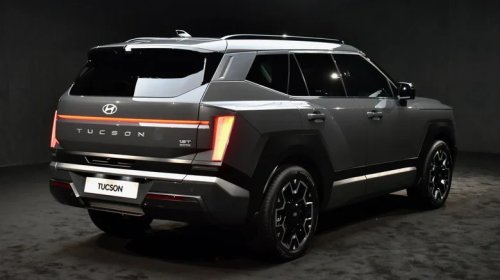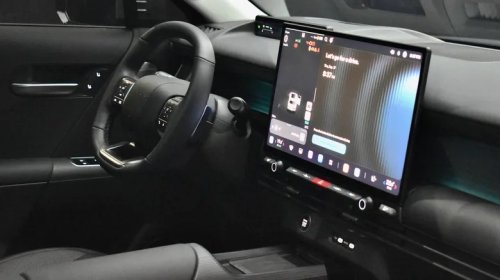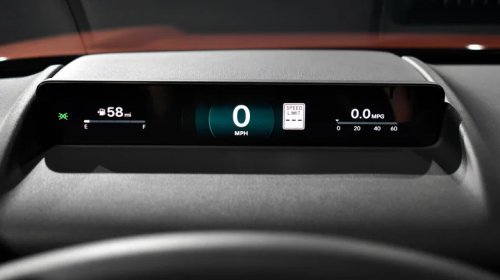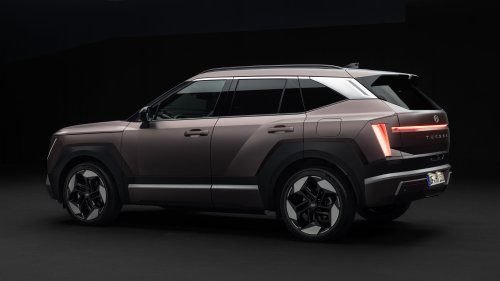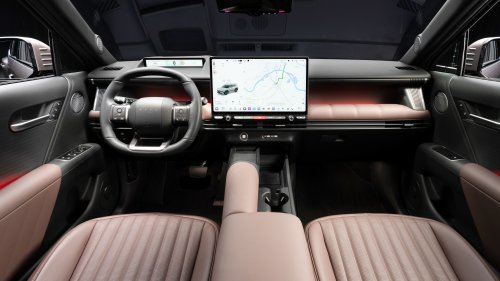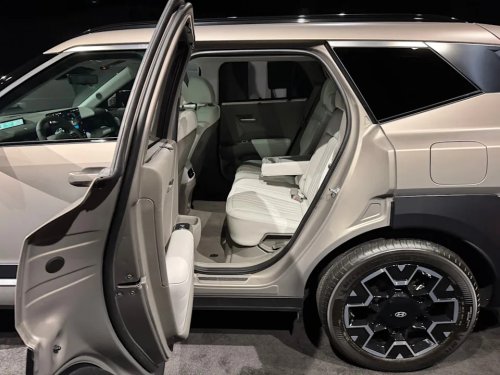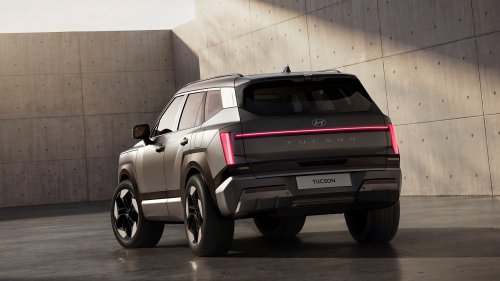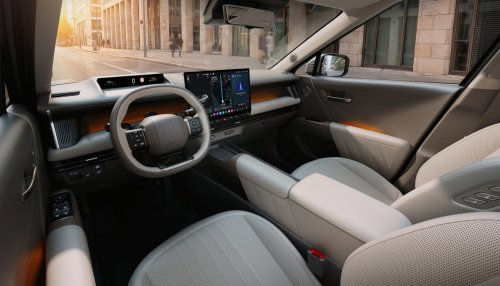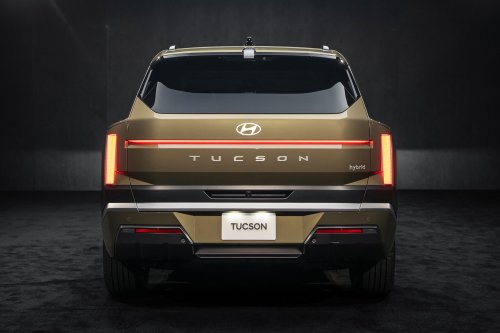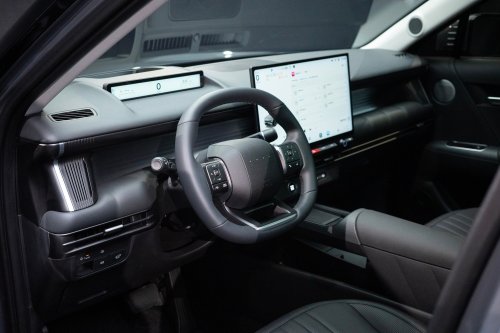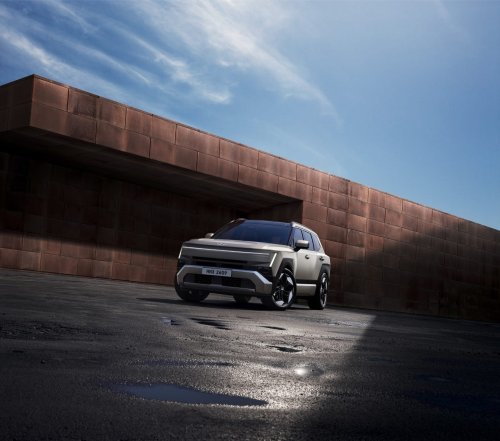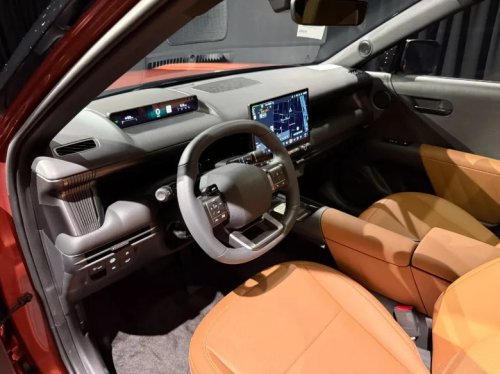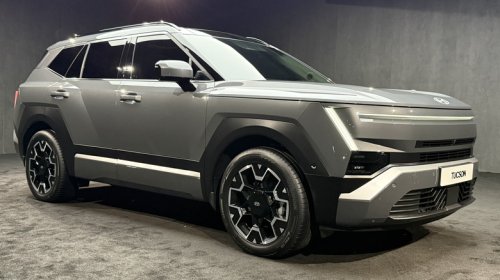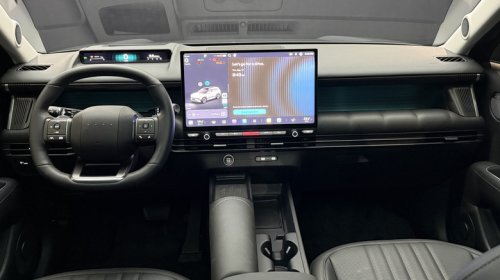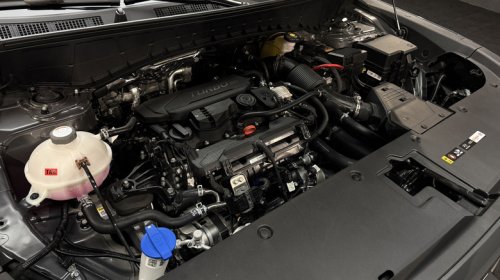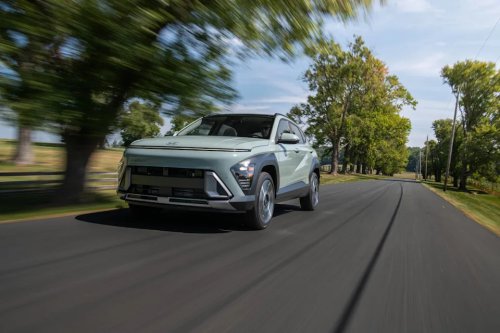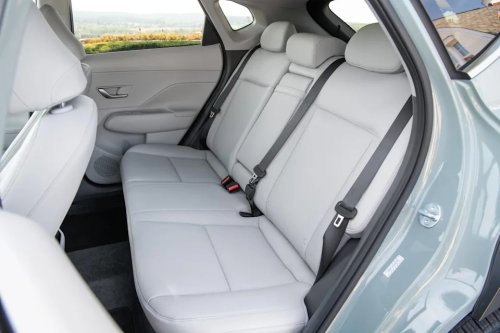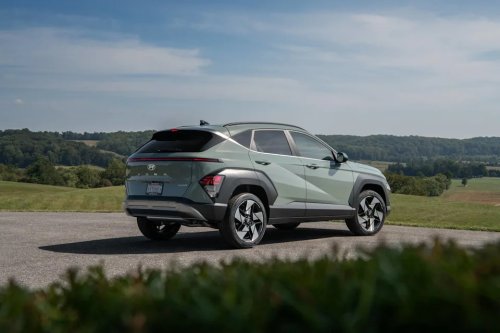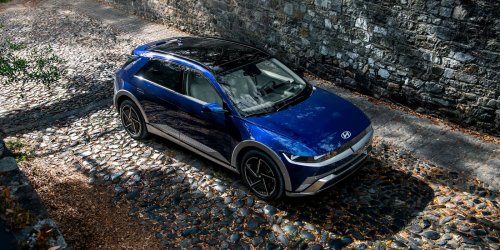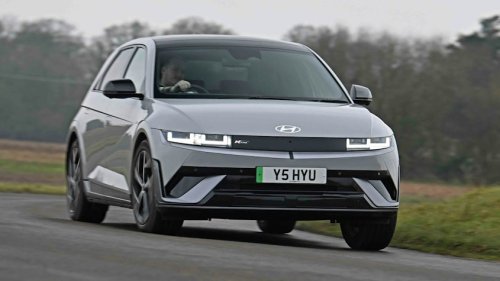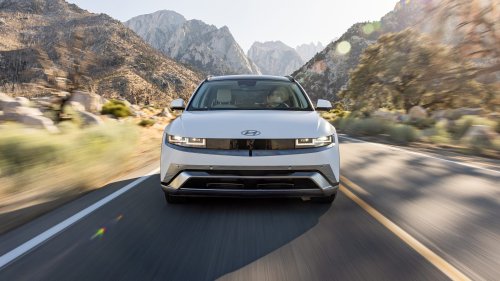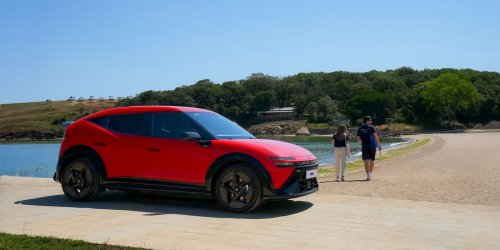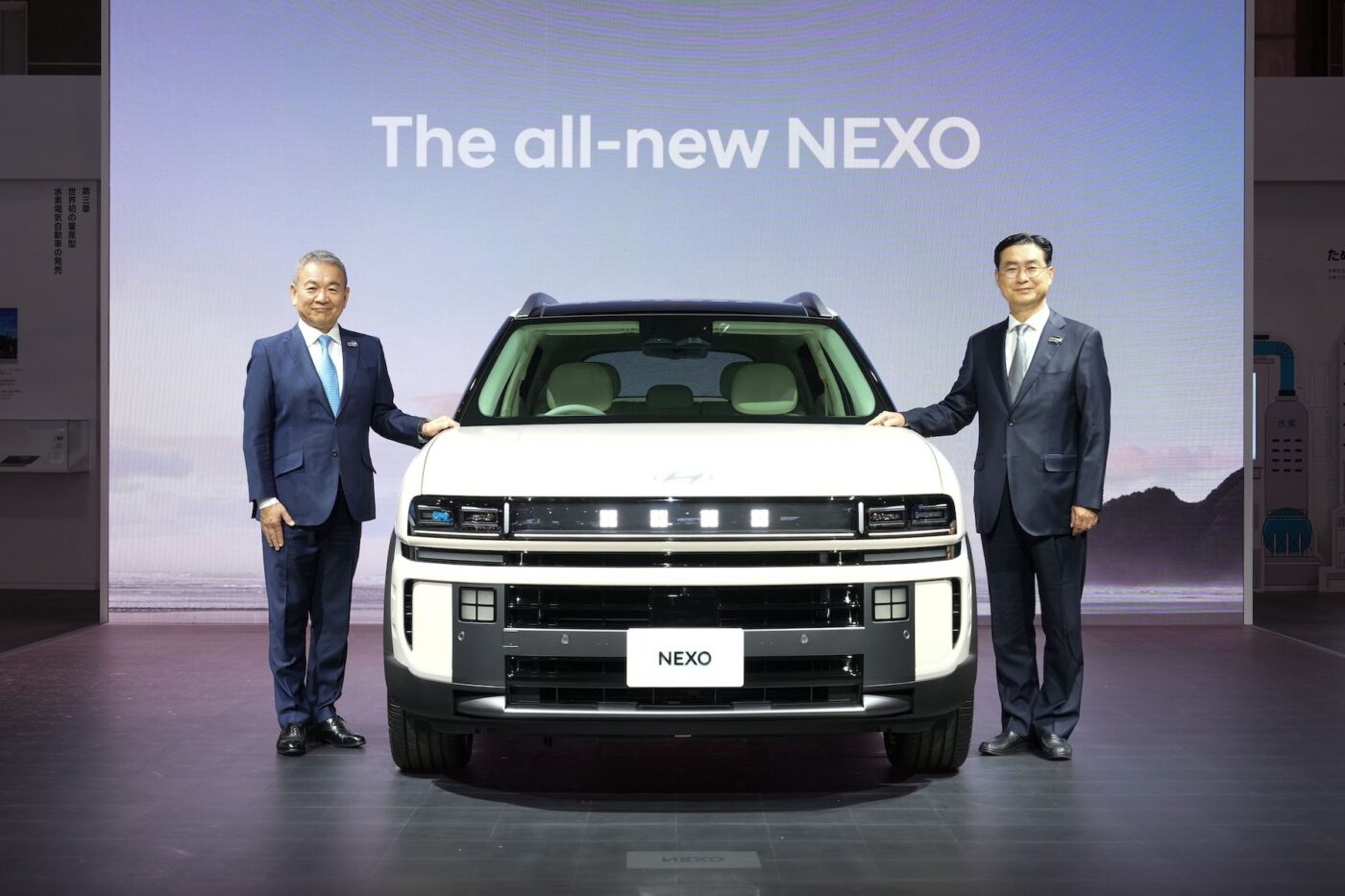



















Image: HyundaiMeasuring 4.8 m in length, 1.9 m in width and 1.7 m in height, the all-new Hyundai Nexo is bigger in every dimension compared to the first-gen model and is classified as a mid-size SUV in Japan. The wheelbase has remained unchanged at 2.8 m, and its slightly shorter turning radius of 5.5 metres (old model: 5.6 metres) makes it better suited to narrow roads.The all-new Nexo features significantly upgraded fuel cell and power electronics systems. The hydrogen fuel cell stack, internally called ‘PEMFC’, delivers a gross output of 110 kW, up 16 per cent from 95 kW in the old model. The net system output has improved by 11 per cent, increasing from 85 kW to 94 kW. The battery power has doubled to 80 kW, while the energy storage capacity has increased from 1.56 kWh to 2.64 kWh.A new two-stage electric motor, internally called ‘DE4N’, drives the front wheels. It operates with a single inverter under normal loads and uses both units during high-speed driving. It generates 150 kW of power and 350 Nm of torque, meaning the former has increased by 30 kW, while the latter has seen a drop of 45 Nm. The all-new Nexo accelerates from 0 to 100 km/h in 7.8 seconds, 1.4 seconds quicker than the first-gen model.Hyundai still uses three tanks, but with a slightly higher capacity of 54 litres instead of 52.2 litres. This change has increased the total hydrogen storage capacity from 6.33 kg to 6.69 kg, without any impact on interior space. The company claims that refilling the tanks takes about five minutes, which is no different from the first-gen model.The all-new Nexo achieves a range of 1,014 kilometres in the base trim featuring 18-inch wheels. In the higher grades with 19-inch wheels, it can travel up to 970 kilometres without refuelling.Hyundai says that the all-new Nexo is eligible for a subsidy of 1.47 million yen (approx. 7,900 euros) under Japan’s Clean Energy Vehicle (CEV) programme, which brings the entry price down to 6.03 million yen (approx. 32,400 euros). Residents of Chiyoda Ward, Tokyo, are eligible for additional subsidies of up to 2.2 million yen (approx. 11,800 euros), with other benefits bringing the net savings to up to 3.7 million yen (approx. 19,900 euros).hyundai.com