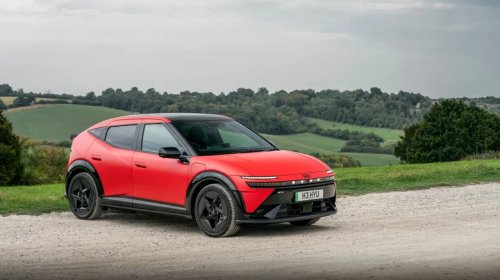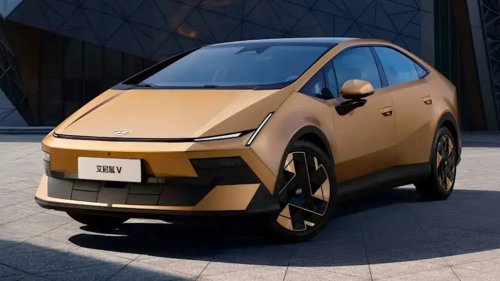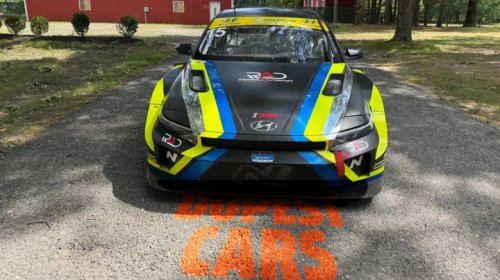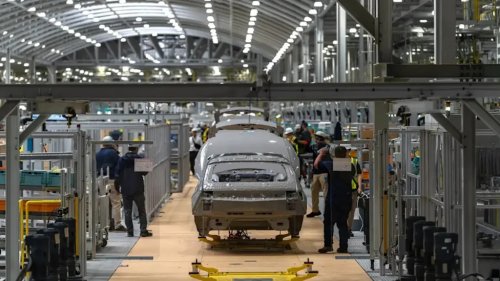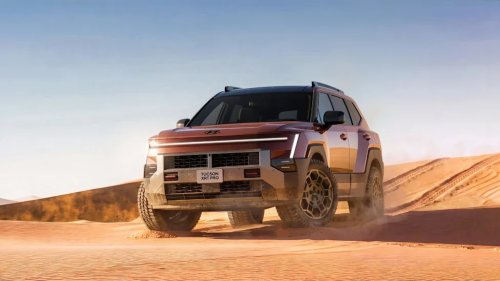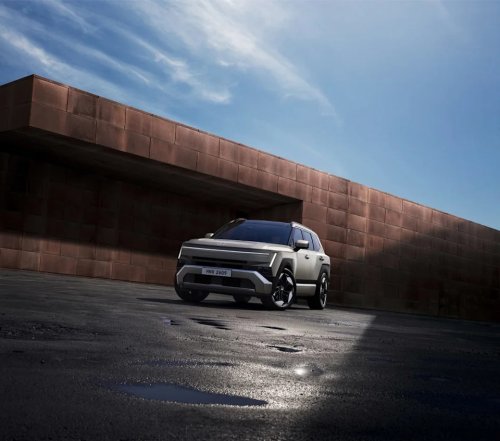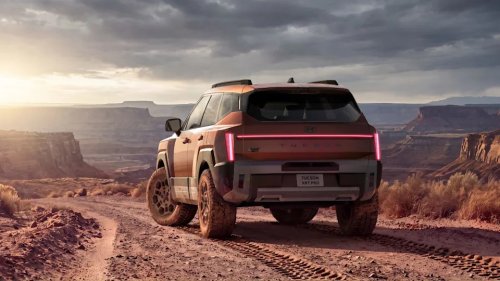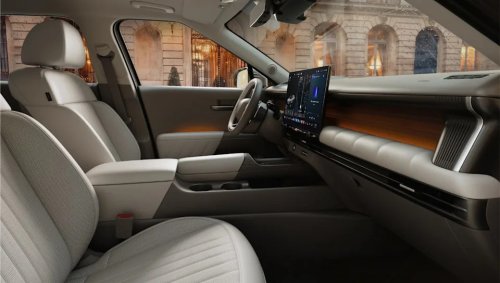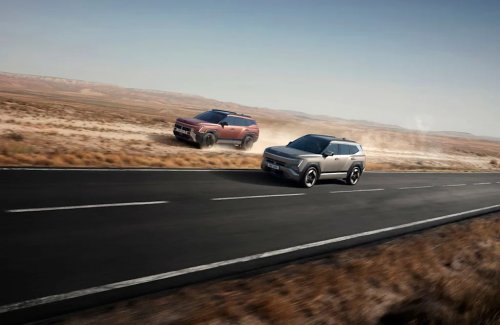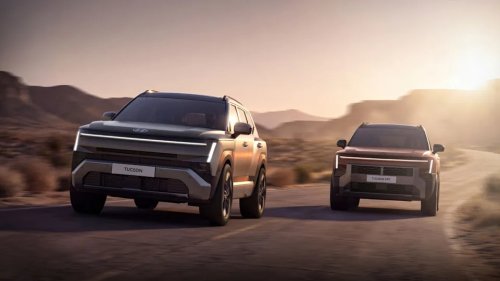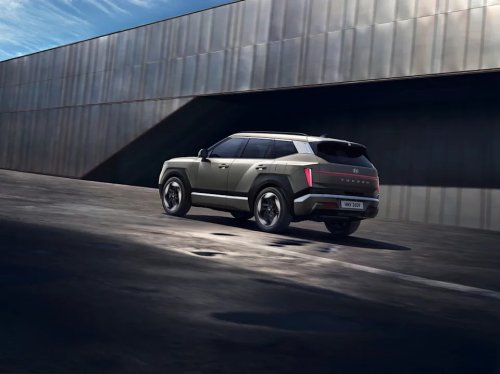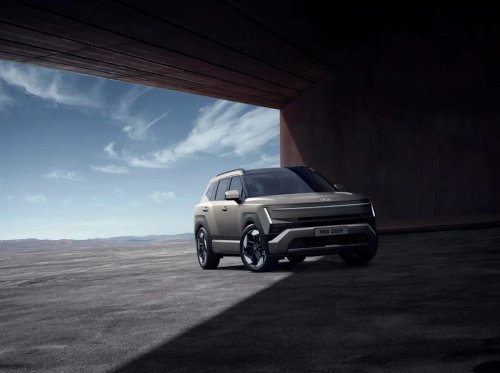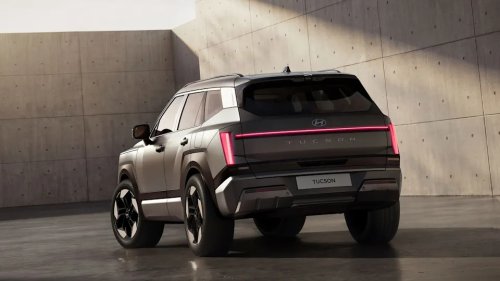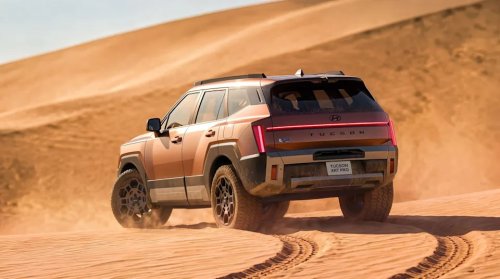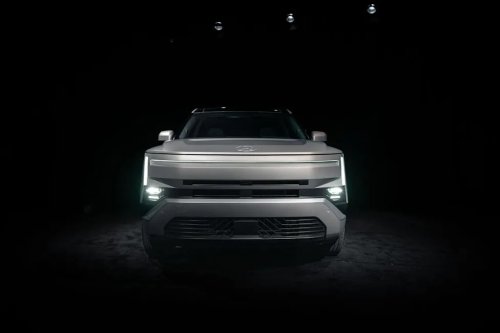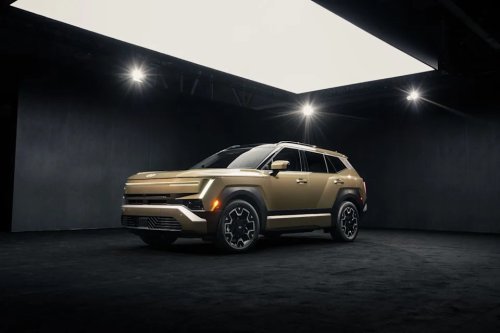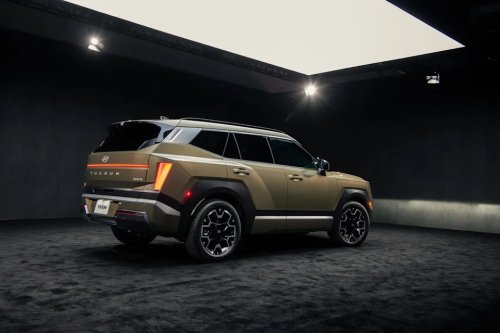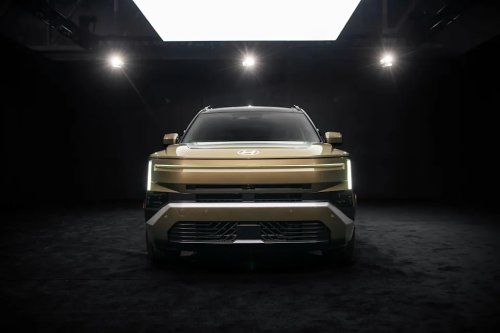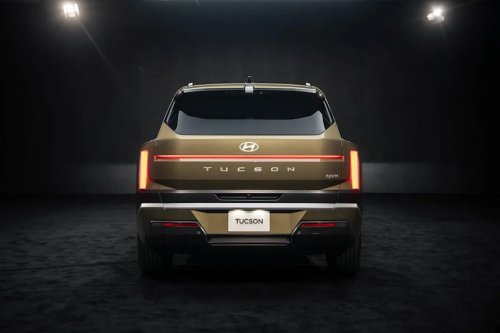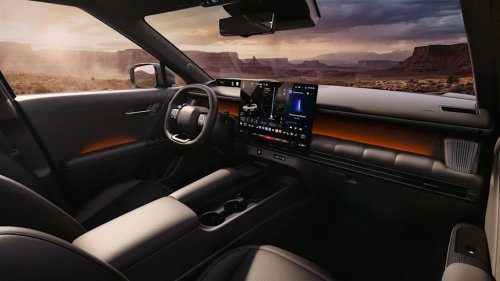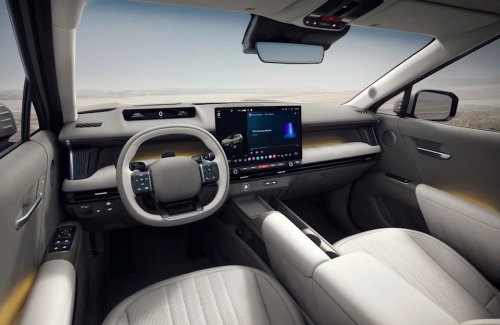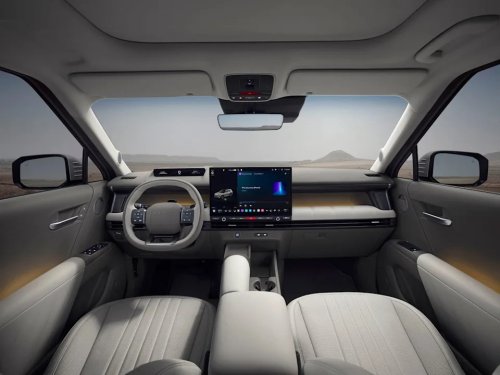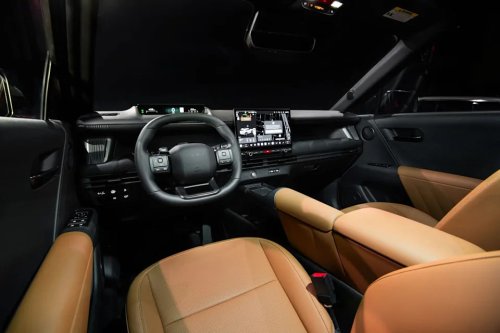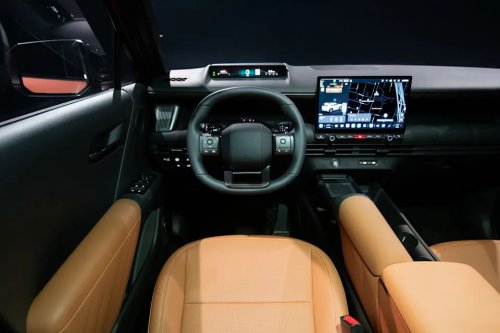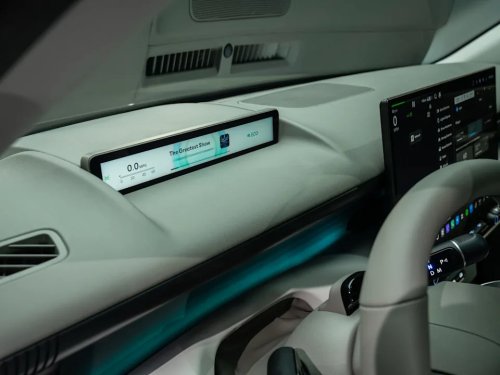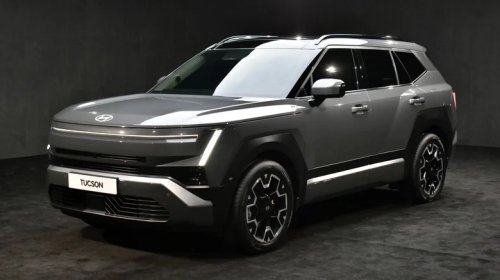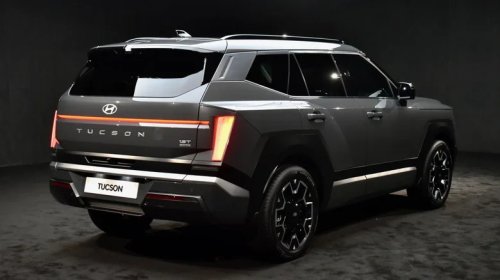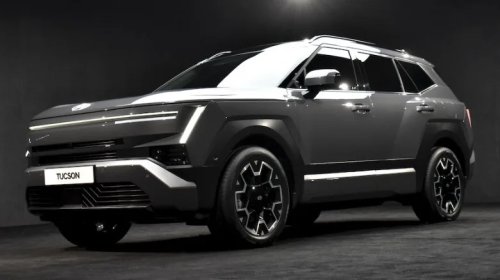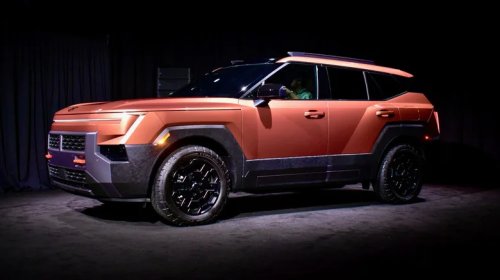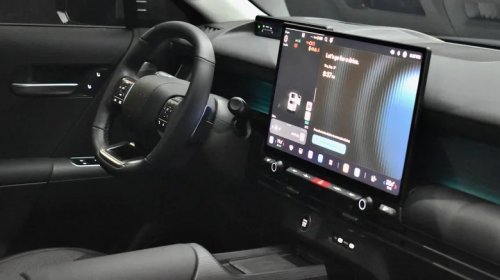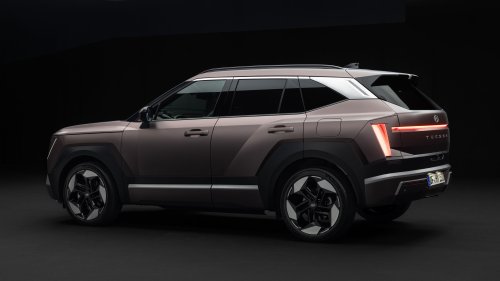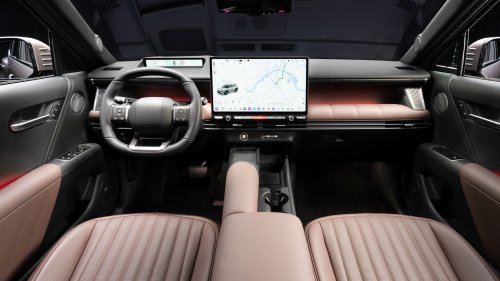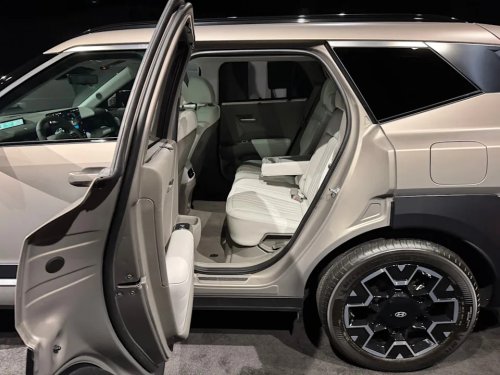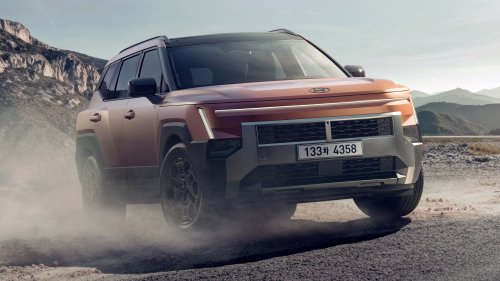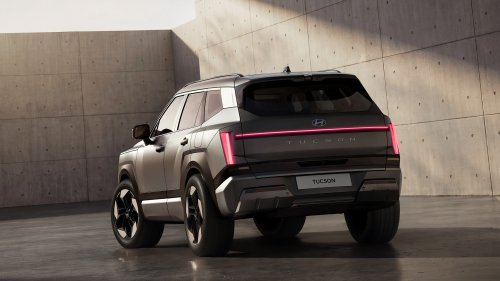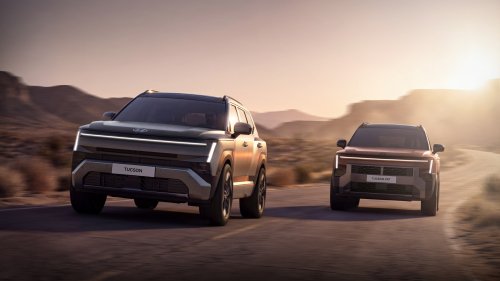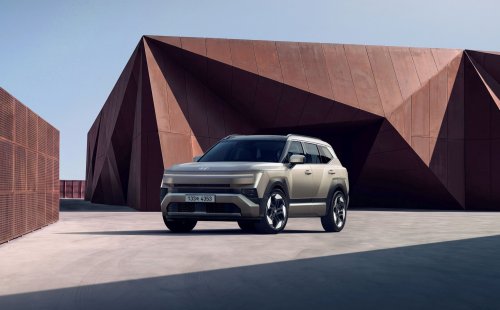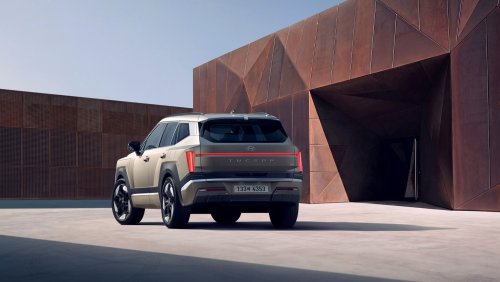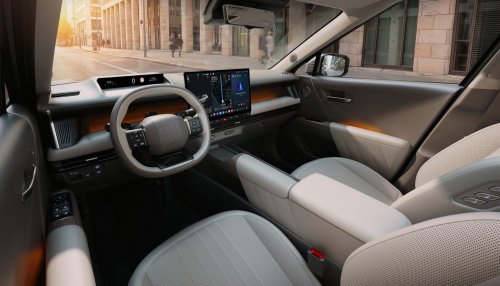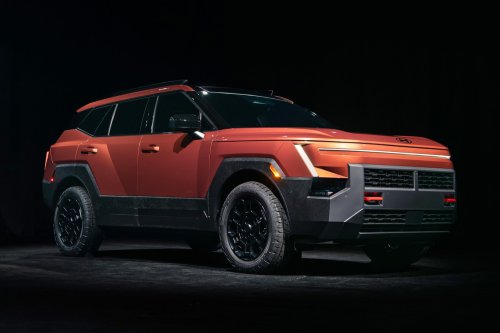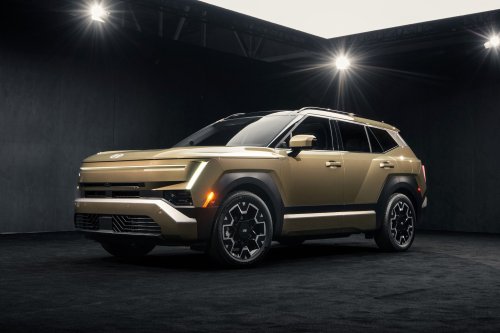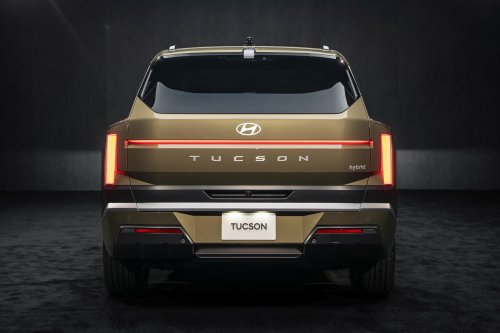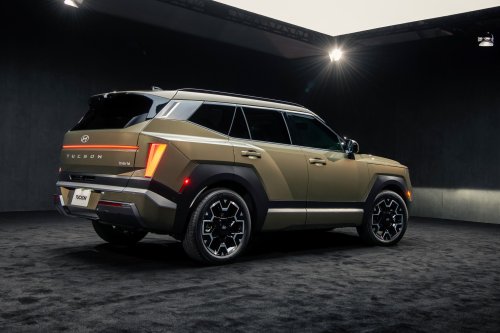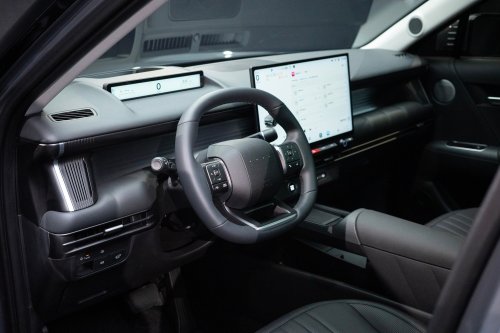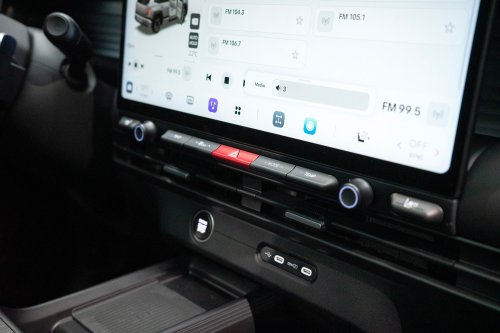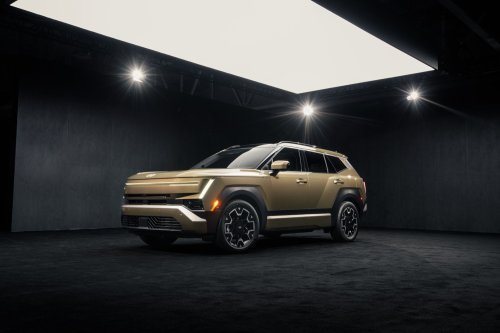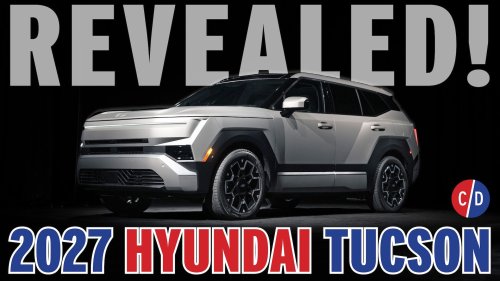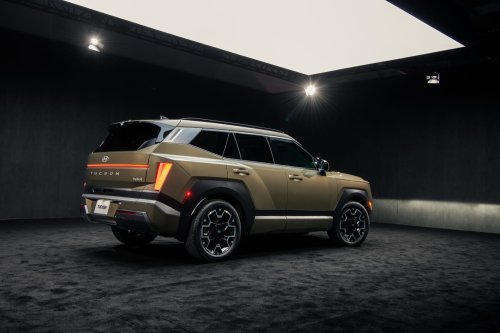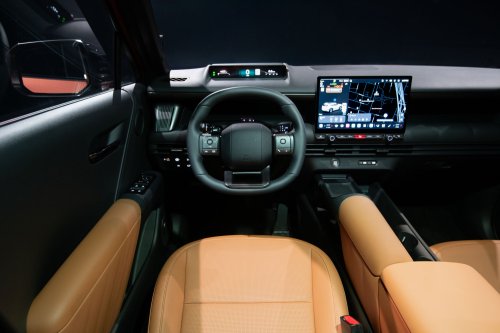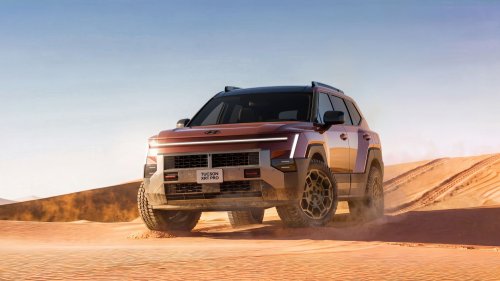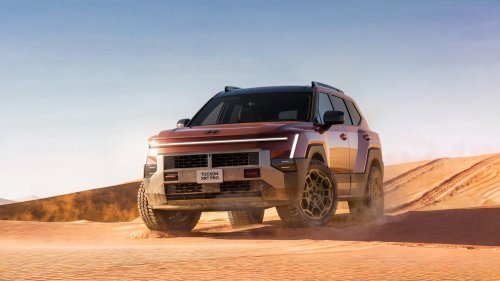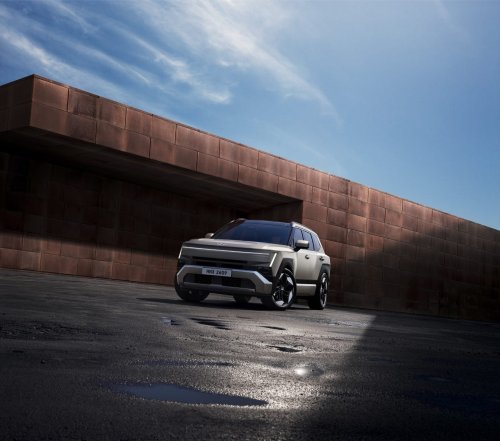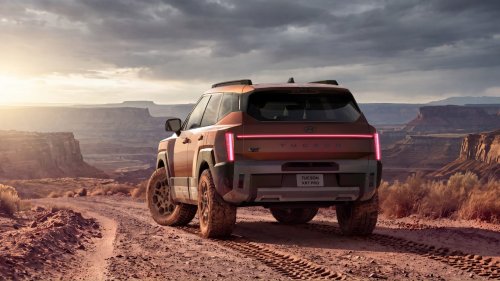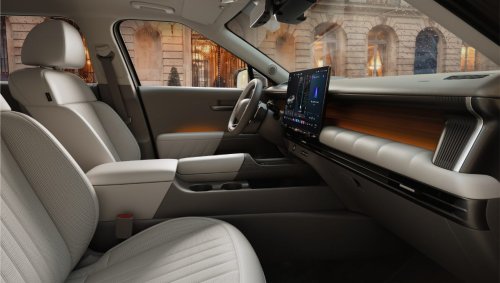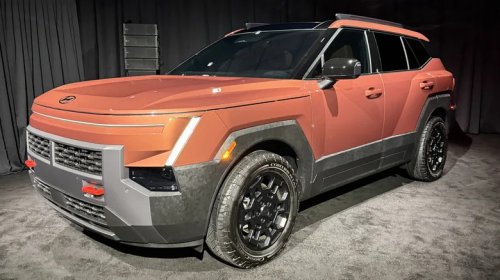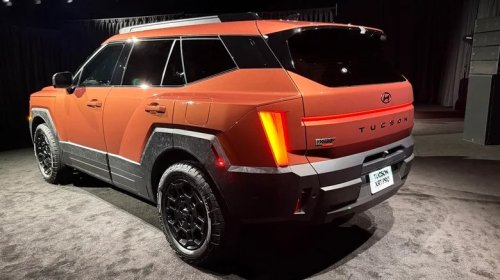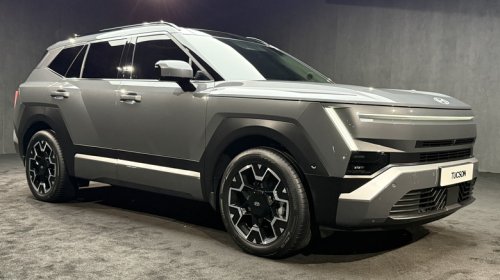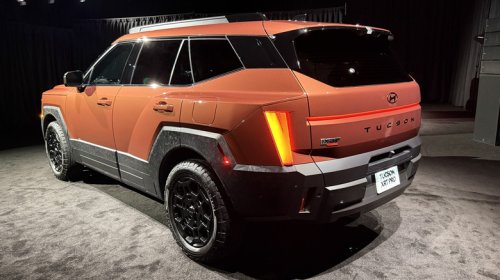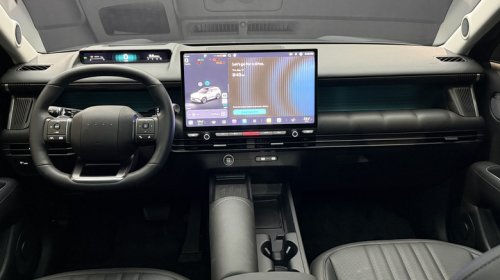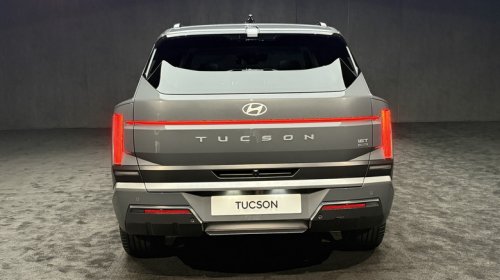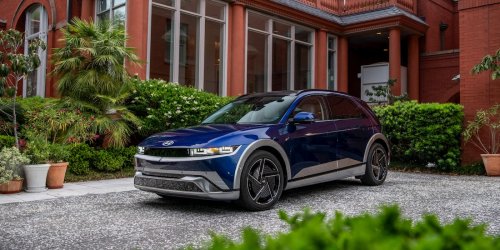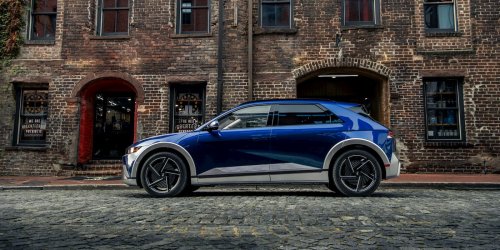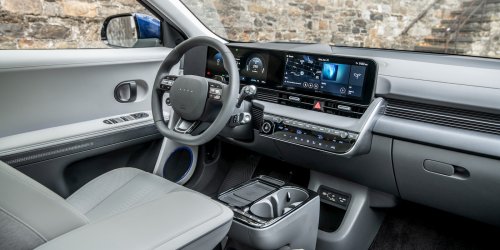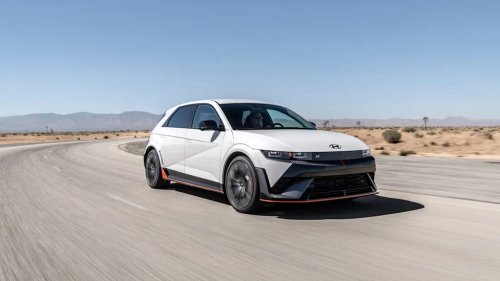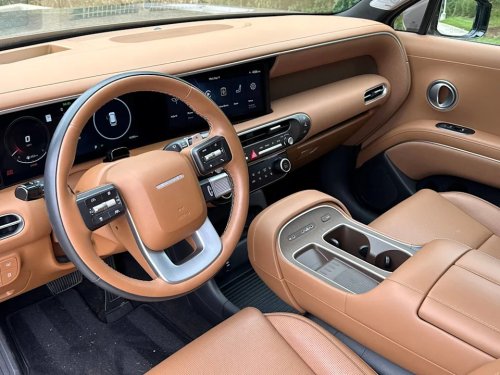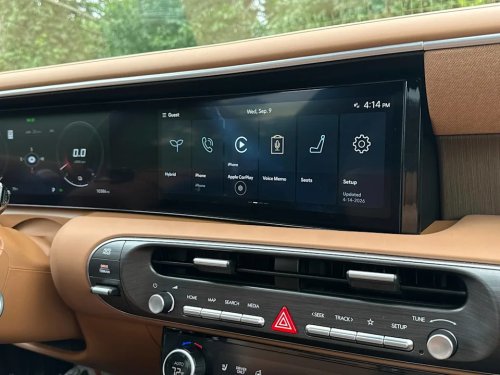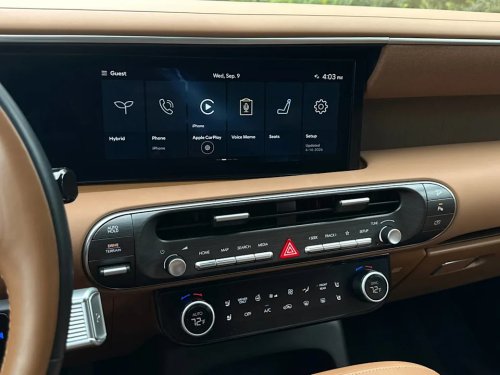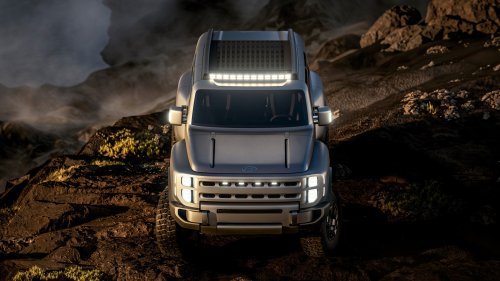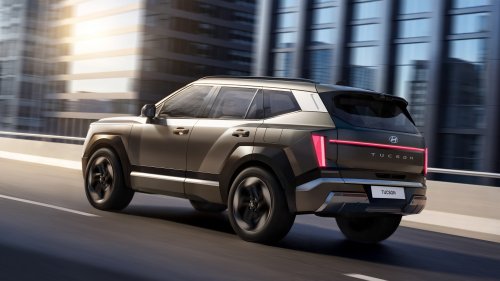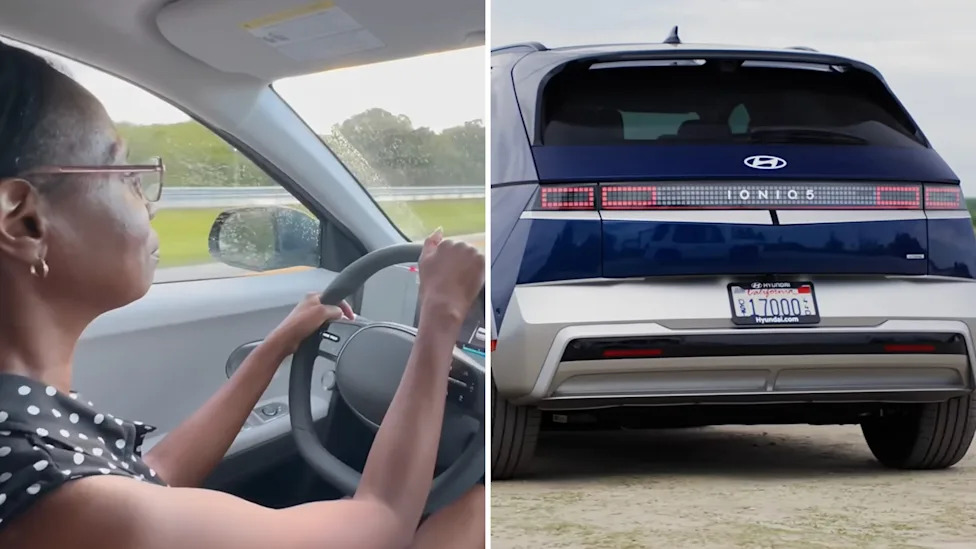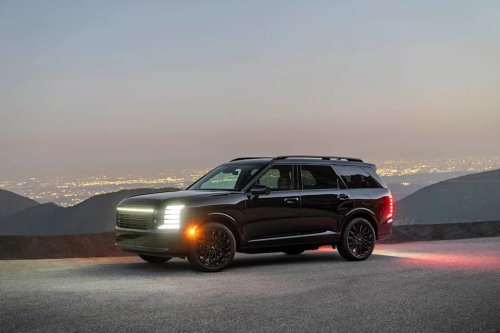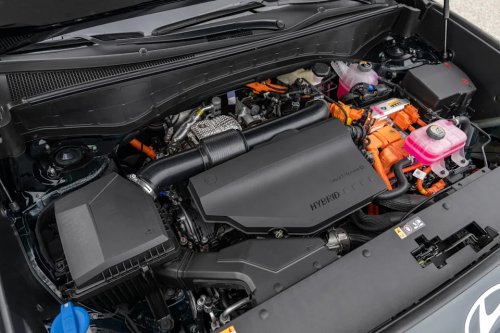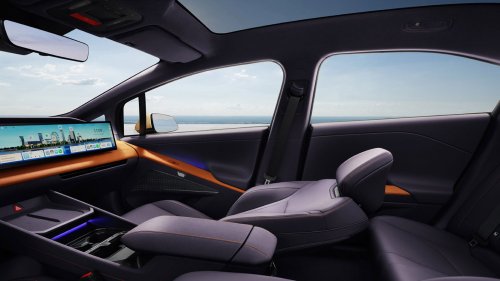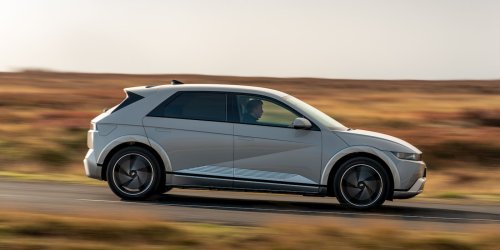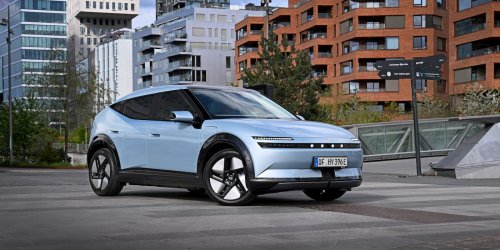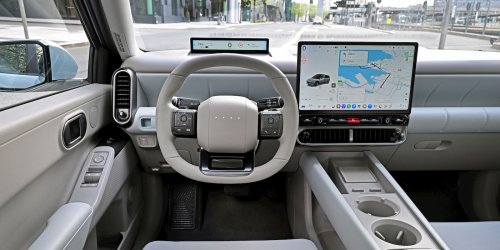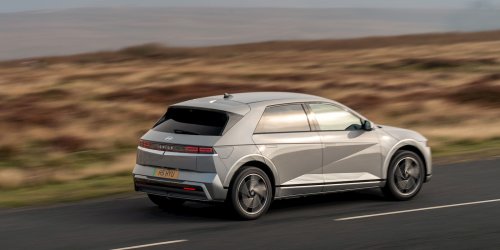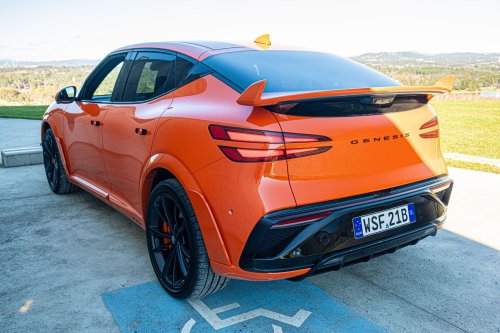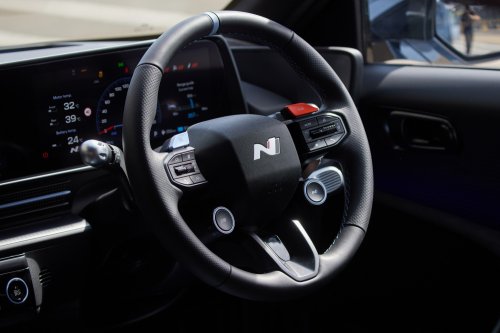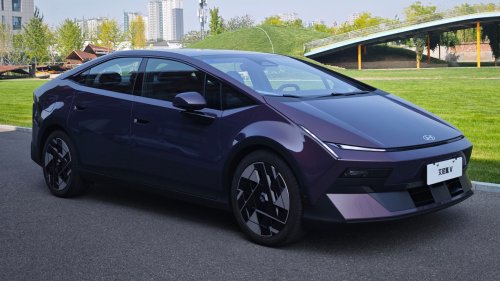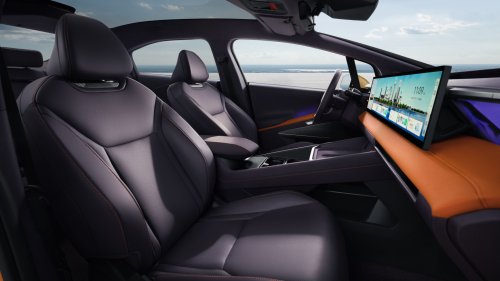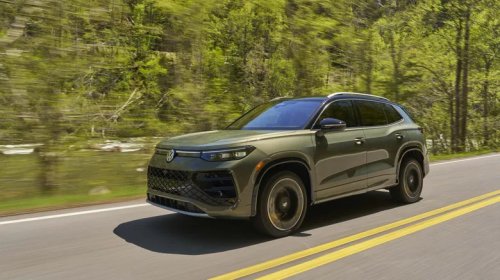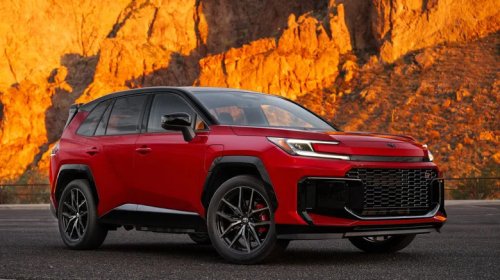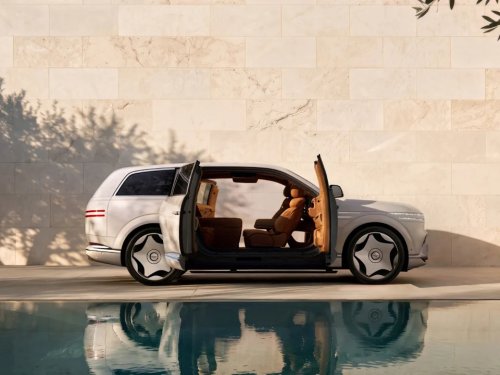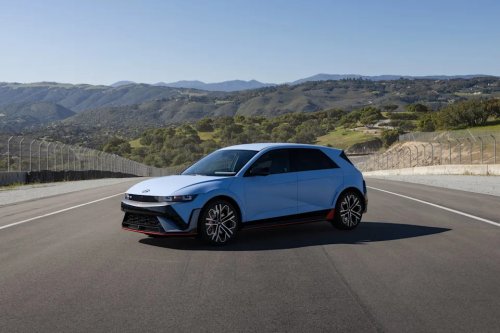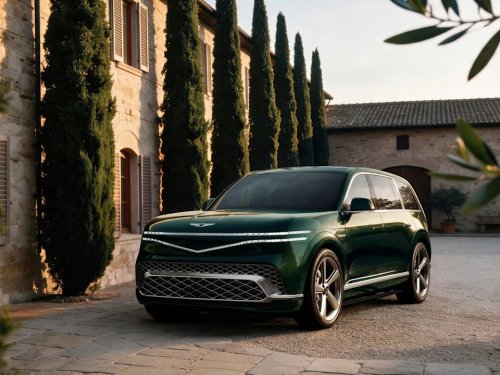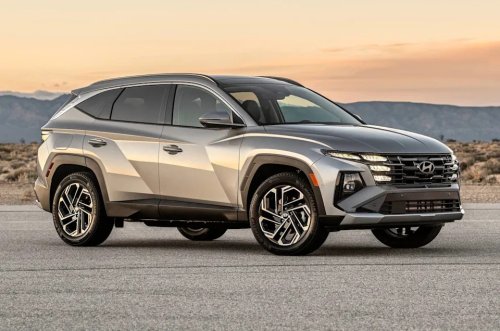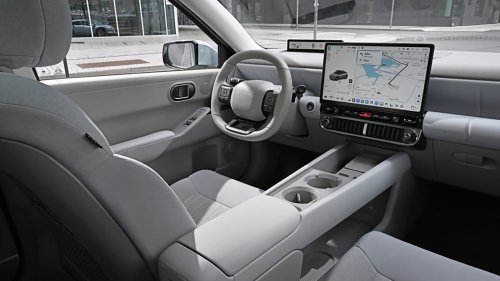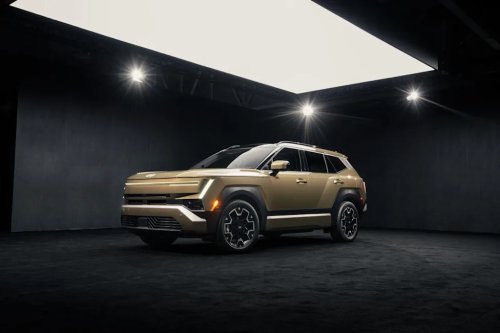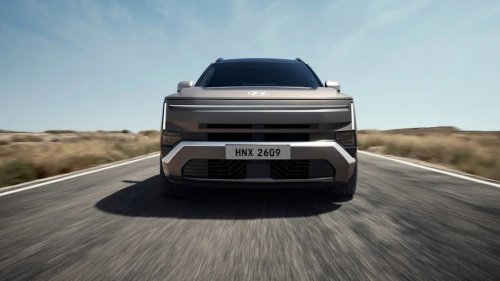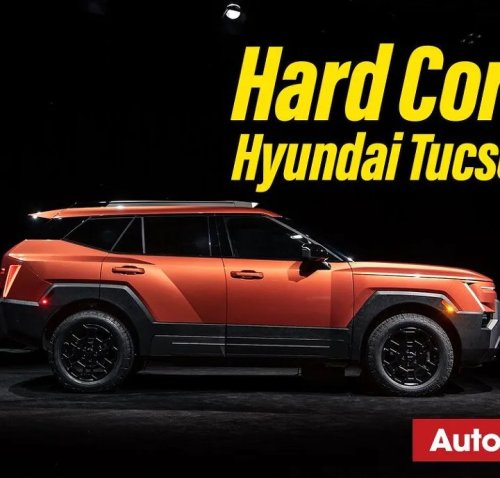
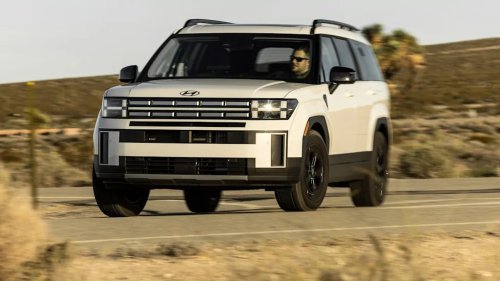
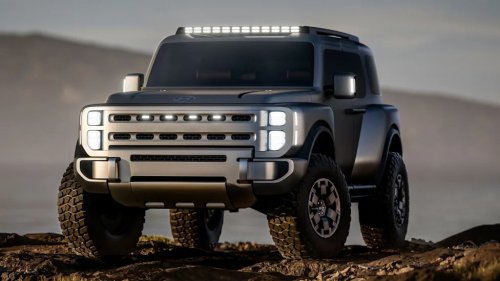
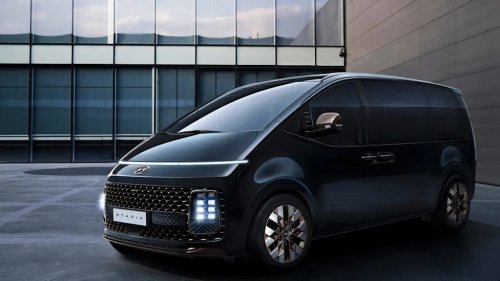
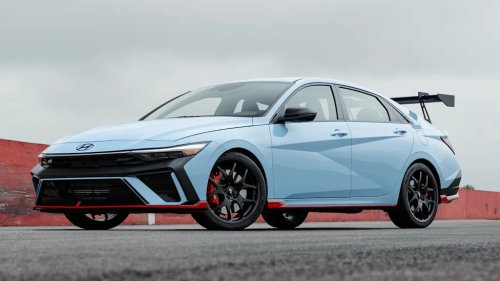
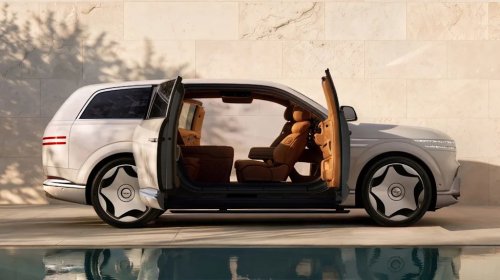
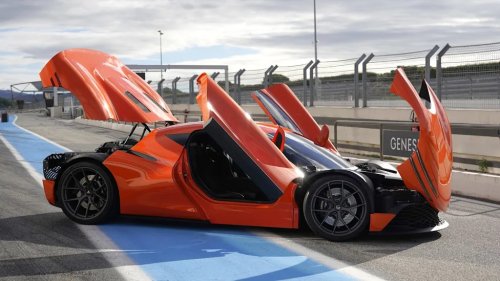



















Hyundai Has 58 New Vehicles ComingHyundaiHyundai Motor Company is planning a massive product blitz for the United States. Hyundai President and CEO Jose Muñoz announced today at the company's 2026 CEO Investor Day in Seoul, South Korea that Hyundai and Genesis will have 58 new vehicles combined in America by 2030, including new Extended Range Electric Vehicles (EREVs), hybrids, body-on-frame vehicles, N performance models, and even a van. Here's what's coming and when.Hyundai's New Vehicles by 2030Hyundai, being a full-line automaker, will receive the bulk of the attention from the Motor Company, with 36 new vehicles planned for the U.S. by 2030. Muñoz says new SUVs will be the first signs of its new product blitz.MotorTrend - MotorTrendThe first half of 2027 will mark the debut of a new 2028 Hyundai Santa Fe EREV, which, if Muñoz's timeframe sticks, will make it the first EREV on sale in America since the BMW i3 REX went out of production. The 2028 Santa Fe EREV will feature two motors (likely with one on each axle for all-wheel drive) and a 1.6-liter I-4 internal combustion engine that functions as a range extender, with the two powerplants combining for 600 miles of range.AdvertisementAdvertisementThe company also says its EREVs will be among the first of its electrified vehicles to feature a new Hyundai-designed battery cell. Details are scarce at the time of publication, but the company claims this pack has twice the energy density of the popular nickel-cobalt-manganese (NCM) lithium batteries in use today, as well as less weight and reduced charging times versus the battery packs in its existing E-GMP cars. The company also says versions of this pack will be on the company's next-gen EVs.The compact Hyundai Tucson SUV, which was revealed in Korea last week, is also making its way stateside soon. The new Tucson will be both longer and wider than the model it replaces, and feature a hybrid powertrain with 242 hp and 280 lb-ft of torque. The model also previews Hyundai's new styling direction, with bolder, more exaggerated lines, a boxier profile, and Hyundai's latest Pleos infotainment system, which recently debuted on the 2028 Genesis GV90.On the car front, the next-generation Hyundai Elantra was revealed alongside the Tucson in South Korea and is likely to make its way stateside. Like the Tucson, it features a blockier look, slim headlights, and flared fenders, giving it a retro-futuristic look. Considering the continued popularity of the Elantra in the U.S. despite a market preference for SUVs, we'd be surprised if this car wasn't included in the plans for next year.The picture is murkier on specifics for other future models, but the company's investor day presentation we witnessed provides some big hints.Hyundai - MotorTrendAs the calendar flips over into 2028, expect to see the first of Hyundai's new body-on-frame SUVs hit the streets. Previewed by the Boulder and Crater concepts, the former is a more traditional off-road-focused SUV influenced by models like the Ford Bronco, Jeep Wrangler, and Toyota 4Runner, while the Crater is a rally-inspired high-performance off-roader that will look at home on the sands of Baja or Dakar. We don't yet know which of the two will get the greenlight, but Muñoz told us Hyundai typically builds seven vehicles on each of its platforms. Given the heavy investment in body-on-frame architecture, the company's product introductions will include multiple vehicles on the platform in various styles, including a pickup truck.AdvertisementAdvertisementAnother white space Hyundai sees in the U.S. is in the large commercial van market. Hyundai currently produces three vehicles globally that could fit the bill. Of its existing vans, the Staria might make the most sense. Hyundai and GM have reportedly been in talks regarding licensing the Staria to Chevrolet for a new sub-Express model, which could give Hyundai the desired economies of scale it needs to offer the Staria stateside.MotorTrend - MotorTrendOther options include the Porter, a popular cab-forward work pickup and van in South Korea, although that seems like an unlikely fit in our market in its current fairly rudimentary form. Hyundai also sells the Solati globally, which is a large commercial van akin to the Mercedes-Benz Sprinter or Ford Transit. It was last updated in 2017, but could be a fit in its next generation.N models also figure big in Hyundai's future. Muñoz announced Hyundai will offer seven new N models, including a small SUV and another high-performance all-wheel-drive model by 2030. The company also says it's launching a new N subbrand to bridge the gap between entry level N-Line models and the track-ready full N models. This to-be-named subbrand will offer the powertrains of N models but promise to be more daily-driver friendly than some of the company's existing, harder-core N vehicles. Think hot powertrains, but softer suspensions and more comfortable interiors.Hyundai Motor America - MotorTrendFor those who prefer to be driven rather than drive themselves, Hyundai also announced that autonomous versions of the Ioniq 5 built for Waymo will start being delivered this year. This will likely be the first in a salvo of autonomous vehicles from the company, as Hyundai views autonomy as an increasingly large part of its business plans for the future for both ridesharing services and consumers alike.Genesis' New Vehicles by 2030The Genesis luxury brand also plays a key part in Hyundai Motor Company's future plans, with 22 new Genesis models for North America by 2030, with 2027 in particular looking to be extra busy.GenesisFirst up is the new 2028 Genesis GV90 flagship SUV, which made its global debut in San Francisco last week. Featuring luxury touches such as optional coach doors and swiveling seats, as well as new technologies such as a wireless battery management system and thermal runaway protection for the battery pack, the GV90 previews many of the features we expect to see trickle down into other products.AdvertisementAdvertisementAlso coming soon is a new GV80 Hybrid, which was revealed during the CEO Investor Day and will have a more formal reveal in September. The new GV80 Hybrid, according to reporting from Car and Driver, teams a 2.5-liter turbocharged I-4 with an electric motor. With 347-hp, Hyundai claims the hybrid delivers 25 percent more power and 25 percent better efficiency than the comparable nonhybrid GV80 powertrain. The model will also feature a new liquid-cooled battery pack for higher electric performance, with an EV-like drive experience being promised by Hyundai.Not far behind is what the presentation's slides suggest is a GV70 EREV. This new Genesis EREV will be revealed in early 2027, and feature 640 miles of range, plus the same new battery pack technology as the Santa Fe EREV.MotorTrend - MotorTrendFurther out, Genesis hasn't been quiet about its desire to produce a halo hypercar and luxury grand tourer. The Magma GT concept previews the company's thinking on hypercars, though the timing on this vehicle is anything but confirmed at the moment. Meanwhile, a trio of G90 concepts, including Bentley Continental–esque coupe and convertible versions, similarly highlight where the company might go in that space.Muñoz's presentation was light on details for Genesis' other new products, but we can also infer updates to older products such as the G70 and G80 sedans, while we also would be surprised if Genesis doesn't attempt a body-on-frame SUV of its own to compete directly with the Cadillac Escalade and Lincoln Navigator.AdvertisementAdvertisementTaken together, the roadmap shows Hyundai broadening its U.S. strategy. Hybrids and EREVs will serve buyers not ready for full EVs, body-on-frame models will move the company into more lucrative segments, and Genesis will continue its march upmarket. While many of the 58 launches remain unspecified, the larger direction is clear: Hyundai intends to compete in more segments, with more powertrain choices, very soon.