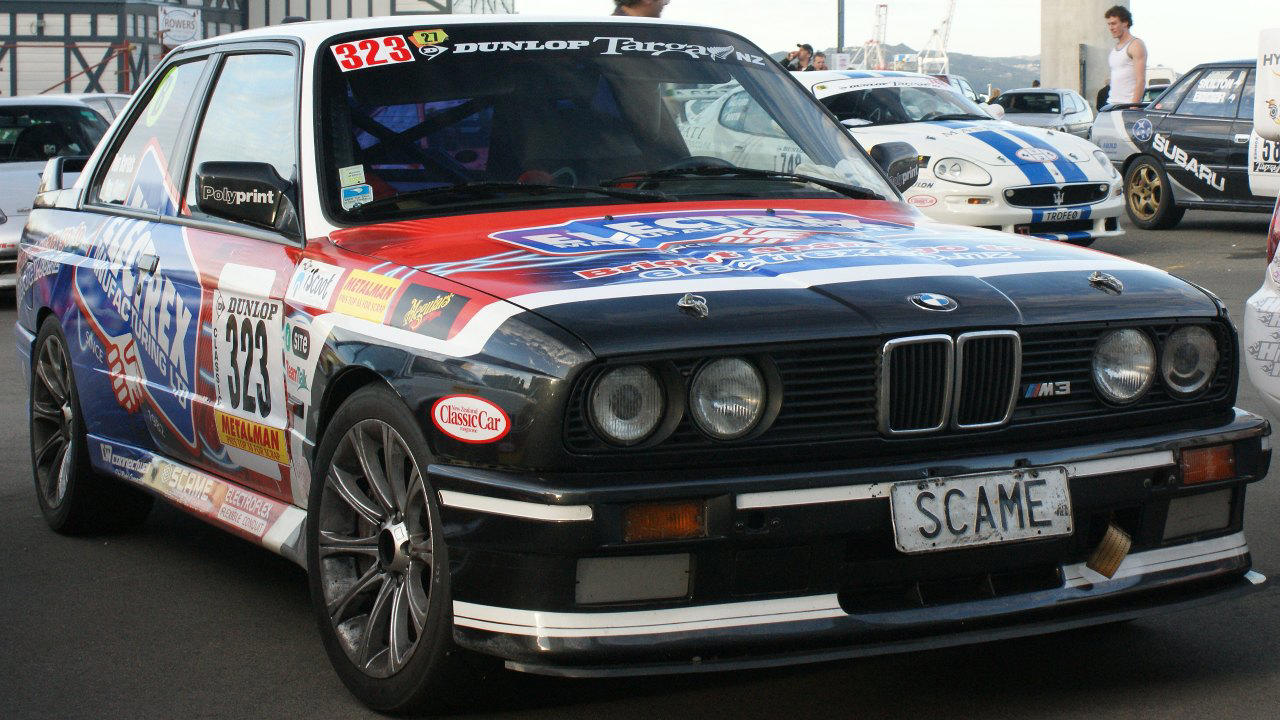
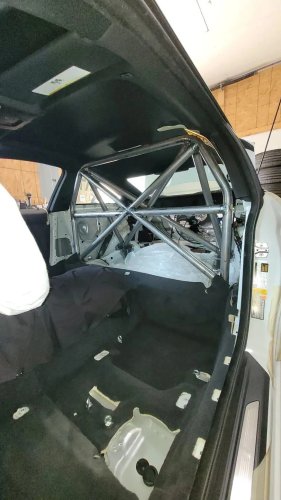
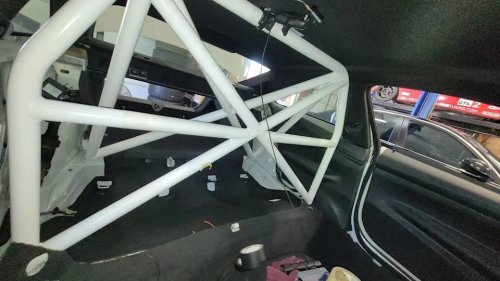
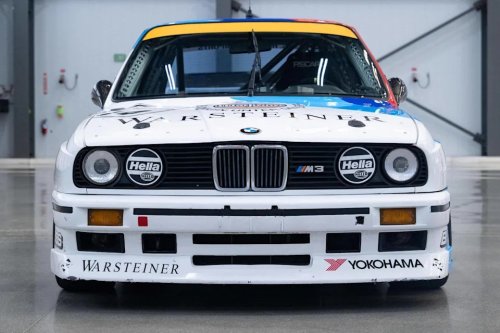
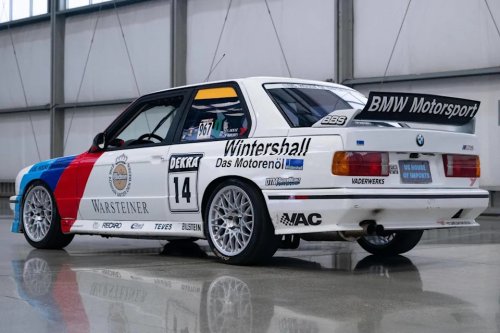
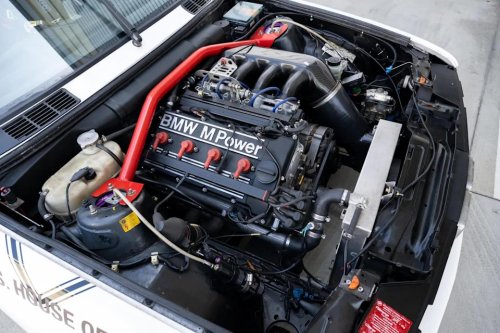
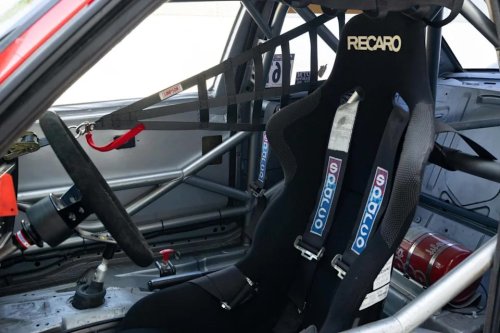
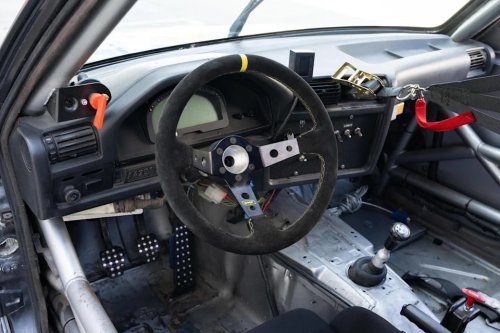
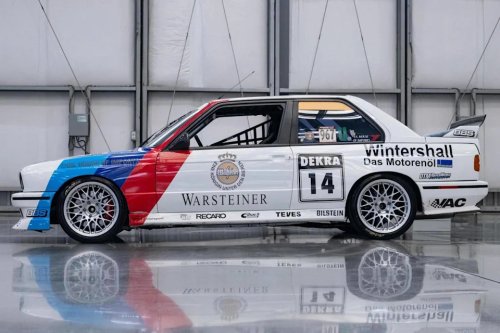
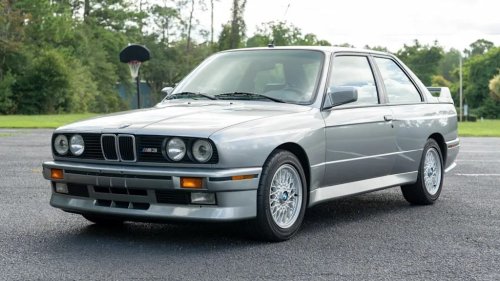
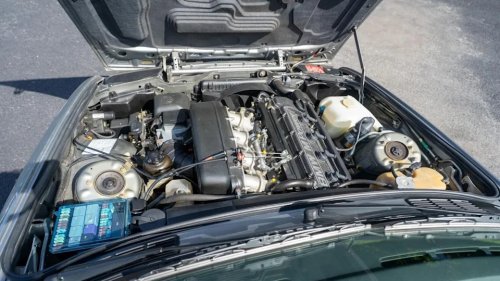
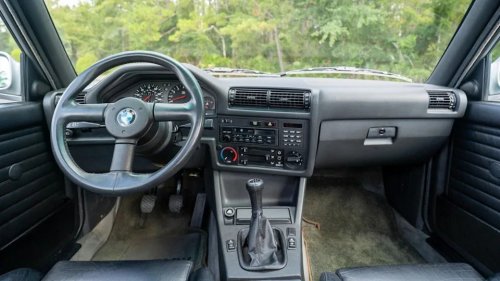
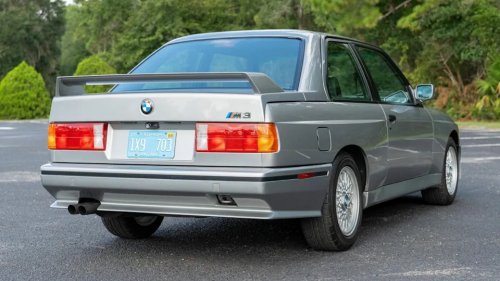
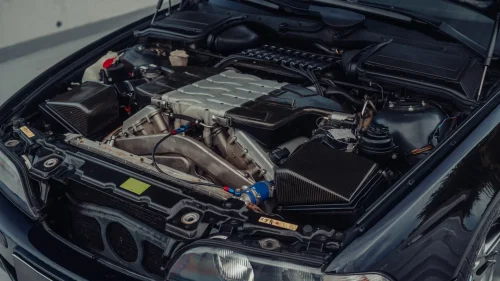
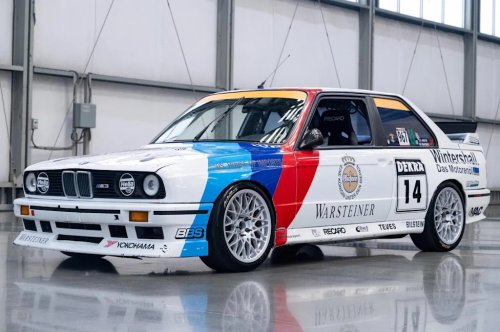
The 1989 BMW M3 arrived at a moment when touring car racing still dictated what the fastest roadgoing sedans looked and felt like. Built to satisfy strict homologation rules, it turned a compact executive car into a razor edged competition tool that enthusiasts could register, insure, and drive to work. That blend of everyday usability and race bred focus is what allowed this particular M3 to set a benchmark for homologation specials that rivals still chase. By the late 1980s, the first generation M3 had already begun to prove itself on circuits and rally stages, but the 1989 cars crystallized the formula. With their sharpened aerodynamics, high revving four cylinder engine, and chassis tuned around Group A regulations, they showed how far a manufacturer could push a production shell without losing road manners. The result was a car that did not just qualify BMW for touring car grids, it redefined what a street legal racing sedan could be. From touring car paperwork to roadgoing icon The original BMW M3 was conceived not as a marketing exercise but as a way to get a competitive sedan onto the grid under Deutsche Tourenwagen and other Group A rules. Those regulations required a minimum production run, so BMW Motorsport turned the E30 3 Series into a homologation special with a unique body, engine, and suspension package that had to be sold to regular customers. Internal planners expected to build only a few thousand units to clear the regulatory hurdle, yet demand quickly outstripped those cautious forecasts as buyers realized how closely the road car mirrored the race machines. BMW itself later described the first M3 as a racing sedan made available as a street version, noting that nobody foresaw how successful it would become with both private owners and professional teams. The car was not designed as a flagship for the broader 3 Series range, it was a focused tool created so that a competition version could be homologated for racing. That purity of purpose, baked into the project from the start, is what allowed the 1989 model year to stand out as a distilled expression of the homologation brief rather than a lightly tuned derivative of a volume model. Engineering a sedan around the rulebook To turn the E30 shell into a race ready platform, BMW engineers reworked almost every panel that mattered to aerodynamics and packaging. The M3 gained flared fenders to house wider wheels and tires, a reshaped rear window and C pillar to improve airflow, and a prominent rear wing and front splitter that reduced high speed lift. These changes were not styling flourishes, they were driven by the need to stabilize the car at racing speeds and to accommodate the suspension geometry and track width required for touring car competition. Under the bonnet, BMW installed a four cylinder engine derived from its existing two litre racing units, enlarged and adapted for road use while retaining a high revving character. Contemporary technical summaries describe extensive use of motorsport technology in the powertrain, including a cylinder head concept that drew directly from BMW’s competition experience. Anti lock brakes, a limited slip differential, and a close ratio five speed Getrag gearbox were standard equipment, turning the car into a tightly integrated package where the drivetrain, chassis, and aerodynamics all served the same goal of circuit performance. The 1989 sweet spot in the M3 evolution By 1989, the M3 program had matured enough that BMW could refine the formula without diluting its intent. That year sat between the earliest, slightly rawer cars and the later Sport Evolution variants, which pushed the envelope further but in smaller numbers. Period road tests of 1989 examples describe a car that combined the sharpened bodywork and mechanical upgrades of the evolving M3 line with a level of reliability and usability that made it realistic as a daily driver, even as it remained fundamentally a homologation product. Collectors and specialists now often single out late 1980s cars as a sweet spot because they capture the original concept before emissions and comfort demands began to reshape performance sedans in the 1990s. A 1989 M3 in unmodified condition, such as the original right hand drive example documented in Ireland, shows how cohesive the package was from the factory, with its specific body shell, suspension, and drivetrain all intact. That integrity matters, because it reflects the car as BMW Motorsport intended it to be when it was still directly tied to the touring car program rather than to later nostalgia. Race dominance that justified the road car compromises The M3’s reason for existing was always competition, and its record in touring car racing validated every compromise made on the road car. In period, the E30 M3 became one of the most successful race cars of its time, amassing victories across national and international series. Reports on its motorsport history describe it as a race champion that won the 24 Hours of Nürburgring multiple times and collected titles in series that included the Deutsche Tourenwagen championship and various rally championships, including the Irish Tarmac Rally Championship. In Group A touring car racing, the M3 was nearly unbeatable once development hit its stride, with its balance, durability, and predictable handling giving it an edge over more powerful but heavier rivals. Later retrospectives on BMW’s racing history place the first M3 alongside the brand’s most legendary competition cars, noting that its success on track elevated it from a clever homologation exercise to an eternal icon. That dominance fed directly back into the road car’s reputation, because buyers knew that the flared fenders and high revving four cylinder in their driveway were not marketing props but the hardware that had just won major endurance and sprint races. Legacy, special editions, and modern reverence The 1989 M3 did not exist in isolation, it sat within a family of increasingly focused variants that deepened the homologation story. Special editions such as the Johnny Cecotto models and the later Sport Evolution cars used the same basic template but added incremental power, chassis tweaks, and cosmetic cues linked to specific drivers or racing milestones. A Cecotto edition, for example, tied the road car directly to the achievements of Johnny Cecotto in DTM competition, while the Sport Evolution pushed displacement and aerodynamics further as BMW chased every advantage allowed by the regulations. Over time, this web of race results and limited production variants turned the first generation M3 into a collector’s item. Commentators now describe it as the most successful race car of its time and note that early M3s are gaining traction among collectors who value both their competition pedigree and their analog driving experience. Even scale models of 1989 rally cars, sold as limited edition pieces, trade on the car’s motorsport heritage and appeal to serious automotive aficionados who see the E30 M3 as a touchstone for touring car culture. That reverence has spilled into digital culture as well, where the 1989 BMW M3 appears in racing games such as Gran Turismo 7 and in countless video reviews and retrospectives. Enthusiasts dissect its need to accommodate a roll cage, wider wheels, and other racing hardware even in road trim, using those details to explain why it feels so different from later performance sedans. When I look at the way the 1989 car balanced regulatory necessity, engineering ingenuity, and real world usability, I see a template for homologation greatness that few modern cars, constrained by different rules and expectations, can hope to replicate. More from Fast Lane Only: Unboxing the WWII Jeep in a Crate 15 rare Chevys collectors are quietly buying 10 underrated V8s still worth hunting down Police notice this before you even roll window down



















 +58 others














![BMW's new iX4 leaks days ahead of its debut [Images]](https://cdn.topcarnews.net/thumb/id/aHR0cHM6Ly9pMC53cC5jb20vZWxlY3Ry-ZWsuY28vd3AtY29udGVudC91cGxvYWRz-L3NpdGVzLzMvMjAyNi8wNy9CTVctaVg0-LUdULVNVVi0yLmpwZWc_dz0xNTAwJmFt-cDtxdWFsaXR5PTgyJmFtcDtzdHJpcD1h-bGwmYW1wO3NzbD0x/44847916d4631457013dfd46d3f7570e.jpeg?t=20261007&post_id=68433)