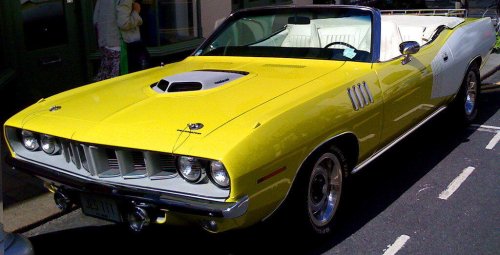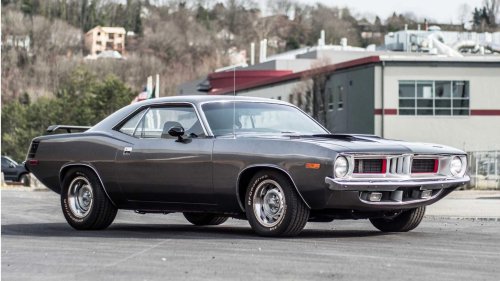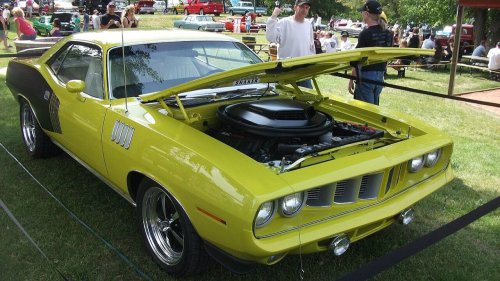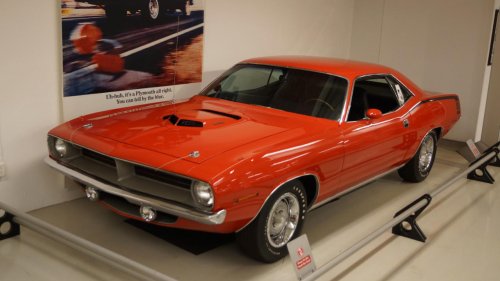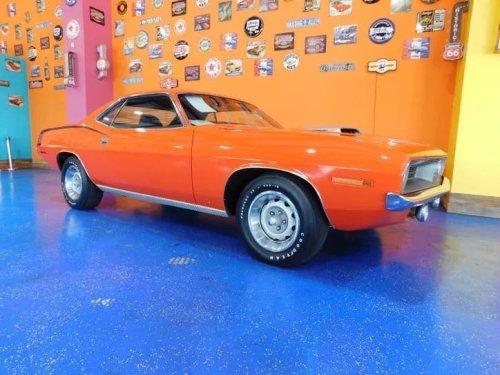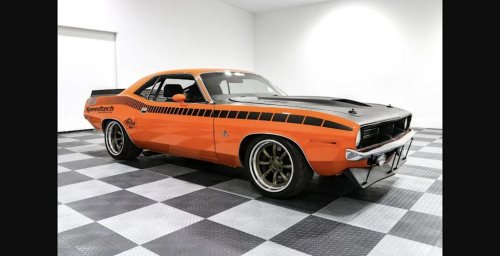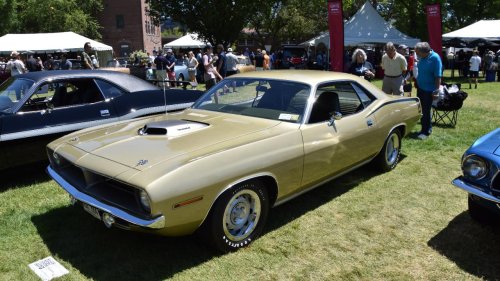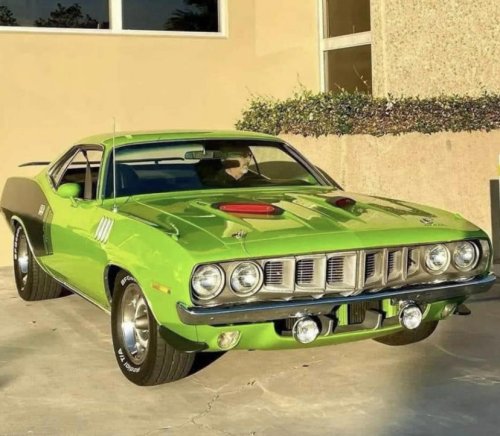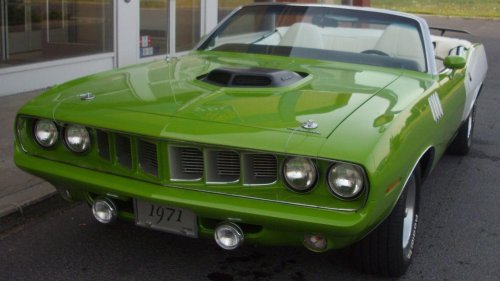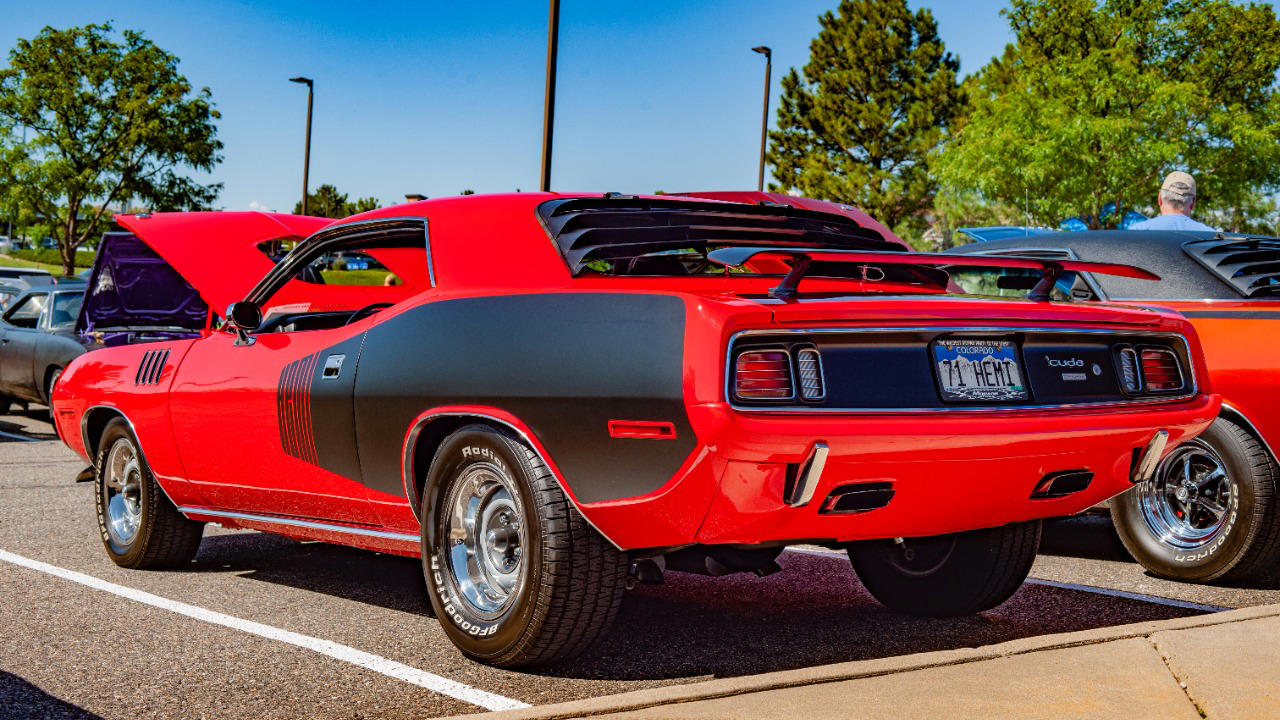



















How the 1971 Hemi ’Cuda became one of muscle car history’s shortest storiesThe 1971 Hemi ’Cuda occupies a unique place in American automotive history. It is one of the most recognizable muscle cars ever built, one of the most valuable collector cars in existence, and one of the most celebrated performance machines to emerge from Detroit’s golden age. Yet for all its fame, the Hemi ’Cuda’s actual production story was remarkably brief. Unlike performance cars that enjoyed long runs and multiple generations, the Hemi-powered ’Cuda existed for only a fleeting moment. By the time enthusiasts fully understood what they had, the era that created it was already beginning to disappear. Today, the 1971 model is remembered as the ultimate expression of Chrysler’s muscle car formula. But its legend was born from a combination of incredible performance, unfortunate timing, and astonishing rarity. In many ways, the 1971 Hemi ’Cuda became famous precisely because its story ended so quickly. The Peak of the Muscle Car Era By 1971, the American muscle car movement had reached its high-water mark. Throughout the 1960s, Detroit manufacturers had steadily escalated the horsepower wars. Bigger engines, more aggressive styling, and increasingly powerful performance packages became standard weapons in the battle for young buyers. At Chrysler, few engines represented that arms race better than the legendary 426 Hemi. Introduced in racing form during the 1960s and later adapted for street use, the Hemi had developed a fearsome reputation. Its hemispherical combustion chambers allowed superior airflow compared to conventional cylinder-head designs, helping the engine produce exceptional power. Officially rated at 425 horsepower, the street Hemi was widely believed to produce considerably more. The engine transformed virtually any vehicle it entered into a performance icon. When paired with Plymouth’s redesigned E-body ’Cuda, the result was one of the most potent muscle cars ever offered to the public. A New Look for 1971 The 1971 model year brought significant changes to the ’Cuda. Plymouth’s designers updated the front end with quad headlights, a revised grille, and more dramatic styling. New fender-mounted louvers, redesigned taillights, and aggressive body details gave the car a distinctive appearance that many enthusiasts consider the best-looking ’Cuda ever produced. The styling matched the car’s personality. Everything about the 1971 ’Cuda looked muscular and purposeful. Buyers could choose from a wide range of engines, but the ultimate option remained the 426 Hemi. Checking that box transformed the car from a stylish pony car into a street-legal monster. The combination of the new body design and the legendary engine created what many collectors now view as the definitive Hemi ’Cuda. Unfortunately, the market was changing rapidly. Trouble Was Already Brewing While performance enthusiasts often remember 1971 as a peak year, storm clouds were gathering around the muscle car industry. Insurance companies had begun targeting high-performance vehicles with sharply increased premiums. Young drivers—the very customers muscle cars were designed to attract—often found insurance costs nearly as painful as monthly car payments. At the same time, federal emissions regulations were becoming stricter. Manufacturers faced increasing pressure to reduce exhaust emissions and improve overall vehicle compliance. The engineering compromises required to meet future standards threatened the high-compression engines that had powered the muscle car boom. Fuel economy concerns were also beginning to gain attention. The muscle car era wasn’t ending overnight, but the warning signs were becoming impossible to ignore. Unfortunately for the Hemi ’Cuda, all of those factors arrived at exactly the wrong moment. The Cost of Hemi Power Even before market conditions worsened, the Hemi was never a common option. The engine was expensive. Buyers who selected the 426 Hemi paid a significant premium over other available powerplants. While the Hemi delivered incredible performance, many customers concluded that less expensive engines provided more practical value. Chrysler’s 440 Six-Barrel engine, for example, offered impressive acceleration at a lower cost. For many buyers, that was enough. As insurance rates climbed and economic concerns increased, fewer customers were willing to spend extra money on the most extreme engine available. As a result, Hemi production numbers remained extremely low. The 1971 model year would ultimately become one of the rarest of all. Production Numbers That Created a Legend One reason the 1971 Hemi ’Cuda commands extraordinary attention today is its rarity. Only a tiny number were produced compared to mainstream muscle cars of the era. The exact figures vary depending on body style and transmission choice, but total production amounted to just a few hundred examples. Convertible versions became even rarer. In fact, certain 1971 Hemi ’Cuda convertibles rank among the most valuable American automobiles ever sold at auction. At the time, however, nobody viewed rarity as a selling point. Low production simply reflected declining demand for expensive, high-performance cars. The factors that discouraged buyers in 1971 would later make collectors desperate to own one. The End of the Street Hemi The Hemi’s story effectively ended shortly after the 1971 model year. Although the engine remained available in limited numbers for 1971, demand had fallen dramatically compared to its peak years. For 1972, Chrysler discontinued the street Hemi entirely. The decision marked the end of one of Detroit’s most legendary performance engines. Without the Hemi, the ’Cuda continued briefly, but the magic had changed. Compression ratios fell across the industry as manufacturers adapted to emissions requirements and lower-octane fuel. Horsepower ratings declined. Insurance pressures remained intense. The muscle car era entered a new phase, one focused more on survival than domination. The Hemi-powered ’Cuda never returned. A Car That Barely Had Time to Make History What makes the 1971 Hemi ’Cuda so fascinating is how quickly its story unfolded. The car represented the peak of Chrysler’s performance ambitions. It combined one of the most advanced American V8 engines of its era with one of the most dramatic body designs ever produced by Plymouth. Yet by the time the car reached showrooms, many of the conditions that had allowed muscle cars to flourish were already disappearing. The Hemi ’Cuda arrived at the exact moment the industry was changing direction. Its reign lasted only briefly. Unlike cars that gradually faded from relevance, the Hemi ’Cuda effectively reached its peak and then vanished. That abrupt ending contributed enormously to its mystique. From Slow Seller to Auction Superstar Few buyers in 1971 could have predicted what would happen decades later. As muscle car collecting gained popularity during the 1980s, 1990s, and 2000s, enthusiasts began seeking the rarest and most significant examples from the era. The Hemi ’Cuda checked every box. It was powerful. It was visually striking. It carried one of the most famous engines in automotive history. And most importantly, very few were built. As demand increased, prices climbed rapidly. Today, exceptional 1971 Hemi ’Cudas routinely command prices that place them among the most valuable American production cars ever made. Rare configurations, particularly convertibles, have achieved multi-million-dollar auction results. The scarcity that once hurt sales ultimately became one of the car’s greatest assets. Why the Story Ended So Quickly Looking back, the 1971 Hemi ’Cuda represents both a beginning and an ending. It showcased the absolute peak of Detroit’s muscle car philosophy. More power, more style, and more performance had driven the industry for years, and the Hemi ’Cuda embodied all three. At the same time, it arrived just as insurance costs, emissions regulations, changing fuel requirements, and shifting consumer priorities began reshaping the automotive landscape. The result was a car whose production run felt almost impossibly short. The Hemi ’Cuda didn’t disappear because it failed. It disappeared because the world around it changed. That timing transformed it from a powerful muscle car into a legend. More than five decades later, the 1971 Hemi ’Cuda remains a symbol of the muscle car era’s final crescendo—a machine that arrived at the peak of the movement, delivered everything enthusiasts could have wanted, and then exited the stage almost as quickly as it appeared. Its story may have been short, but its impact has lasted for generations. More from Fast Lane Only Unboxing the WWII Jeep in a Crate 15 rare Chevys collectors are quietly buying 10 underrated V8s still worth hunting down Police notice this before you even roll window down The post How the 1971 Hemi ’Cuda became one of muscle car history’s shortest stories appeared first on FAST LANE ONLY.