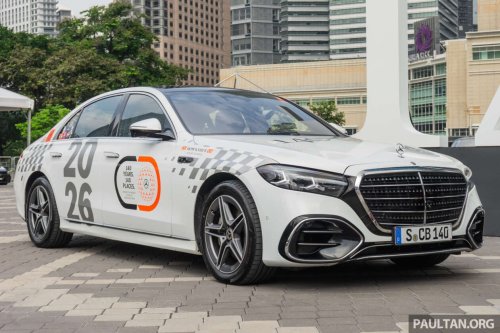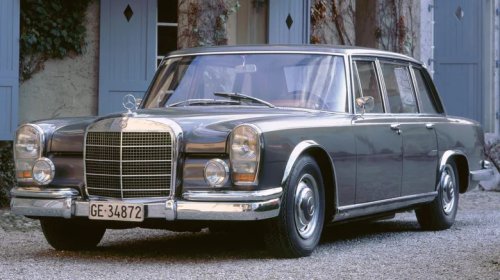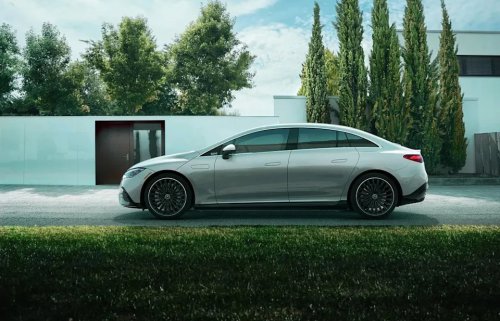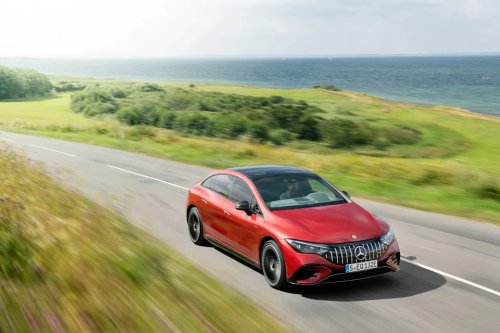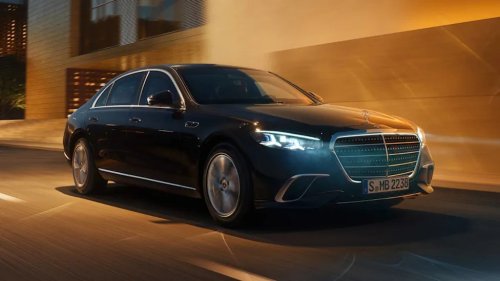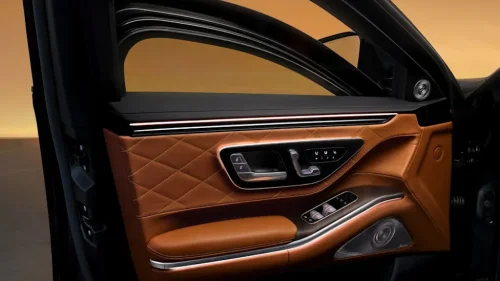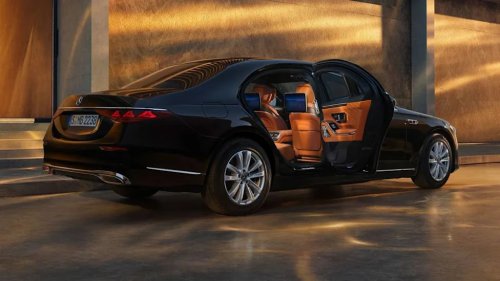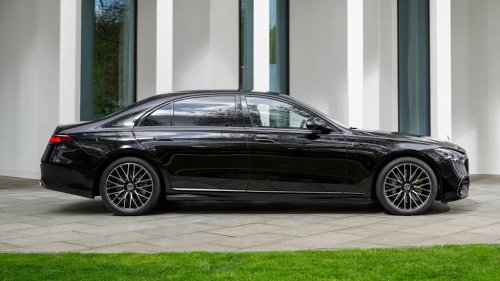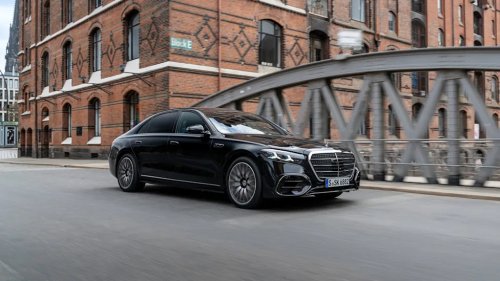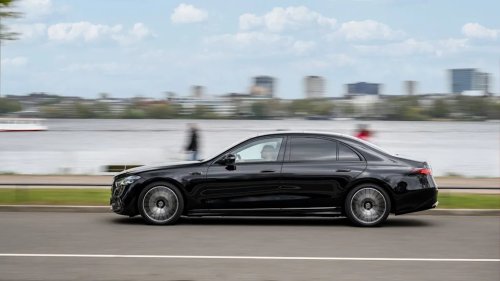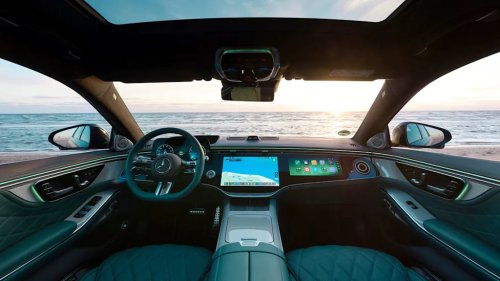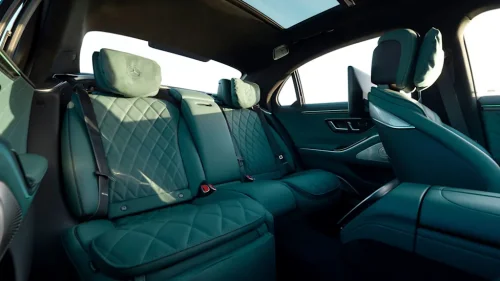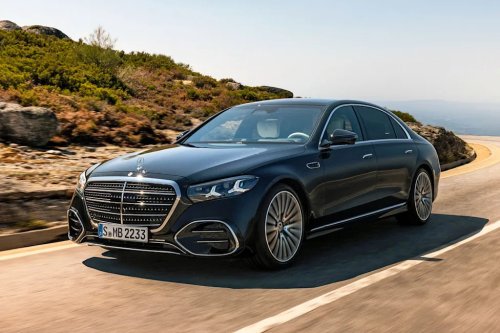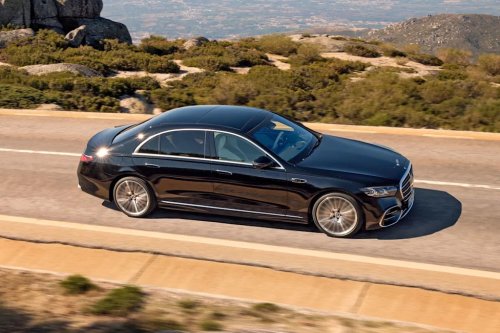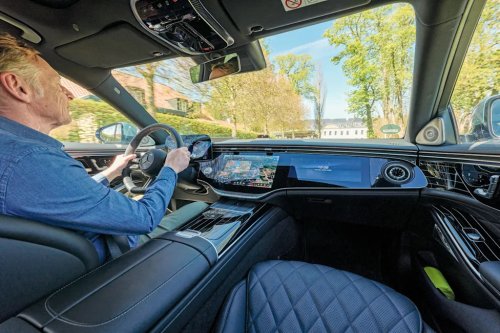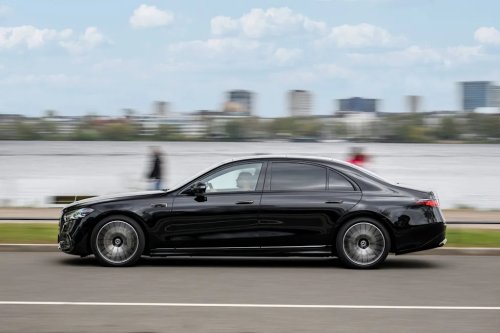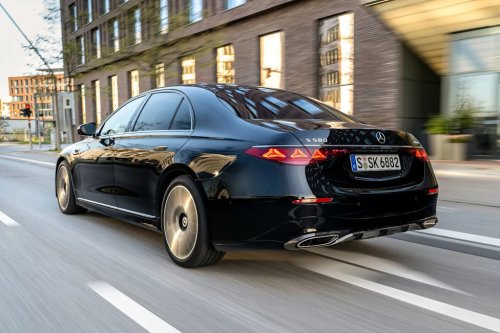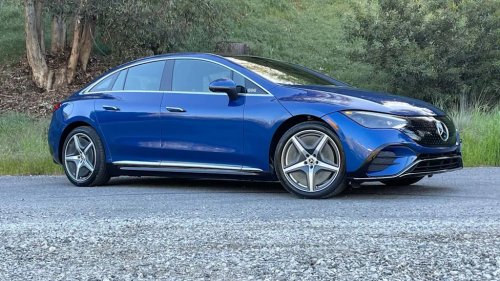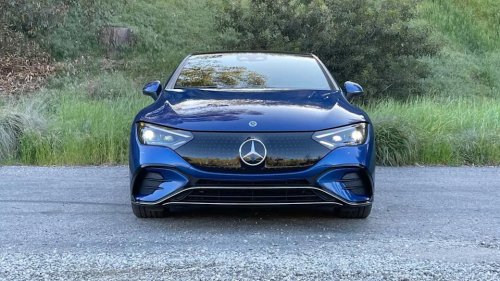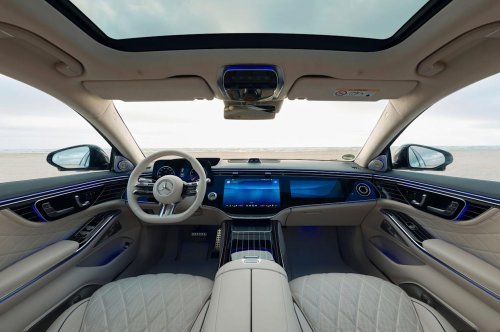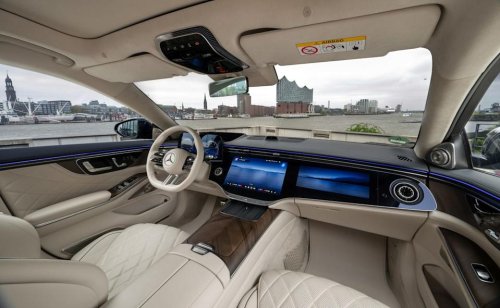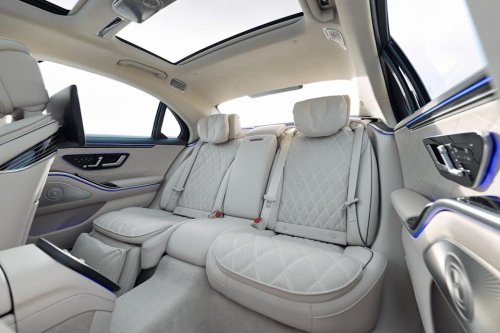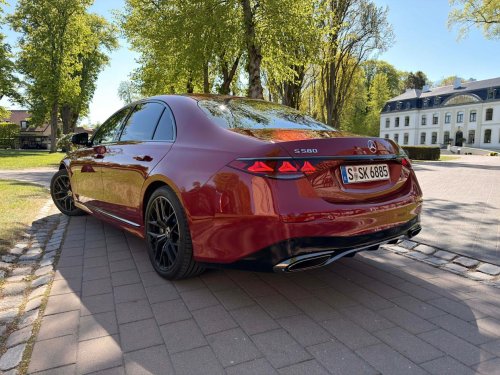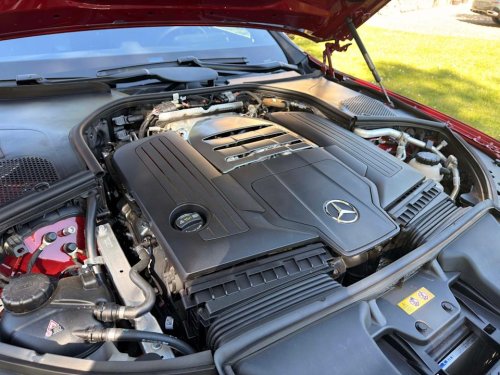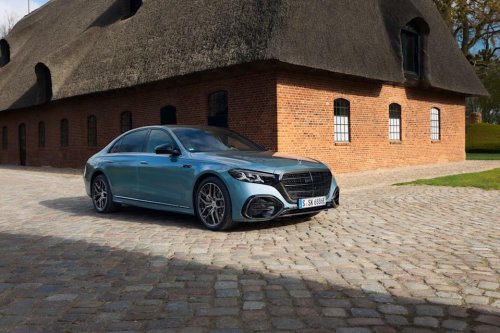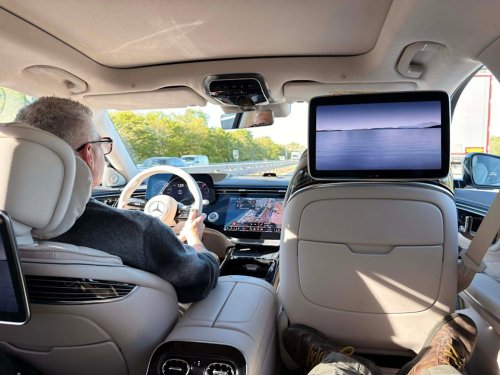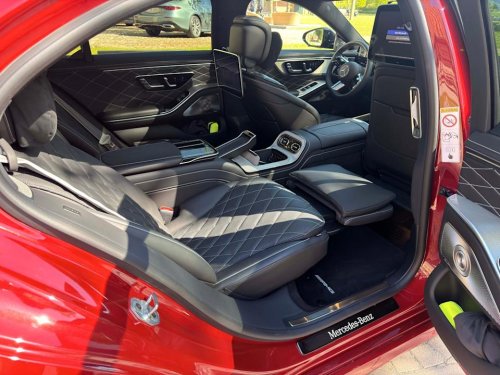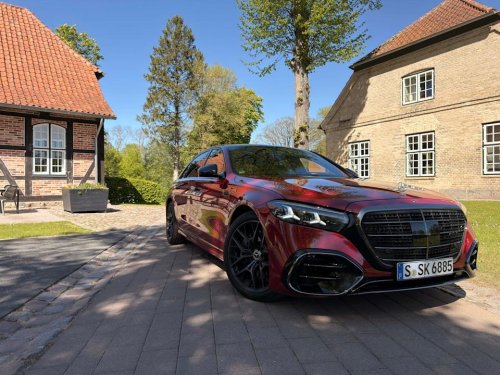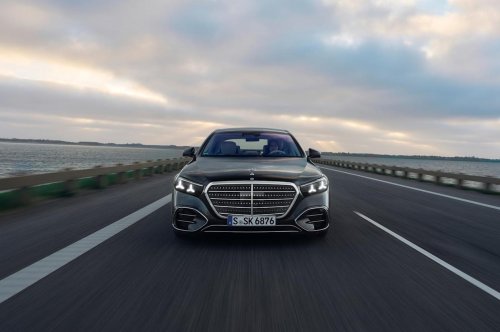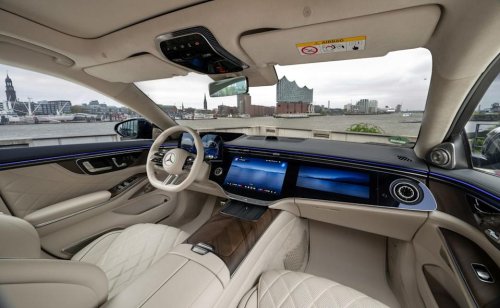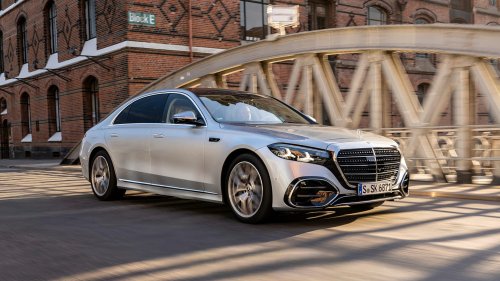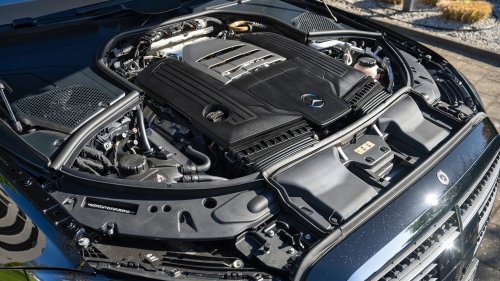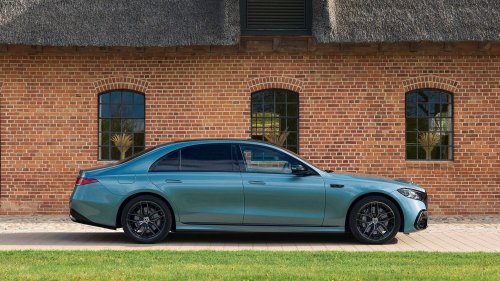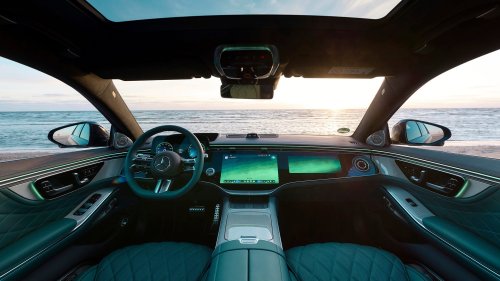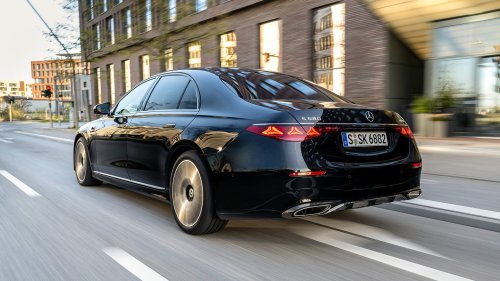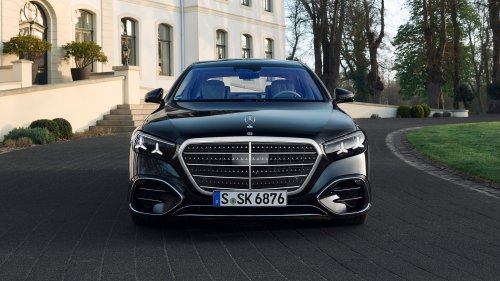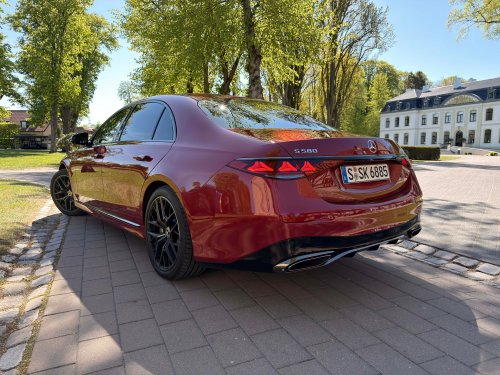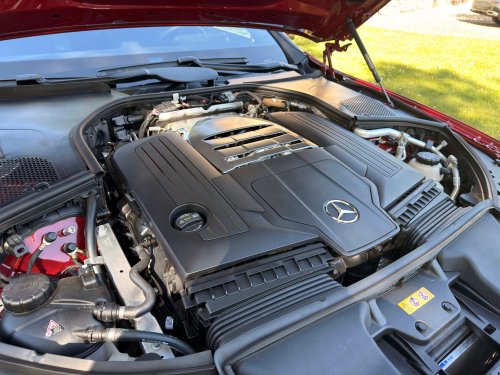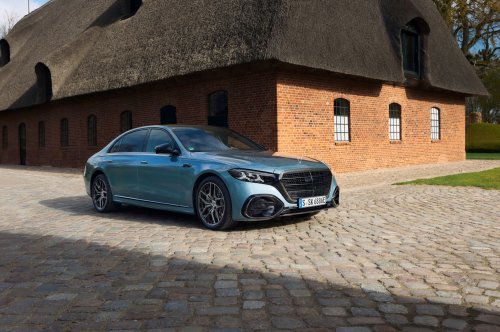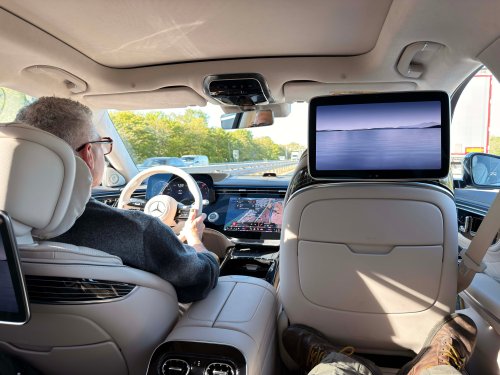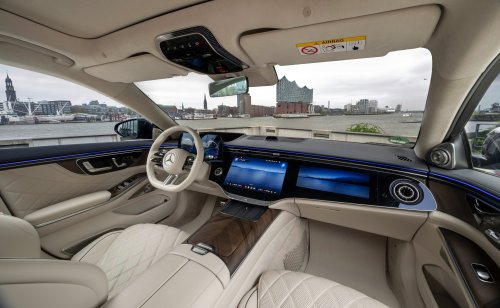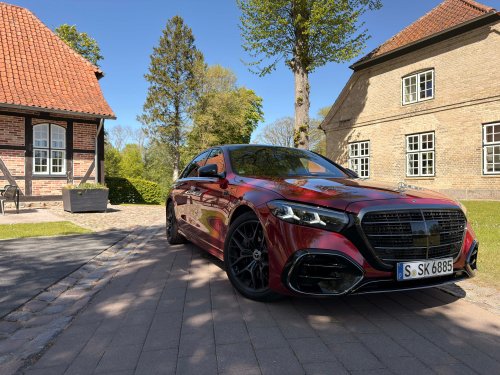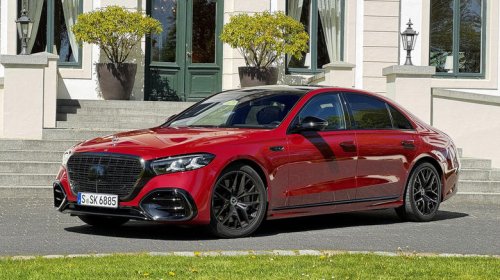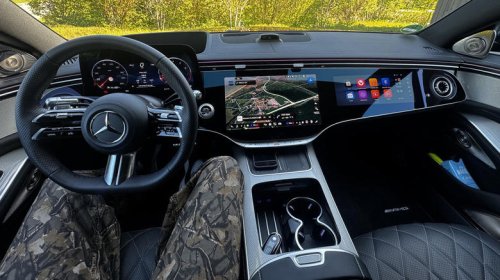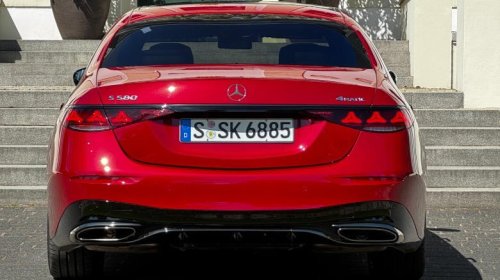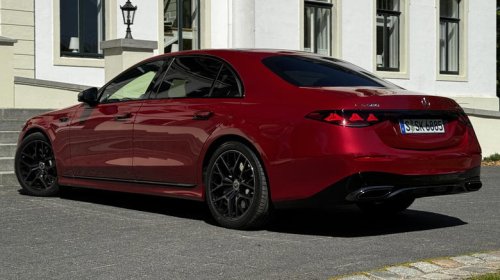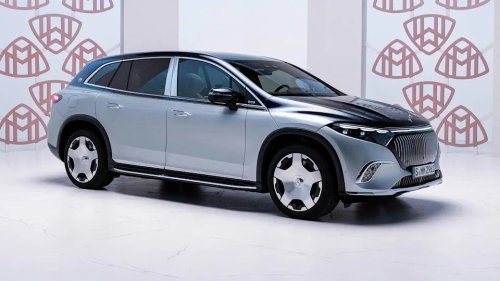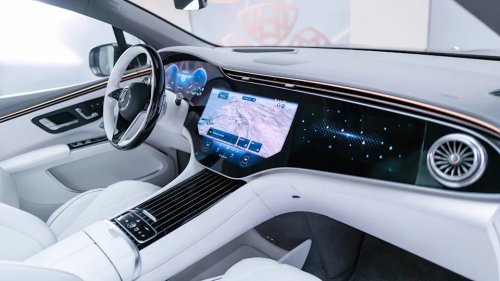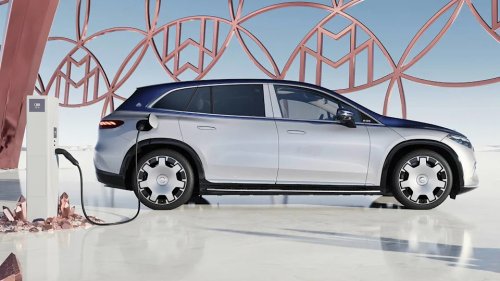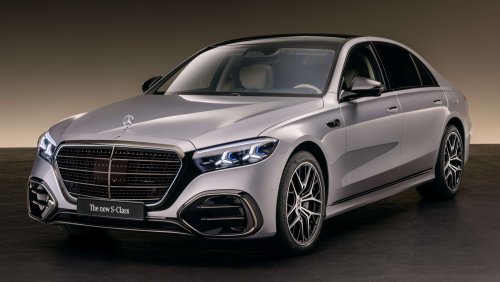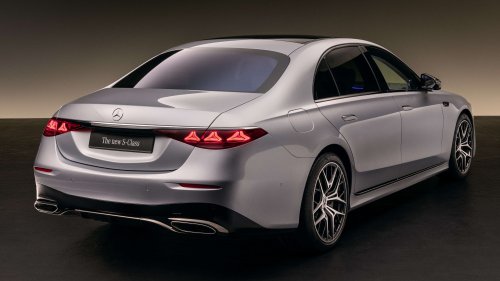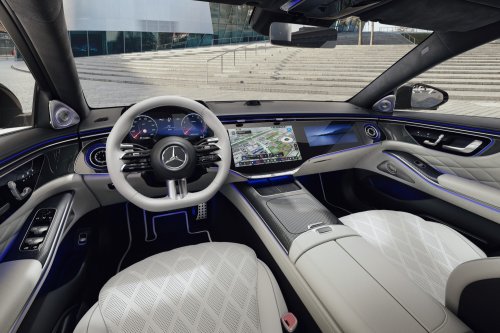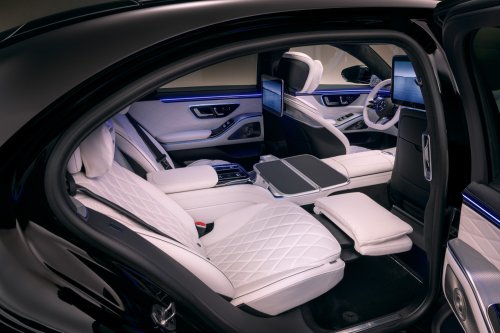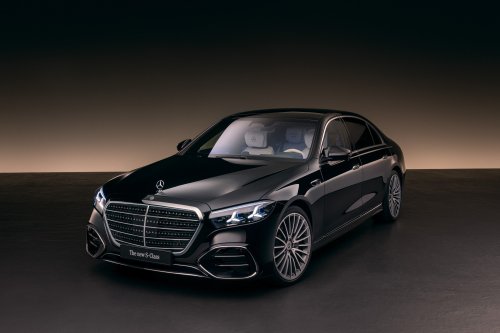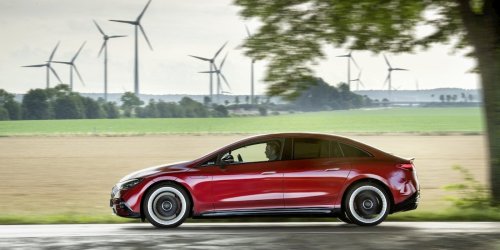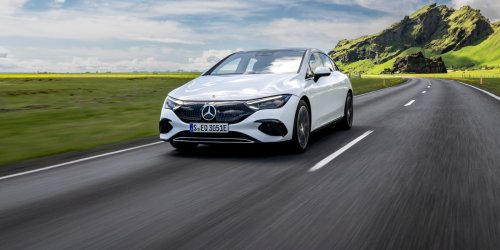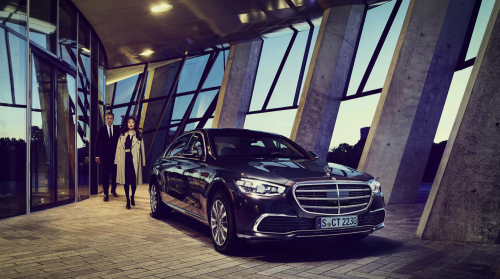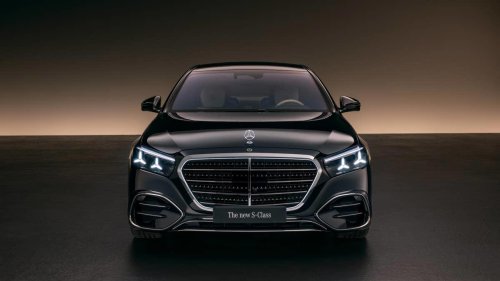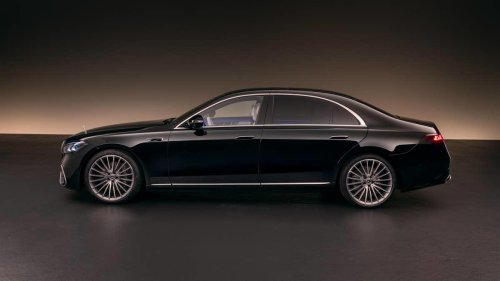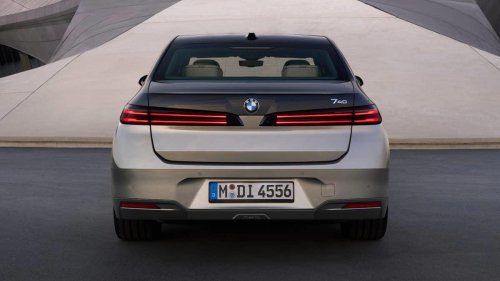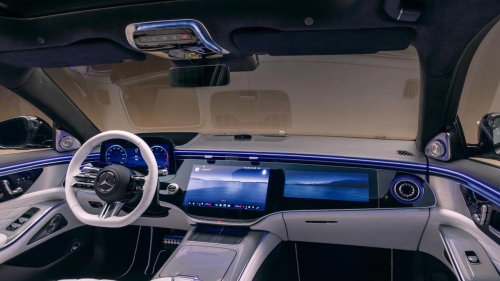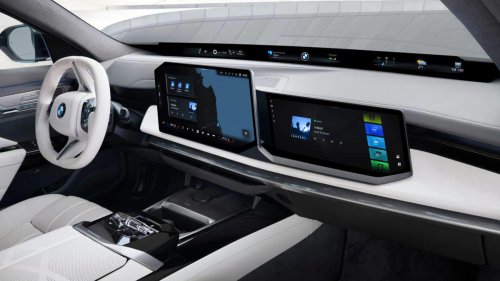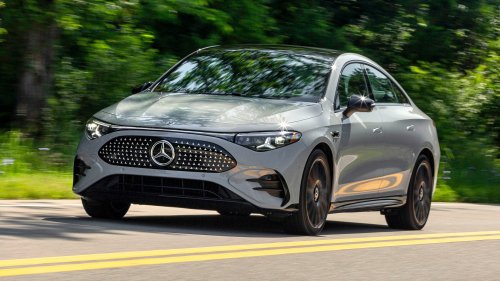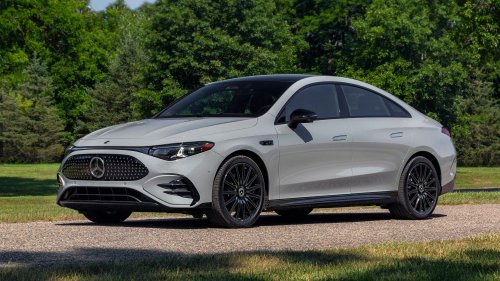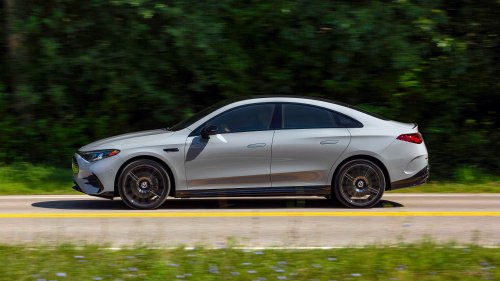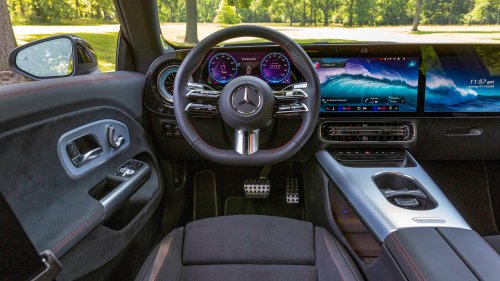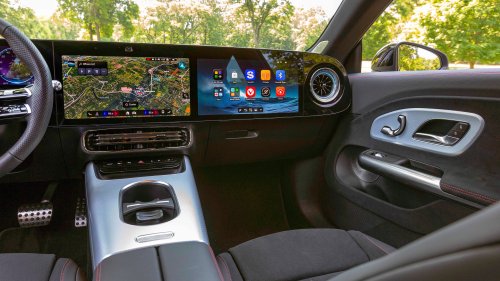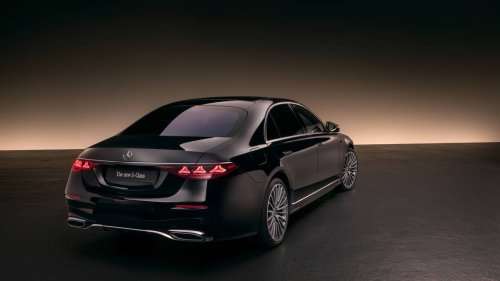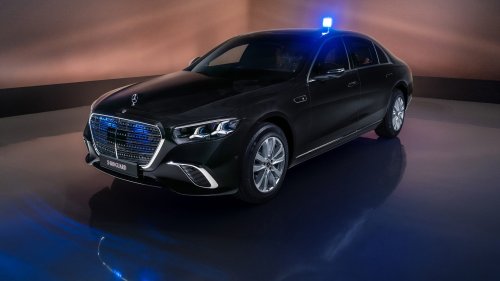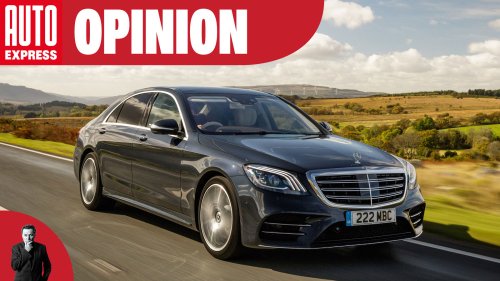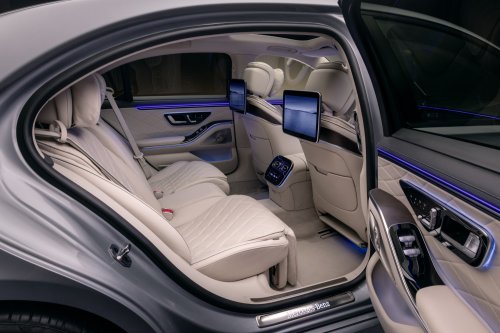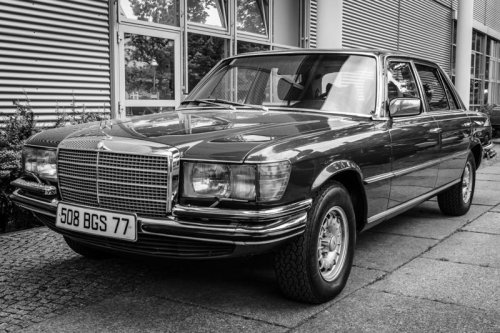
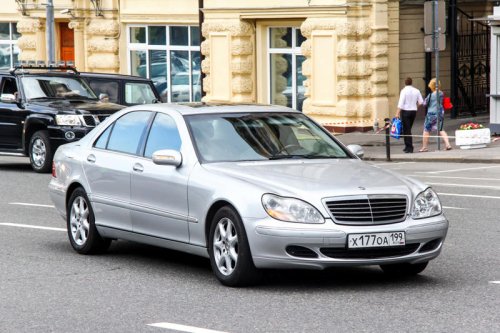
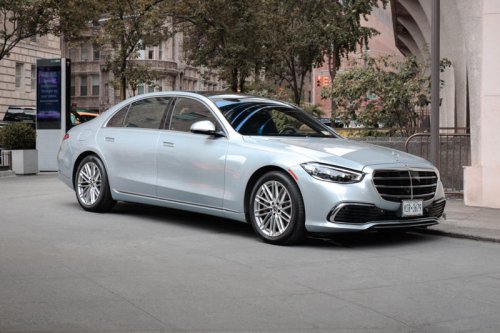
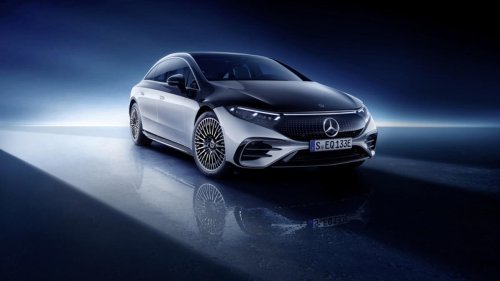
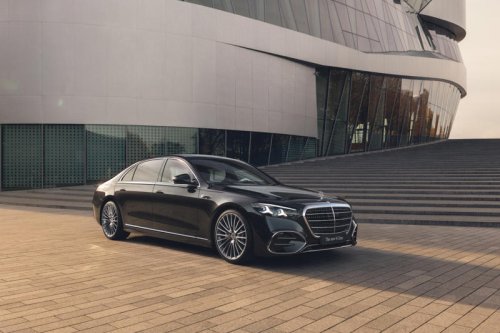














The quiet benchmark effect: how innovation became Mercedes-Benz’s currency The quiet benchmark effect: how innovation became Mercedes-Benz’s currency In today’s luxury automobile landscape, brand names make deals; however, technology defines these brands. Mercedes-Benz has made the term ‘first to market’ synonymous with itself, and the S-Class is as representative of this term as it is of the brand. Models like the 1959 W111 Fintail helped establish the S-Class as a pace-setter for future iterations, introducing the first production crumple zones. Nearly two decades later, Mercedes-Benz’s 1978 W116 S-Class would become the first production vehicle utilizing electronic anti-lock brakes. Although neither of these innovations created massive media buzz, both have significantly changed the direction of global automotive safety design. S-Class rivals, such as BMW’s 7 Series, trailed the S-Class in safety and driver-assist technologies for decades, and Audi’s A8 would introduce aluminum body construction nearly three and a half decades after Mercedes-Benz debuted its safety cell in the 1959 W111. The S-Class has evolved into the benchmark against which its competitors measure their own development. The S-Class’ breakthrough: the W116 The 1972 W116 was the first Mercedes-Benz model officially designated “S-Class.” As an example of how to blend safety and comfort, the W116 included core elements such as energy-absorbing steering columns and hydropneumatic self-leveling (available in select markets for the 450SEL 6.9). The previously mentioned electronically controlled anti-lock braking system, developed with Bosch, appeared near the end of the initial production run of the first-generation W116.Mercedes-Benz’s 1972 W116 was launched during a difficult time. In 1973, the worldwide oil crisis was driving consumers away from large luxurious vehicles and toward more practical vehicles emphasizing build quality and substance, like the Toyota Corolla. Luxury competitors to Mercedes-Benz were offering larger-than-life features, such as leather and chrome trim. However, the improved fuel economy, better handling, and overall reliability of the W116 provided Mercedes-Benz a significant competitive edge. The S-Class as a tech incubator The S-Class has traditionally served as a controlled testing ground for Mercedes-Benz’s most innovative technology. Systems that debuted in the S-Class often find their way into subsequent models such as the E-Class, C-Class, and now the EQ lineup. Examples of advanced technologies recently available in the S-Class include adaptive cruise control, driver monitoring, and brake-by-wire. The S-Class has also been home to numerous additional leading-edge technologies, including radar-based cruise control on the 1998 W220; night view assist on the 2005 W221; and Magic Body Control Suspension on the 2013 W222, which utilizes cameras to interpret road surfaces. Competitor examples illustrating the dynamic in which certain lines demarcate experimentation include BMW’s separate i8 line and Tesla’s fast-paced, software-driven updates.Need new tires? Save up to 30% at Tire RackFind the perfect tires for your exact vehicle and driving style. Click here to shop all top-tier brands, including Michelin, Bridgestone, and more, directly at Tire Rack. How subtlety became the S-Class advantage While the exterior styling of recent S-Class models, such as the 2021 W223, may appear conservative relative to competitors like Audi’s A8, there’s no denying that the S-Class continues to take bold steps. For instance, the S-Class’s MBUX hyperscreen is a sprawling spectacle, and it was the first mainstream production model to offer Level 3 autonomous operation. The S-Class was also among the first production sedans to integrate and scale active noise cancellation, beginning in the early 2000s. Silent competence won’t get much attention in a showroom, but it will help establish greater trust and loyalty. Presently, luxury vehicles are essentially about anticipating your every need using software and sensors, and that’s why these innovations are crucial. The electric reboot redefines “S”With the 2022 EQS, Mercedes-Benz took its first serious stab at translating the S-Class philosophy into the electric age. The EQS has traded extremes and reinventions for serenity and reinterpretation via its cab-forward design, optimized for aerodynamics, low-level cabin isolation, and smooth torque delivery. With 350 miles of range, 516 horsepower, and rear-axle steering characteristics akin to those of an E-class, Mercedes-Benz reinforced its reputation for combining capability with serenity with its EQS 580 4MATIC. While competitors like the Lucid Air and BMW i7 boast bolder tech and sportier traits, Mercedes-Benz is steadfastly committed to maintaining consistency through calm precision. Final thoughts: the luxury race now happens in the backgroundThe luxury debate has historically shifted from large engines and chrome to Over-The-Air (OTA) software updates, predictive driver-assistance features, and biometric wellness features (eye tracking, posture/seat adjustment, etc.). Beyond the purchase of an S-Class, Mercedes-Benz continues to improve driver-assist features, voice control, and comfort settings through its MBUX System. This continuous improvement is essential for Mercedes-Benz to prove the S-Class’s relevance to owners’ daily lives, thereby creating long-term satisfaction. Systems Integration is particularly important for Mercedes-Benz today because the competition has narrowed the gap in adaptive lighting and air suspension hardware. Companies outside of the automotive industry are also seeing success in refining familiarity versus headline specs, like Apple.The S-Class has ultimately evolved from a model into a cultural symbol for a category’s highest standard, both in and outside of the auto industry. In other words, S-Class is quietly defined as a standard of living. When the 2022 EQS launched, Mercedes-Benz advanced the S-Class legacy by delivering a vehicle that promised luxury and inevitable progress.