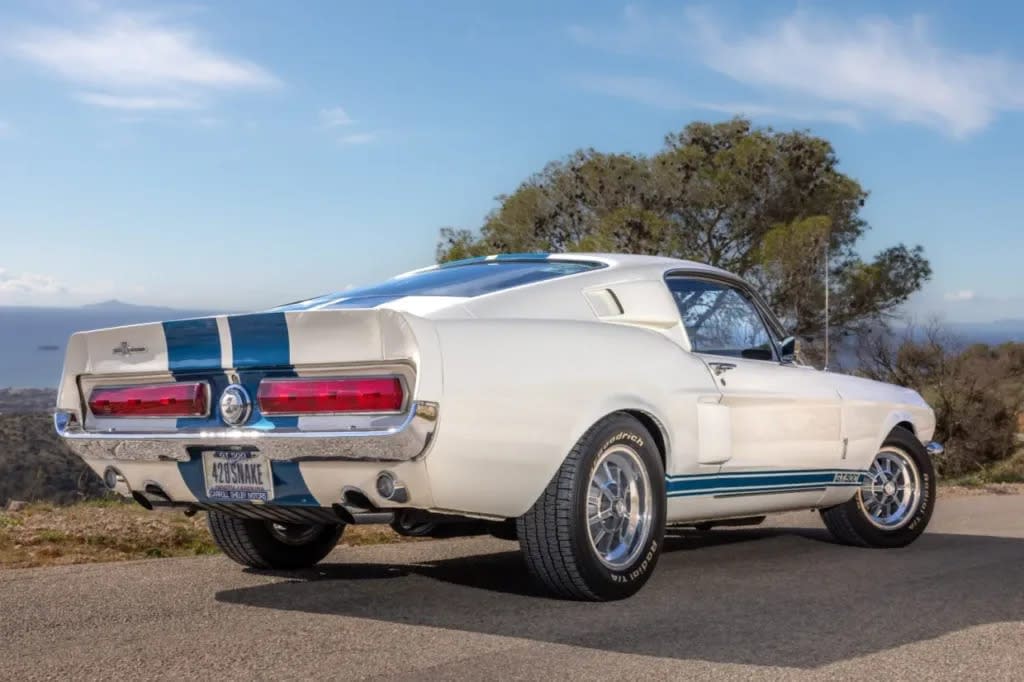



















Towing may look easy, but doing it safely is all about the right setup and good technique. In this walkthrough, FormulTowing may look easy, but doing it safely is all about the right setup and good technique. In this walkthrough, Formula Drift champion Fredric Aasbo uses a 2025 Toyota Tundra and a GR Supra to demonstrate how to properly load and balance a trailer—whether you're new to towing or just need a refresher.Start with the Basics: Can Your Truck Handle the Load?Before hitching up, verify your truck’s towing specs. The 2025 Tundra can tow up to 11,175 pounds and handle a max tongue weight of 1,170 pounds, with a 1,605-pound payload limit. In this example, the Supra and trailer weigh 5,389 pounds, comfortably within spec. Tongue weight lands at 659 pounds—right in the 10–15% target range for safe towing.Weight Distribution Is KeyFor stable towing, place roughly 60% of the cargo ahead of the trailer axle and 40% behind. This keeps the trailer from fishtailing and the truck from losing traction. For best results, measure tongue weight directly—some hitches, like the one in this demo, include a built-in scale for that.Choose the Right Hitch and MountThis setup uses a 2-inch receiver and ball rated at 12,500 pounds—more than enough for the load. Just ensure your ball mount matches both the receiver size and weight rating of your trailer.Hook Up First, Then LoadAlways attach the trailer to the truck before loading. Connecting afterward risks tipping or damaging the trailer. Features like the Tundra’s hitch-view camera help make alignment easier.Hook-up steps:Lower the trailer onto the ballLock the coupler and secure it with a pinRaise the jackCross and connect the safety chainsPlug in the wiring harnessConnect the brake controller if needed (via a 7-pin connector)Balance the LoadAasbo demonstrates how improper balance affects handling. Too far forward causes rear squat and weak steering; too far back can cause sway. Aim for a tongue weight that’s 10–15% of the trailer’s total weight. In this case, 659 pounds was ideal.Secure the VehicleUse four tie-down points—two front, two rear. The preferred method is over-the-tire straps connected to D-rings. Alternatively, tie down through the control arms, or around the rear axle if necessary. Avoid crossing the straps, and always ensure they're tightened securely for the road ahead.Air Suspension Helps Level It OutAasbo also points out the Tundra’s load-leveling air suspension system, which helps the rear end maintain proper ride height when under load, aiding both handling and visibility.Final ThoughtsFrom selecting the right hitch to securing a balanced load, trailering is more technical than it looks—but with the right setup, it doesn’t have to be difficult. Aasbo’s step-by-step breakdown offers a solid foundation, and there’s more to come—including calculating towing capacity and exploring alternate towing methods.