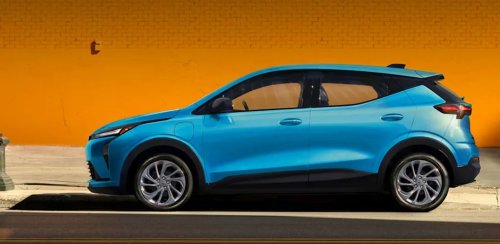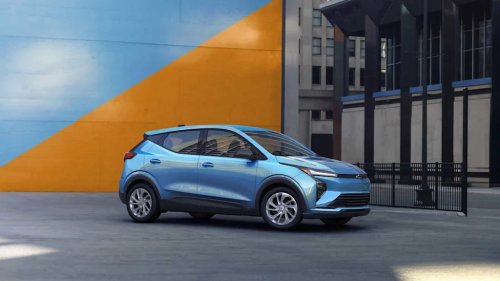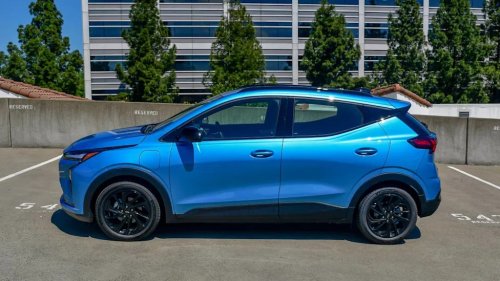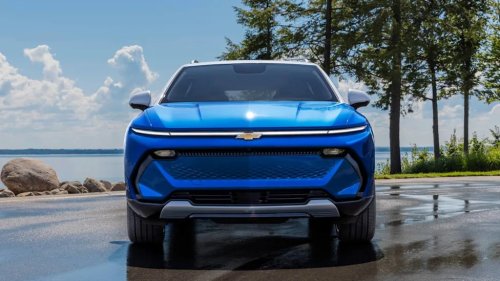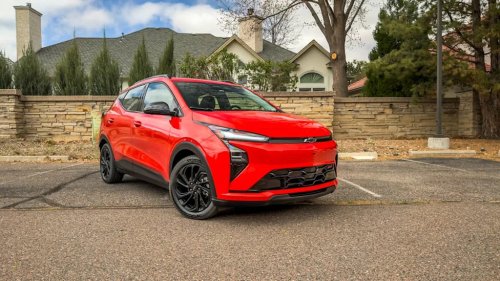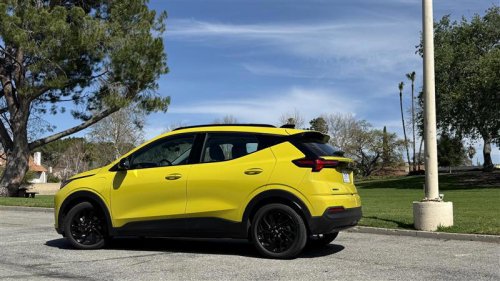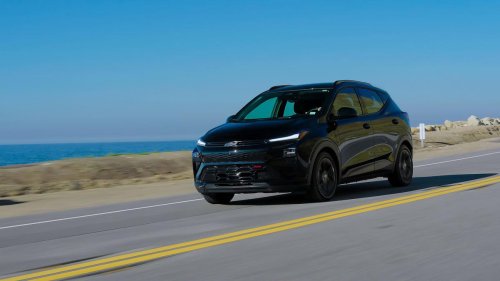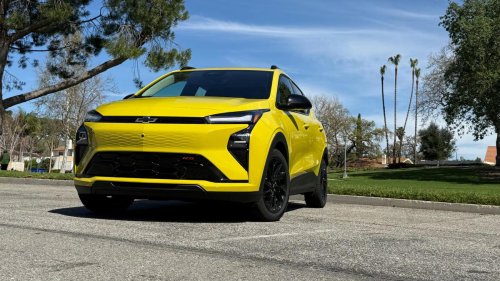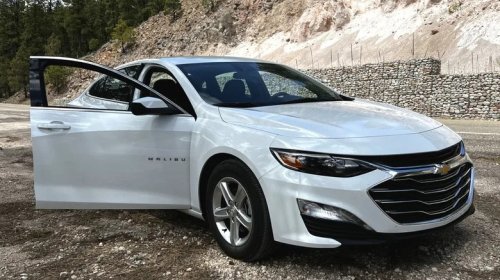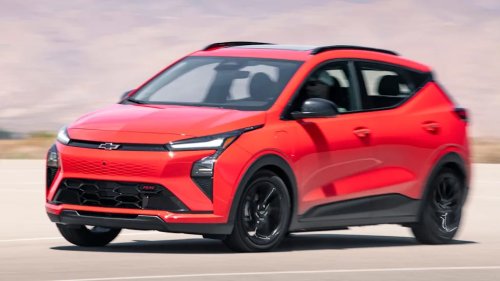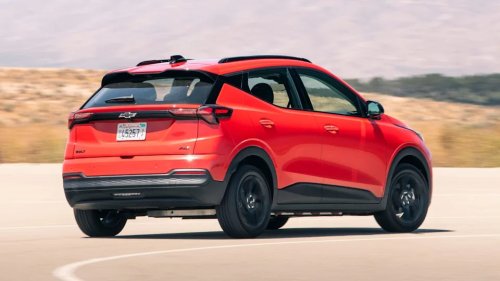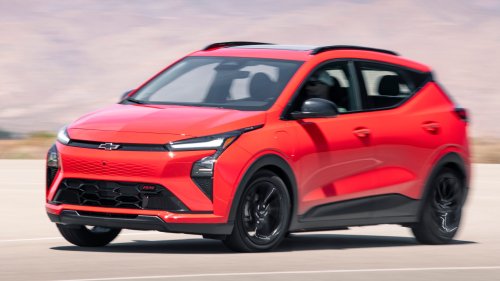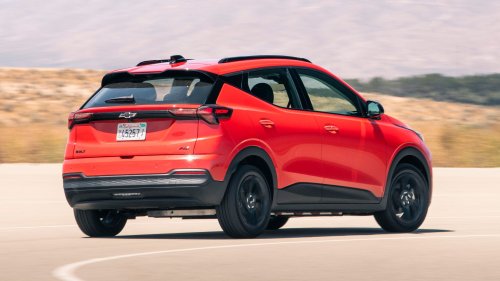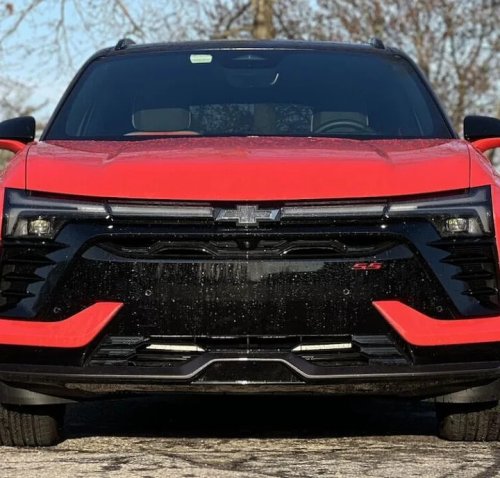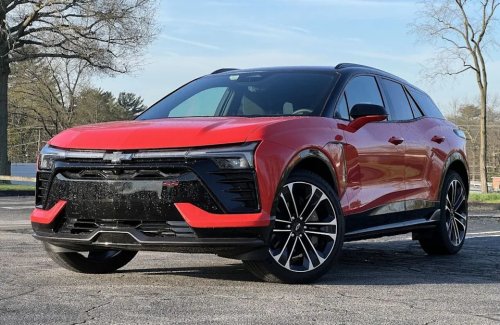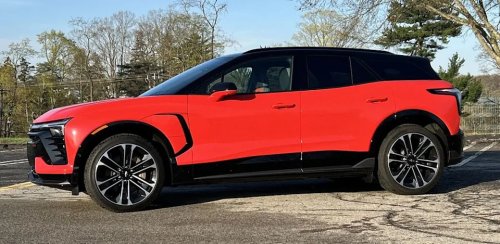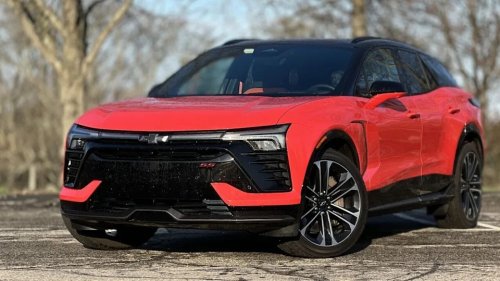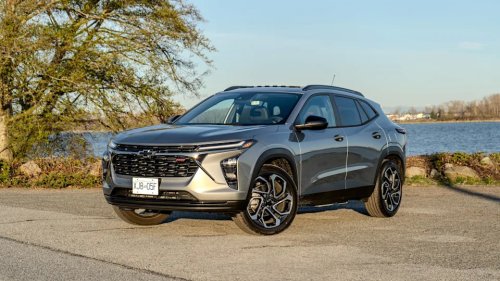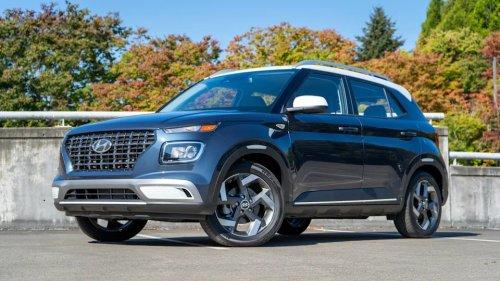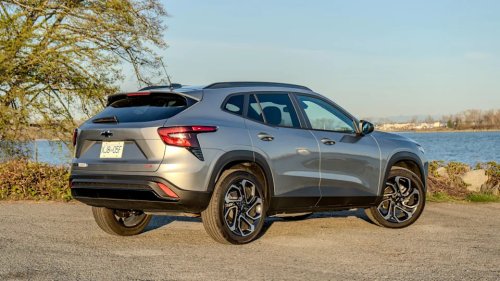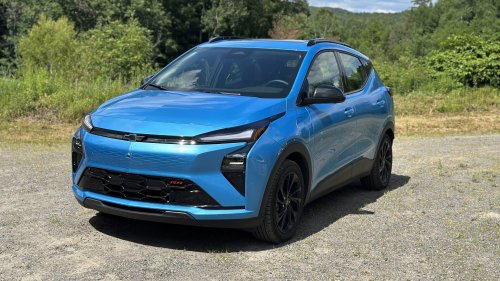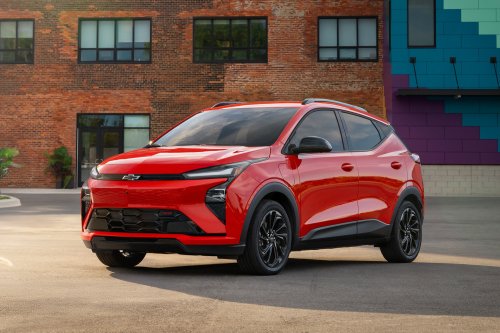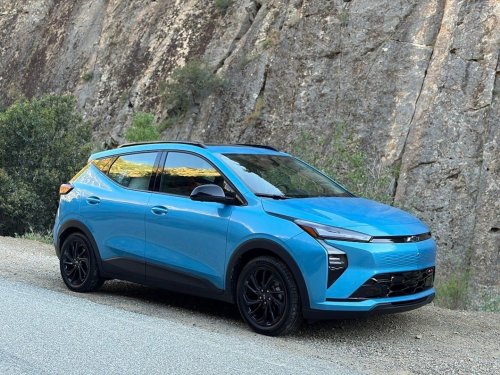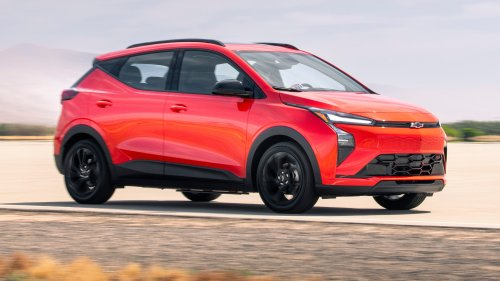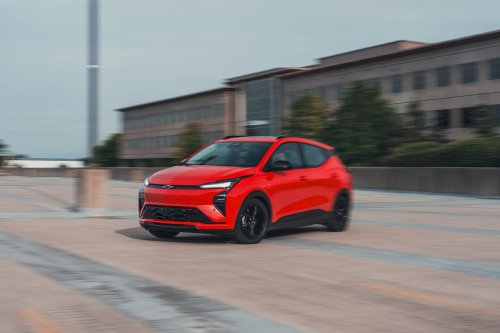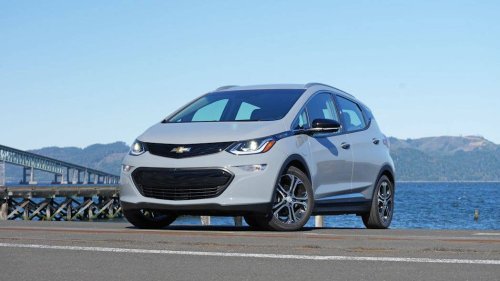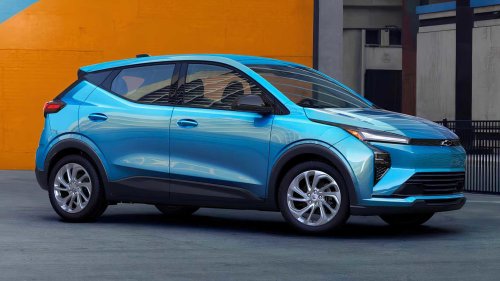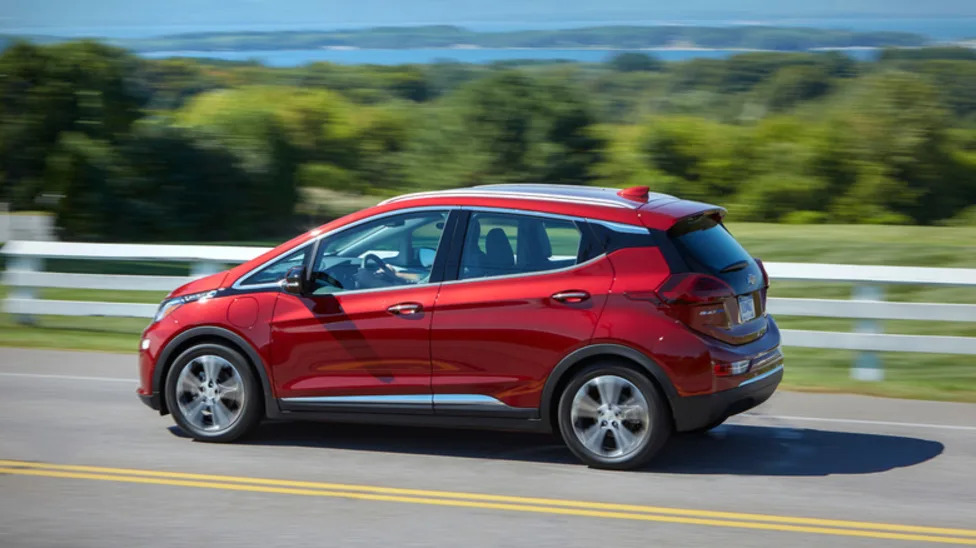
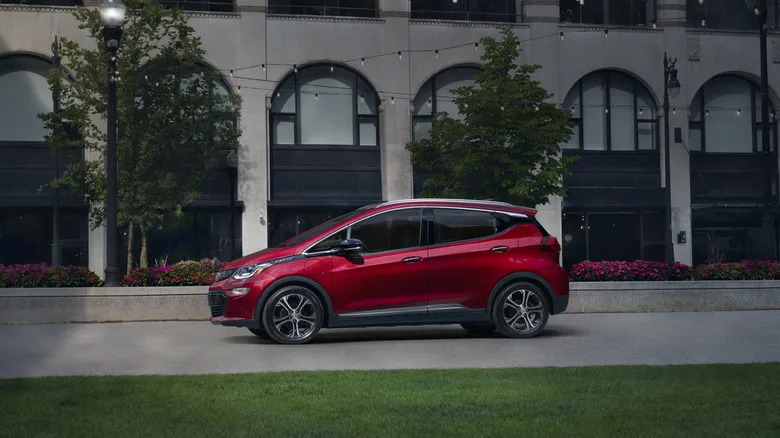
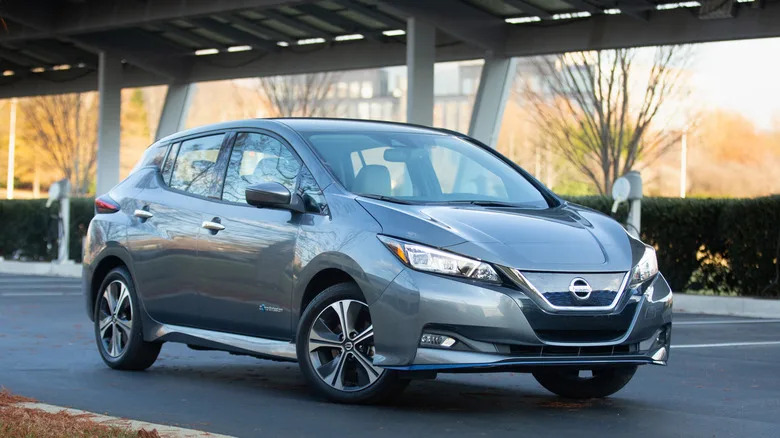



















Chevrolet Add Jalopnik on Google: Google Discover Chevrolet has brought back the Bolt EV for 2027, which is good news for small-hatchback EV enthusiasts. And while a starting price of around $30,000 is certainly wallet-friendly when the average new car sells for about $50,000, that 30 large isn't workable for everyone. A used Bolt may be the next best option, especially a 2021 model. It's still relatively new, but it's old enough that some depreciation has set in. Plus, this edition benefits from a longer range than early models (259 miles) that first appeared in 2020. This model year was affected by a recall of the car's high-voltage battery, though, so you'll want to make sure that's sorted out. The challenge is getting a handle on depreciation, because at least as far as a used Bolt is concerned, it's a moving target. Why? Like the price of many used cars, the resale value of this little all-electric Chevy is rising. According to CarGurus, prices for used Bolts are up by 5.1% over the past month and by almost 11% over the last quarter. These cars are still selling for about 55% of their original price, so it would appear that the jaw-dropping depreciation that hits some EVs doesn't apply as strongly here. To put these numbers in perspective, we'll look at what common sources (iSeeCars and Kelley Blue Book) estimate depreciation to be for the 2021 Bolt and then throw some cold water on those figures by examining dealer marketplace listings. For used EV buyers still chasing steeper depreciation, we'll compare the Hyundai Kona Electric and Nissan Leaf. All MSRPs mentioned here include factory destination charges. Depreciation for the 2021 Chevrolet Bolt Chevrolet iSeeCars estimates that a 2021 Bolt has a current resale value of 36.3%, or a depreciation rate of 63.4%. Factor in that the base 2021 Bolt LT had an MSRP of $37,495, and you should be able to find a used one for around $14,000. Kelley Blue Book (KBB) is slightly more generous: a resale value of $13,350, or 64.4% depreciation. Dealer listings on CarGurus hover around $17,000 for the LT trim. Crunching the numbers yields a rough depreciation rate of 54.7%. So, entering the real world means you can expect to pay about $3,000 more than the forecasts — or at least that's what sellers are asking for. Interestingly, in a recent Jalopnik article about 2021 model-year EVs with the most depreciation, the Bolt didn't make the cut. This reinforces the trend that EVs aren't always losing value like they once did thanks to increased fuel costs and consumer concerns about affordability. Gas still averages $4 per gallon, and the typical monthly payment for a new car is $763 – both indicators that the used EV market will continue to stay strong. Comparing Chevrolet Bolt depreciation against rivals Nissan If you're looking for a used EV similar to the Bolt (a small hatchback) but with steeper depreciation, the Hyundai Kona Electric is a good starting point. iSeeCars estimates that the 2021 model year has a 56% depreciation rate, close to the real-world loss in value of the same-year Bolt. In 2021, the base Kona Electric SEL trim with a 258-mile range had an MSRP of $38,575, which should translate into a $13,800 resale value today, according to KBB. That 64.2% depreciation rate is quite realistic, but you can find dealer listings priced in the $15,000 to $16,000 range (based on average mileage and no adverse history). Not only is the depreciation rate (58.5% to 61.1%) more favorable for a used-car buyer than the Bolt's, but the bottom line is lower, too. From a buyer's standpoint, the Nissan Leaf is a bit better, especially when you compare the Chevy Bolt and Nissan Leaf by the numbers. To see how depreciation stacks up, we'll look at the Plus version of the 2021 Leaf, which has a 226-mile range and an MSRP of $39,220 for the base S trim. iSeeCars' 5-year depreciation forecast of 62.9% hints at potentially good deals ahead. So do the numbers from KBB, which estimates a $10,900 resale value, equivalent to a 72.2% depreciation rate. Real-world pricing doesn't quite align, but you can find examples around $14,000, which equates to an actual depreciation rate of 64.3%, almost spot on with iSeeCars' forecast.