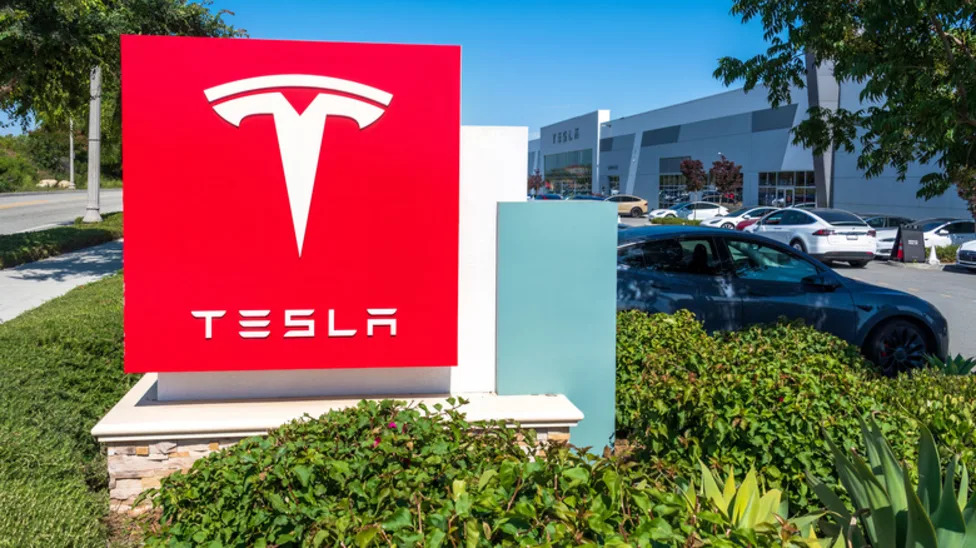
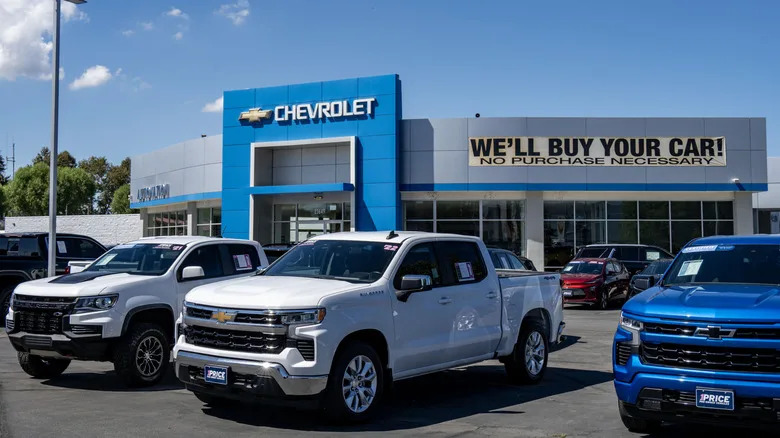
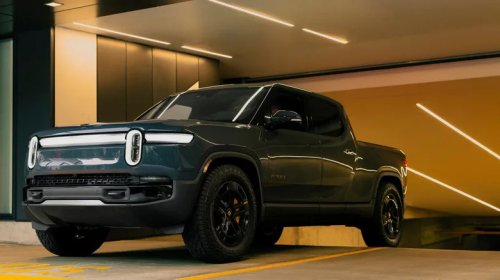
Photo of a Tesla Delivery Center in Southern California - Baileystock/Getty ImagesNot too long ago, during the semiconductor shortage, greedy dealerships slapped markups on nearly every kind of vehicle. Unsurprisingly, car buyers weren't pleased, and things eventually reached a point where one survey found that 76% of Americans believed dealerships were dishonest about car prices. If you belong to that camp, the idea of DTC, or direct-to-consumer sales (also known as D2C) — essentially buying a car the same way you'd shop on Apple's website — may have crossed your mind at least once.In car land, DTC/D2C is not new, and you may be familiar with the practice if you've bought a Tesla in the last decade or so. Unlike franchise dealership models that often come with a middleman tax, DTC streamlines the buying process by eliminating third-party intermediaries and selling products directly to customers, unlocking better price transparency and potential savings, as opposed to the traditional model.However, because there are franchise laws that protect dealerships, the DTC model isn't that easy to implement across all states. Tesla, Rivian, and Lucid have faced their fair share of legal troubles trying to do so. Unlike traditional brands that've signed dealership contracts, these new-age EV companies never followed that route, focusing on the DTC model from day one. Because there are no franchisees to protect, the fairly antiquated dealership laws weren't intended to apply to them, or so these companies argued. AdvertisementAdvertisementTesla was the first to start the movement — Rivian and Lucid followed, legally fighting against dealerships and legislatures when their DTC model was challenged before eventually getting exemptions to sell directly in certain states. While these EV marques can sell directly in some states, legacy OEMs can't do so. Ford dealers were not happy when the company decided to sell directly to consumers.Read more: When (And Why) Did Cars Switch From Leaded To Unleaded Fuel?Times have changed, so should the systemPhoto of a Chevy dealership in California - Trevor Srednick/Getty ImagesThere is a case for why franchise laws exist, as back in the 1920s, manufacturers would essentially bully dealerships, forcing them to stock up even during times of decreased demand. If the dealership didn't play ball, the manufacturer would license a rival dealership to sell their cars or open up a direct competitor to keep things rolling. However, the 1930s saw dealerships fight back, introducing laws that included DTC bans, preventing OEMs from opening retail stores, and undercutting dealers. In short, if you want to buy a car in America, it has to be through a dealer.Things today are not the same as they were in the 20th century, thanks to the internet, and it's worth pointing out that not all states show hostility toward DTC sales. According to the Electrification Coalition – a non-profit organization working toward accelerating EV adoption — states like Arizona, California, Colorado, Florida, Illinois, and 12 more, allow DTC sales for EV-only manufacturers. On the contrary, states like Montana, Nebraska, New Mexico, Oklahoma, Texas, and 11 others prohibit DTC sales entirely, while in the middle are Washington, New York, Ohio, and a few others that allow DTC for certain manufacturers only.AdvertisementAdvertisementHow each state interprets and allows DTC sales varies, and going into the specifics of every single one is beyond the scope of this article. Broadly speaking, though, states that allow DTC often limit them to EV-only companies or sellers of zero-emission/non-fossil-fuel vehicles that have no existing franchise agreements with dealers. Further supporting the DTC push is data from the National Automobile Dealers Association, showing that dealers benefited from the added competition, clocking better revenues in states where customers could choose between DTC or the traditional franchise model.Want more like this? Join the Jalopnik newsletter to get the latest auto news sent straight to your inbox, and add us as a preferred search source on Google.Read the original article on Jalopnik.