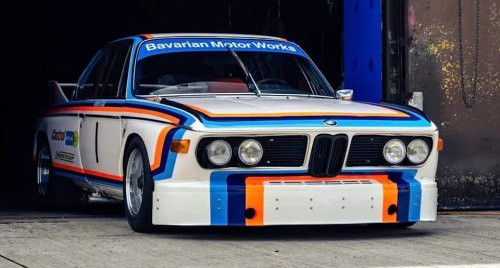
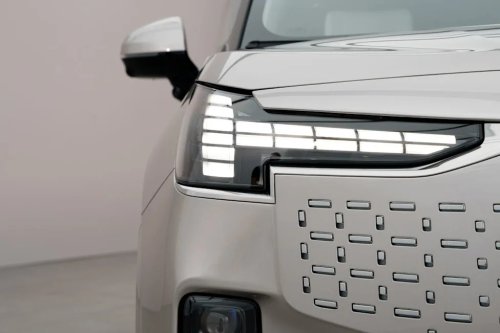
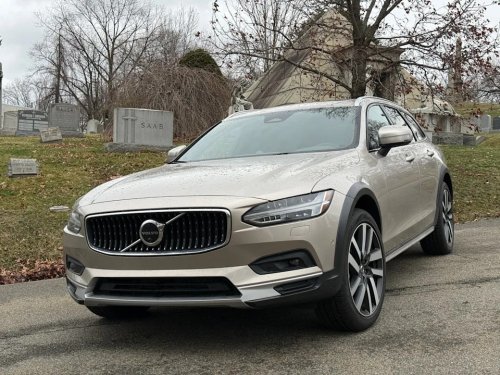
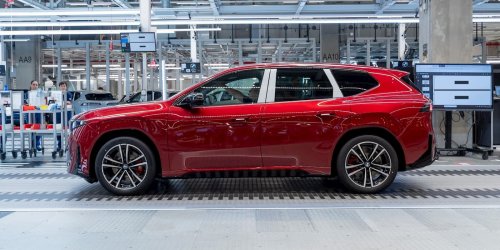
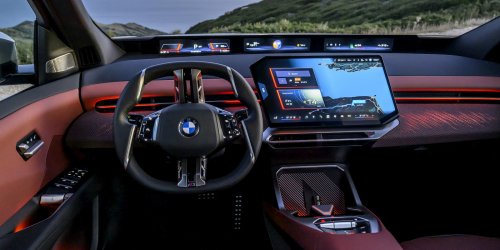
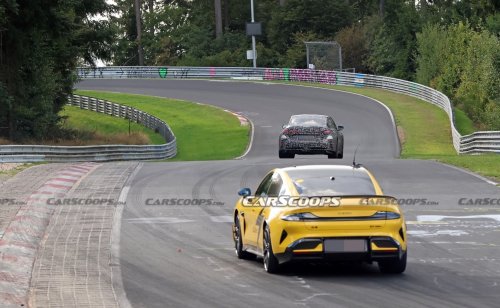
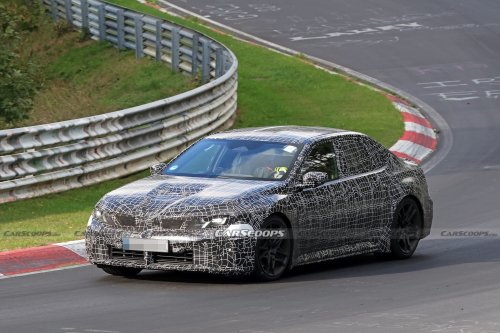
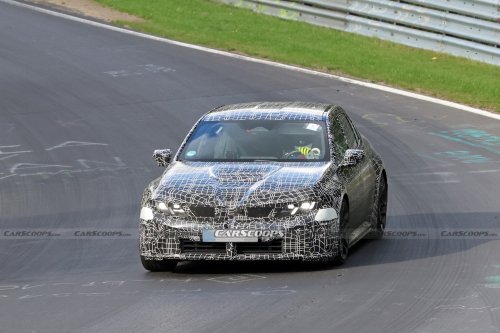
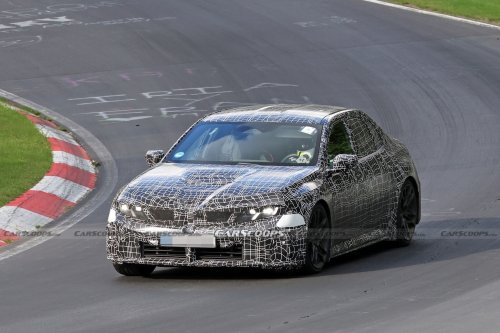
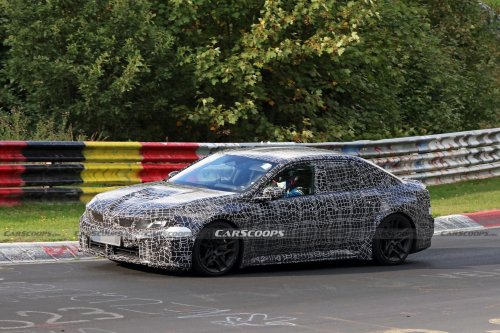
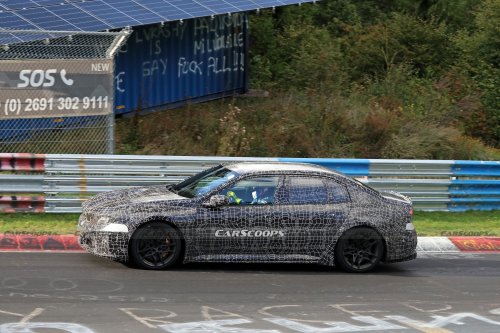
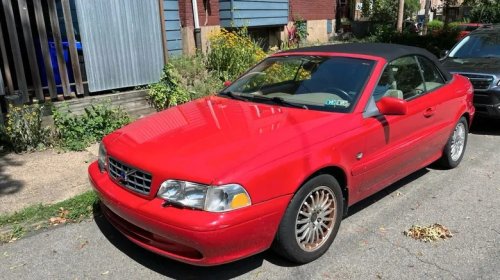
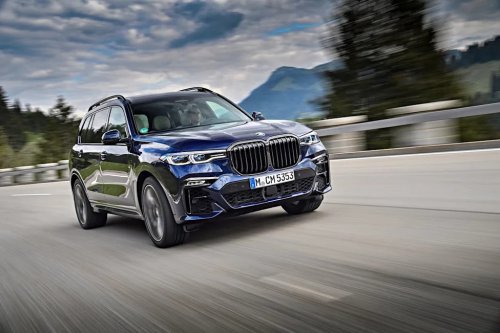
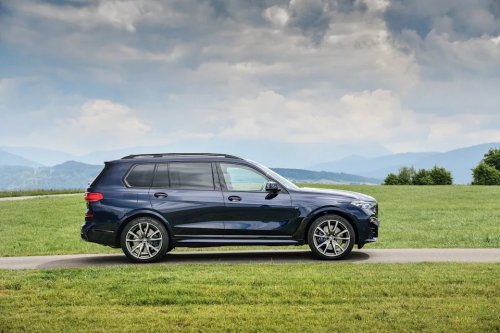
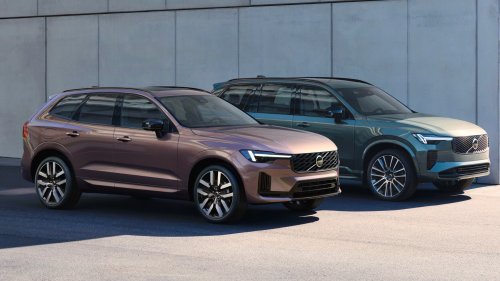
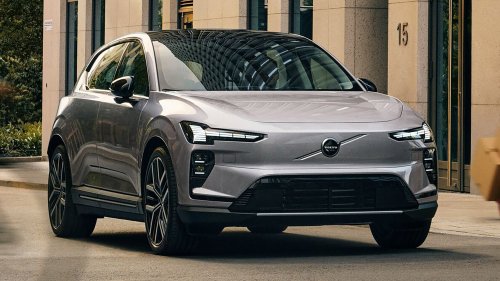
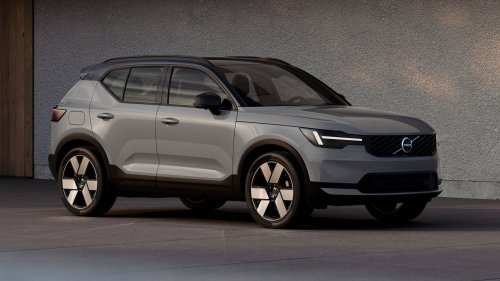
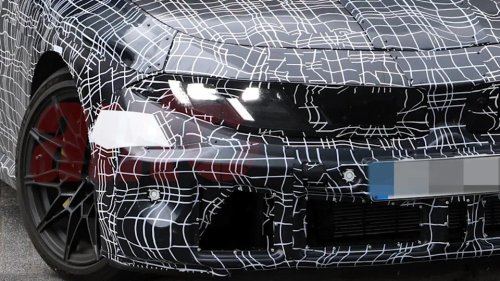
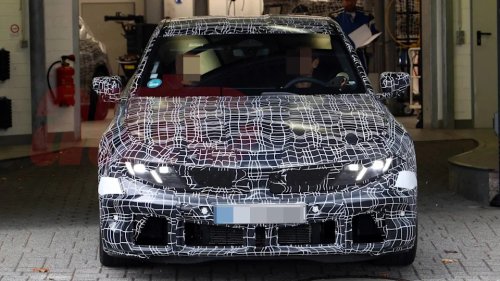
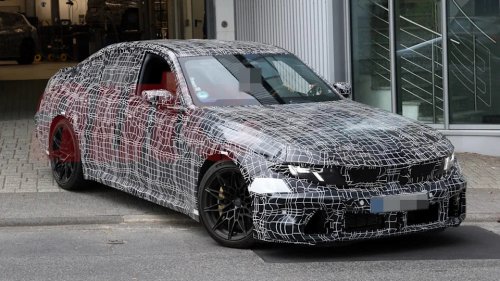
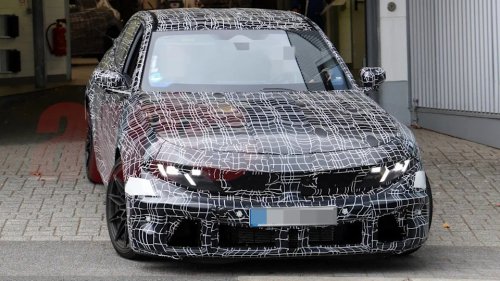
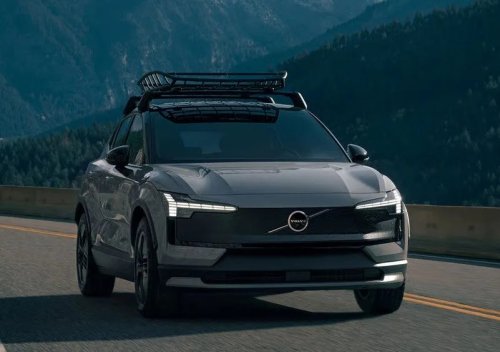
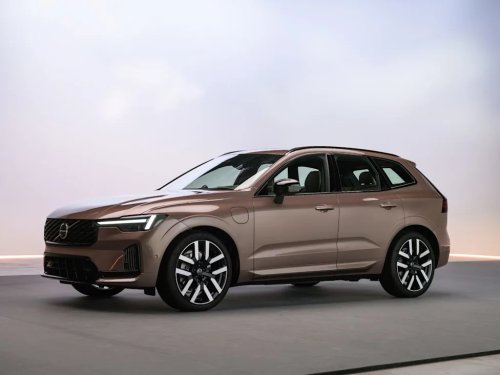
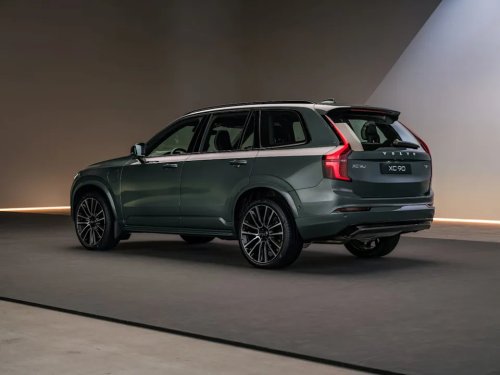
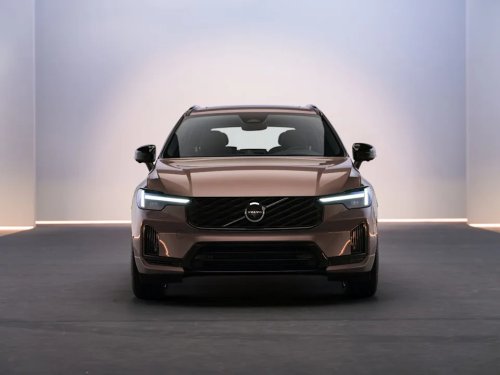
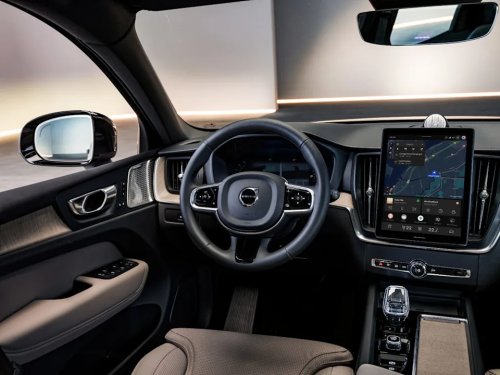
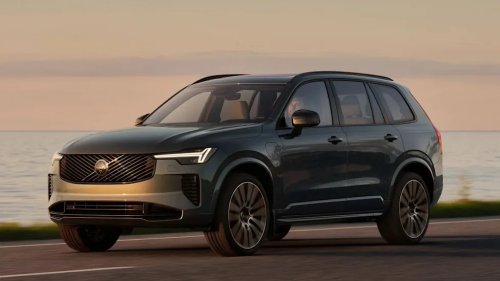
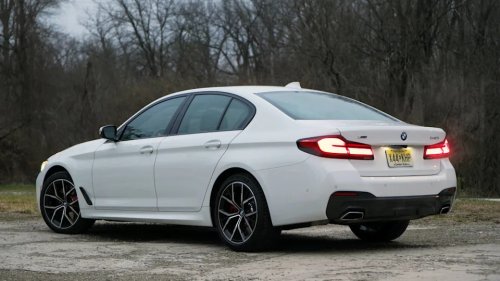
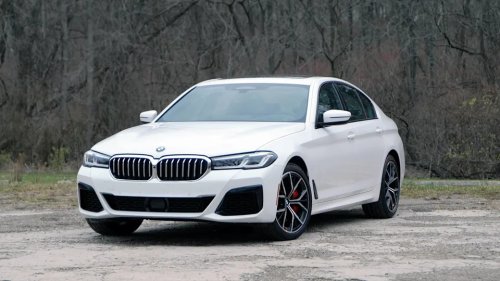
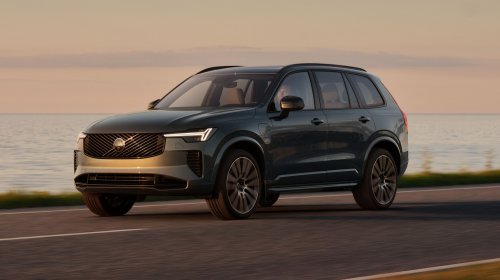
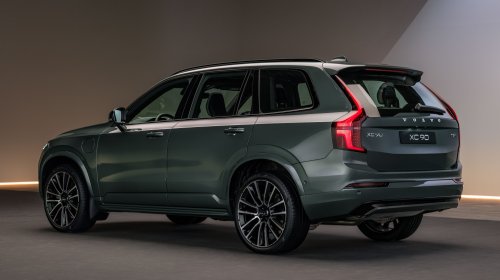
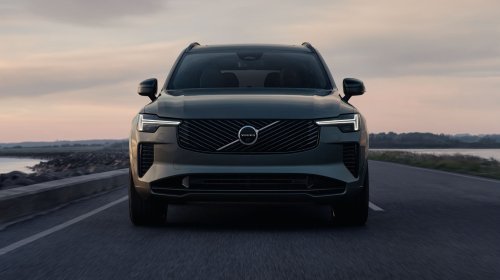
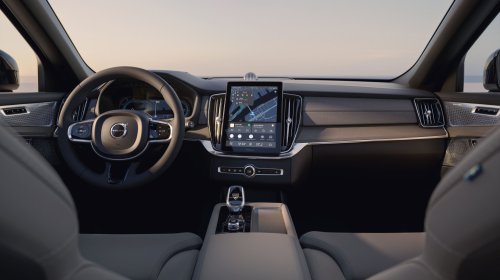
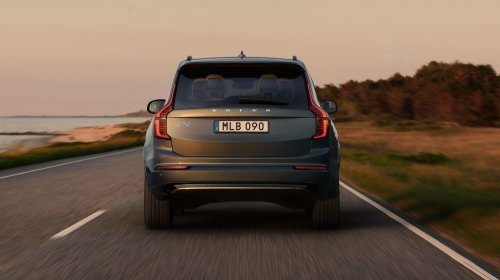
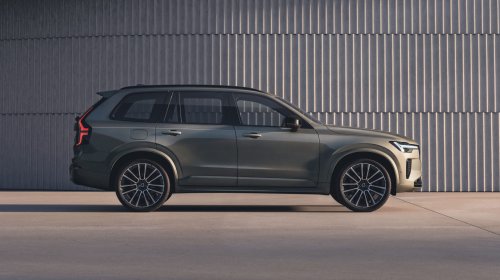
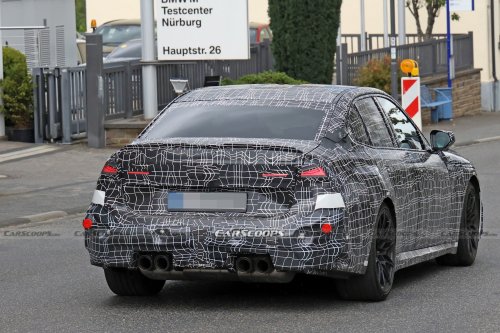
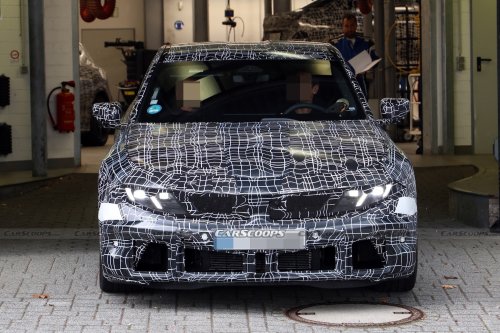
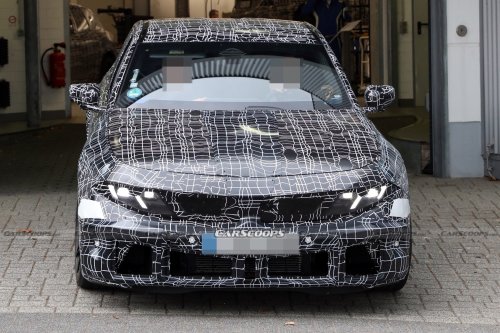
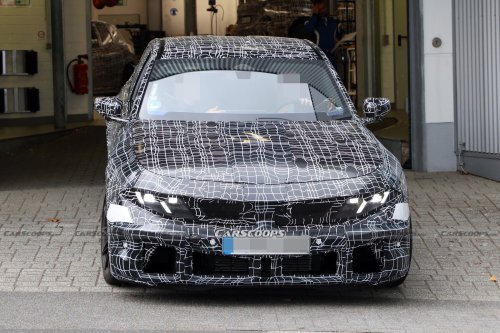
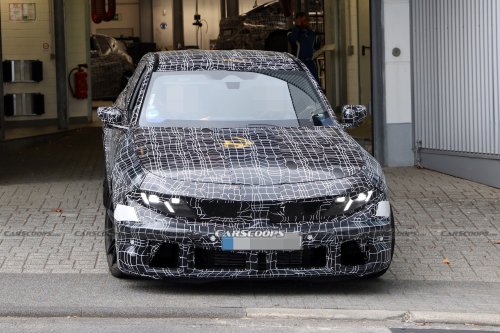
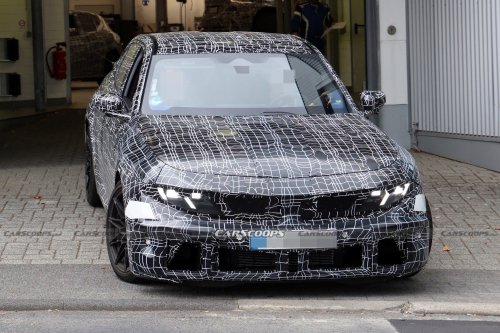
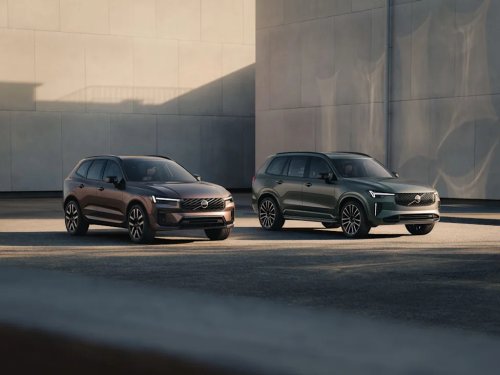
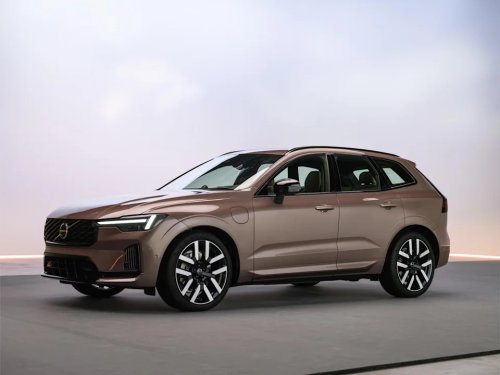
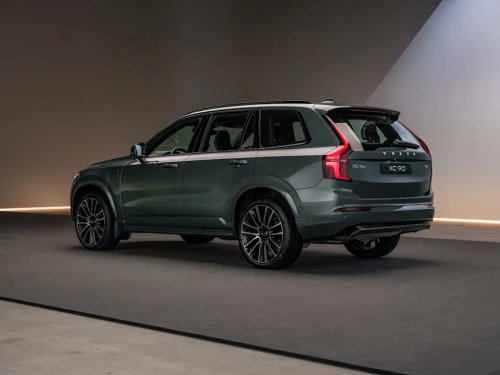
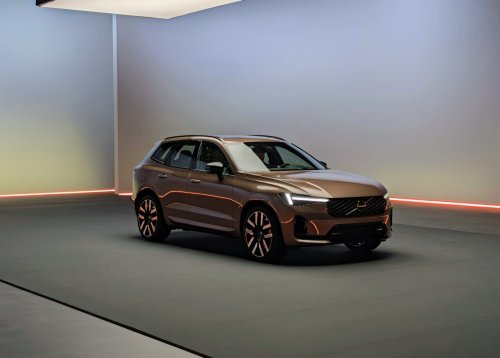
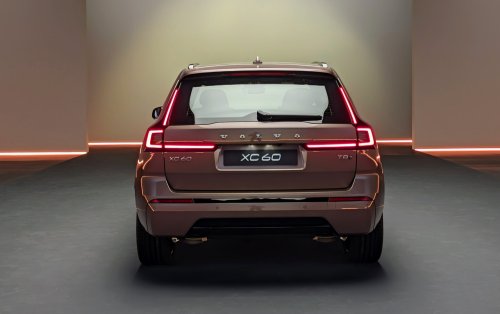
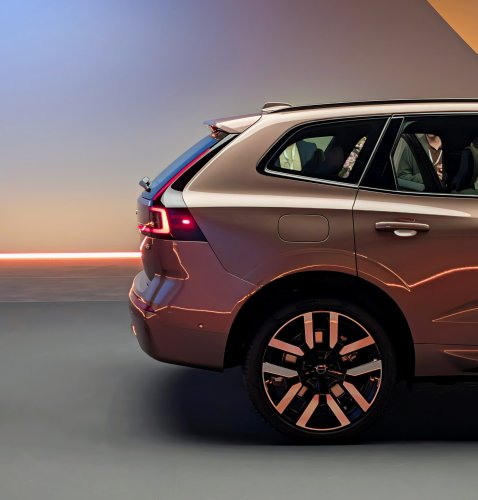
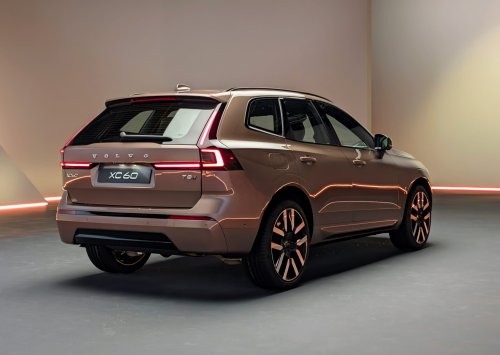
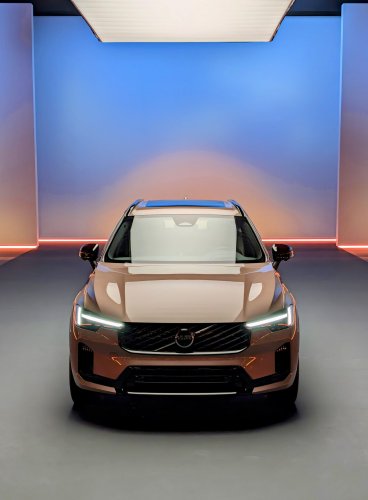
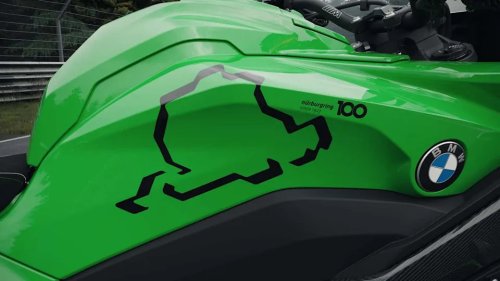
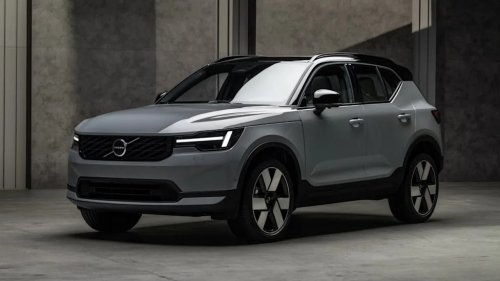
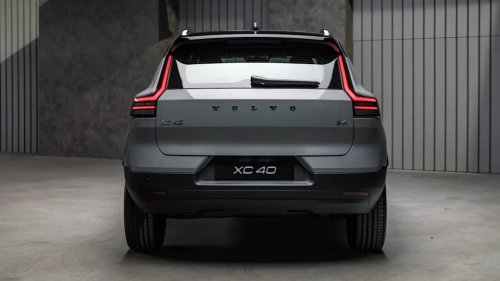
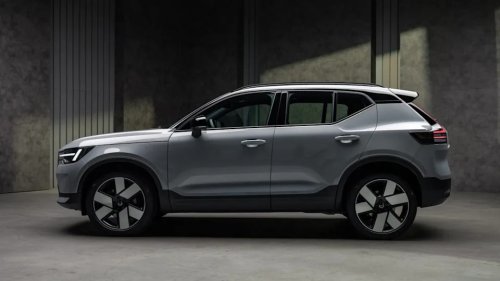
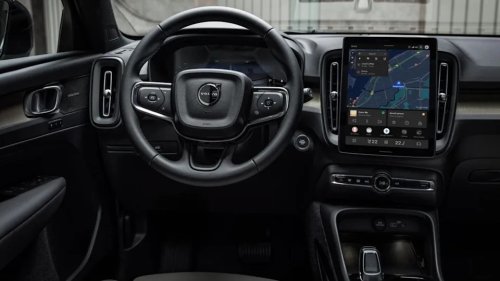
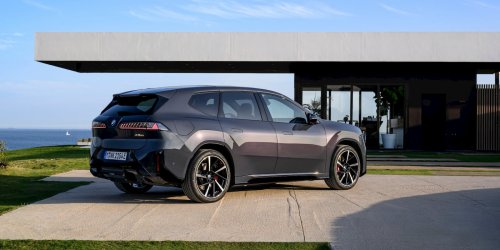
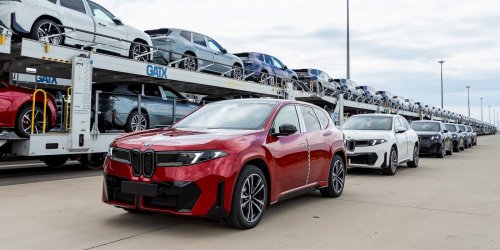
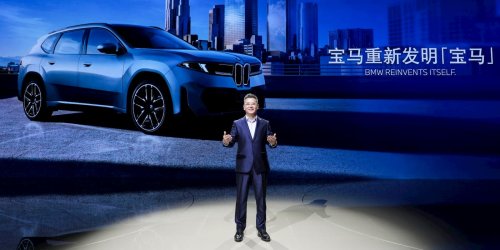
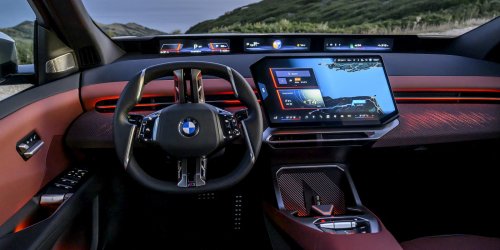
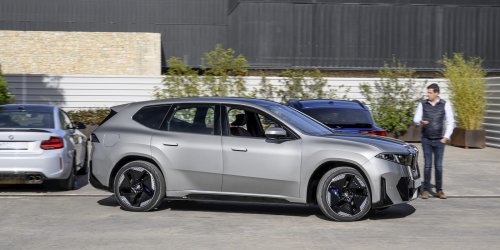
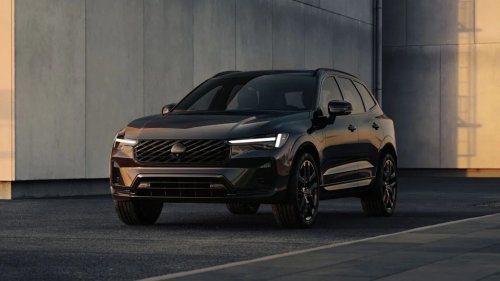
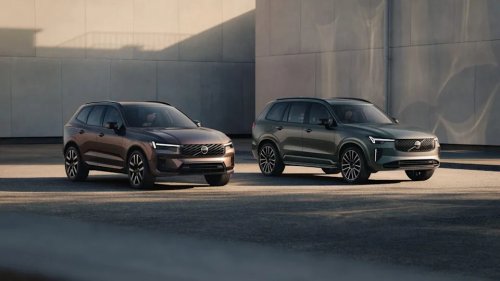
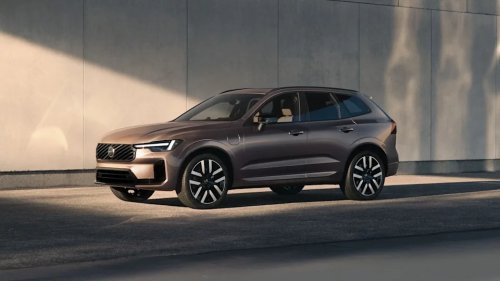
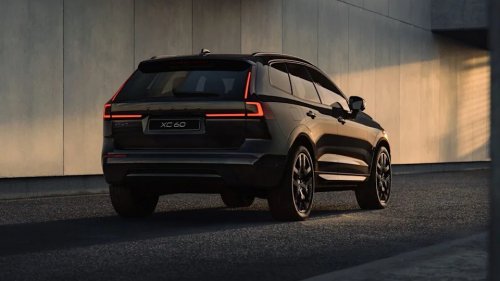
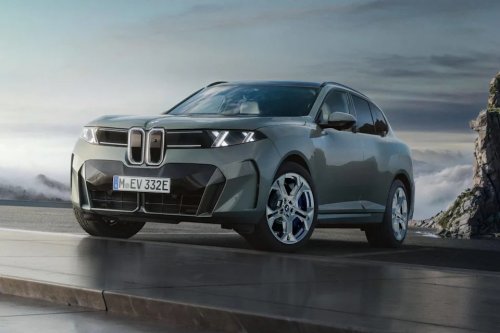
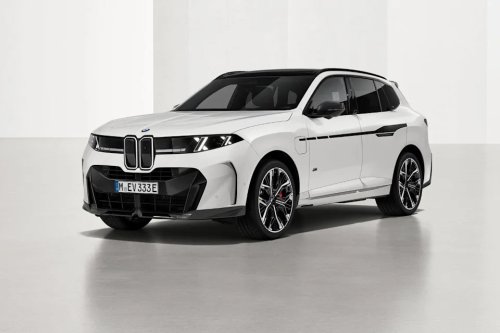
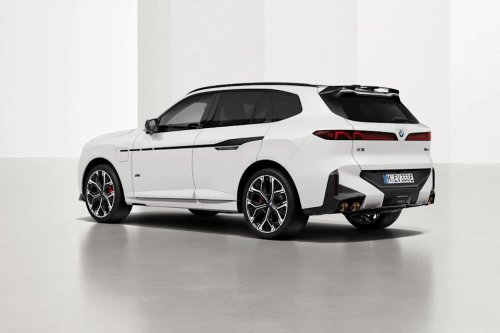
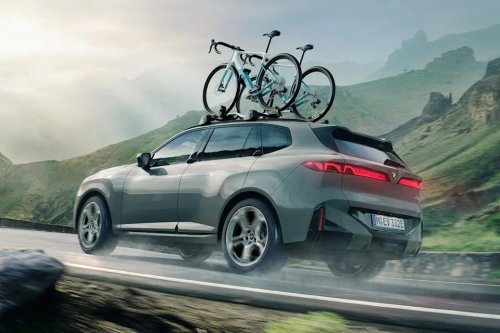
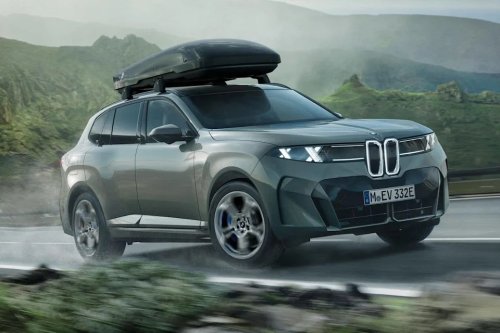
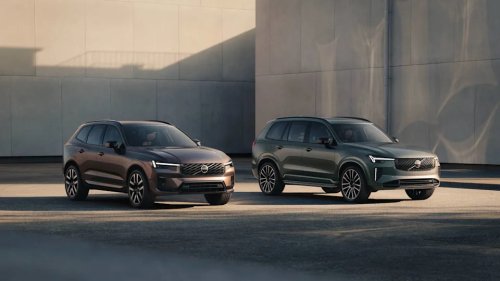
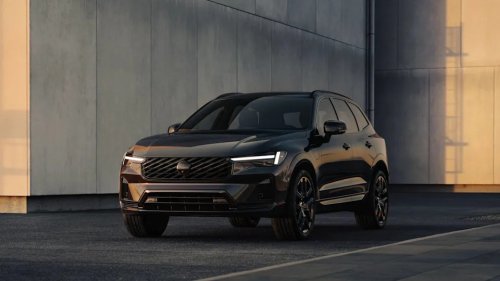
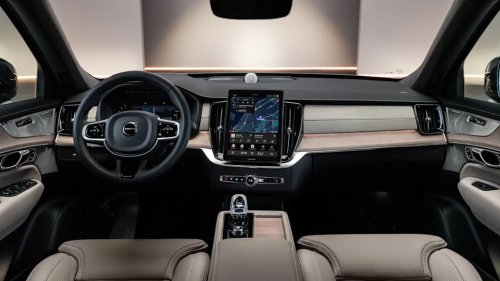
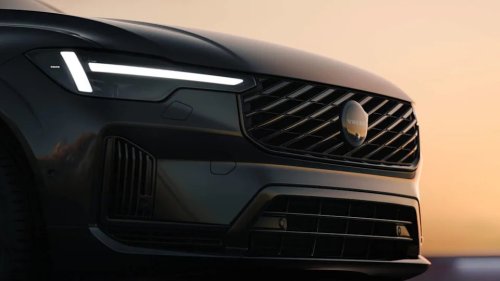
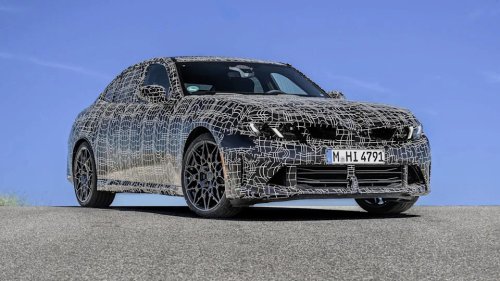
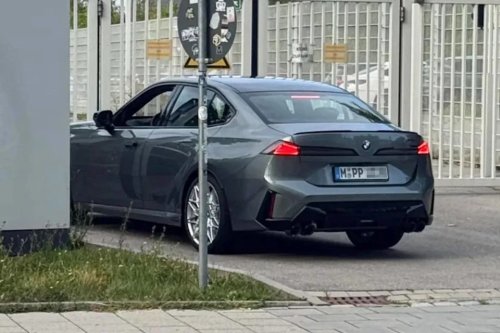
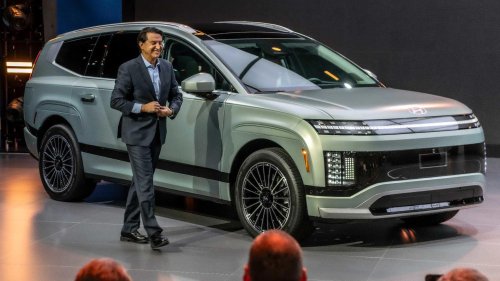
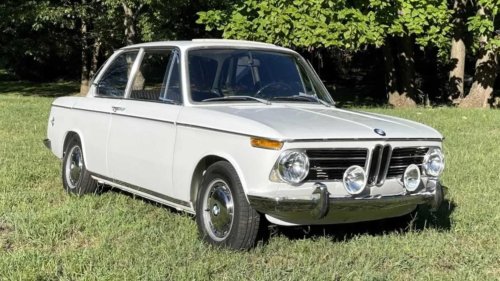
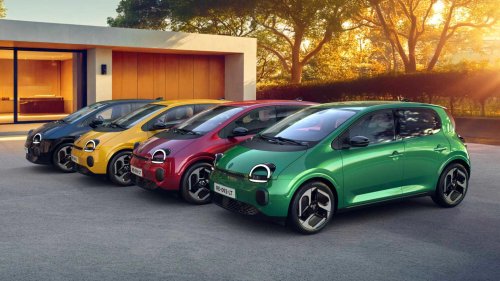
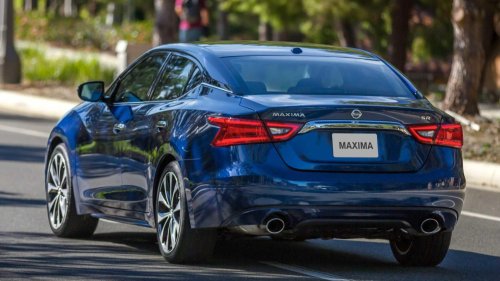
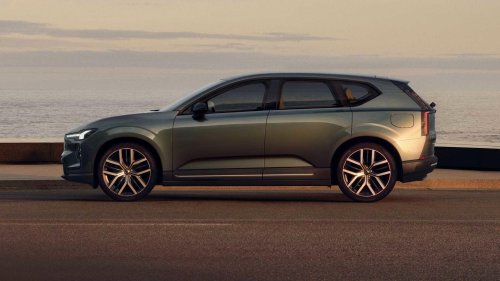
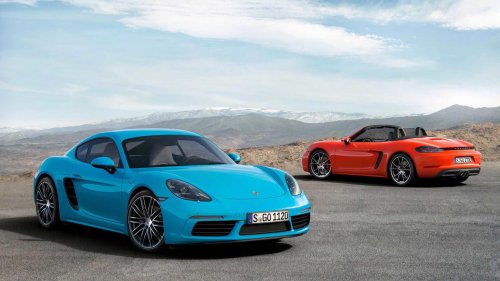
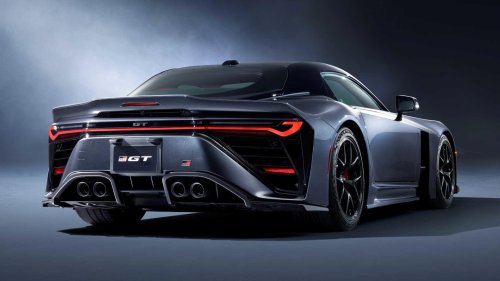
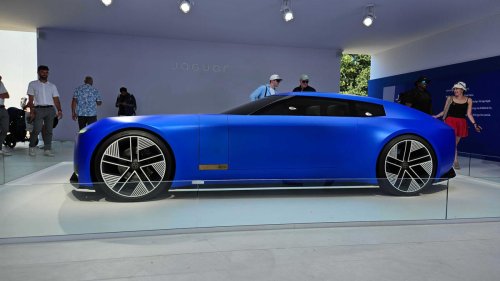
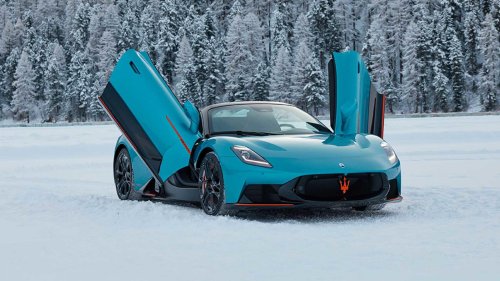
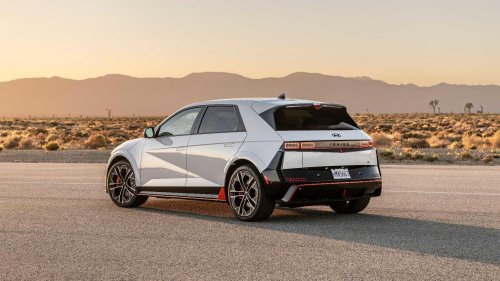
There’s always a lot of churn in the auto industry. From the plant floor and design studios to the marketing offices and product development, it’s common for workers to search of something better, either in another department or with other companies. But it’s unusual when nine global automakers are replacing their chief executive officers in the span of little over a year, as noted this week by Automotive News. Job Isn't All About Stock Options The boss with the longest tenure in this group is Jose Muñoz, who took the reins at Hyundai Motor Group on Jan. 1, 2025, while the newest arrivals are Toyota's Kenta Kon, who starts April 1, and BMW's Milan Nedeljkovic, who takes over on May 14. And in between are new chief executives settling in at Nissan (Ivan Espinosa), Stellantis (Antonio Filosa), Volvo (Hakan Samuelsson), Renault (Francois Provost), Jaguar Land Rover (PB Balaji) and Porsche (Michael Leiters).Starting a job like this is akin to drinking from a firehose, as vice presidents update the new boss on product in the pipeline, operations losing money, supply chain headaches and other problems needing attention. Oh, and there's a board breathing down your neck. The job isn't all about stock options. Ideas From Experts Hyundai As these new CEOs walk the halls or gather the troops in town hall meetings, there are bound to be ideas that surface from the thousands of people toiling on the company's behalf. If it's an open conversation, we would like to offer a few suggestions that might even bolster the bottom line.To help fill out the list, we tapped three experts: Dave Zoia, a 44-year automotive journalist who retired recently as editorial director at Wards Automotive; Sam Fiorani, vice president of global vehicle forecasting at AutoForecast Solutions LLC; and long-time journalist John McElroy, host of the Autoline talk show. BMW Bring a trailer. The 2002 was available in the US from 1968 to 1975, and this boxy two-door put BMW on the map with sporty handling, providing a European counterpoint to American muscle cars. How long must we wait for this compact package to return? Bavaria has demonstrated the skill necessary to usher Mini into the modern world. BMW could do the same with the 2002, and possibly pull in a generation of young buyers at a lower price point.Looking broader at BMW, brands like Mini and Rolls-Royce will likely keep their gas engines well into the 2030s, but will the BMW brand ever go all-electric? Milan Nedeljkovic's biggest task is balancing the soon-to-launch Neue Klasse electric models (iX3 arrives this summer) with consistently strong demand for ICE models. Renault Renault"Plans to spin off the ICE division have been withdrawn as the company realized it will take longer for the electric side of the business to be the bulk of Renault’s sales," Fiorani says via email. Francois Provost has a history of working with global partners on the Ampere side of the business, which will come in handy as he navigates the next decade by harnessing factories in South Korea and technology from China.We have fond memories of the Renault Le Car and Encore on American roads in the 1980s, and there are Francophiles who would love modern Renaults here again. But we have a lot going on here in the US — tariffs change every week and the competition is fierce compared to 40 years ago. "So, please resist temptations to come back to the US market, for everyone’s sake, including your own," Zoia says via email. Nissan Nissan It seems fitting to discuss the Japanese automaker in context of its Renault-Nissan-Mitsubishi Alliance partner. Each automaker still holds a 15 percent stake in each other, and it was Nissan that desperately needed the lifeline that Renault provided in 1999. The alliance has been restructured and scaled back, and now Nissan is looking for a new direction, like it was 30 years ago."Ivan Espinosa has a Herculean task ahead of him. Focusing on crossovers, SUVs, and pickups is smart, but it needs to happen quickly to get positive cash flow back into Nissan. Eliminating excess capacity was a good start," Fiorani says. We're grateful the Nissan Z car lives on, but it would be disappointing if America loses another once-popular sedan — the Altima — after the departure of the even better Maxima. We can cry in our beer, but it would be up to Espinosa to make the business case. Volvo Volvo How can we not think about Scandinavian design and winter testing when hearing the Volvo name? German brands dominate the US luxury segment. But there's something uniquely practical and even humble about Volvo, and its modern lineup successfully conveys those brand traits. Maybe Hakan Samuelsson needs to push the US marketing message a bit more. Hopefully, Volvo can stay the course with a competitive lineup of both EVs and (for now) ICE models, as financially challenging as that is.On its path toward full electrification, Volvo has underutilized plants in search of in-demand products. The updated gas-powered models need to hit the market without software glitches and with market-level quality. Regaining market share with gas-powered models will help prove that Samuelsson understands this. Also, "Chinese parent company Geely surely wants Volvo's help in entering the US market, but please resist. Doing otherwise could result in a self-inflicted wound," Zoia says. Porsche Porsche Financial issues, largely due to the shift to electric vehicles, puts Porsche at a unique crossroads, and Michael Leiters will have his hands full navigating the way forward. "New models are on the drawing boards and will take the automaker further into crossovers for growth, which will put further stress on the quality and sporting image of the brand," Fiorani says. Porsche's image was expected to suffer mightily when the big, bulbous Cayenne SUV launched in 2002.But the Cayenne was so popular that it spawned a smaller and even more successful crossover, the Macan. In 2025, the Macan and Cayenne made up two-thirds of all US Porsche sales. The two models saved Porsche from financial ruin — and generated cash for new sports cars. Still, "protecting the brand image should supersede all other decisions at Porsche, even if that means shrinking the company," McElroy says. Toyota Toyota Kenta Kon is the kind of financial executive Toyota needs. He’ll keep the balance sheets in the black as the automaker levels off around 11 million units of global production. Like every other new and returning leader, he's likely to focus on building the business case for battery-electric vehicles in a market where there are too many offerings and too few buyers.By the end of this year, Toyota will have four EVs in America, and improving profitability on them will be difficult. In the meantime, Toyota spinning hybrid versions of just about every vehicle in its US portfolio is a strategy that Kon needs to continue, because a lot more Americans are interested in hybrids than EVs. And hopefully this newly promoted bean counter will live by the credo of former CEO Akio Toyoda: "No more boring cars!" Jaguar Roger Biermann/CarBuzz/Valnet Perhaps no other automaker is in a more precarious position than Jaguar, a 90-year-old brand that needs a complete rebuild under the umbrella of Jaguar Land Rover. Previously, British Leyland and Ford had trouble finding a proper niche for the brand. "If PB Balaji can find that niche and cultivate it, he will find a place in the automaker CEO hall of fame," Fiorani says. Land Rover is in better financial shape, with the Range Rover, Range Rover Sport and Defender making up the vast majority of JLR sales.But by phasing out existing ICE models, Jaguar isn't feeding the JLR balance sheet but draining it, while hoping the battery-electric Type 00 GT can turn the tide. During recent winter testing, Type 00 prototypes wore camouflage to hide the controversial, even cartoonish, form. "The strategy of going all electric, slashing volume, doubling prices and moving far upscale is a recipe for disaster," McElroy says. "Balaji needs a Plan B, if it's not too late. It wouldn't surprise me to see the J drop off of JLR before the decade is out." Stellantis Maserati Antonio Filosa inherited an automaker driving down the wrong road. There is much rebuilding to do, and difficult decisions to be made. No automaker needs 14 brands to survive. "Maserati, Lancia, and Alfa Romeo have zero chance of providing a return on any capital invested in them. Shutting them down, as well as the French luxury brand DS, makes sense financially," McElroy says. But there will be resistance from European governments.How can US brands Dodge and Chrysler stay afloat with a Charger and Pacifica? Properly positioning Ram and Jeep could put Stellantis back on track to profitability again, and wiping the slate clean by writing down losses in 2025 is a good start. "Fiat and Alfa Romeo haven’t gained any traction in America. It’s time to narrow the vision," Zoia says. No doubt Filosa has a good idea of where he needs to prioritize his capital spending, but he'll have to be a master mediator and conciliator to pull off something they don't teach in business school. Hyundai Hyundai Of all the automakers with recent leadership changes, Hyundai is best positioned. "By choosing a non-Korean to head the automaker, Hyundai demonstrates the automaker understands the importance of export markets," Fiorani says. The Hyundai brand sold about 600,000 vehicles in South Korea last year, more than 900,000 in the US and about 500,000 in Europe.The Spanish-born Jose Muñoz has had key executive positions in Europe, North America, and China before taking over Hyundai. Growing Europe and North America will require specialized products and Muñoz understands that. "Hyundai is well managed and in good shape. The key now is to keep the momentum and not go off on some ill-advised tangent," McElroy says. "Stick to the plan."



















 +24 others