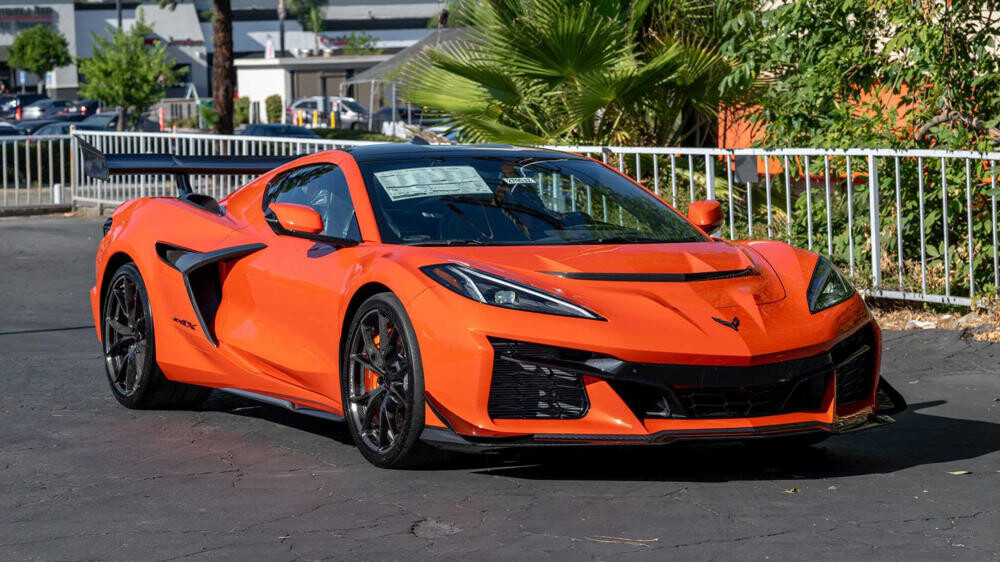
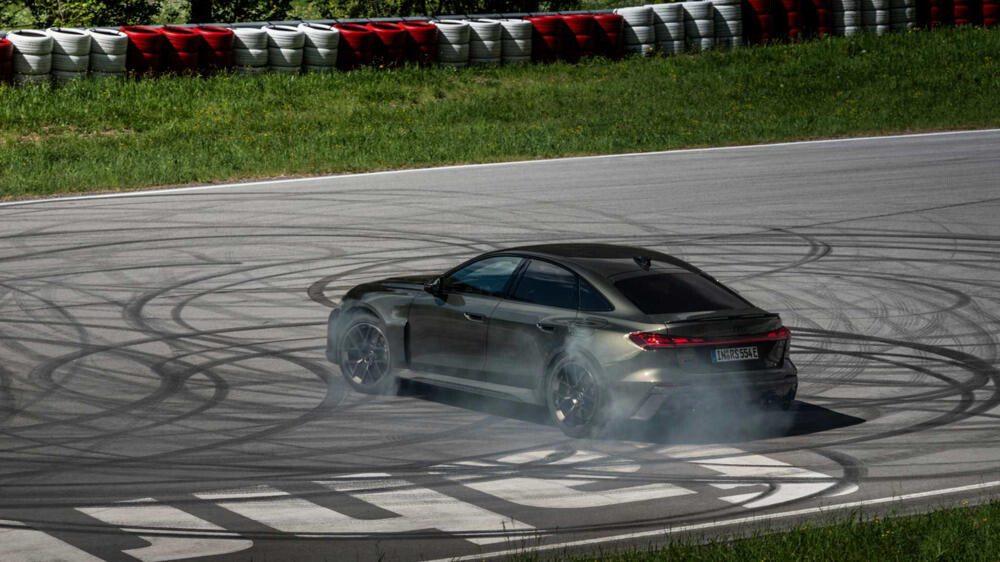
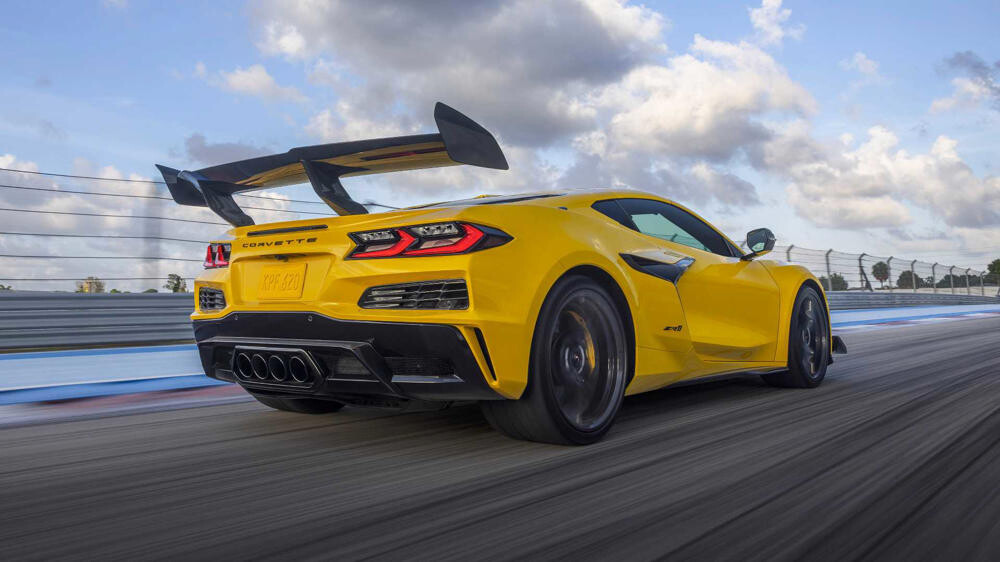
All-wheel drive systems can be a huge boost for performance cars. The ability to send power to the tire with the most grip, or the side that can help send the car in the right direction, makes a big difference. But according to GM, those AWD systems are programmed for one specific driving style, and not everyone drives like that. CarBuzz has found a patent from the automaker that claims to fix this, making the AWD work with you and your driving style, be it good or bad. Different Drivers, Different Styles, And A System That Manages Both In the patent, GM engineers describe two different types of drivers. The first is described as passive, transitioning smoothly between braking and accelerating. Others are described as more aggressive, braking early and accelerating hard. To meet the needs of both, the patent describes a system that determines the driver type. Data and sensors measure input, and the system uses machine learning to create different driver adaptations for different styles. This system is focused on race track driving, and that's how it can work. The car needs to learn the driver, but it also needs to learn the track. Once it knows both, it's able to function. To help clarify this, GM's patent shows two drivers. One turns early and quickly in a bend, and one follows a smoother arc. The first driver needs to rotate the car quickly, then spend more time in a straight line. To meet that, the AWD system would apply more torque to the outside wheels – and in an EV, more regenerative braking on the inside – early in the turn. Then, once the car is straight, it could actually apply an adjustment to accelerate slightly harder than the driver commanded. Since the second driver has more time for the car to rotate, the system could apply more balanced torque across the tires, helping the car accelerate earlier. If the driver is aimed at a spot that isn't quite the right corner exit, the car could add a little more or a little less steering lock to correct it. Can This Fix Bad Track Driving? In both situations, the car would also change how it applies torque in response to the throttle. The aggressive driver gets more torque more quickly; the passive driver gets it more smoothly. It sounds to us like it could also learn that you want to hang the tail out every single time and automatically send more power to the back instead of waiting until you try to slide it. In either case, the system is intervening to help get you around the course a little bit faster. If that sounds like a stability control system, you're not wrong. The difference here is the goal isn't to simply stop a skid, or maintain a drift angle using a standard set of parameters. In theory, if you tend to brake late, the system will learn that behavior and help you make the most of that late-brake maneuver. A modern performance car like the Corvette ZR1X can easily out-handle the driver, and next-generation cars will push those limits even further. That means a system like this could be needed. CarBuzz Insight – Why This Matters: Pro drivers, or very experienced track drivers, will probably hate this. They'll want the car to do exactly what they've commanded. For everybody else, this sounds like a great way to help while you pick up experience on the track, and could make you look like a pro in the process. It sounds a bit like training wheels, but it's not unlike the digital flight control systems in modern jet fighters that prevent spins, stalls, and other problems caused by a plane that can out-handle the pilot. Cars that respond to what you want, not what you asked for, are safer. For beginners and intermediates, they're a lot faster and more enjoyable on the track, too. This idea ensures the car does more of what you want it to, no matter how you drive. But, pair this with GM's recent drag racing patent, and it's like they don't want you to really drive at all. Patent filings do not guarantee the use of such technology in future vehicles and are often used exclusively as a means of protecting intellectual property. Such a filing cannot be construed as confirmation of production intent. Source: DPMA

 Liked by Connor Carter, Kaitlyn Brown







 Liked by Connor Carter, Kaitlyn Brown