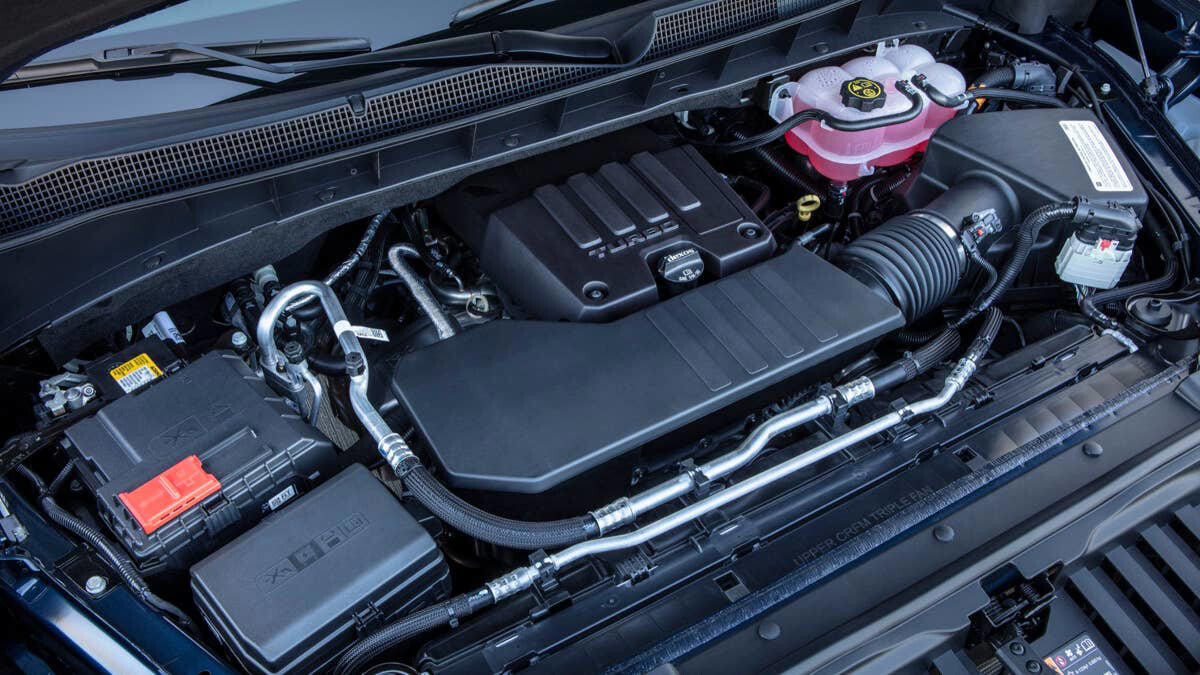
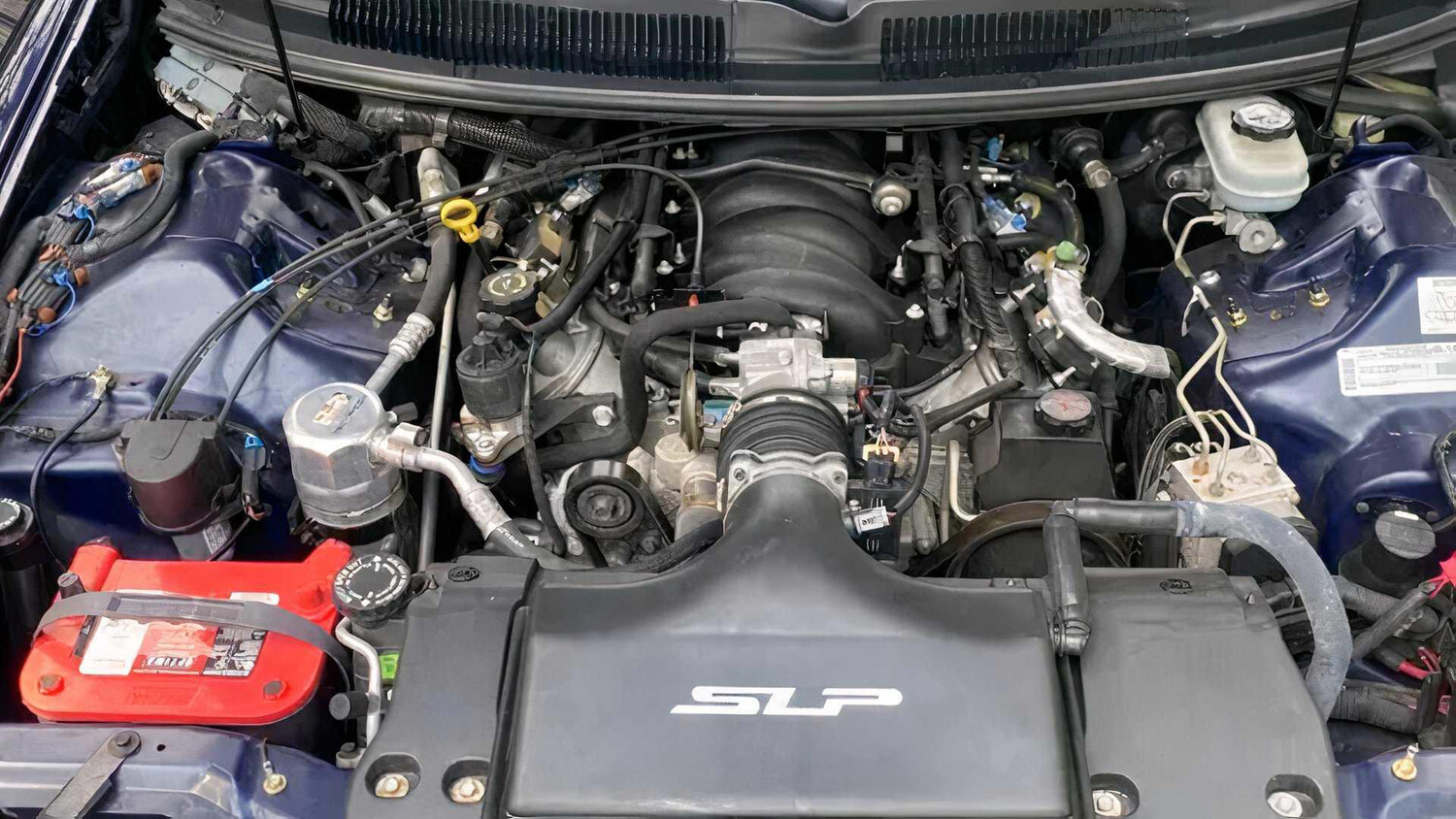
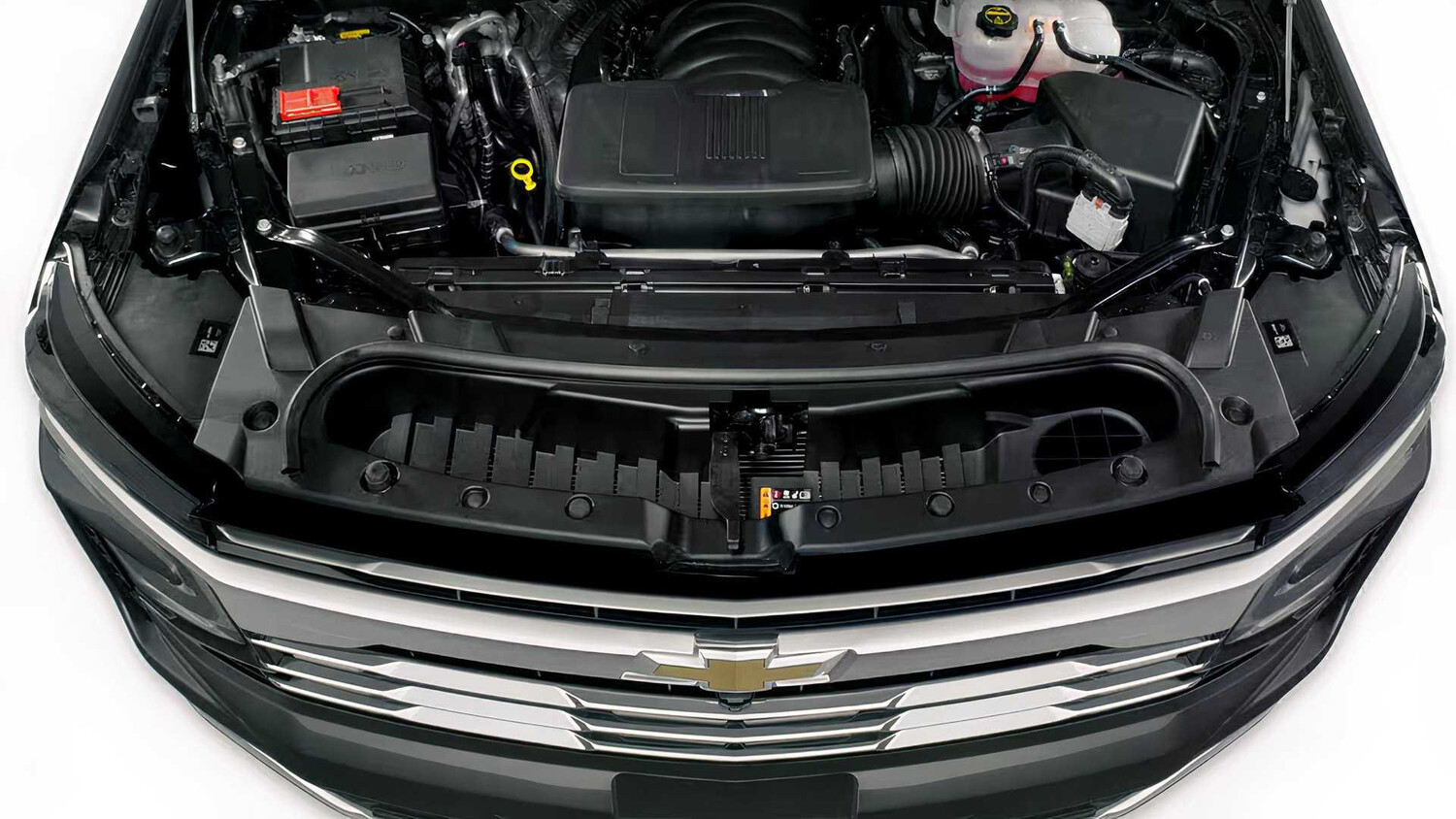
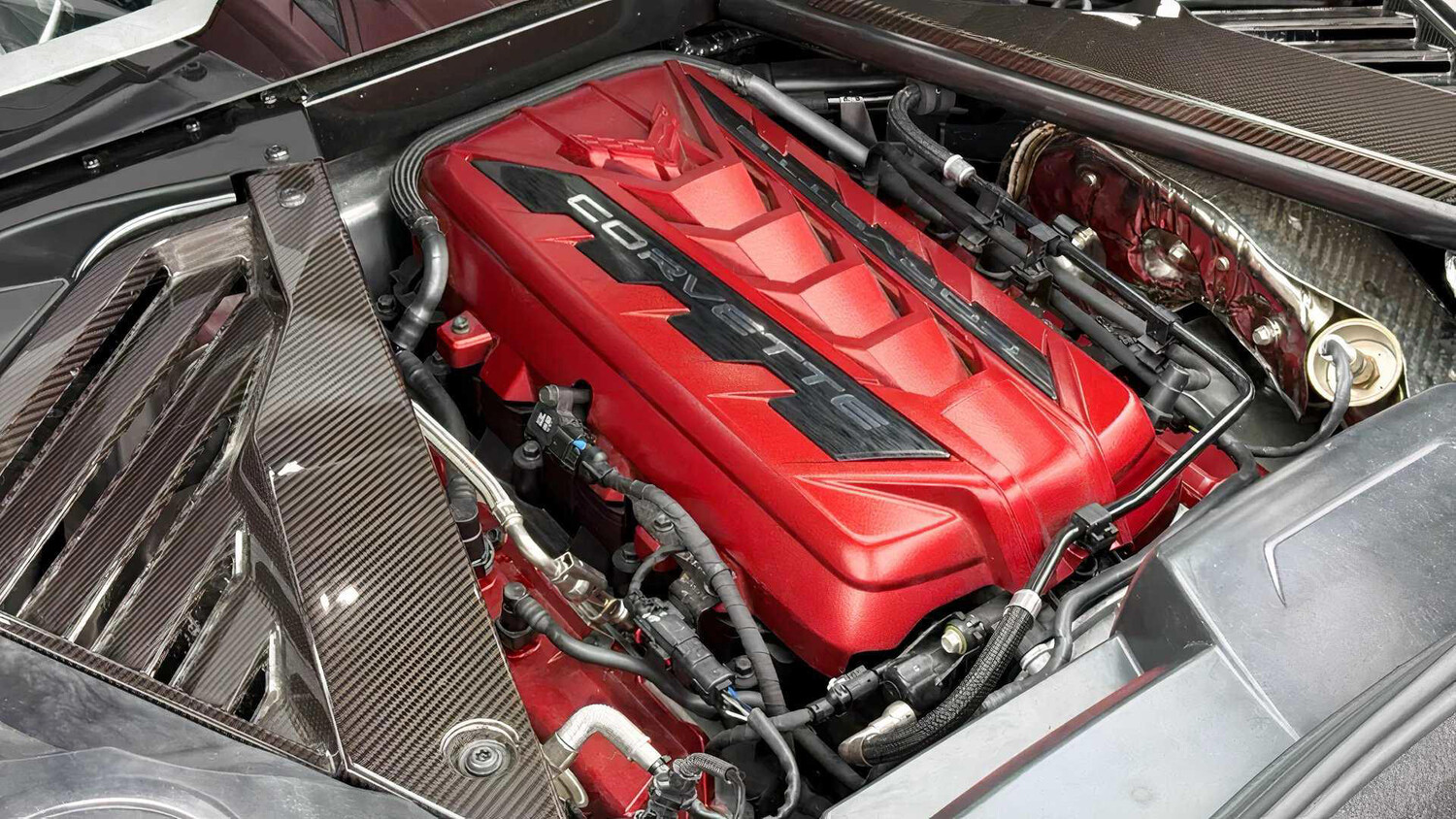
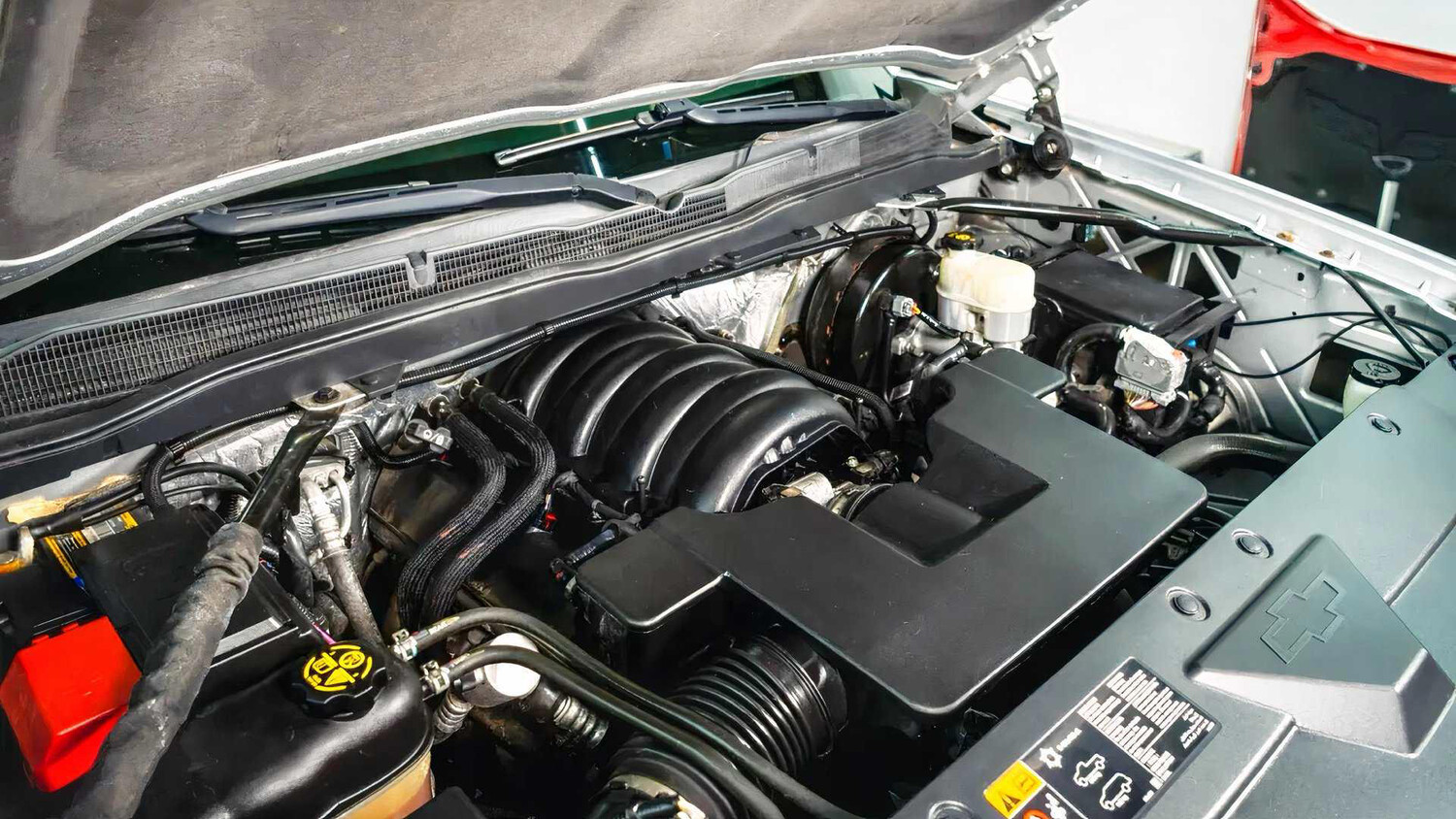
In an attempt to allow its powerful V8 motors to meet increasingly stringent emissions standards, General Motors developed a technology called Active Fuel Management (AFM) and its successor, Dynamic Fuel Management (DFM). These systems worked by automatically shutting down cylinders when full power wasn’t needed. Simple, right? In theory, it allowed owners of big V8-powered Silverados, Tahoes, and Suburbans to get the best of both worlds. In reality, this feature has often resulted in persistent engine ticking, leading to dropped valves and very costly repairs. If you are in the market for a Chevy truck or SUV, or if you already own one, understanding the mechanics, the problematic years, and the potential solutions is the first step in avoiding major engine issues. What is AFM and DFM, and Why Do They Fail? Active Fuel Management (AFM) shuts down exactly four cylinders in a V8 engine under light loads. Dynamic Fuel Management (DFM), introduced later, is much more complex, capable of shutting down various combinations of cylinders in up to 17 different firing patterns. Both systems rely on specialized collapsible hydraulic valve lifters. When the computer needs a cylinder to deactivate, oil pressure drops at the specific lifter, allowing the internal spring locks to collapse so the intake and exhaust valves stay closed while the piston continues to cycle. The flaw lies in the fragility of these complex lifters. Due to the constant stress of collapsing and re-engaging thousands of times on every drive, these lifters frequently fail. They get stuck, flatten the camshaft lobes, cause severe misfires, and can even send metal shrapnel through the engine block. Missed service intervals only worsen the issue as dirty oil cannot lubricate the moving parts as effectively. The Model Years to Avoid While any GM engine with AFM or DFM can technically experience lifter failure, each generation has its own issues to consider. Models heavily impacted include the Chevrolet Silverado 1500, Tahoe, Suburban, and their GMC siblings (Sierra 1500, Yukon, and Yukon XL). While both the 5.3 and 6.2-liter V8s can be problematic. 2007–2013 The 5.3L V8s in the 2007 to 2013 Chevy Silverado 1500, Tahoe, and Suburban are very prone to AFM issues. This generation is known for excessive oil consumption and premature lifter collapse. If you are shopping for a GMT900-era truck, be extremely cautious. Regular oil changes were often not enough to prevent the lifter failure, which usually necessitates a costly camshaft and lifter replacement. 2014–2018 Chevy introduced direct injection for the 2014 model year. While power and efficiency improved, the lifter issues persisted. Direct injection also introduced a secondary issue: intake valve carbon buildup. While arguably slightly more robust than the 2007–2013 engines, these V8s still see frequent lifter tick and collapse. 2019–2021 In 2019, GM debuted the more advanced Dynamic Fuel Management (DFM) system. Unfortunately, early DFM engines experienced a massive surge in lifter failures. The problem was severely compounded during the 2020 and 2021 pandemic years by a bad batch of lifter springs from a third-party supplier. Many of these trucks experienced catastrophic engine knocking and required complete engine replacements before ever hitting 20,000 miles. Are There Any Proven Fixes? If you own an AFM or DFM-equipped Chevy, you have three primary ways to protect your engine. 1. The Plug-and-Play Disabler For many owners, the easiest preventative measure is buying an OBD-II AFM/DFM Disabler. This small device prevents the ECU from ever entering cylinder deactivation mode. By keeping the V8 firing on all eight cylinders permanently, the lifters never cycle into their collapsed state, dramatically reducing the mechanical wear that leads to failure. It isn’t fool-proof, but it is the cheapest and easiest solution. 2. The Mechanical AFM/DFM Delete If you want absolute peace of mind, a complete mechanical AFM/DFM delete requires replacing all 16 lifters with standard, traditional hydraulic components. You must also install a standard non-AFM camshaft, swap or plug the lifter oil manifold valley cover, and custom-tune the engine’s computer so it operates normally without throwing error codes. It costs a few thousand dollars and may not be financially viable depending on the age and value of your vehicle. 3. OTT Maintenance Clean oil is what keeps these complex hydraulic lifters functioning within factory tolerances. Ignore the factory recommendations and change your engine oil every 3,000 to 5,000 miles using high-quality fully synthetic oil. It may not be a failsafe solution, but it is one way to help prevent premature engine failure. Have the Issues Been Resolved on New Vehicles? The short answer is possibly. That’s because the underlying mechanical architecture is still the same. Since 2022, GM has used (DFM) Dynamic Fuel Management on most of its engines. It claims to have ironed out supplier defects that plagued earlier models during Covid, and failure rates on newer SUVs and trucks have also reportedly dropped. While this could partly be due to the newness of these vehicles, it is telling that GM is pursuing different technological solutions to cylinder deactivation, including rocker arms that use hydraulic oil to disengage valve actuation. Until then, if you buy a modern Chevy with DFM, the best way to avoid any potential issues is to implement a strict oil service interval regimen and use a DFM disabler to help extend the life of the lifters.