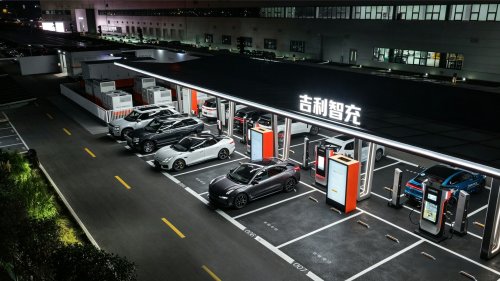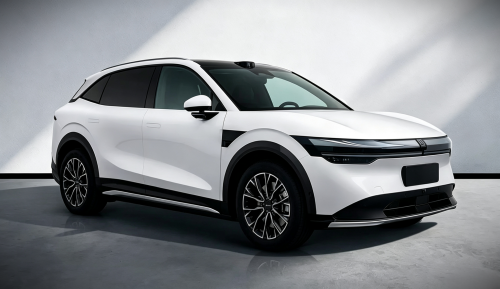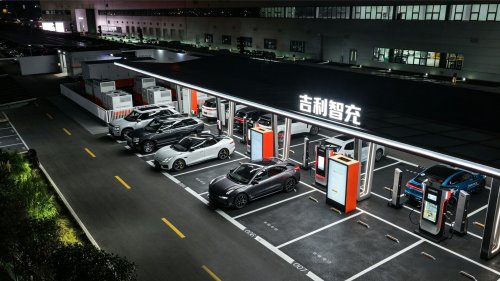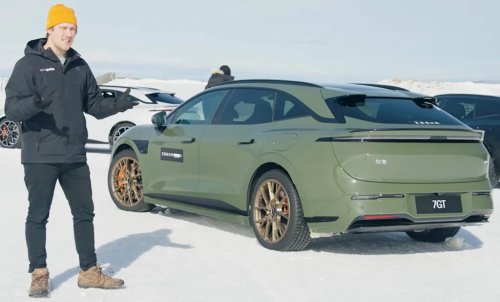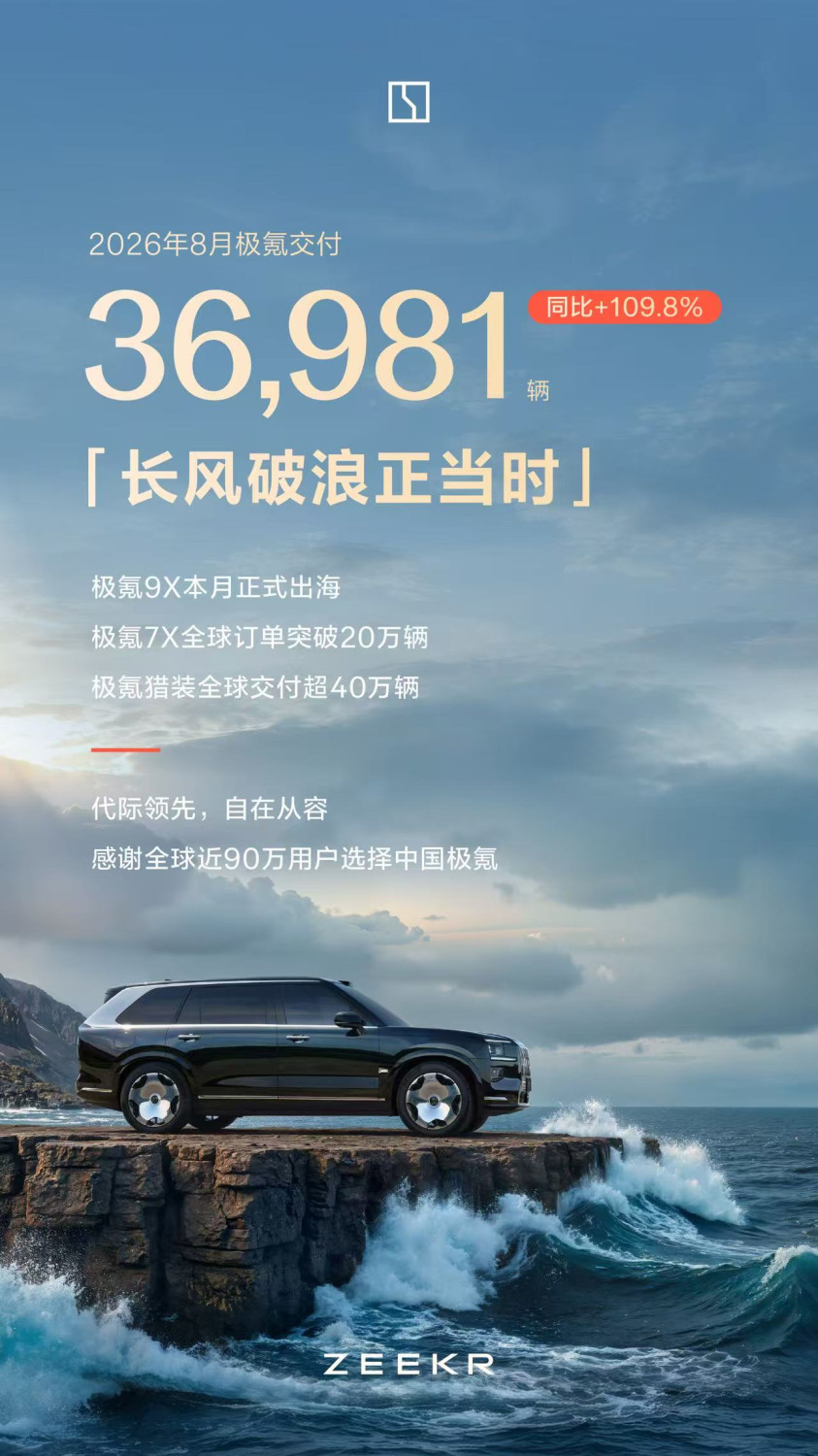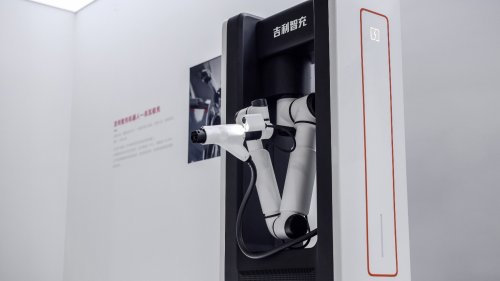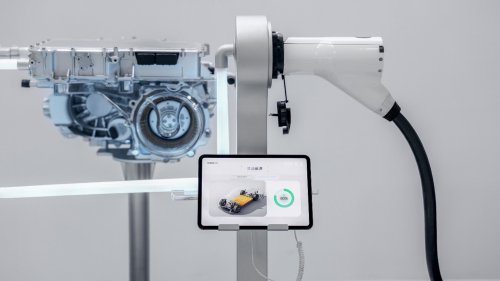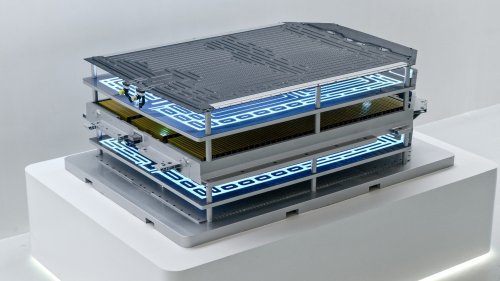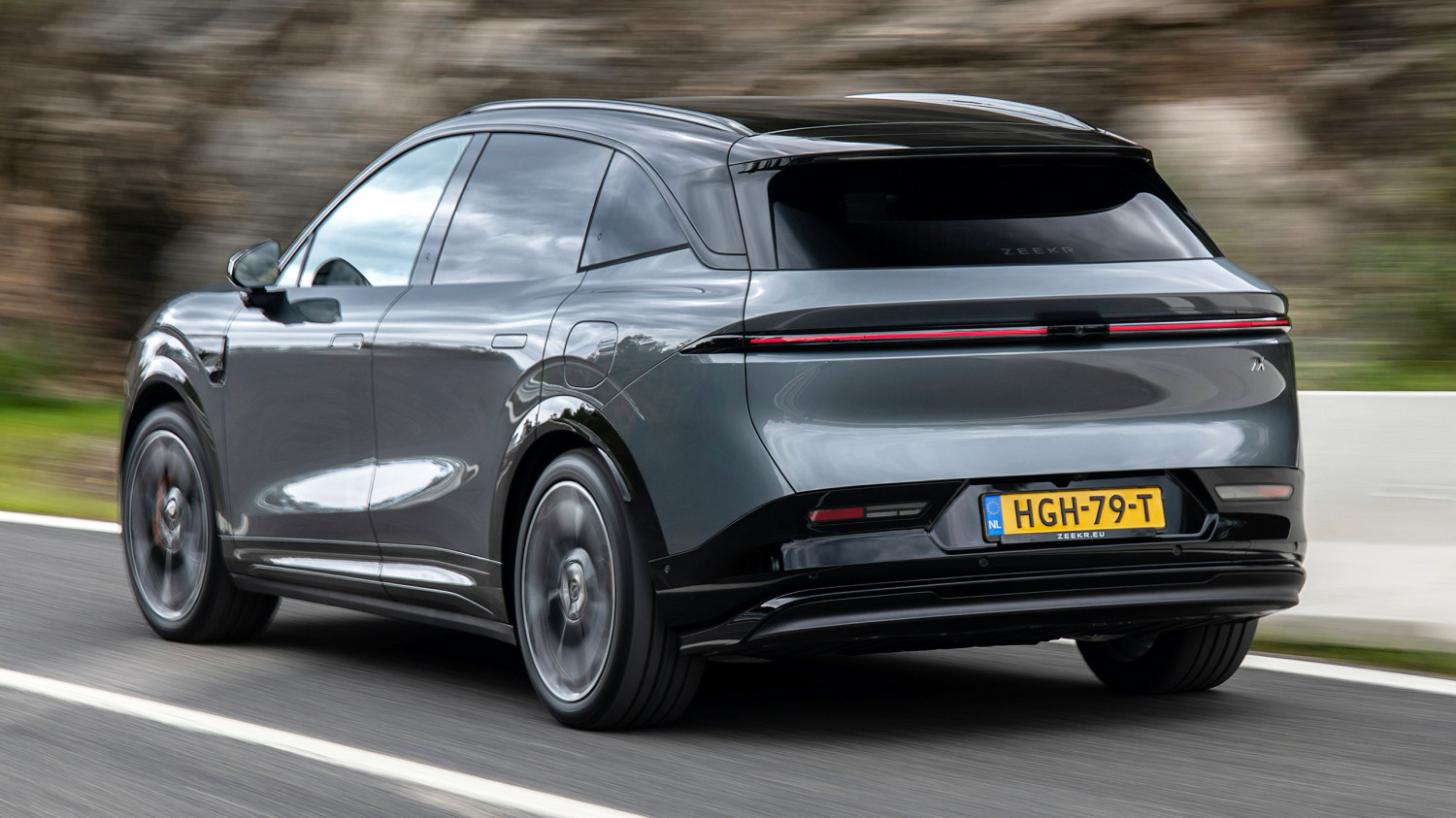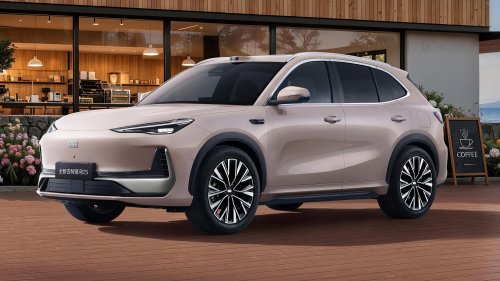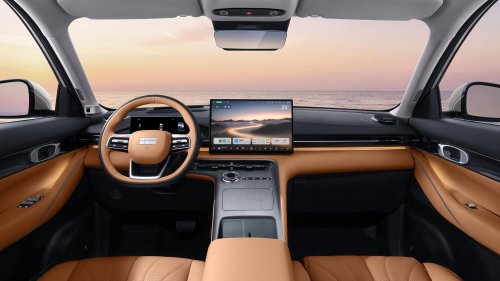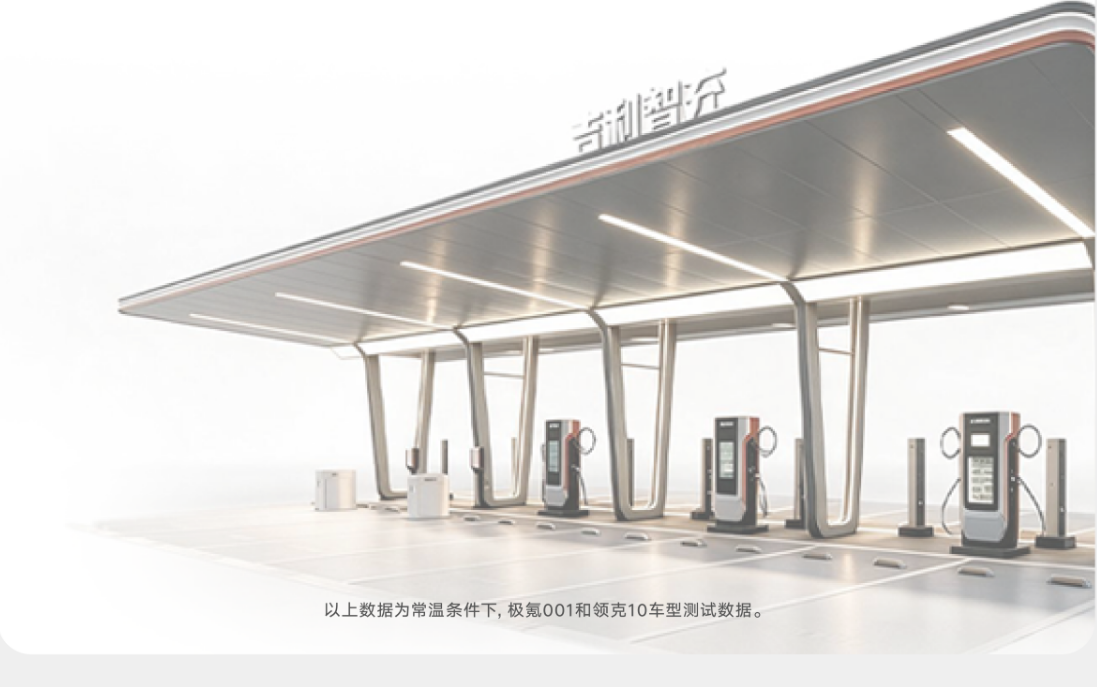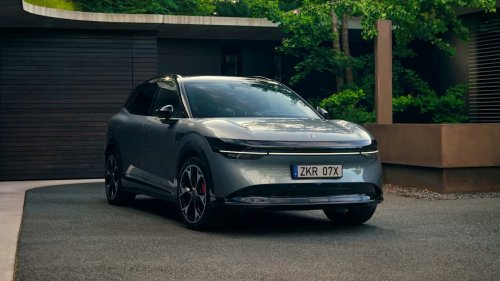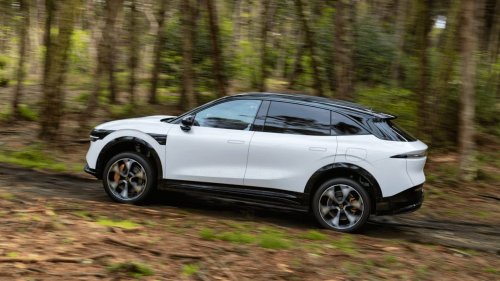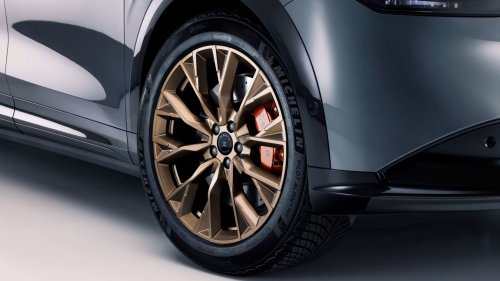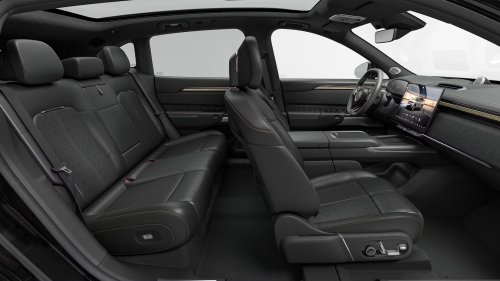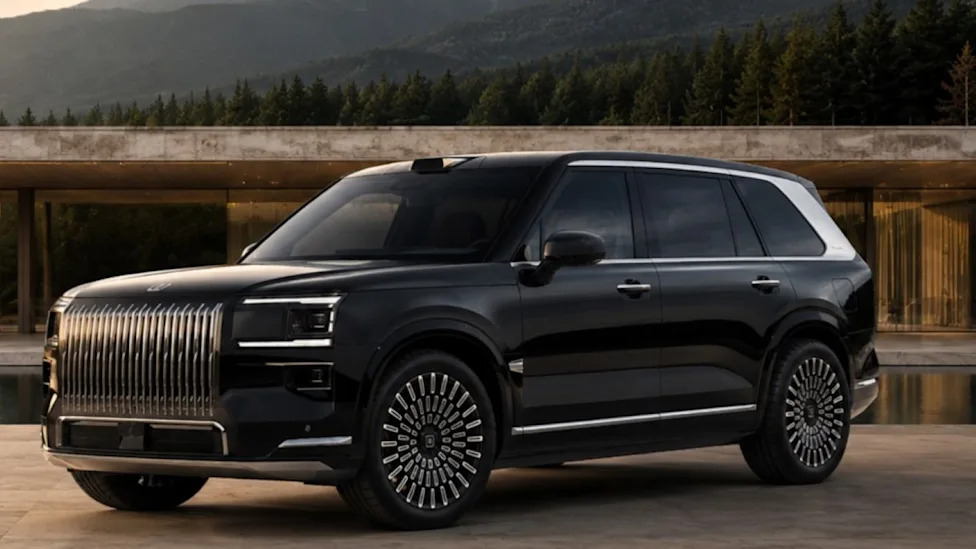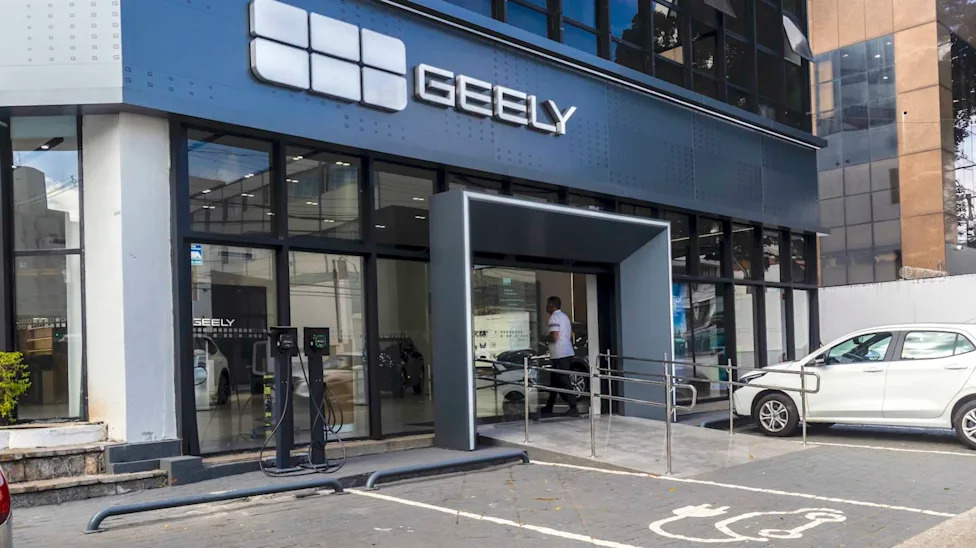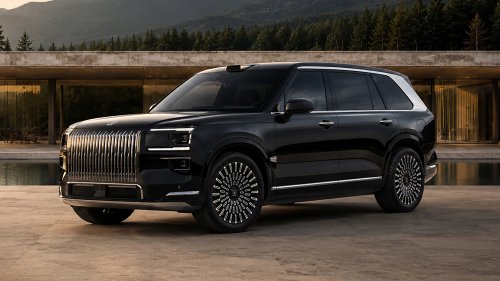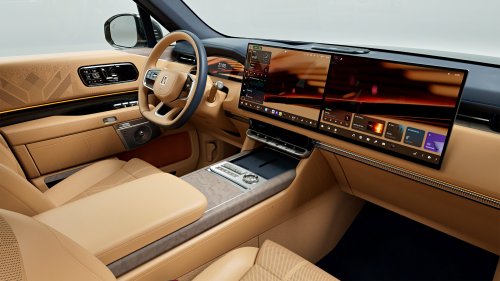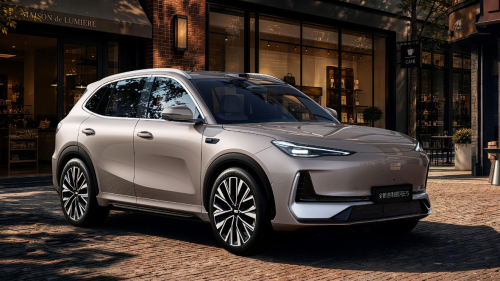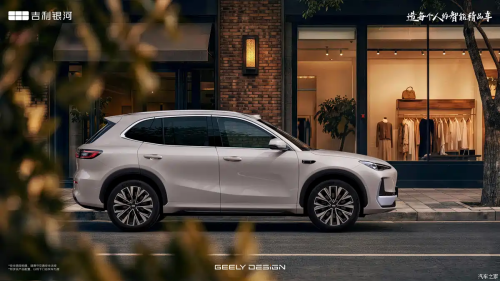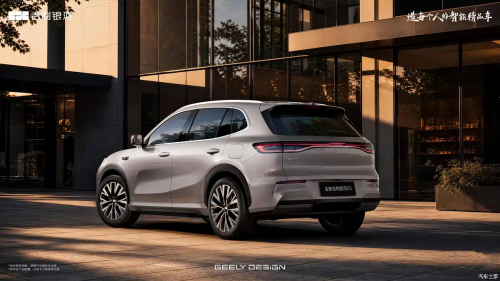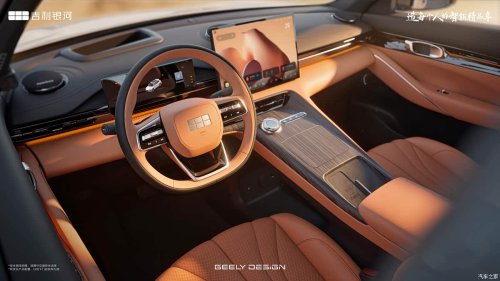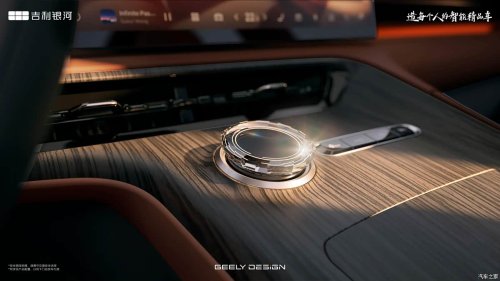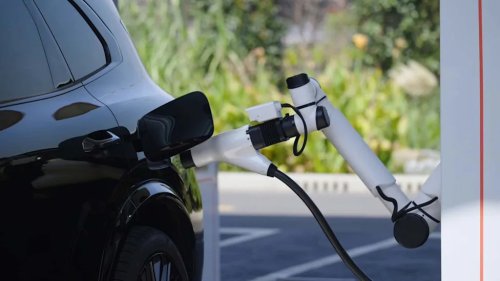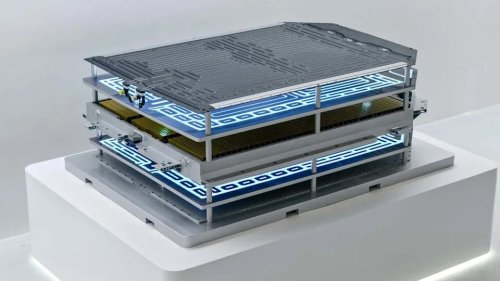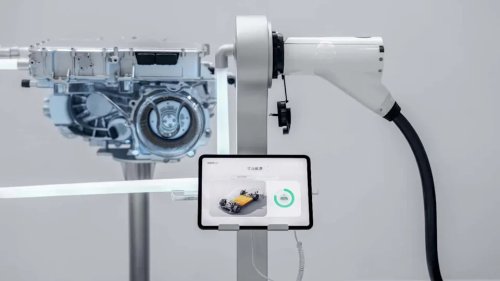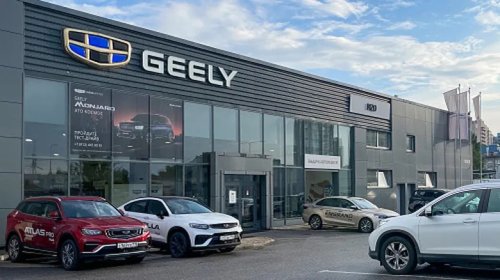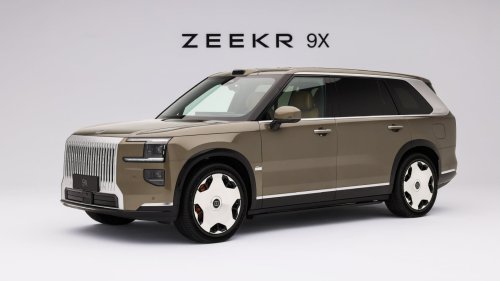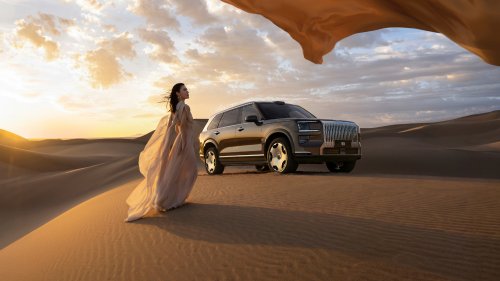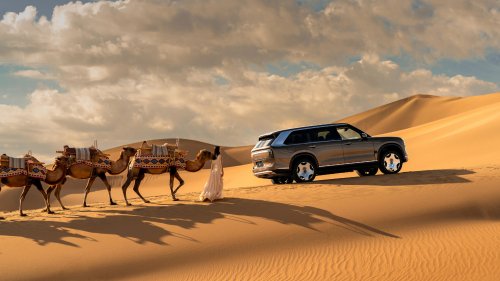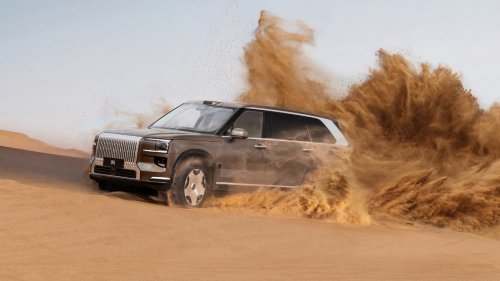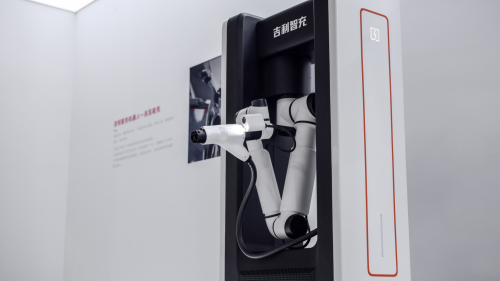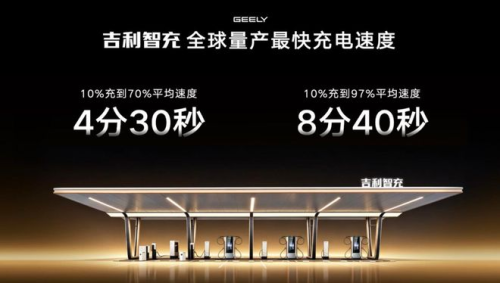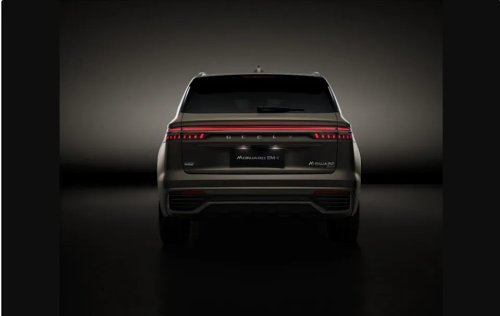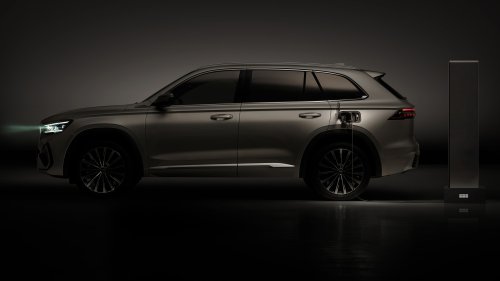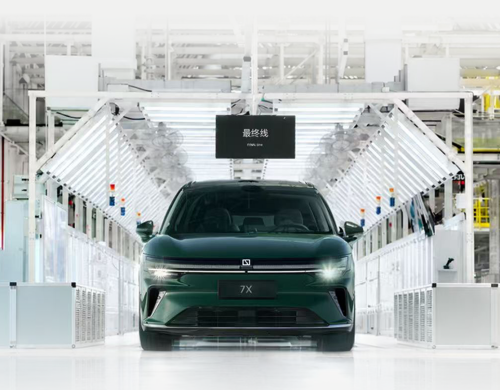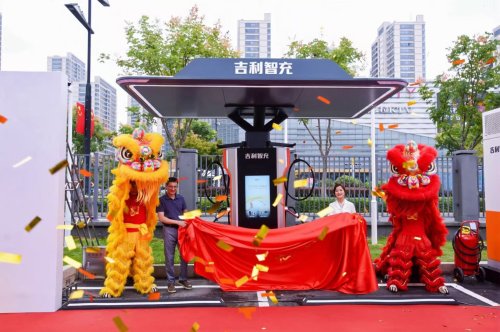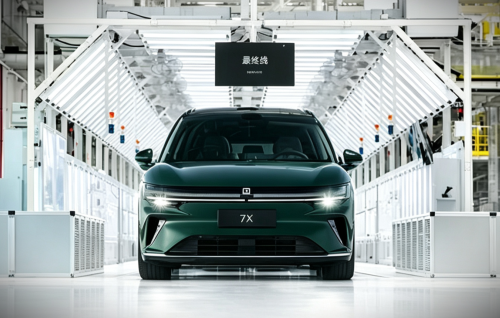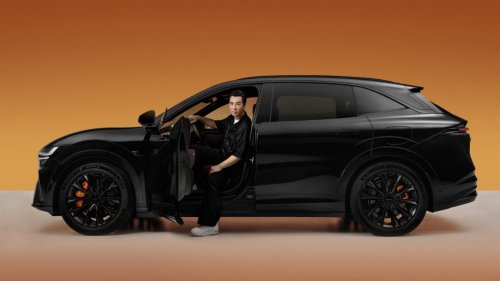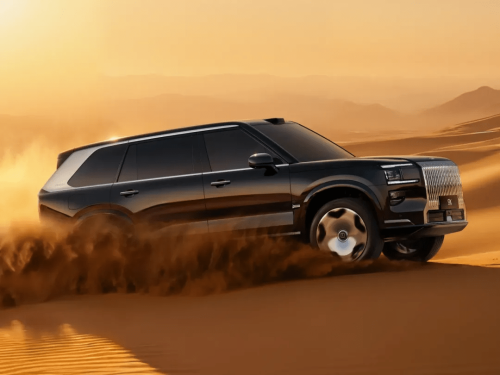
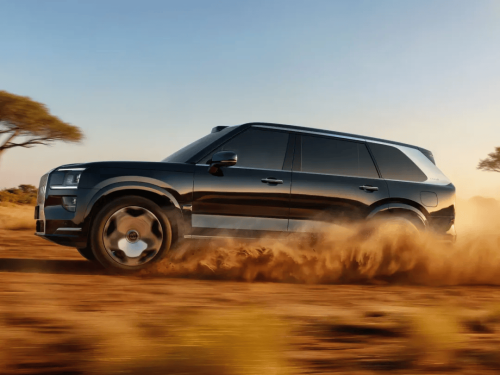
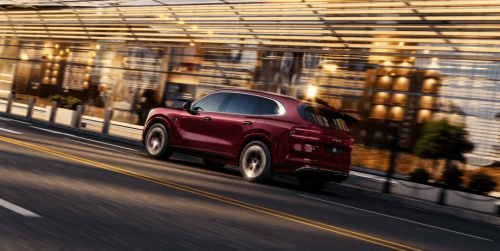
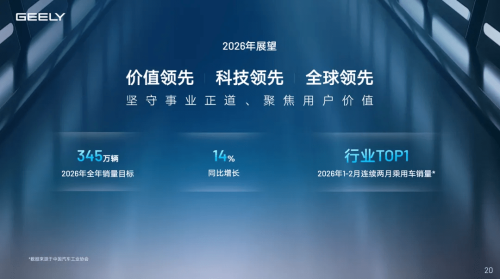



















Geely Auto delivered a blockbuster 2025 earnings report with record-breaking net profit and a surging gross margin, fueled by the runaway success of its premium EV model Zeekr 9X. The Hangzhou-based automaker is now setting its sights on an audacious goal, claiming the top spot in China’s domestic auto market in 2026, while doubling down on global expansion with a resource tilt toward international business. Zeekr 9X: The Margin Game-Changer Zeekr 9X emerged as the star of Geely’s earnings call, the most frequently mentioned model by management for its dual role in boosting gross margins and accelerating Geely’s premiumization drive. Geely’s gross margin hit 16.9% in Q4 2025, edging out the full-year figure of 16.6%—a 0.3% uptick largely driven by Zeekr, which accounted for 9.5% of Geely’s total Q4 sales, up from 7.5% for the full year. Zeekr 9X Within Zeekr’s 80,000 Q4 deliveries, 22,000 units were the 9X, priced between RMB 465,900 ($67,650) and RMB 599,900 ($87,100). This high-margin flagship pushed Zeekr’s Q4 gross margin to an impressive 23%, a sharp jump from 19.2% in Q3 2025. For context, Geely’s gross margin outperformed Chery (13.8% full-year, ~13.9% Q4) and neared NIO (13.6% full-year, 17.5% Q4)—a notable feat for a mainstream automaker’s premium spin-off. Zeekr 9X Geely confirmed 9X will maintain a 20,000 monthly delivery run rate in Q1 2026 with production capacity ramp-up, and its gross margin will stay at or above Q4 2025 levels. The automaker is also slashing the model’s delivery lead time from 11 weeks to 8 weeks to sustain demand. Following 9X’s success, the all-new Zeekr 8X—launched for pre-order on March 16—racked up over 30,000 orders in less than 48 hours, hinting at a potential repeat of 9X’s record (10,000 orders in 13 minutes after launch). Zeekr 8X The Zeekr lineup’s success, according to Guishengyue, Geely’s Executive President, stems from Geely’s decades of automotive expertise in integrating electrification (three-electric systems) with high-efficiency engine technology—a differentiation edge in a market with increasingly homogeneous EV core components. This premium push has also paid off for Geely’s new energy division: the Galaxy brand turned profitable in Q1 2025, with a per-unit gross profit of over RMB 3,000($436) in Jan-Sep 2025 and further margin growth in Q4. 2026 Ambitions: China No.1 & Global Expansion Geely has a track record of beating conservative sales targets: it raised its 2024 goal from 1.9 million to 2 million units and 2025’s from 2.71 million to 3 million units, with actual 2025 sales hitting 3.0246 million units (up 39% YoY). For 2026, the automaker set a public sales target of 3.45 million units—but the real ambition is bolder: becoming China’s top-selling automaker. Geely To claim the crown, Geely will need to hit around 3.55 million units, matching BYD’s 2025 full-category domestic sales (3.5528 million units; 3.4845 million units via PCA passenger car retail data). However, BYD’s upcoming new technologies and models add uncertainty to this race. On the global front, Geely set a public 2026 overseas sales target of 640,000 units, with an internal stretch goal of 750,000 units—a 110,000-unit gap that the automaker aims to close by prioritizing international business as its 2026 core focus, according to Gan Jiayue, Geely’s management representative. Geely’s global product offensive will feature Galaxy’s bestsellers (Galaxy E5, Starship 7) going global, Lynk & Co models (08, 01, Z20) scaling up in Europe with Volvo’s resource support, and Zeekr 7X launching in South Korea in H1 2026. The automaker’s biggest global advantage lies in resource synergy across its portfolio (Volvo, smart, Lotus) — a result of years of acquisitions and integration. An Conghui, Geely Holding’s CEO, noted that 2025 earnings have not yet fully reflected these synergies: Volvo’s expertise accelerated Geely’s safety technology development, Lotus’s tuning underpins Zeekr 9X/8X’s high performance, and Volvo’s European network fuels Lynk & Co’s expansion. Geely also plans to build over 1,300 overseas stores by 2026, paired with global production base layout, to boost overseas sales—though it admits challenges remain, such as poor pre-sales and after-sales service in Hong Kong, a key market. R&D Investment & High-Quality Growth While Q4 gross margin rose, Geely’s Q4 profit saw no significant growth—a deliberate choice, the automaker explained. Geely poured RMB 5.9 billion ($856.7 million) into R&D in Q4 2025, with its R&D expensing ratio surging to 43% (up from 31% in 2024 and 36% in full-year 2025). By expensing R&D costs in the current period, Geely reduced short-term profits but ensured “higher quality profit figures,” Guishengyue said, adding the ratio will stay above 40% in 2026. This R&D focus is part of Geely’s shift to high-quality growth, which the automaker says still faces three key gaps: brand building, overseas scale, and customer service. The Zeekr 9X/8X lineup and aggressive 2026 global targets address the first two, while customer service will be boosted by a massive charging network push: Geely’s Haohan Energy plans to deploy over 50,000 MW fast-charging piles in the next 5 years, with the updated Zeekr 001 set to get a 1500kW single-gun peak charging power—matching BYD’s second-gen MW fast-charging technology. Geely’s 2025 financials paint a clear picture: full-year revenue hit RMB 345.232 billion ($50.13 billion) (up 25% YoY), core net profit attributable to shareholders rose 36% YoY to RMB 14.41 billion ($2,092.33 million), and total overseas sales reached 420,000 units (including over 120,000 new energy exports). Guishengyue’s confidence says it all: “For a long time to come, in addition to record sales, our core net profit will likely hit a new high at every future earnings call.” Geely’s next hurdle lies in closing the gap between premium positioning and post-sale reality, ensuring service quality keeps pace with its rapid growth trajectory.