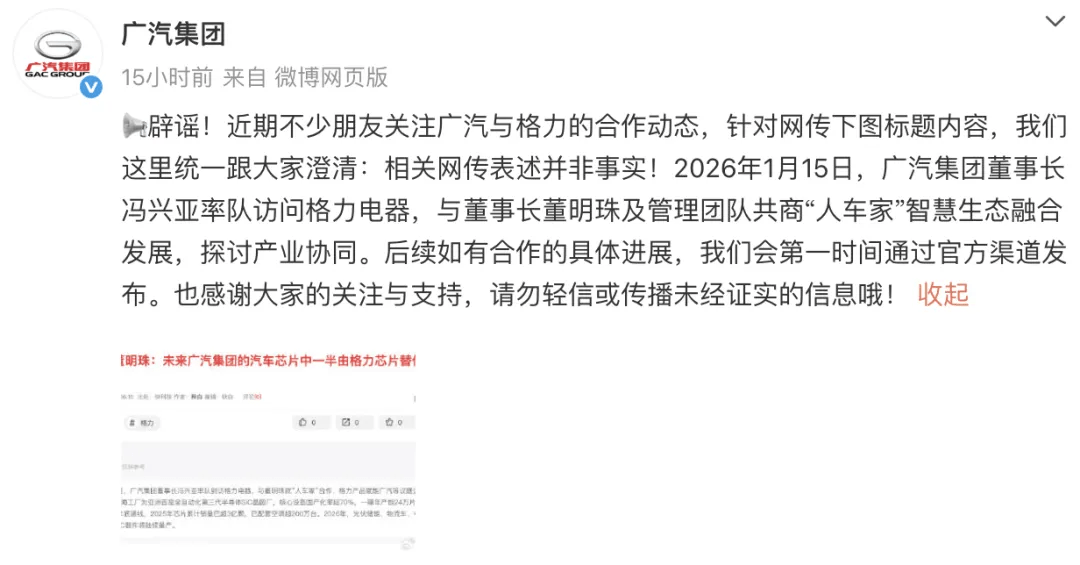
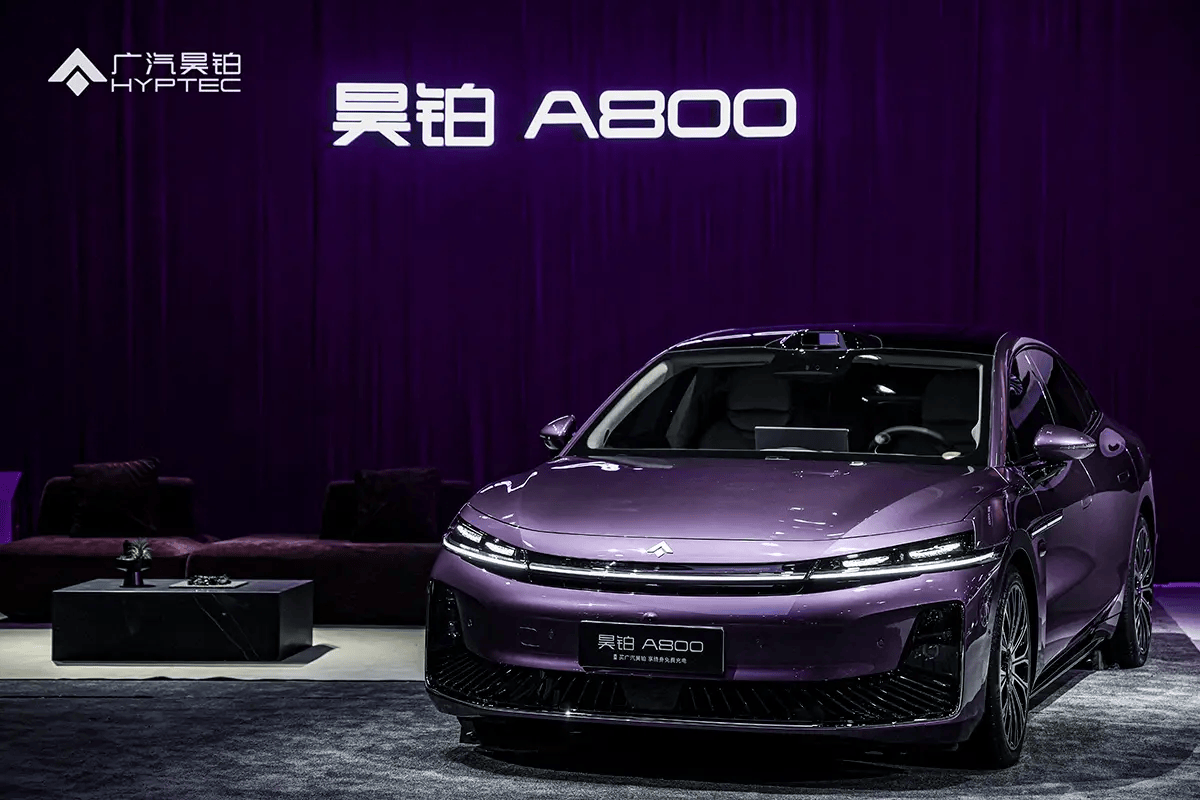
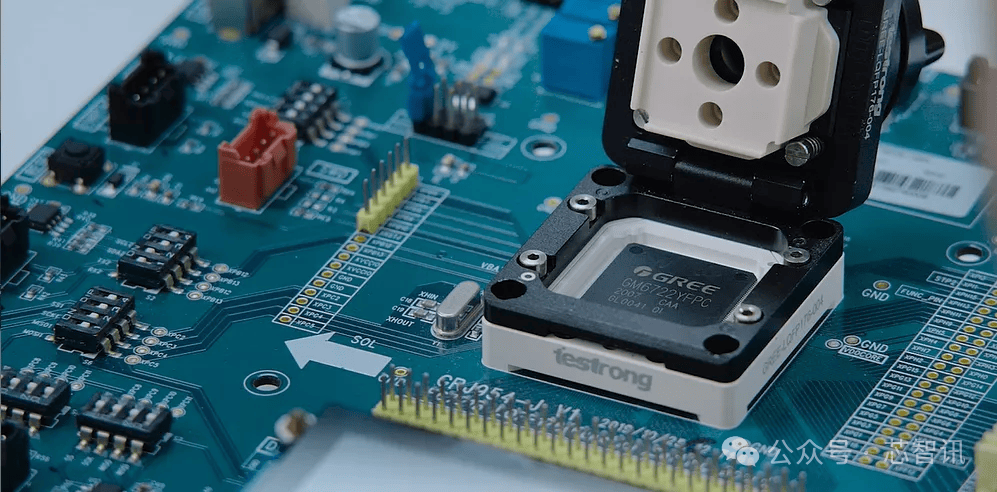
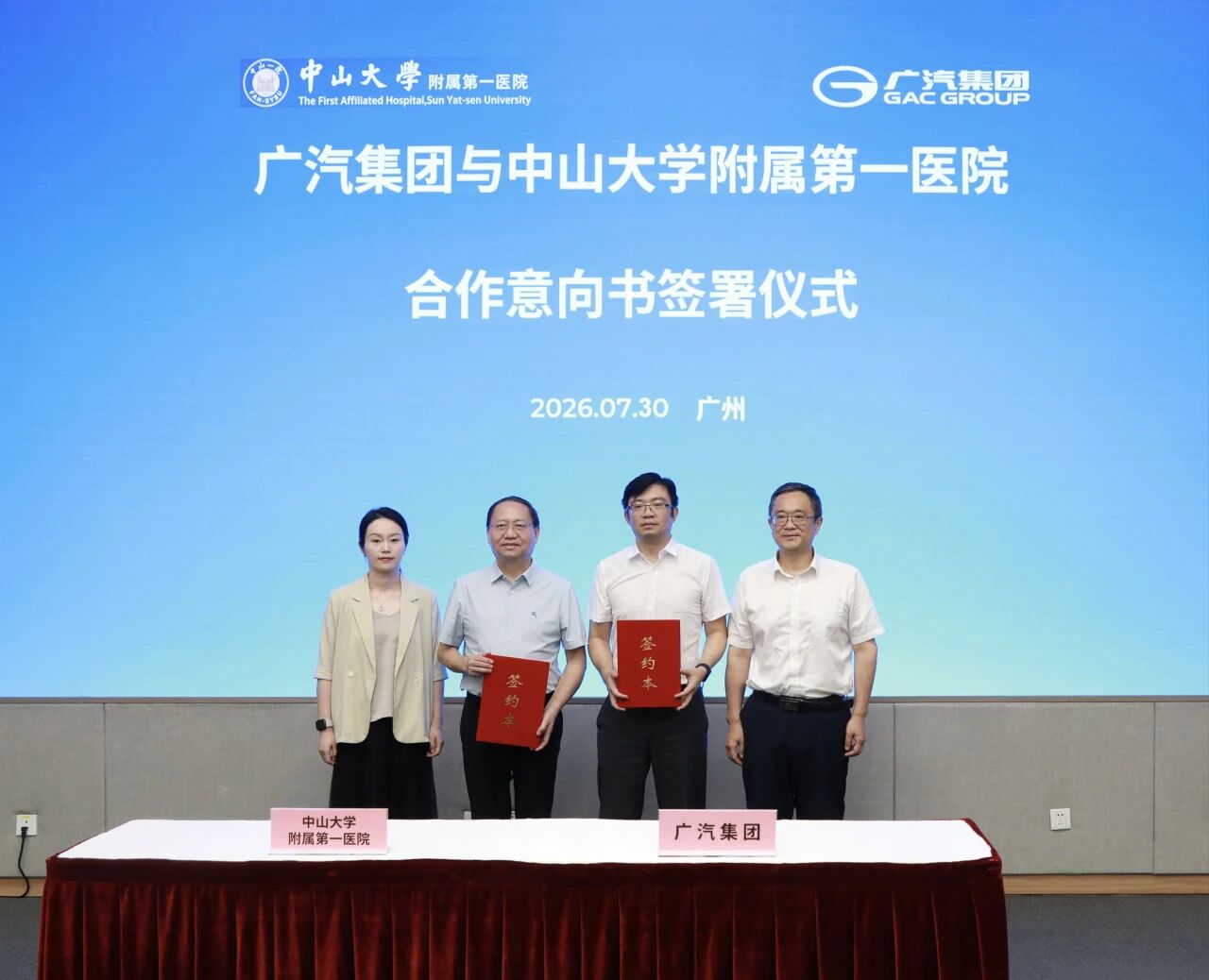
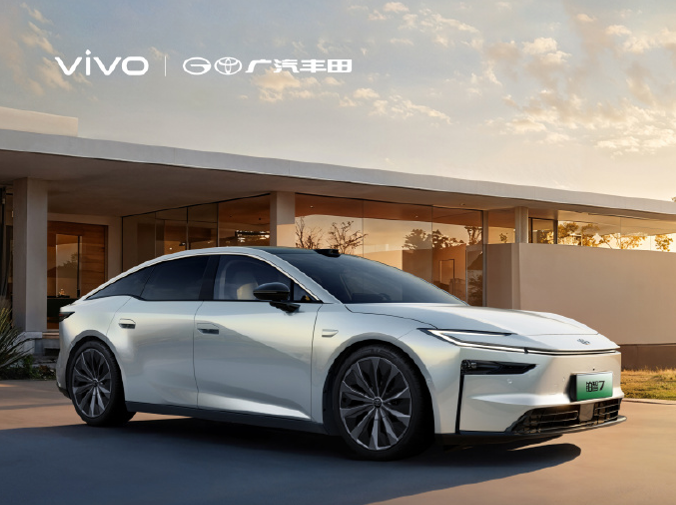
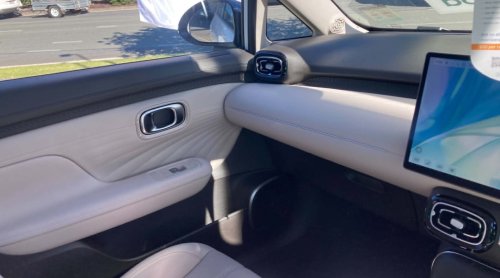
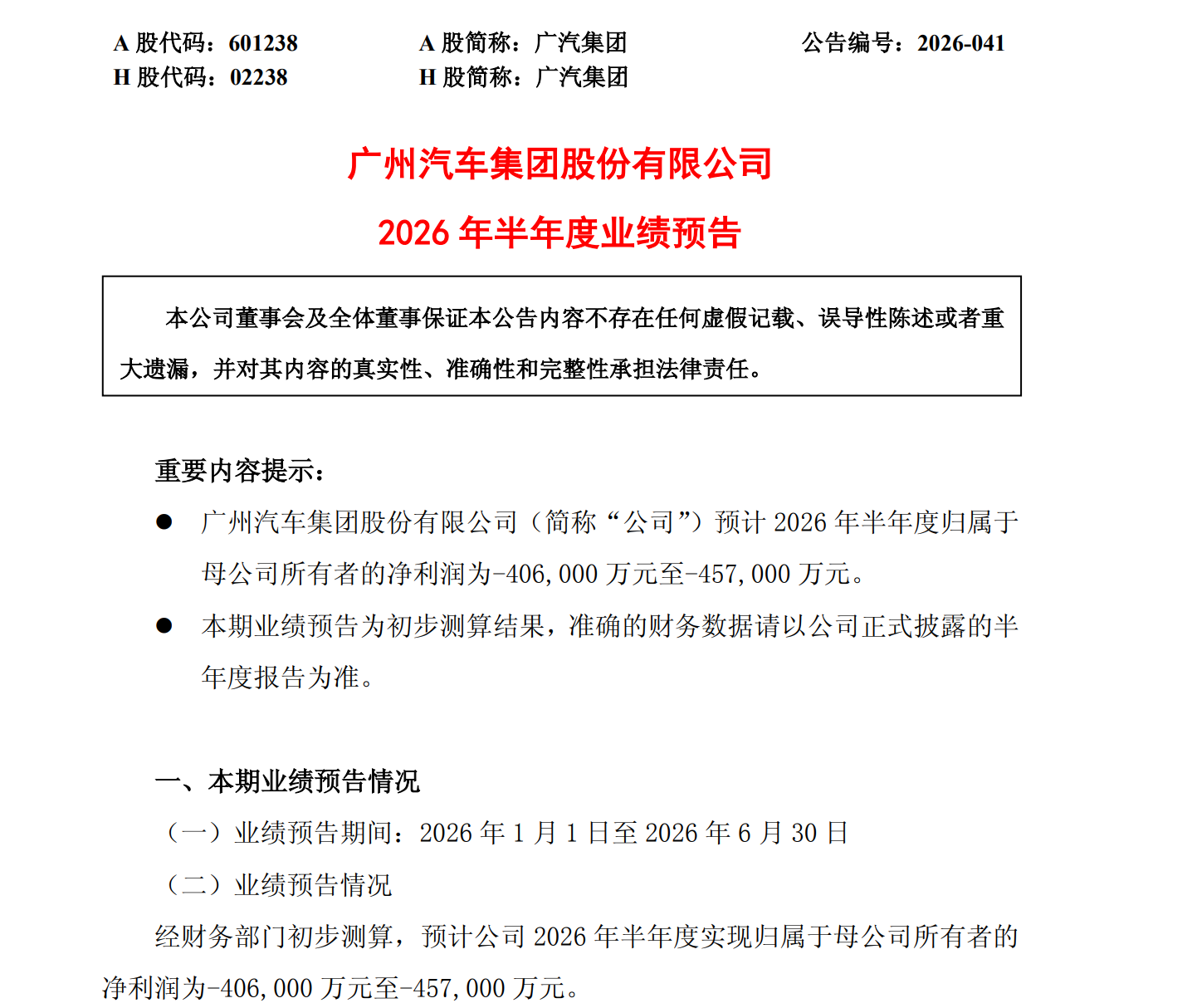
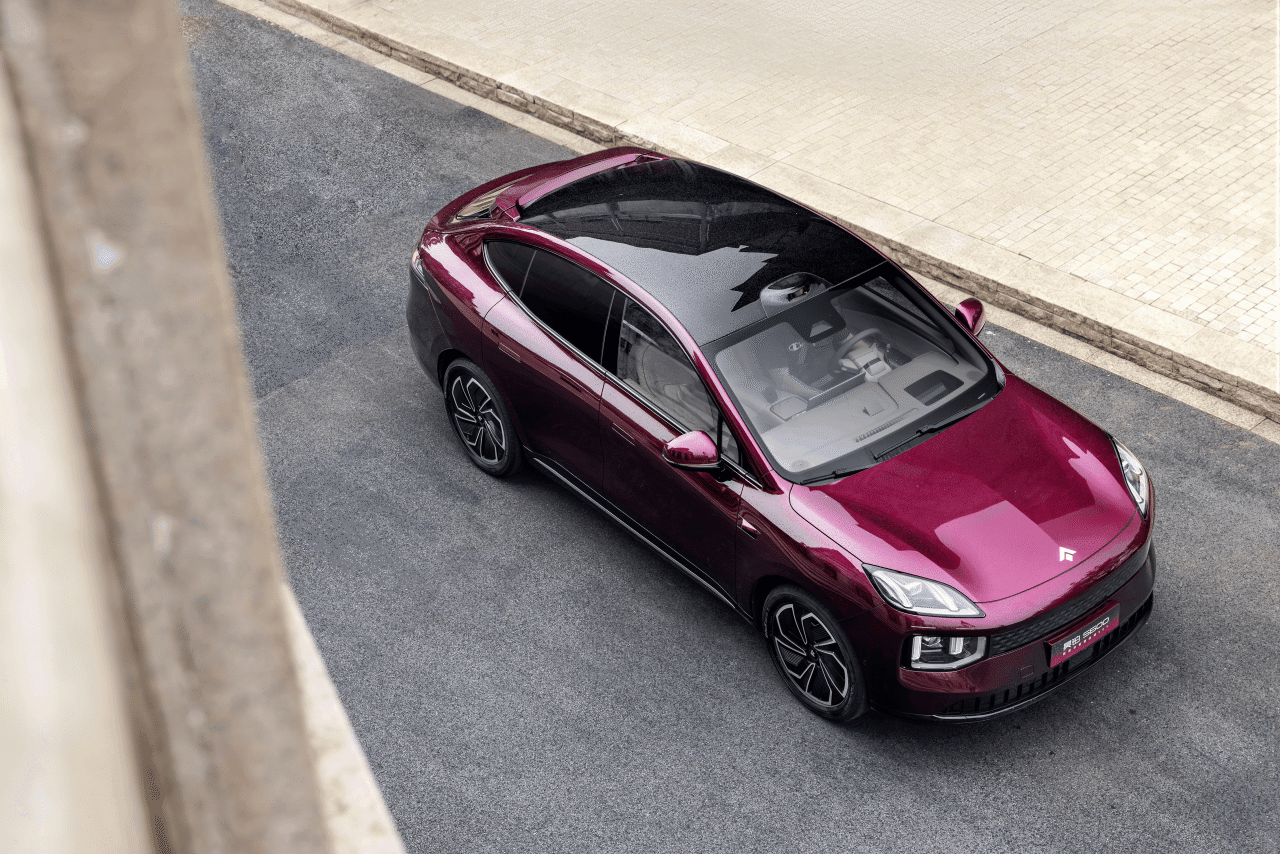
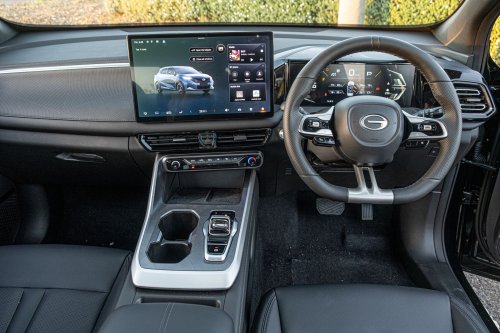
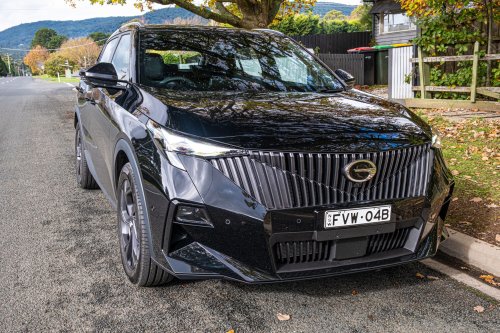
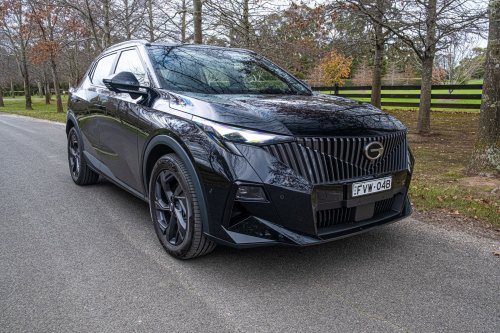
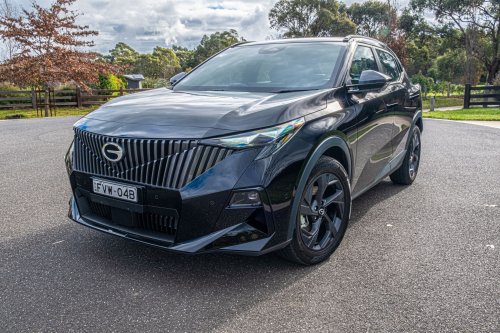
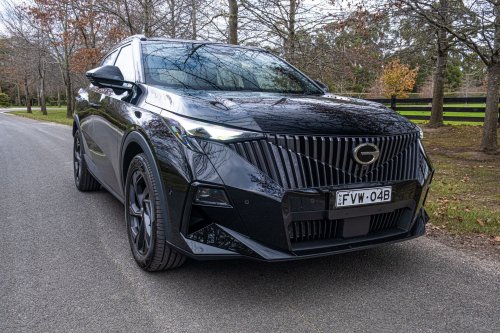
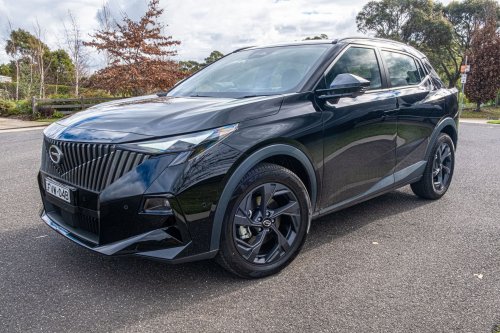
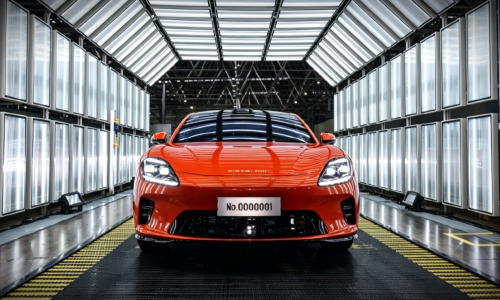
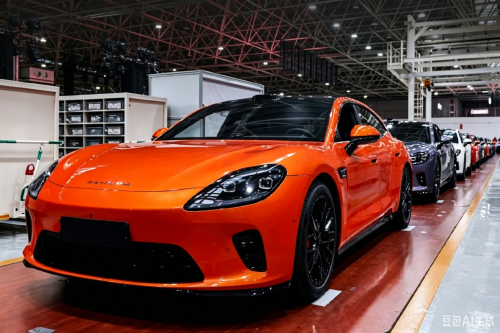
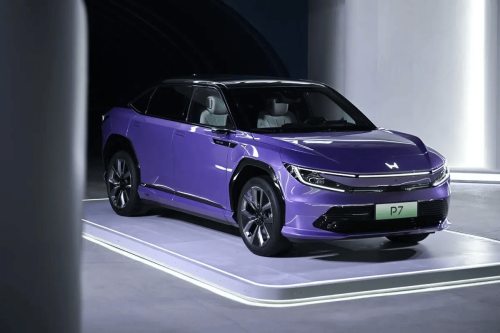
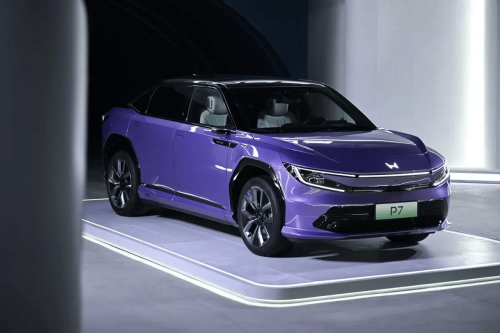
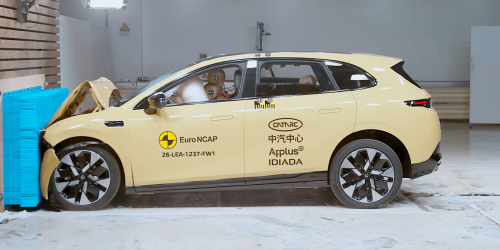
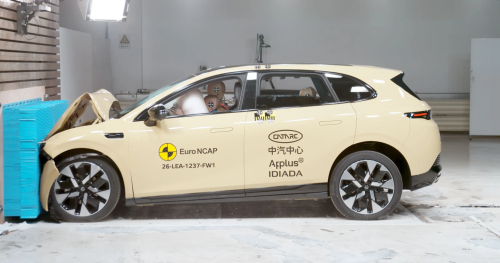
Speculation followed a GAC–Gree visit after a joking remark about chip counts was taken literally by some outlets. GAC later clarified that no large-scale chip replacement plan has been finalized. On January 20, GAC Group issued an official statement denying online claims that “half of GAC’s future automotive chips will be replaced by Gree products,” stressing that such assertions are not factual. The rumor stemmed from a corporate exchange visit on January 15. On that day, GAC Chairman Feng Xingya led a delegation to visit Gree Electric, where he met with Gree Chairwoman Dong Mingzhu and the company’s management team to discuss potential industrial collaboration. During the visit, Feng invited Dong to experience the Hyptec A800 model and noted that the vehicle is equipped with 1,004 chips, all with core intellectual property owned by Chinese companies. Dong jokingly remarked that “500 of them will be mine in the future,” a comment that was subsequently interpreted by some media outlets as evidence of a broad agreement on large-scale chip substitution and widely circulated. GAC Hyptec A800 In its statement, GAC clarified that the core topic of discussions was the integrated development of a “human–vehicle–home” smart ecosystem and broader industrial synergy. As for whether any substantive cooperation will materialize, the company said it would disclose concrete progress through official channels if and when agreements are reached. In fact, Feng had already referenced the visit in a personal Weibo post on January 17. He wrote that the automotive industry is evolving from a standalone manufacturing sector into a cross-industry integrated ecosystem, and that automakers must adopt a more open approach to collaboration across industries to drive product and user-experience upgrades. The attention drawn by the rumor also reflects Gree’s recent moves in the semiconductor space. Public information shows that Gree began investing in chip design in 2018 and established an electronic components subsidiary in 2023, focusing on silicon carbide chips. Gree’s six-inch silicon carbide wafer production line in Zhuhai has an annual capacity of about 240,000 wafers, with a yield rate of around 85%. Gree’s in-house chips By 2025, cumulative chip shipments had exceeded 300 million units, while semiconductor-related revenue surpassed RMB 10 billion ($1.4 billion) in 2024. Gree Electric President Assistant Feng Yin has also disclosed that after achieving mass production of silicon carbide chips for home appliances, the company plans to begin mass production this year of silicon carbide chips for photovoltaic energy storage systems and logistics vehicles. In the new energy vehicle sector, silicon carbide chips are regarded as critical components of electric drive systems. Compared with traditional silicon-based solutions, they can significantly reduce energy losses, extend EV driving range by 5% to 10%, and better support 800-volt high-voltage platforms, making them a key focus of industry investment. At present, the market includes international suppliers such as Infineon and onsemi dominating the high-end segment, while domestic players including Huawei, BYD, and Xinjie Integration have also formed an increasingly competitive landscape.