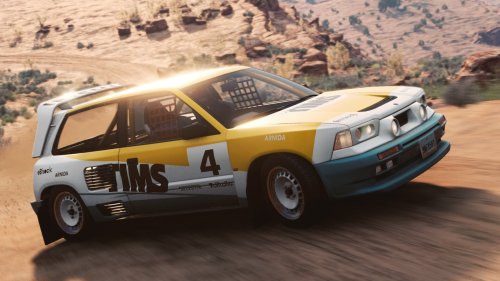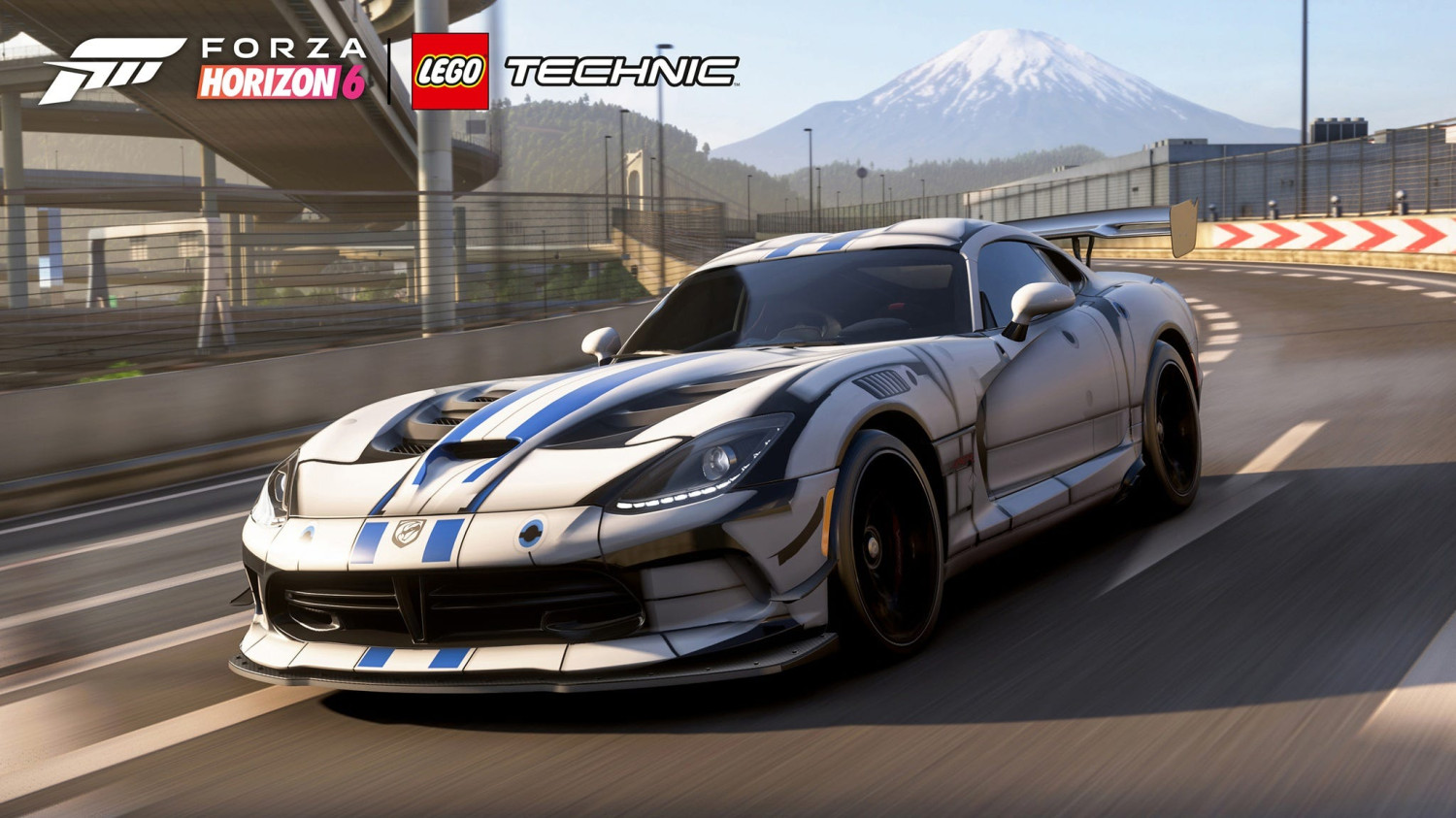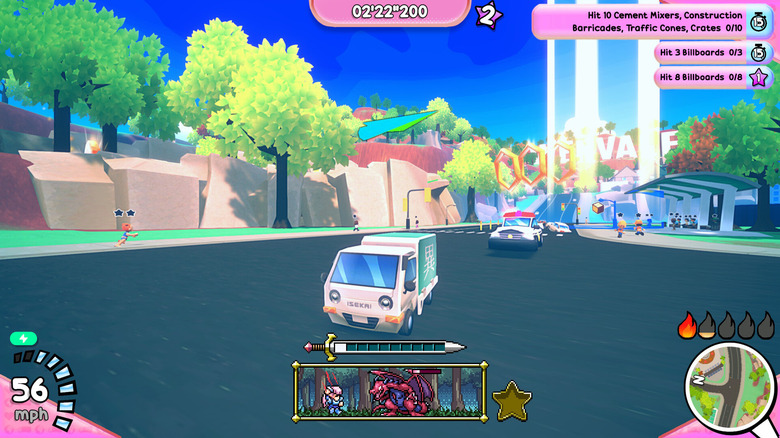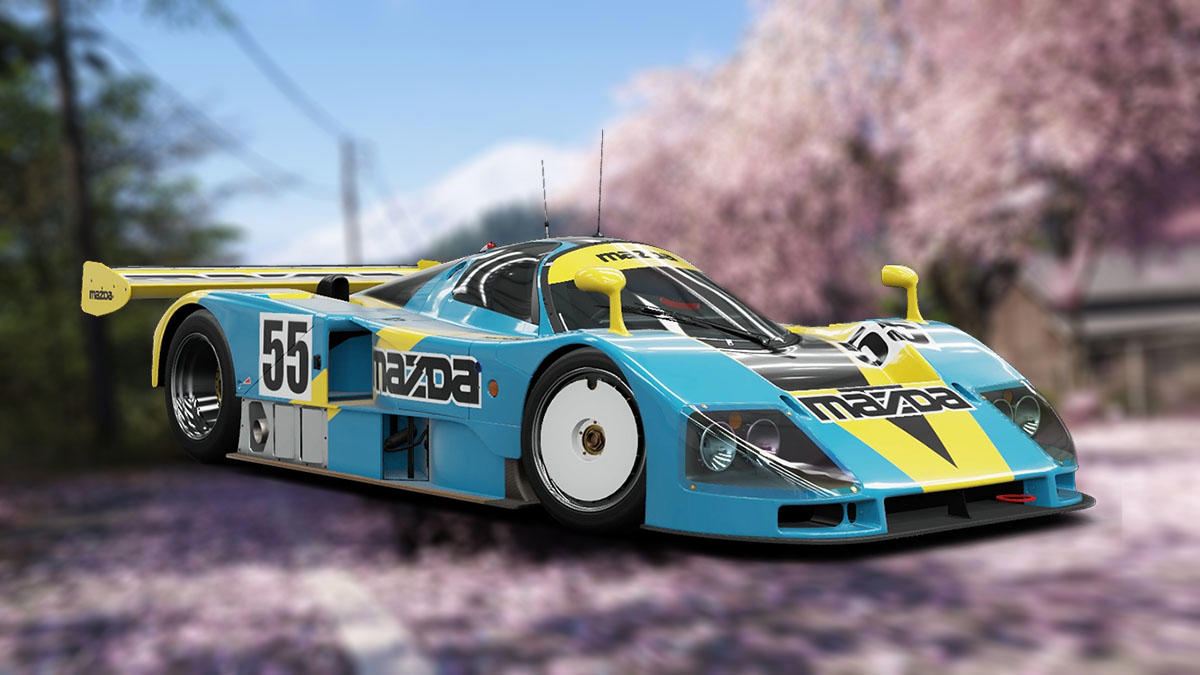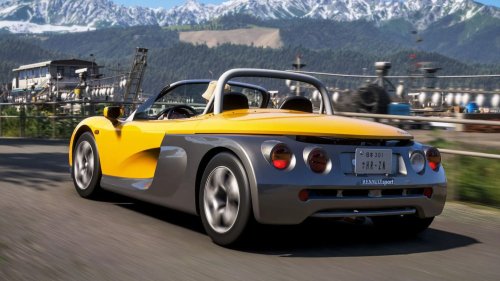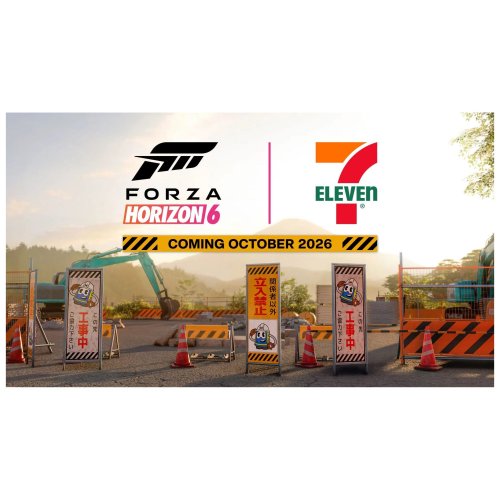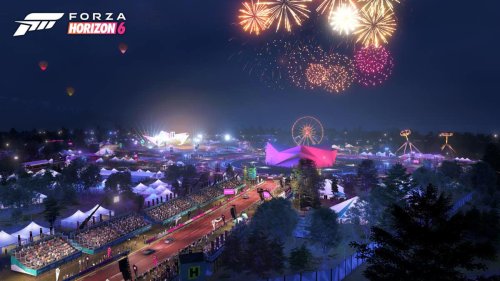
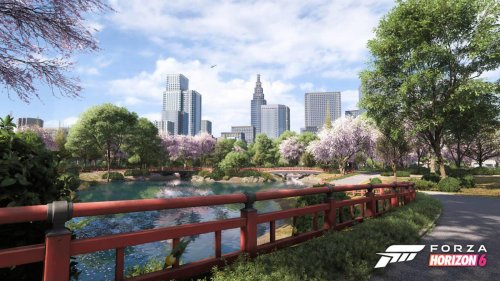
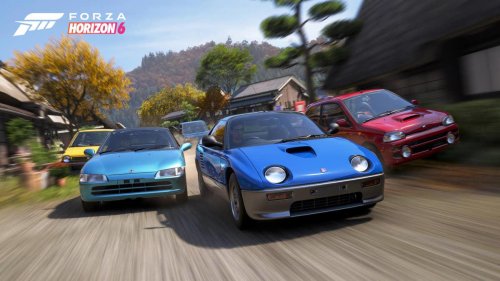
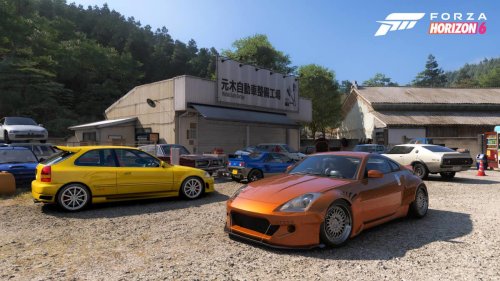
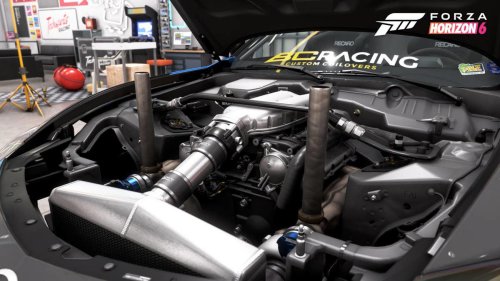
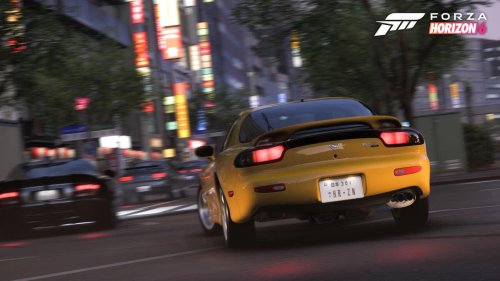
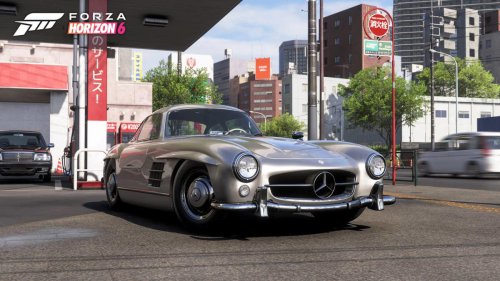













Turning JapaneseAs an avid gamer and car enthusiast, the Forza Horizon series has been a favorite racing title since the first game dropped in 2012. Built on the advanced mechanics of the Forza Motorsport series, the Horizon games took the high-adrenaline action away from the racetrack and onto an open-world festival setting that players could explore with a wide array of high-performance machines. Throughout its 14-year run, players were taken on a high-octane journey to a wide variety of locations around the world for a slice of gearhead heaven, including Colorado, Australia, Mexico and the UK. However, there’s always been one place that has been sitting at the top of almost every car enthusiast and gamer’s wish list: Japan. The bright lights of Tokyo shine upon layers of car culture backed by pop culture notoriety, including the Wangan, iconic mountain passes, the Daikoku PA and the decades of JDM tuning history that shaped enthusiast culture globally.With Forza Horizon 6, the franchise has finally made it to the land of the rising sun, and already, it has become one of the most anticipated releases of the year. Ahead of the game’s release, I had the chance to sit down with Playground Games Design Director Torben Ellert and Vehicle Design Director Gehan Pathiraja to talk about what they did to get Japan right; a country that is essentially heaven on earth for scores of car enthusiasts the world over. FH6 Devs Had “One Shot” To Faithfully Represent JapanEver since the series started back in 2012, droves of the game’s fans have requested for a Forza Horizon game to be set in Japan. Although creating such a game has been a bucket list item for the crew at Playground, they treaded with caution. Disappointing fans with halfway work was not something they wished to do, and given the complexity with a beloved location like Japan, it meant that they had to wait until they were sure they could properly express their vision.“We knew we’d only get one shot at it,” Ellert told Autoblog. “We don’t do a location again.” The Design Director explained that the biggest challenge was creating a faithful recreation of Tokyo, as they felt a Horizon game set in Japan without it wouldn't feel complete. However, the city’s density and unique visual character meant that building an authentic open-world version of the city that is both functional and fun would be a completely different task than the English countryside or the jungles and beaches of Mexico. The Playground developers noted that the technical capabilities of the latest Xbox Series hardware gave them enough room to actually incorporate a visually stunning city setting for their game, which was handled by a dedicated art and level design team during production.“Every Horizon game is the spirit of the place,” Ellert said. “It’s not the reality of it. [...] It’s the soul of the place.”That philosophy is what guides the team to create the games' compressed map; as they blend iconic locations together so they fit into an open-world map without losing what makes each one feel distinct. The Shirakawa-gō village, Nachi Falls, the mountain roads above Hakone; they’re all in there, just tweaked and compressed enough to still fit on a disc or a reasonable digital download and still feel like Japan. Boots on the GroundHowever, gathering the source material to recreate Japan isn’t something you can do from a desk in the West Midlands. Torben and Gehan noted that Playground sent a dedicated sourcing team to Japan to physically track down and document the cars, roads, and environments they wanted to include in the game at the source in Japan. However, this wasn't any tourist leisure excursion, their teams did some real boots-on-the-ground work to get as much visual data as possible.The skies in Forza Horizon 6 are 8K photo captures taken in Japan. Ambient cityscape audio was recorded on location and used as the baseline for in-game sound design. If that wasn’t enough, Torben and Gehan noted that Playground sent teams of people through the streets wearing 360-degree camera backpacks (the same kind used to document areas around the world for Google Maps’ Street View) to gather valuable reference data for the most minute of details. Devs obsessed over everything from the texture of the road surface to the way light filters through worn-down street signage; all of which were then fed directly into material and environment work.“You can spin it backwards and forwards and really quickly turn it into material you put in the game,” Ellert said of the capture process. Playground also applied the same obsessive and detailed sourcing work to the cars themselves, especially a new class that Pathiraja called “eclectic domestics;” the kind of quirky, compact Japanese domestic-market machines that don’t typically make the cut in racing games that also features aspirational hypercars. However, absent from the game are some of the unique tuner showcars that would’ve been proudly shown at the floor of the Tokyo Auto Salon, graced the pages of Option magazine, or get featured on a Hot Version videotape. Unfortunately, Pathiraja noted that these omissions were due to a particular circumstance out of their control. “Some of the old-school legendary cars we love from YouTube — the original Mine’s R32, the BN Sports-kitted classics — they don’t exist anymore. They’re broken,” he said. “So as much as we love seeing them on video, when you send guys out there, they can’t find them.”Beyond the physical sourcing, the team also brought in people with genuine street cred among JDM fanatics the world over. Automotive photographer and content creator Larry Chen, whose documentation of the global car scene has made him one of the most recognized names in enthusiast media, appears in Horizon 6 as part of a mission sequence. In a post on Instagram, Chen mentioned that he appears in missions where you tag alongside him for “some photography adventures,” including one that Pathiraja noted that involved closing the Shibuya scramble for a private photoshoot; something Chen had always wanted to do in real life, but couldn’t make happen. “He’s a really down-to-earth guy,” Pathiraja said. “And his love of cars is just infectious.” A Playable Snapshot of Japanese Car CultureJapanese car culture isn’t just one thing or tied to one type of vehicle. It’s a multilayered collection of strikingly different automotive subcultures, including itasha, bosozoku, VIP, Osaka’s kanjo racers and even unique motorsports like dajibans and drifting. Getting that right means actively resisting the pull to overgeneralize Japan’s car enthusiasm as a monoculture and call it a day.Horizon 6 launches with over 550 cars, and a focus on more deep-cut Japanese vehicles such as the aforementioned eclectic domestics class really shows that Playground was looking beyond the margins to show off the true spectrum of how the Japanese treat cars and participate in car culture. Cars in this category include the Nissan Figaro; a car from 1991 that represented an entire era of Japanese design philosophy that blended classic 60s design with modern-day sensibilities. Also included was the Nissan S-Cargo, which Playground devs adapted into a wild creation of their own. Pathiraja noted that a special Forza edition of the retro-styled van included in-game is a wild, V8-powered time attack monster; a build he reasoned by asking “Why not?” For the cars with more cultural cache amongst Japanese car enthusiasts the world over, such as the Toyota AE86 and the FD-generation Mazda RX-7, the team went back to the source. While the RX-7 has been in the Forza franchise since the original Forza Motorsport for the original Xbox, the team at Playground rescanned and took new audio samples of it and other JDM icons just for Horizon 6. The new hardware of the Xbox Series consoles, the developers said, made it possible to go back to older cars in the franchise library and give them the life-like treatment they deserved. The team has also tweaked Forza Horizon’s car customization features to reflect the different subcultures in the wide cornucopia that makes up the Japanese car community. Players could customize their cars with a wide array of aftermarket parts from Japanese tuning mainstays including Rays, Buddy Club and Advan, to more low-key, “in-the-know” community-based brands like Sara Choi’s BADSEKI. In essence, Playground provided players with the tools to customize and create the kind of cars they seek to build, whether it be a Bosozoku-style Toyota or Nissan sedan with exaggerated body modifications, a drift missile with visibly striking graphics, or a high-speed machine to hit the Wangan. Pathiraja boasted that the game's customization system is so advanced, Horizon 6 players can adjust some extremely nitty-gritty details that past racing games simply couldn’t do due to hardware constraints. As an example, he boasted that players could even adjust the size and density settings of the flakes in their sparkly metallic paint jobs; extremely minute details that could only be seen up close and in the right light in real life. Bringing The Culture To Forza HorizonCentral to the Forza Horizon 6 experience is the story mode, which features unique missions and sidequests that celebrate Japan’s culture and its unique relationship with the car. Alongside the Horizon Festival and its wristband progression system, the team at Playground has included the Discover Japan missions and the Collection Journal, which allows players to collect eki-style stamps through unique missions that include photography tasks and even chaotic food deliveries through the streets of Tokyo.However, one racing mode unique to Horizon 6 is tōuge racing; the mountain pass battles that have been central to Japanese car culture long before the legendary manga and anime series Initial D introduced it to a much broader audience. It would have been easy for the devs to just redesign an existing racing mode, give it the name, and ship it out. However, they didn’t.“If you took fifty car-culture people and locked them in a room and made them write down what togue is, you’d get fifty different descriptions,” he noted. Instead of trying to codify it, Playground identified the roads that matter; Iroha-zaka, Hakone and Mt. Haruna, and built the racing mode outward from there. This game mode is only accessible to specific cars, which battle a new class of AI opponents that are tuned to be noticeably more aggressive than standard races. As a whole, the devs noted that their teams framed the Horizon 6 experience to be a more “choose your own adventure” type of experience, where players could take in Japan and explore its rich car culture in their own way at their own pace.“We asked ourselves: if I went to Japan today, what experiences could I actually have?” Ellert said. “I could go and drive a tōuge road. I could go to Daikoku. I could go and experience Wangan-style street racing at night. These are things that could happen.” “The Forza Effect”In the last few years, Japan has experienced a tourism boom since the removal of COVID-era travel restrictions, fueled largely by a fascination with its historical landmarks, culinary scene, and anime. For a specific subset of travelers, the nation’s rich car culture remains a major attraction. Fueled by pop culture nods and social media interest, many car enthusiast tourists make the pilgrimage to visit the Daikoku PA, see grassroots drifting at Ebisu circuit and even visit renowned tuning shops like NISMO, Spoon Type One and Liberty Walk. When asked if Forza Horizon 6 could trigger a new wave of automotive-focused tourism to Japan, Ellert noted that while he didn’t “think Japan needs us to push people toward them,” he didn’t dismiss the idea that people could be inspired to see the places and experience what they could only experience in-game. He pointed out that already, more people are visiting Japan more than ever due to its pop culture cachet and the fact that visiting the country is easier than ever.“Japan is rooted in the culture of video games. That is a thing that is meaningful to me, and it’s meaningful to car culture, and it’s meaningful in fashion, it’s meaningful in music. Tokyo is the world capital of a lot of things. Being able to vicariously have that experience through our game and possibly decide that you want to go there; that would just be amazing.” Forza Horizon 6 is available now on Xbox Series X|S and PC.