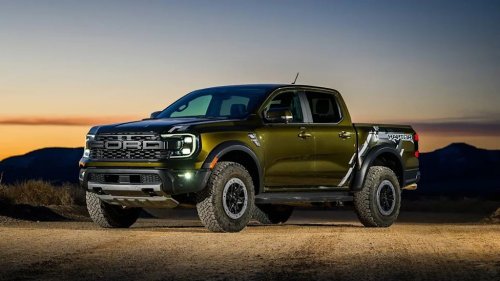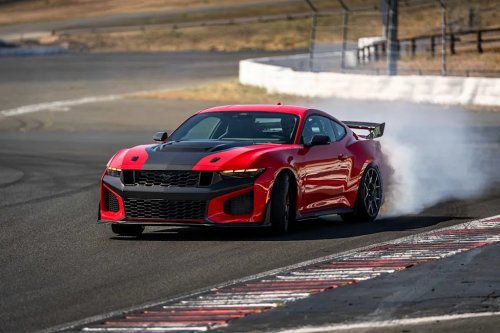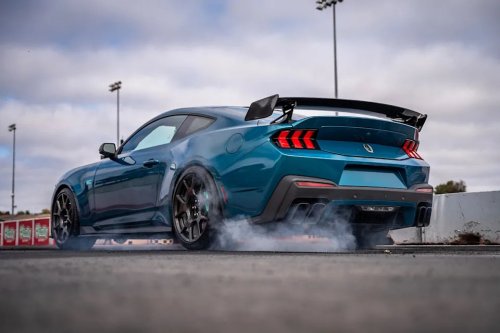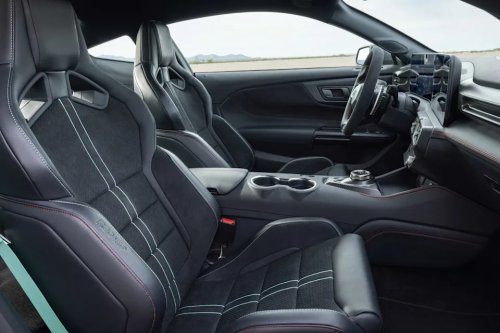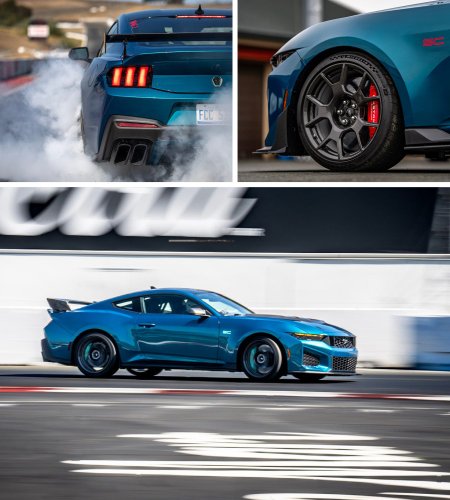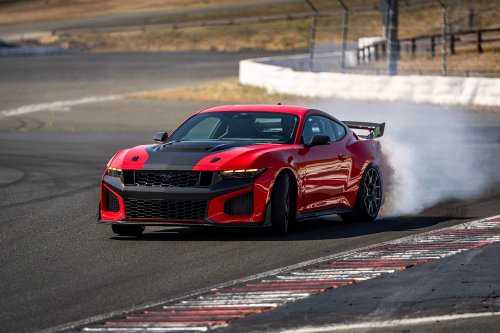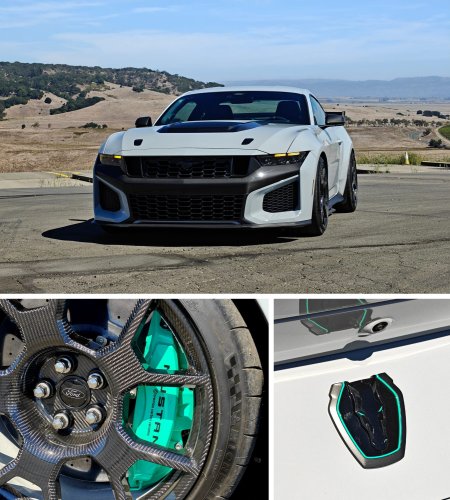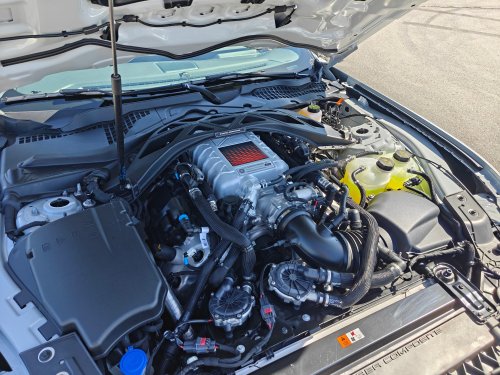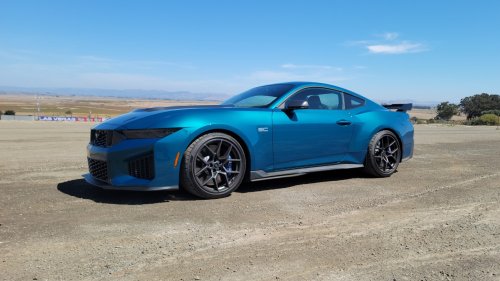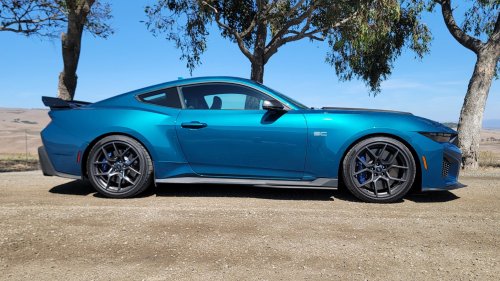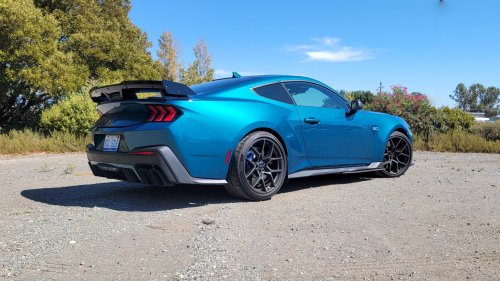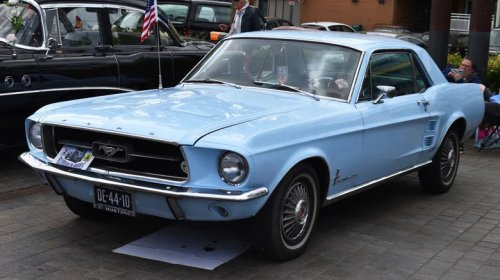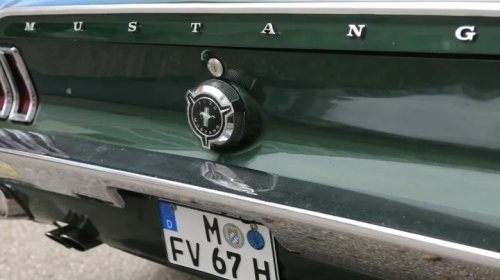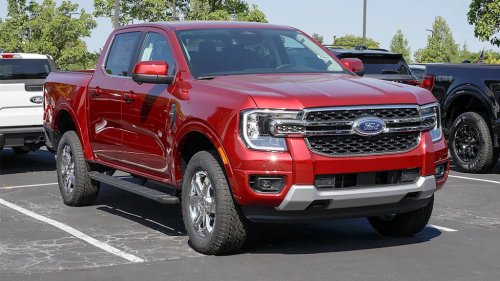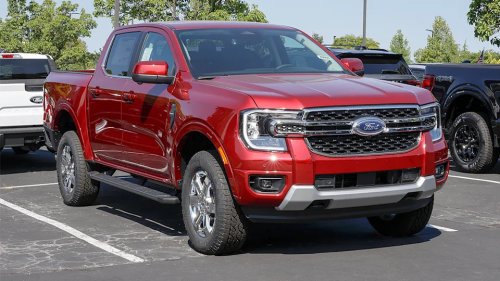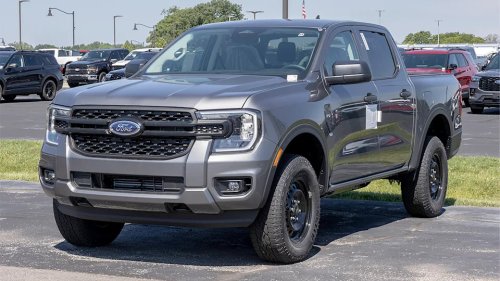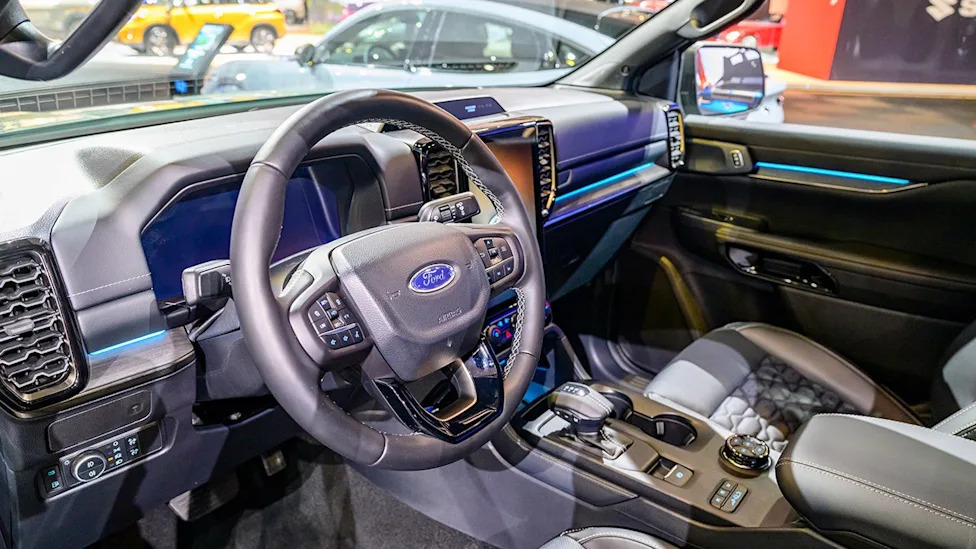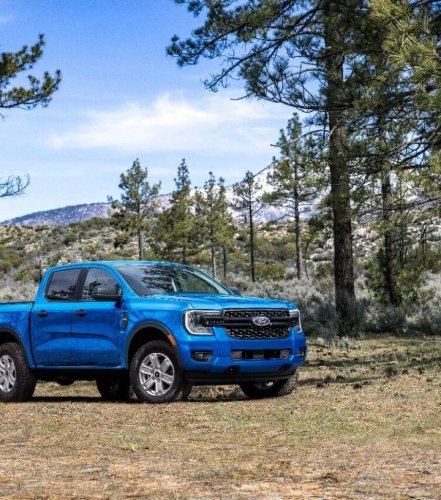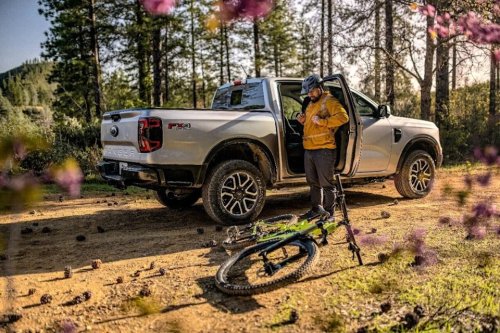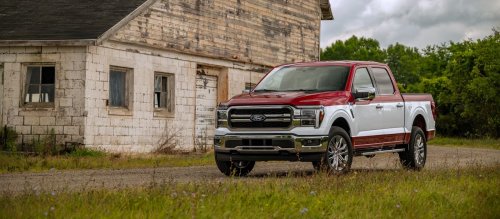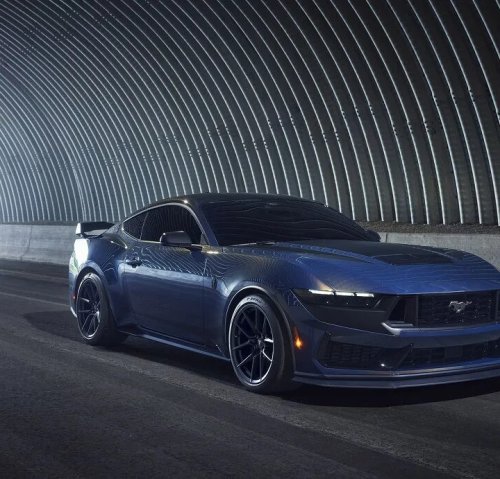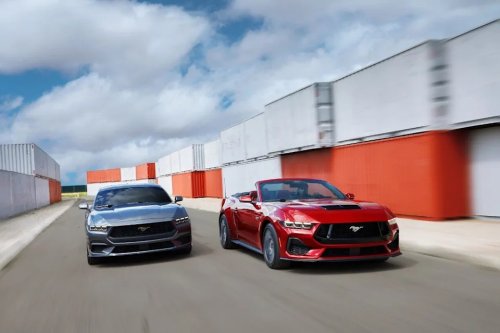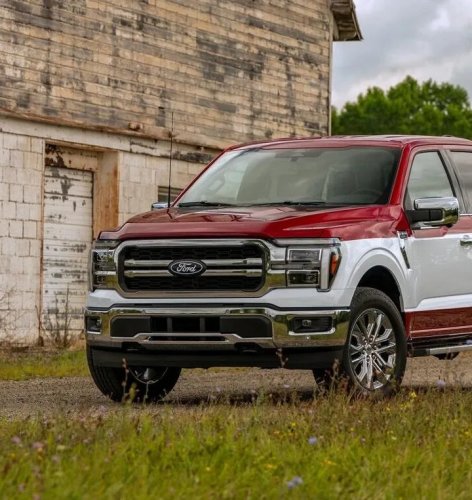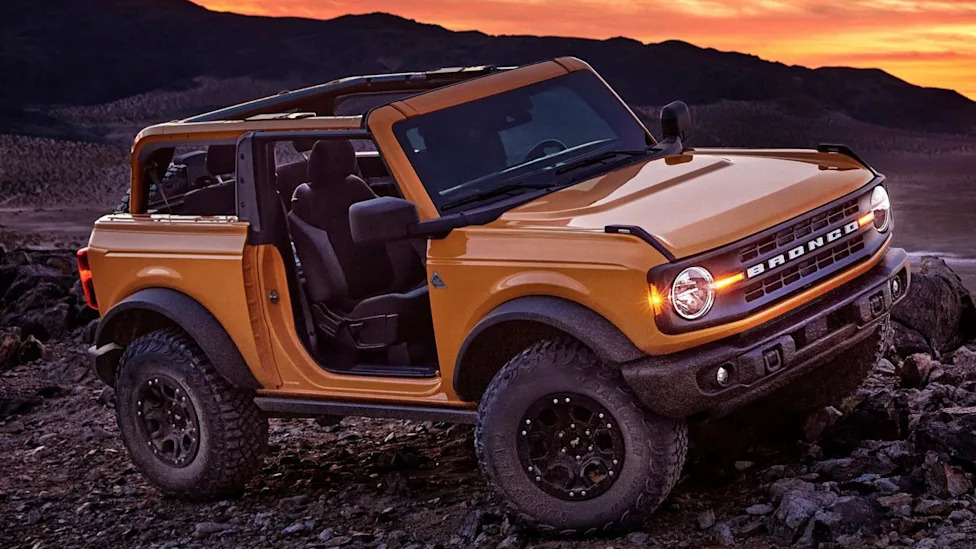



















Ford Recalls 10,001 Vehicles Over Cracked Pistons in an Engine Shared By Five Very Different Cars. The Fix Isn't Coming Until December.Ford's newest recall covers just 10,001 vehicles, a rounding error next to the 148,663 Mustangs the company flagged for a wiring defect the very same week. But look at the model names on this one: Explorer, Bronco, Bronco Sport, Mustang, and Ranger. A three-row family crossover, two unrelated off-roaders, a rear-drive sports car, and a mid-size pickup, undone by the same failing part inside the same engine. The crack isn't the story. The reach is.None of those five vehicles share a platform. None of them are cross-shopped by the same buyer. A Ranger owner hauling lumber and a Mustang owner chasing an apex have nothing in common, except, apparently, whatever supplier poured the pistons going into their engines this year.The Recall, As Ford Filed ItFord's report, filed with the National Highway Traffic Safety Administration on August 25 and searchable by VIN since August 28, covers certain 2026 Explorer, Bronco, Bronco Sport, Mustang, and Ranger models. In Ford's own words, the engine piston domes may have been manufactured incorrectly, which can crack the dome and cause a sudden loss of drive power. NHTSA has it filed as campaign 26V548000, Ford's internal number is 26S61.AdvertisementAdvertisementA piston dome is the top surface of the piston, the part that forms the ceiling of the combustion chamber and absorbs the full force of every ignition event, thousands of times a minute, for the life of the engine. Machine or cast that surface even slightly out of spec and it doesn't fail immediately. It fails eventually, under the exact kind of repeated thermal and mechanical stress the engine is designed to survive indefinitely. That's a manufacturing tolerance problem, not a design flaw, and that distinction matters for how Ford is fixing it.The remedy is where this recall gets more serious than the vehicle count suggests. Dealers will inspect the pistons and, if they're cracked, replace the engine's long block, which is not a patch job. A long block is a fully assembled engine core, block, crankshaft, connecting rods, and pistons already installed, ready to drop in place of the old one. It's the closest thing to a full engine swap that a warranty repair gets, and it's the kind of job that would run several thousand dollars out of pocket if it weren't covered under recall.That repair isn't available yet, either. Ford's interim letters, the ones that simply warn owners a problem exists, are expected to go out September 4. The parts and procedure dealers actually need to fix it aren't expected until December. Owners get roughly three months of knowing their engine could crack a piston and lose power, with nothing to schedule beyond an inspection.Why One Piston Reaches Five NameplatesTwenty years ago, a defect like this would have stayed inside one engine family and, usually, one or two vehicles built around it. Automakers built dedicated engines for dedicated vehicles: a truck engine for the truck line, a sports car engine for the sports car. Ford has spent the last decade doing the opposite, consolidating its engine lineup so the same core hardware turns up in as many vehicles as possible, because designing, tooling, and certifying one engine family for five nameplates costs far less than designing five separate ones.AdvertisementAdvertisementThat strategy is exactly why this recall reads the way it does. Ford doesn't name the engine in its NHTSA filing, but it doesn't have to. The point is structural: whatever engine took the bad batch of pistons is now doing duty in a family SUV, two different off-roaders, a pickup, and a sports car, all at once. A single bad run at a piston supplier used to be a problem for one assembly line. Now it can surface on five of them before anyone notices the pattern.It's also not the only piston-related issue to hit the Mustang this year. Ford opened 2026 with a separate recall covering piston circlips on the current car, a different failure mode inside the same general category of part. Two piston-adjacent engine recalls on one nameplate inside a single model year is the kind of pattern that's easy to miss when each recall gets treated as its own isolated headline.The Same Day, Two More Recalls LandedAugust 25 wasn't just piston day at Ford. The same filing date produced NHTSA campaign 26V550000, covering improperly tightened vehicle joints, and campaign 26V547000, a wiring ground-fault recall covering 148,663 Mustangs that can knock out drive power, headlights, the washer system, air conditioning, and the cooling fan in one shot. Three unrelated defects, three separate campaign numbers, one filing date.That's not really a coincidence, and it's worth understanding why. Automakers don't file a recall the moment an engineer suspects a problem. They investigate, confirm a root cause, and then file with NHTSA, often after an internal audit or a supplier quality review turns up several issues at once rather than one at a time. When several unrelated recalls land on the same date from the same manufacturer, that date usually marks the end of an internal review, not three separate accidents of timing.The Bronco Family's Rough Five MonthsZoom out further and the piston recall is one entry in a longer list. NHTSA's own records show the 2026 Bronco and Bronco Sport picking up a block-heater fire recall in April, a do-not-drive control arm separation recall in May, a separate loss-of-drive-power engine failure recall the same month, a fender flare recall in June, an engine compartment fire recall in July, and now the piston and joint recalls in August. That's six distinct safety campaigns against one nameplate family in five months, on top of the fire-risk recall covering more than half a million older Broncos we reported on in July, and a summer of wiper and axle-shaft recalls on the Mustang and Mach-E that added up to what we called Ford's rollaway year.AdvertisementAdvertisementNone of these are related defects. They're a wiring problem, a suspension problem, a body-hardware problem, and now an engine problem, showing up back to back on vehicles that only just reached driveways. Taken individually, each one is a routine manufacturing miss. Taken together, they describe a launch year that hasn't settled down.What This Means If You Own OneIf you own an affected Explorer, Bronco, Bronco Sport, Mustang, or Ranger, there's genuinely nothing to schedule yet beyond the dealer inspection. Federal rules require Ford to notify NHTSA quickly once it confirms a safety defect and to mail owners within 60 days, whether or not a fix has been engineered, which is why the interim letter exists as its own category of recall communication. It's not a repair order. It's a disclosure with a due date attached.Watch for the obvious symptoms in the meantime: a check engine light, new engine noise, or a misfire under load. None of that means panic; it means a trip to the dealer sooner than December. If you want to see what else is currently open across Ford's lineup, or any other automaker's, we keep a running list.It's worth remembering the bigger point long after this specific recall is closed out. A cracked piston used to be one engine's problem. In an industry that now builds one engine to serve five different vehicles, it's whichever five happen to be sitting on the same parts bin.AdvertisementAdvertisementJoin our Newsletter, follow our Instagram page, and connect with us on Facebook.