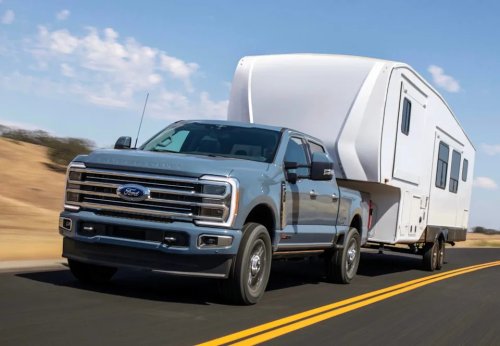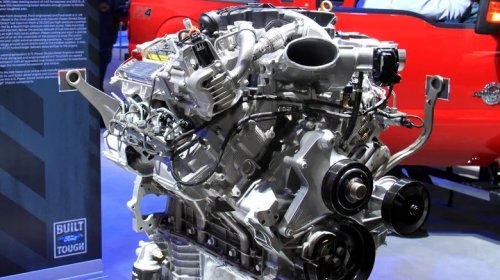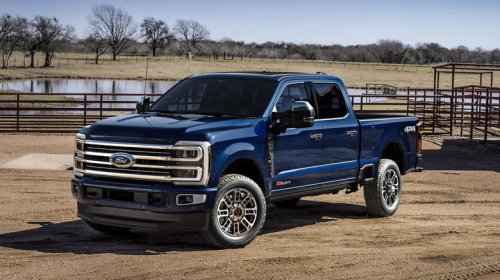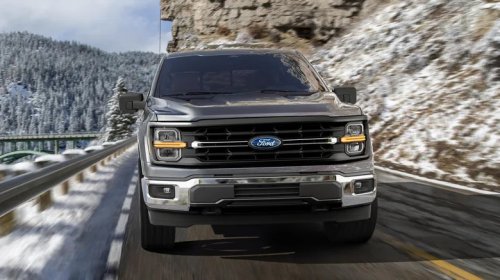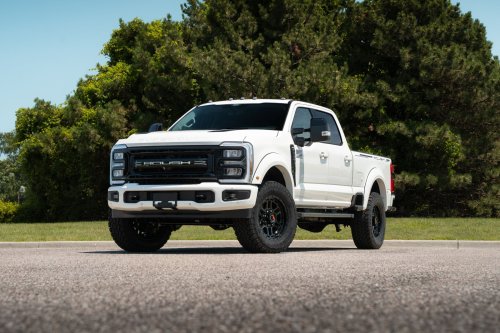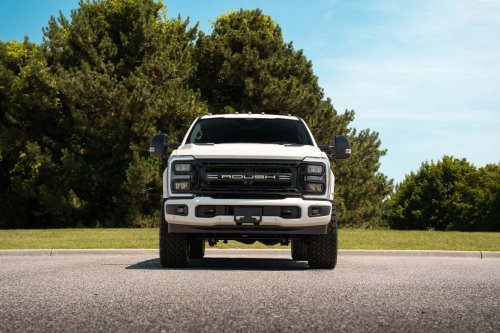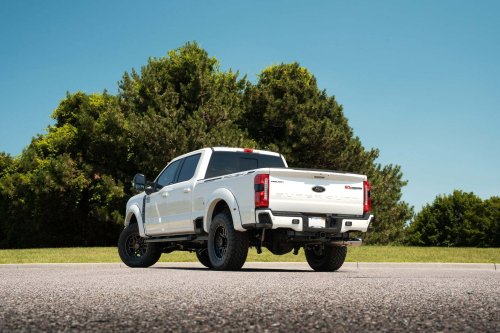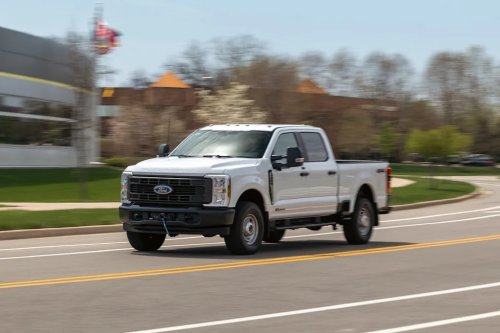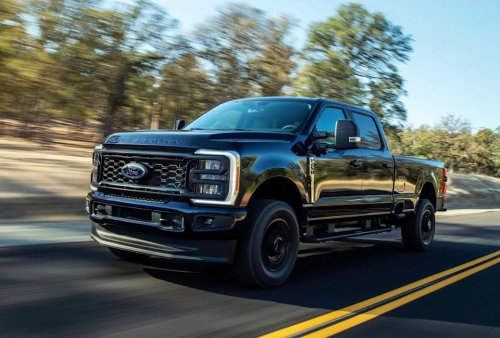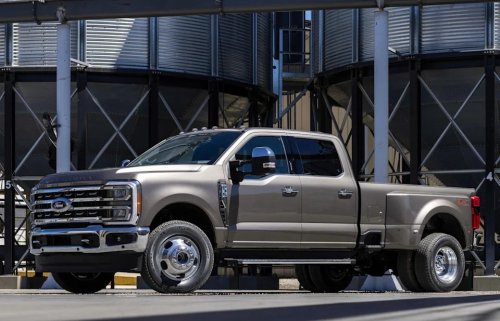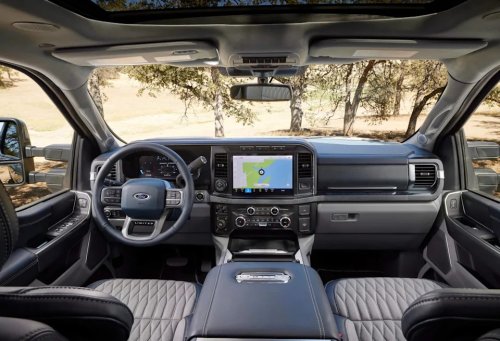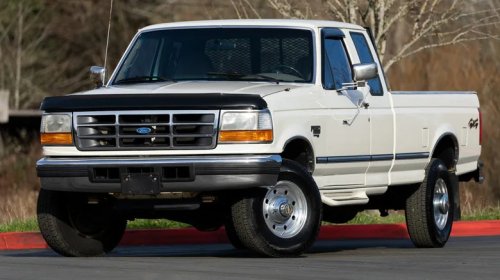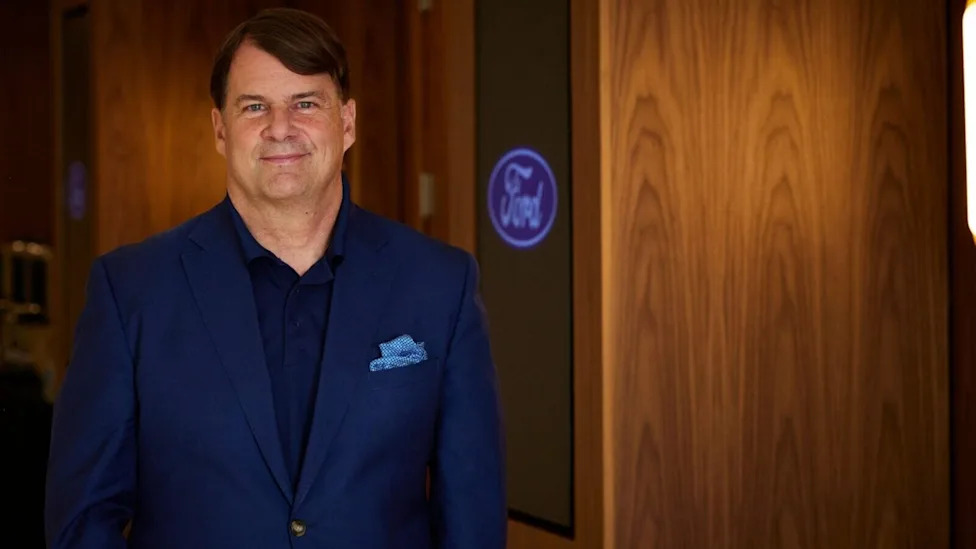
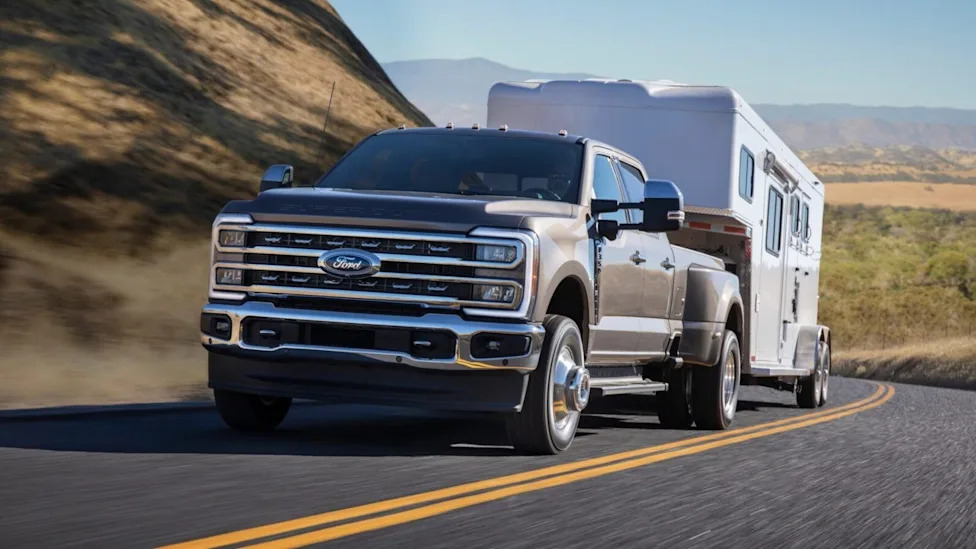




















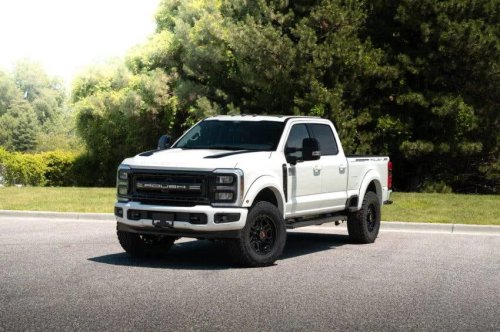
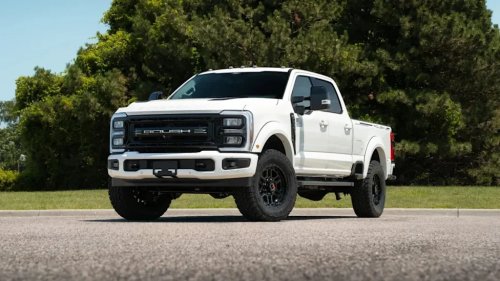
Image Credit: FordPhotographer, Creative Commons Attribution-Share Alike 4.0, WikiCommons.Ford has spent years trying to shake a reputation for excessive recalls and inconsistent vehicle launches. CEO Jim Farley now says one particularly painful episode helped convince the company that improving its vehicles would require changing the people and culture responsible for building them.In an interview with the Detroit Free Press, Farley described the troubled 2023 launch of the redesigned F-Series Super Duty as a major turning point. Ford encountered hundreds of issues and ended up holding tens of thousands of trucks in storage lots while they underwent inspections, repairs, and completion work before reaching customers.The decision was expensive, with Farley previously estimating that slowing the launch contributed to a roughly $1 billion hit to Ford's 2023 earnings before interest and taxes. Rather than treating the episode as another difficult vehicle launch, Ford used it as what Farley called a "line in the sand" for management.AdvertisementAdvertisementWhat followed was a significant shake-up across Ford's industrial operations. Some leaders who resisted delaying vehicles because they believed the products were already "good enough" are no longer at the company, while hundreds of leadership positions have changed as Ford attempts to make quality a long-term priority.The 2023 Super Duty Launch Was The Breaking PointImage Credit: Ford.The redesigned Super Duty was an especially painful vehicle to stumble with because the heavy-duty truck is one of Ford's most important and profitable products. Software problems, semiconductor shortages, and numerous other issues forced Ford to hold trucks in marshaling yards, including Kentucky Speedway, until they were ready for delivery.Farley says the important change was refusing to send those problems downstream to customers and dealers. In previous years, he acknowledged, Ford might have released vehicles and dealt with subsequent problems through recalls.Holding vehicles meant accepting slower production and delayed launches instead. That approach inflicted an immediate financial penalty on Ford, but Farley argues absorbing that pain internally is preferable to allowing customers to discover defects after taking delivery.Two-Thirds Of Key Ford Leaders Have ChangedFord's response extended far beyond modifying inspection procedures. Since the Super Duty launch, approximately two-thirds of the leaders across its industrial system, manufacturing, engineering, and supply chain operations have been replaced or moved into those positions, representing more than 300 personnel changes.AdvertisementAdvertisementSome are outside hires, while others are Ford employees promoted internally. Farley said the automaker deliberately sought people with deep technical experience and a much lower tolerance for mediocre results.Bryce Currie, Ford's chief manufacturing officer, illustrates the strategy. He joined Ford in 2023 after working at Johnson Controls and previously GE Aviation, giving him experience in an aerospace industry where component failures can have dramatically higher consequences.Ford has also changed how managers are expected to work. Farley says leaders should spend at least half their time in the field with their teams, getting closer to manufacturing and engineering problems rather than trying to manage everything through meetings.Ford Wants Employees To Find Problems EarlierAnother part of the overhaul involves changing how employees react when something goes wrong. Instead of encouraging finger-pointing, Ford says workers who identify defects should be recognized for finding them.AdvertisementAdvertisementEngineers can then investigate the root cause and introduce safeguards intended to stop the same problem from happening again. Ford has also increased testing rigor, including pulling engines and transmissions from production for additional inspections and durability testing.That mentality bears similarities to the quality culture Farley experienced during his 19 years at Toyota. He told the Free Press that Toyota's relentless pursuit of improvement remains the benchmark Ford ultimately wants to approach.Ford's Quality Numbers Are Improving, But Recalls Remain HighImage Credit: Ford.There are signs that Ford's changes are producing results. The automaker ranked first among mass-market brands in J.D. Power's 2026 U.S. Initial Quality Study, recording 152 problems per 100 vehicles during the first 90 days of ownership — an improvement of 41 problems from the previous year.However, the recall picture is considerably less flattering, as Ford issued 152 recalls affecting 12.96 million vehicles during 2025, while federal data cited by the Free Press showed another 63 recalls had already been issued in 2026 at the time of its report.AdvertisementAdvertisementNow it just remains to be seen whether Ford can maintain these standards across new launches for the next five, 10, or 15 years, building the kind of long-term quality reputation that competitors such as Toyota spent decades establishing and fine-tuning.If you want more stories like this, follow Guessing Headlights on Yahoo so you don't miss what's coming next.