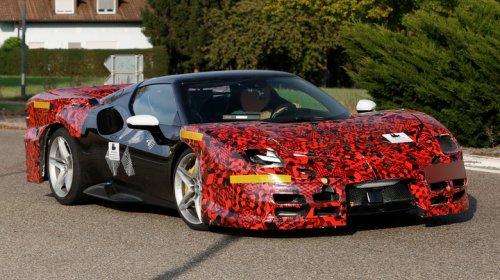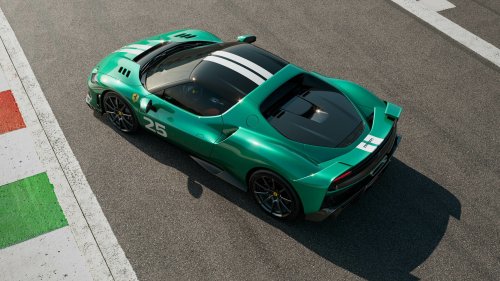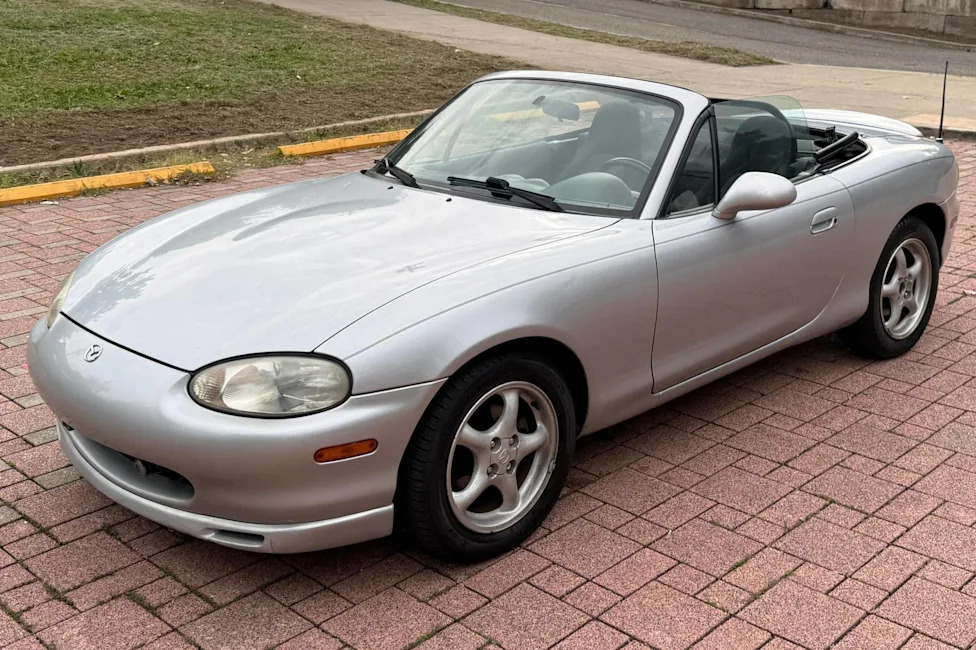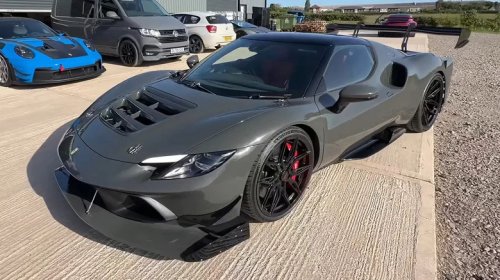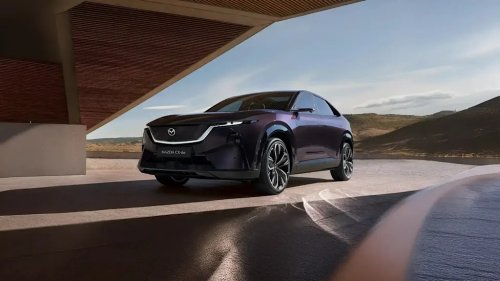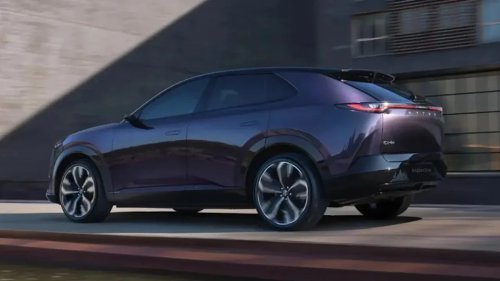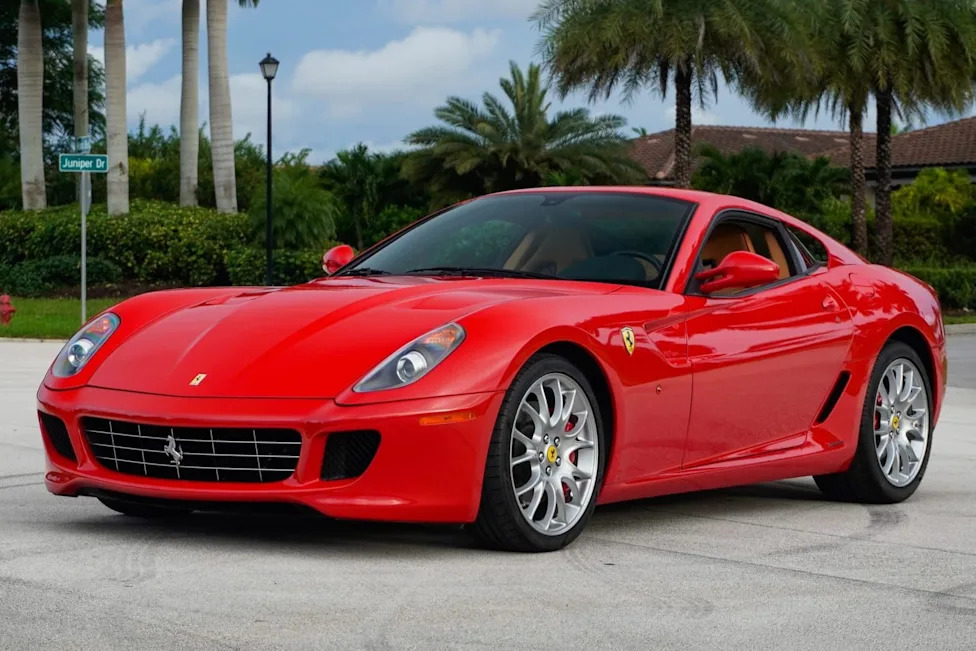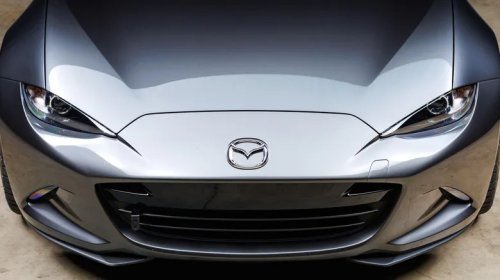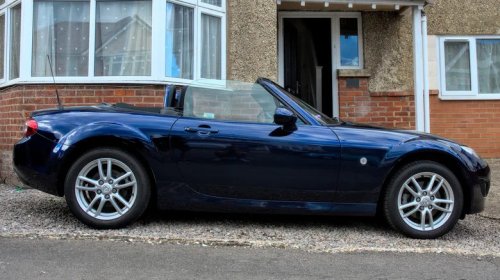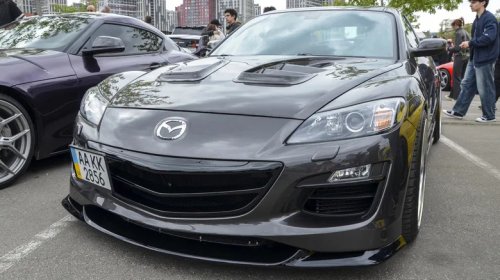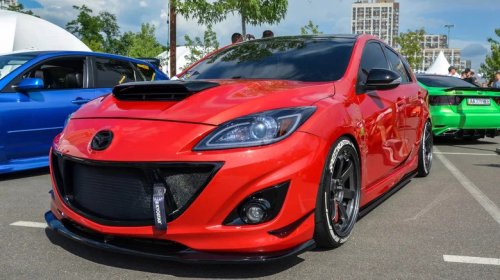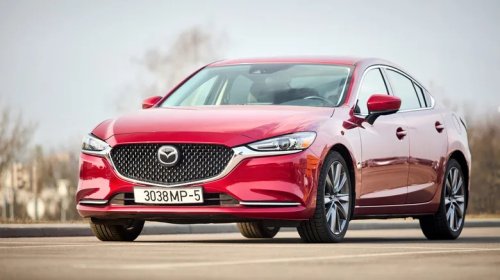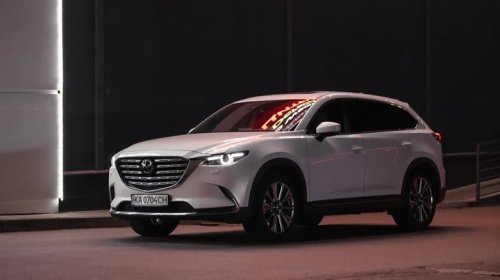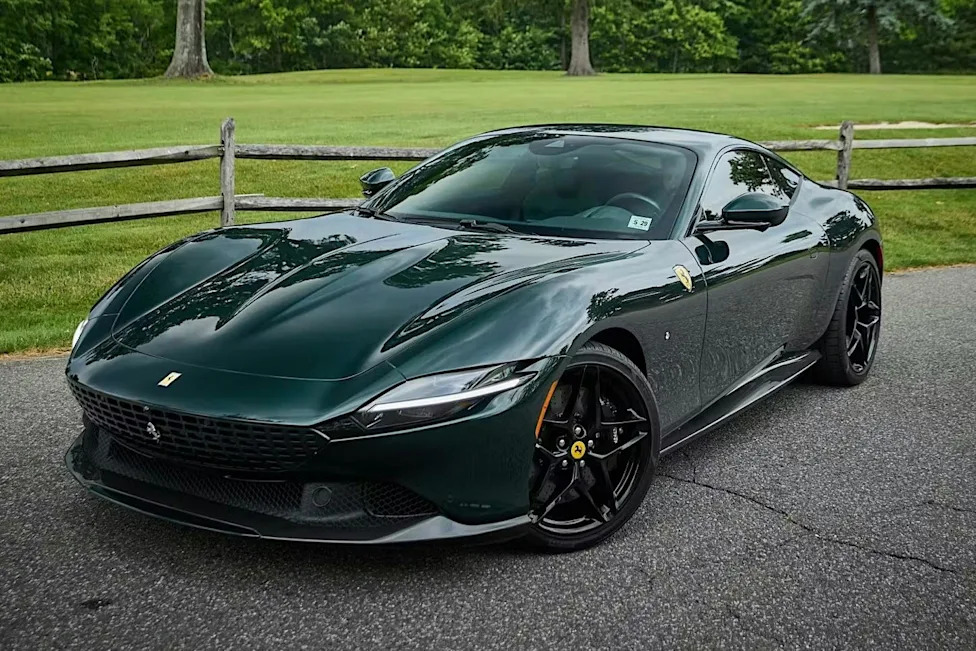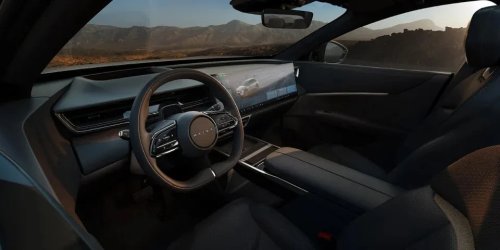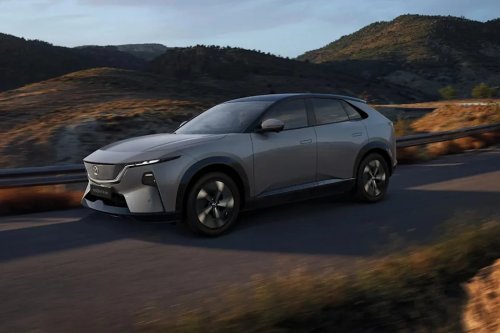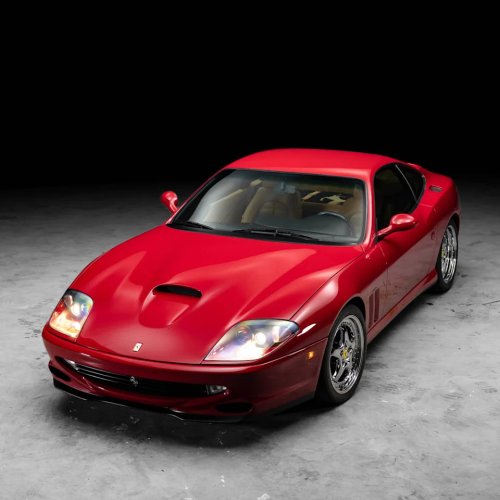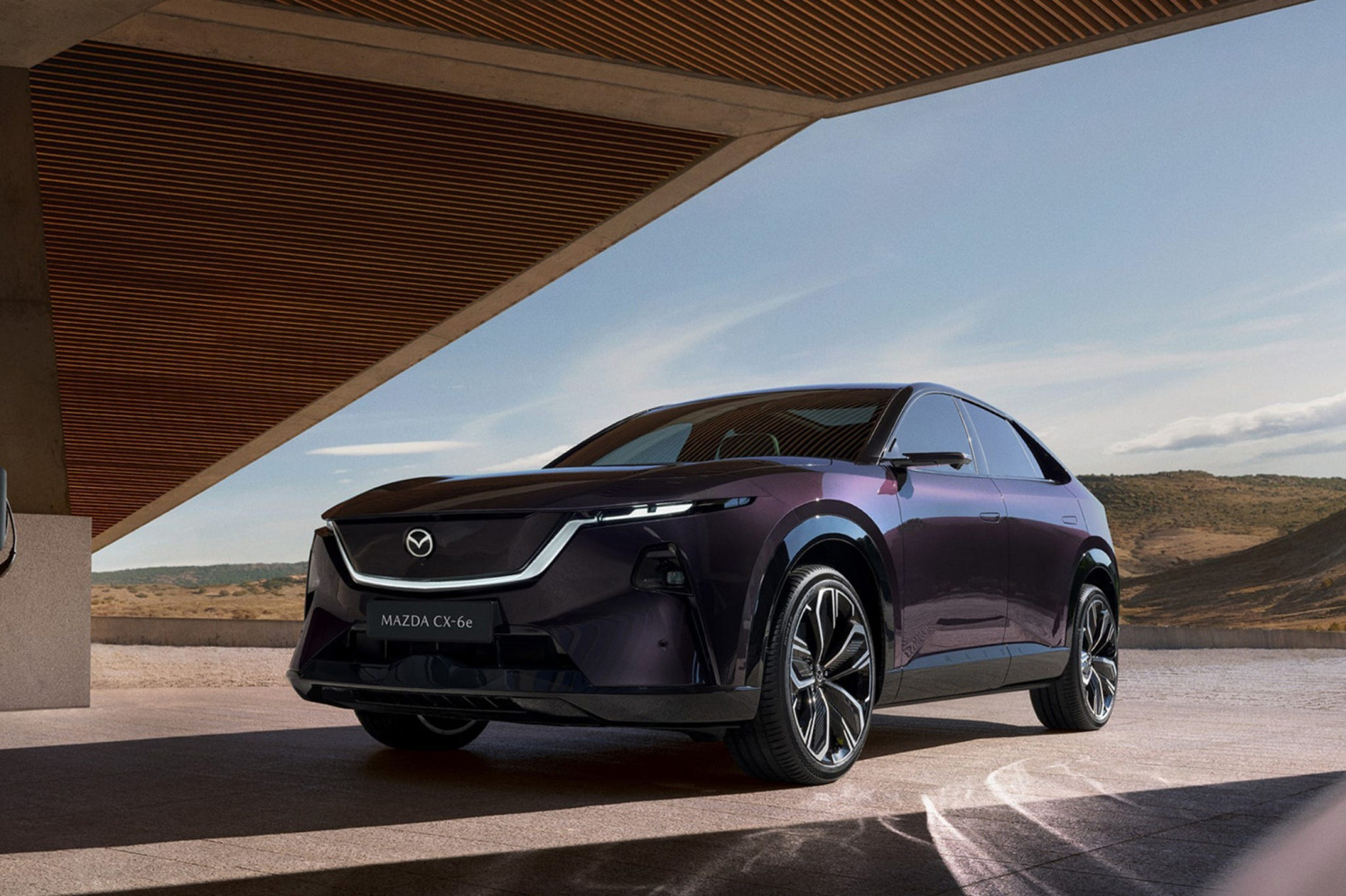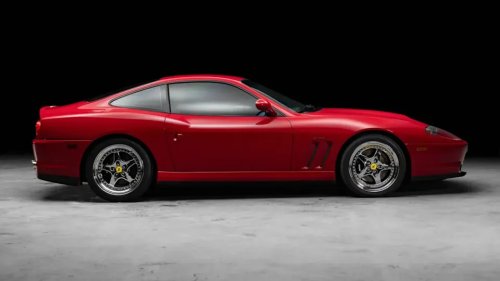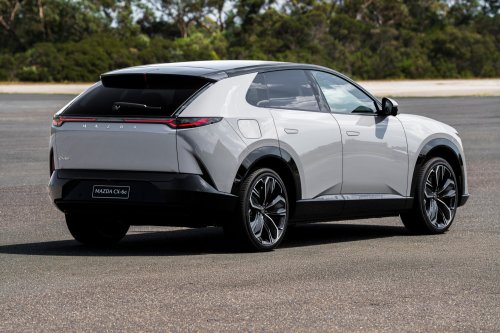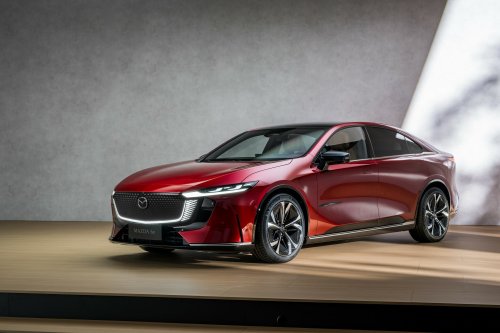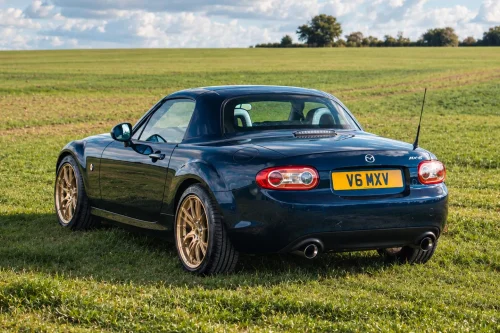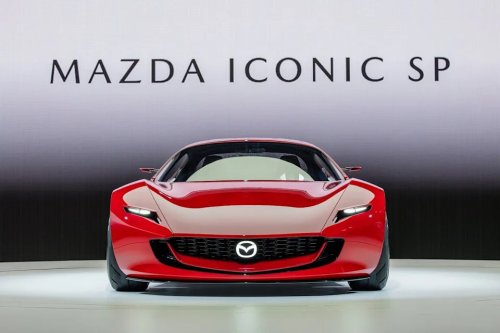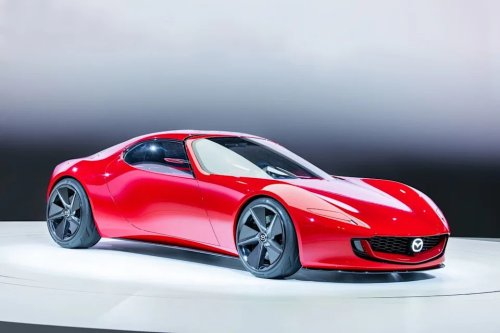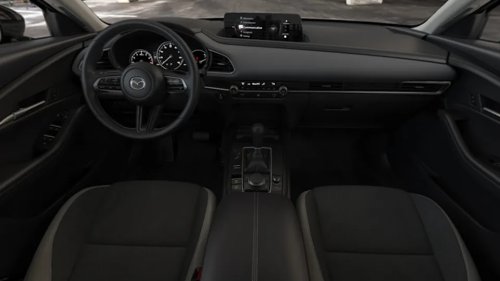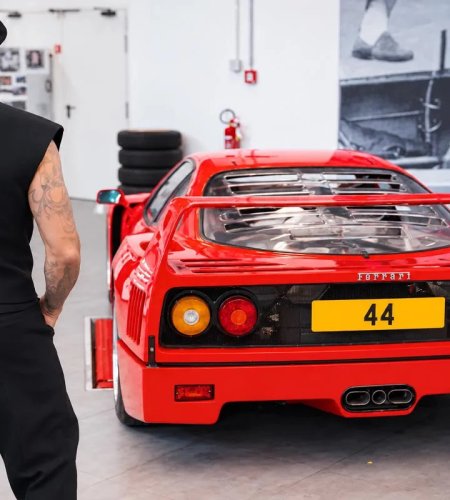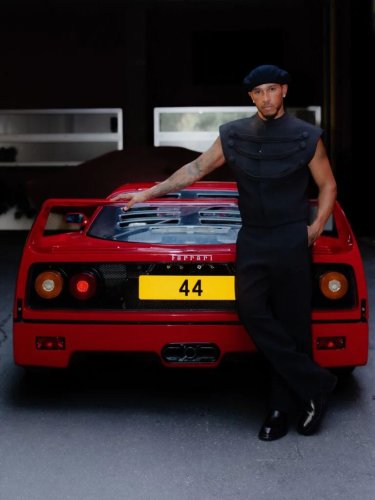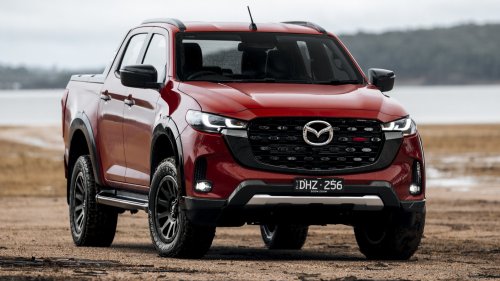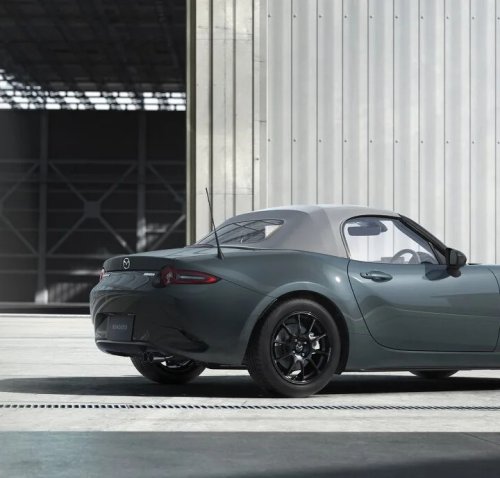



















Ferrari addresses Luce trademark dispute after Mazda filing in JapanFerrari has tried to shut down questions about whether you will ever see a Luce badge on its first electric car in Japan, insisting that its trademark rights are secure even after Mazda moved on the same name. You are watching a classic naming clash unfold, with a storied Italian brand and a Japanese rival both trying to revive a word that already carries decades of history. If you care about how brands protect identity in the electric era, this dispute over “Luce,” which means “light” in Italian, offers a close look at how quickly a model name can become a legal battleground once it is attached to a flagship EV. How Ferrari and Mazda ended up fighting over “Luce” The Luce name reappeared when Ferrari revealed that its forthcoming electric car would be called Luce, positioning it as a showcase for the company’s shift toward battery power. That choice immediately collided with Mazda’s heritage, because Mazda previously sold sedans and coupes under the Luce nameplate in multiple markets, including models like the Mazda Luce and the rotary powered Mazda Luce R130. After Ferrari announced Luce, Mazda reacted in its home market. Reporting shows that Mazda moved to secure a fresh trademark for Luce in Japan, filing just weeks after Ferrari went public with the EV’s name. That timing is central to the current tension, because it raises the question of whether Mazda is simply protecting its legacy or actively trying to block a rival from using the badge in a key market. The dispute is also being framed as a potential headache for Ferrari beyond Japan. One analysis notes that Mazda Could Block from Using the Luce Name for Maranello’s first EV, at least in one market, if the Japanese filing is upheld. For you as a buyer or an investor, that means the badge on the back of Ferrari’s first electric car may depend on how trademark offices interpret this sequence of events. Ferrari’s public response and legal stance Ferrari has not stayed silent. The company has told reporters that it holds rights to the Luce name internationally and that it does not see any copyright or trademark obstacles to using it on the upcoming car. In one statement, Ferrari stressed that it has registered the Ferrari Luce trademark through international channels and that it is not aware of any active third party rights that conflict with its registrations. The company has reinforced this message through other channels as well. Ferrari has said that it rules out any copyright issues for the name of the new Luce EV car and that it is comfortable with its legal position even though Mazda has used the Luce badge in the past. In that explanation, Ferrari highlighted that Luce means light in Italian, which helps Ferrari frame the name as a natural linguistic fit for an electric model rather than a direct attempt to borrow Mazda nostalgia. For you, the key takeaway is that Ferrari is drawing a line between “Ferrari Luce” as a composite trademark and “Luce” used on its own. The company is signaling that it has secured protection for the combined phrase globally, which could give it more room to operate even if Mazda gains some rights to the single word in Japan. What Mazda is trying to protect in Japan On Mazda’s side, the Luce name is not a new marketing idea. It is part of the brand’s back catalog, tied to sedans that were sold for decades and that still matter to enthusiasts who remember cars like the first generation Mazda Luce from the 1960s. That history shapes how you should read Mazda’s legal moves. In early March, Mazda filed a new application for the Luce trademark in Japan, a step that has been described as an attempt to prevent Ferrari from using the name for its upcoming EV in that country. Coverage explains that Mazda files trademark that may prevent Ferrari from using the name Luce for its upcoming EV in Japan, which tells you that Mazda is not only defending past use but also reserving the option to revive Luce on future products. Other reporting tracks how Mazda’s application arrived shortly after Ferrari’s announcement and frames it as part of a broader strategy. One piece describes this as Yet Another Trade mark War, pointing to Mazda’s decision to file again for Luce on March 4 and suggesting that the company wants Ferrari to back up and choose something else if the Japanese office sides with the domestic automaker. For you, the practical question is whether Mazda’s domestic filing can override Ferrari’s international registrations in that market. Trademark systems often give weight to local use and earlier registrations, but here the sequence is tight and both sides can point to history, which leaves the outcome uncertain. How the name clash complicates Ferrari’s first EV launch The Luce is not just another Ferrari. It is the company’s first fully electric model, and the name is designed to signal a break from the V8 and V12 era toward a quieter, battery powered future. That is why a dispute over three syllables can have outsized impact on how you experience the car when it finally reaches showrooms. Analysts have already warned you that Ferrari’s first EV may need a new name in Japan because of Mazda’s move. If the Japanese office grants Mazda exclusive rights to Luce for vehicles, Ferrari could be forced to sell the car under a different badge in that market or to rely strictly on the combined Ferrari Luce phrase if that is treated as distinct. Either scenario adds complexity to marketing, dealer training, and even digital configuration tools that you use when ordering a car. Some coverage goes further and suggests that the clash could spill beyond Japan if other jurisdictions take Mazda’s heritage into account. One Ukrainian report on the dispute states that Ferrari Chose the, and notes that Mazda Files for Luce Trademar in certain markets. That perspective reminds you that trademark fights rarely stay neatly within one country once a global brand is involved. Even so, Ferrari has tried to reassure customers that the model’s identity is safe. Another statement from the company, cited in financial reporting, reiterates that Ferrari dismisses any dispute over the name of its future electric car and that it does not expect Mazda’s actions to derail its branding plans. You should read that as a signal that Ferrari intends to push ahead with Luce as the core name, even if it has to adapt locally. What the Luce dispute tells you about EV branding strategy Beyond the legal filings, the Luce story gives you a clear view of how high the stakes have become for naming electric cars. For Ferrari, Luce is a way to anchor a new technology in Italian language and tradition. For Mazda, Luce is a bridge to its own past and a possible asset for future products that might draw on the same nostalgia. The clash also shows how quickly automakers now move to secure or revive dormant names when a rival stakes a claim. As soon as Ferrari revealed Luce, Mazda Moves to Block Ferrari Using Luce Name, filing in Japan to shore up its position. That rapid response reflects a world where heritage badges like RX, Supra, or Type R can carry serious value when attached to new EVs or hybrids. For you as a consumer, the outcome may seem cosmetic, yet it shapes how clearly you can follow a brand’s story. If Ferrari has to rename its first EV in one market, you end up with different badges for the same car, similar to how the Mazda MX 5 Miata carries different names in various regions. That can blur recognition, especially in an era when social media and cross border online communities already mix markets together. More from Fast Lane Only Unboxing the WWII Jeep in a Crate 15 rare Chevys collectors are quietly buying 10 underrated V8s still worth hunting down Police notice this before you even roll window down