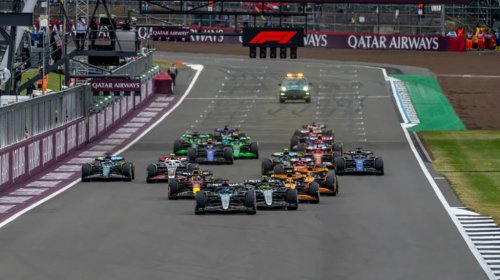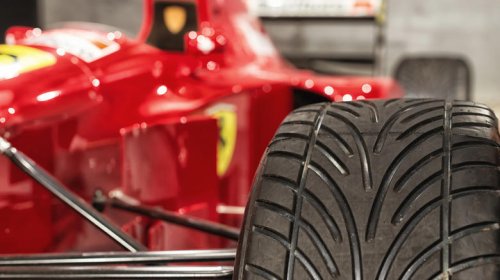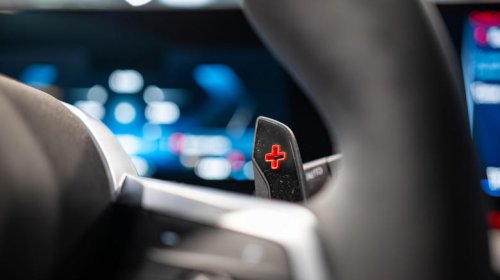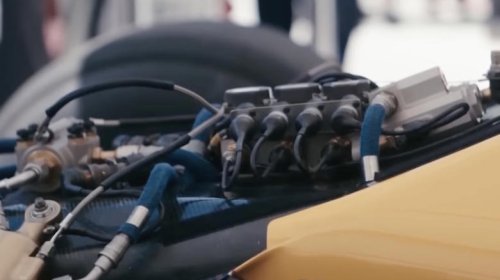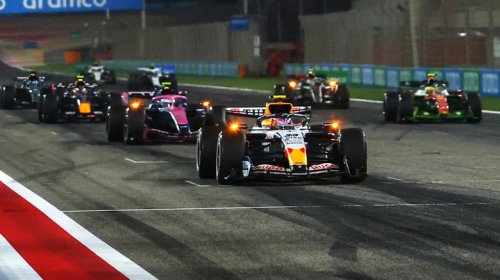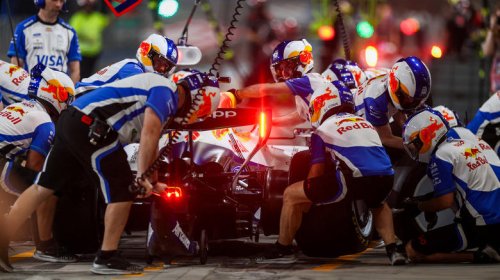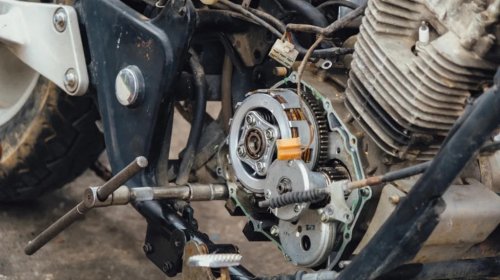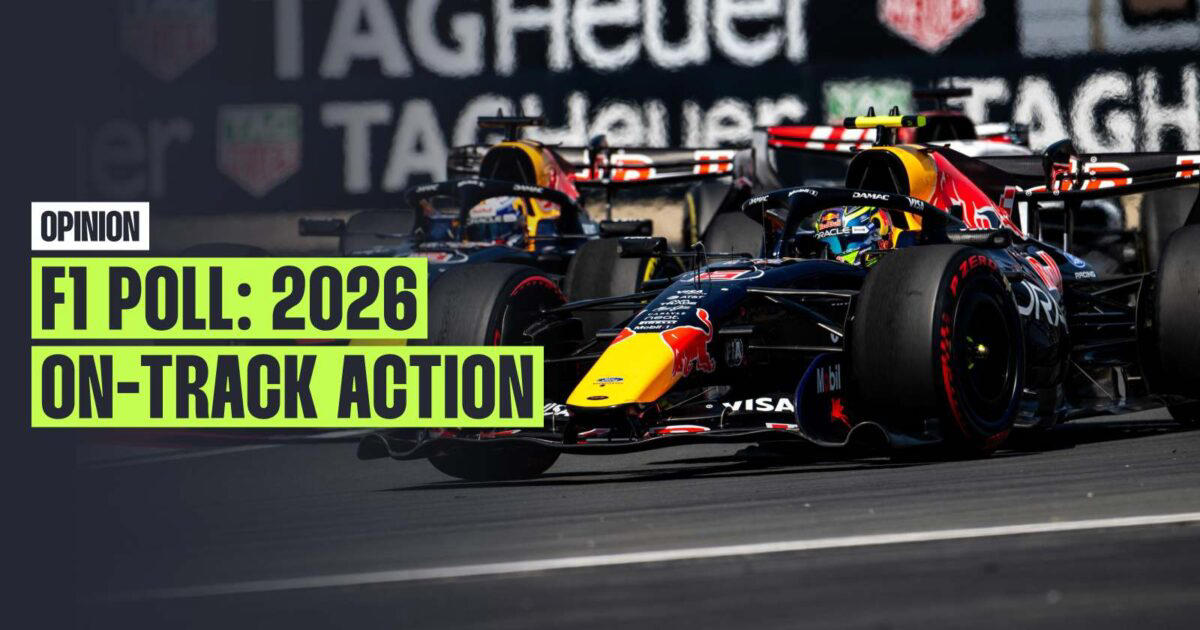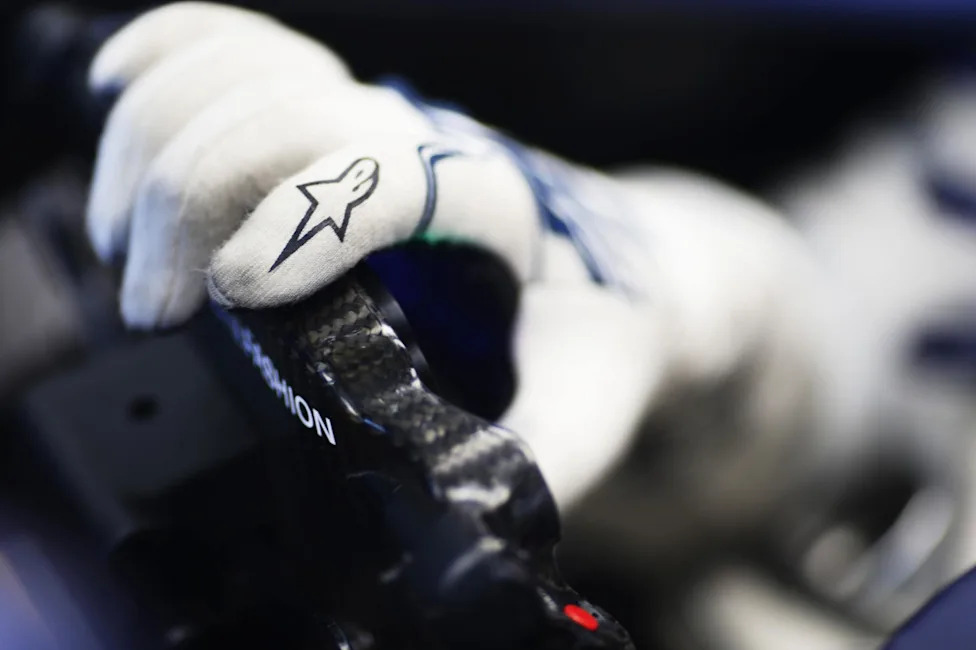
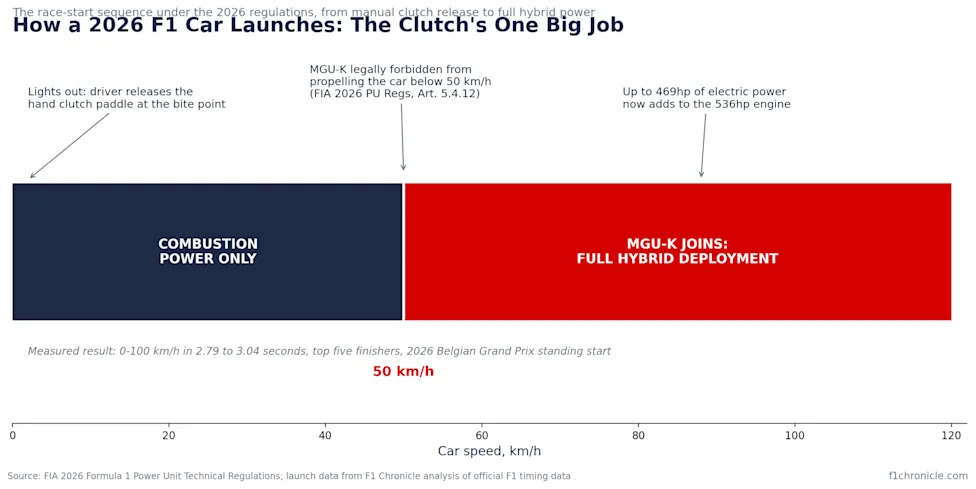



















Do F1 Cars Have A ClutchEvery 2026 F1 car has a clutch, but none of them have a clutch pedal. It is a paddle on the back of the steering wheel, operated by hand, and the driver only touches it manually at the race start and when pulling away in the pit lane. Everywhere else on track, the car's control systems operate it automatically during every gear shift.A 2026 F1 car has a multi-plate clutch operated by hand paddle, not a pedal.Drivers use the clutch manually only twice: at the race start and leaving the pits.The MGU-K is legally forbidden from propelling the car during a standing start until it reaches 50 km/h.Gear changes happen hydraulically in around 50 milliseconds across 8 forward gears plus reverse.The Ferrari 640 introduced the paddle-shift semi-automatic gearbox at the 1989 Brazilian Grand Prix, and Nigel Mansell won on its debut.Anti-stall systems must fully disengage the clutch and stop the engine within ten seconds if a driver cannot recover a stalled car.What Kind of Clutch and Gearbox Does a 2026 F1 Car Have?A 2026 F1 car runs a multi-plate clutch paired with a sequential semi-automatic gearbox offering eight forward gears and a reverse gear, as the regulations require. There is no gear lever and no clutch pedal. Both are operated through paddles mounted behind the steering wheel, and the gearbox executes each shift hydraulically in around 50 milliseconds once the driver pulls a paddle.AdvertisementAdvertisementWhich paddle does what is not fixed by regulation. Teams and drivers configure the mapping themselves, and it is common for a driver to run upshift and downshift on opposite paddles to a teammate, or to change the mapping between sessions. That is worth stating plainly, because it rules out any claim that one specific paddle always upshifts across the grid.The gearbox bolts directly to the back of the internal combustion engine, forming the rearmost structural section of the car, and gear ratios are chosen from a homologated set rather than changed freely.Why Do F1 Cars Not Have a Clutch Pedal?F1 cars used a conventional three-pedal manual, clutch included, for four decades before anything changed. That ended at the first race of 1989, the Brazilian Grand Prix, when Ferrari raced the 640 with a paddle-operated semi-automatic gearbox for the first time in the sport, and Nigel Mansell won on its debut despite widespread doubts about the new gearbox's reliability going into the weekend.Other teams followed through the early 1990s as the technology matured, and by 1996 the manual gear lever had disappeared from Formula 1 entirely. Every car on the grid has used some form of paddle-operated sequential gearbox since, and the FIA has kept tightening what the electronics around that gearbox are allowed to do: fully automatic gearboxes and launch control were banned from 2004, and traction control has been banned since 2008, after being permitted again from 2001 until the end of 2007.When Do F1 Drivers Actually Use the Clutch?A race start is the moment clutch control counts most. Drivers bring the car to the grid, engage a bite point using the clutch paddle, a technique the regulations name directly as a bite point finder strategy, and hold it steady until the lights go out. From there the launch happens on combustion power alone: the regulations forbid the MGU-K from propelling the car during a standing start until it reaches 50 km/h, so for that first fraction of a second every 2026 car is accelerating on engine power through the clutch alone, with none of the 469hp the electric motor can add anywhere else on track. Only once the car crosses 50 km/h can the MGU-K join in, and full hybrid deployment follows from there.That launch phase is also why 2026 standing starts look the way they do in the data. The top five finishers at the 2026 Belgian Grand Prix covered 0-100 km/h in 2.79 to 3.04 seconds from a standing start, a spread that reflects grip and driver technique rather than how much horsepower the car has: every one of those cars had access to the same power, and the limit at the start line is how much of it the rear tyres can put down before wheelspin, not how much the engine can produce.AdvertisementAdvertisementThe clutch comes out again at every pit stop. After a tyre change, the driver releases the paddle by hand to pull away from the pit box, much like the start but without the bite-point choreography needed on the grid. If a driver gets the release wrong at either point and stalls the engine, anti-stall takes over: the regulations require the system to fully disengage the clutch and stop the engine within ten seconds if the driver does not recover the car manually first. Stalling is rare on a modern F1 grid, but it is common enough that the rules assume it will happen and specify exactly what the car must do when it does.How Fast Do F1 Cars Change Gear?A shift takes around 50 milliseconds from the moment a driver pulls a paddle to the new gear being engaged, quick enough that the change registers as a single, near-instant tug on the drivetrain rather than a driver-managed process. The regulations also forbid power unit control from being influenced by clutch position at all, closing the door on any clutch-based engine modes.Sequential gearboxes exist because an H-pattern manual could never keep up at F1 engine speeds. Selecting gears in a fixed order, one after another, means the mechanism never has to work out which ratio to jump to next, which counts at a 15,000rpm rev limit where even a small delay costs real revs and time. What the driver feels is a paddle pull and a jolt of acceleration; what the hydraulics do underneath that is disengage the outgoing gear, select the next one and re-engage the clutch, all within that 50-millisecond window without the driver lifting off the throttle.None of this happens through a floor-mounted lever. The paddles sit behind the steering wheel rather than anywhere near the driver's feet, which leaves the footwell with just two pedals, accelerator and brake, and nothing else.Formula 1 Clutch FAQsAre F1 cars manual or automatic?Semi-automatic. Fully automatic gearboxes and launch control were banned from 2004, and traction control has been banned since 2008, so every gear change and every start still depends on driver input even though none of it runs through a clutch pedal or a gear lever.When did F1 get rid of the clutch pedal?From 1989 onward. Ferrari's 640 introduced the paddle-operated semi-automatic gearbox at that year's Brazilian Grand Prix, the rest of the grid adopted similar systems through the early 1990s, and the manual gear lever was gone from Formula 1 entirely by 1996.Do F1 drivers use the clutch to change gear?No. Gear changes on track are handled by the gearbox's hydraulics without any clutch input from the driver. The clutch paddle only comes into play at the race start and when pulling away from a pit stop.Can an F1 car stall?Yes. Stalling is rare but possible, and the regulations require anti-stall systems to fully disengage the clutch and stop the engine within ten seconds if the driver does not recover the car manually.AdvertisementAdvertisementSources2026 Formula 1 Power Unit Technical Regulations – FIAGreat Ferrari Innovations: The F1 semi-automatic gearbox – FerrariF1 bans traction control from 2008 – Motor AuthorityF1 Chronicle analysis of official F1 timing data, 2026 season, for the 0-100 km/h standing-start figures.Reviewed by Jack Renn, July 2026