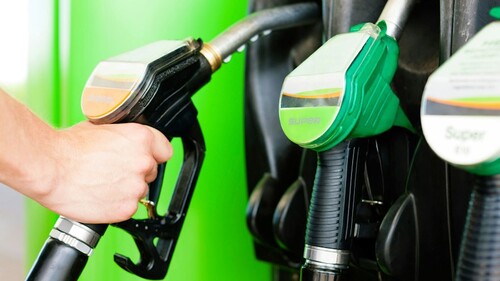
World leaders have agreed to release over 100 million barrels of oil to boost supply as the price at the pumps has risen to an all-time high of £2 per litre in the UK. At the same time, new Auto Express data reveals that buyer enquiries for diesel models on our sister site, Carwow, have fallen by a third in the last six months – no doubt in response to rising fuel prices – with drivers instead turning to hybrids and EVs. On 02 October, average pump prices for diesel rose above £2 per litre on average for the first time in UK history. The RAC, which monitors fuel prices, described the situation as “very challenging for households and companies that drive a lot of miles, from commuters, haulage and delivery firms, businesses with large fleets all the way through to sole traders. Now, foreign secretary, Ed Miliband, has met virtually with leaders of the G7 in order to discuss fears of shortages that are helping fuel – no pun intended – the inflated pump prices. This came after US President, Donald Trump, called on European nations to release their oil reserves as he considers banning diesel exports to reduce prices for Americans. Following the meeting, the G7 released a statement stating that it has “agreed on decisive, coordinated measures to stabilize immediate energy supplies, shield households and businesses from price shocks, and strengthen the long-term resilience of global energy systems” – seemingly in response to Trump. The group of seven nations, which includes the UK, France, Germany, Italy, Canada, Japan and the US, says that 100 million stockpiled barrels of oil will be released over the next four months. A “frontloaded substantial diesel release” will also be made available in the next 20 days in the hope of bringing black pump prices down, while leaders will meet again at a later date to “discuss the possibility of additional diesel releases”. In the meantime, high fuel prices appear to be pushing buyers away from internal combustion vehicles into EVs. Between March and the end of September 2026, enquiries – i.e requests to dealers for quotes or test drives – on Carwow dropped by 33 per cent, while interest in petrol cars only fell by around a quarter. At the same time, enquiries for EVs rose by 28 per cent; curiously, enquiries for hybrids dropped by eight per cent, suggesting high fuel prices are turning drivers away from fossil fuels altogether and forcing them to consider full-electric models. In fact, enquiries for diesel fell by 14 per cent in the last week alone compared to the week prior, driven largely by a recent spike in the cost of fuel. Diesel cars have so far accounted for just four per cent of new car registrations in 2026, which is perhaps no surprise given the dwindling number of options available to buyers. Late last year, Auto Express discovered that only 91 diesel car models were on sale in the UK, compared with 240 a decade prior. That number has reduced even further in the months since. Sadly, there’s more pain in store for existing diesel car owners; the RAC expects diesel prices to rise even further than the current £2 per litre average, with the typical motorway service station already charging as much as £2.16. The cost to brim the average diesel car’s 55-litre fuel tank now stands at £110 – over £30 more than at the start of the US-Iran war that’s caused the cost of petrol and diesel to spiral out of control. This figure eclipses the previous high of 199.09 pence per litre experienced during the early stages of the Russian invasion of Ukraine in the summer of 2022 and, in the words of Williams, marks an entry into “new uncharted territory”. Similarly, the price of petrol has also seen a huge rise since the kick-off of hostilities; the average UK price of petrol now sits at almost £1.75 per litre – almost 40p more than in February. This means filling up the average petrol car will now set you back almost £96, which is roughly £23 more than seven months ago. At motorway service stations, petrol is also almost on the brink of breaking the £2-per-litre mark. Unlike diesel, however, it’s hoped the price of petrol will eventually fall. CarFill-up cost (28/02/26)Fill-up cost (02/10/26)Vauxhall Corsa 1.0l (Petrol, 40L)£53.13£69.88Ford Puma 1.0l mHEV (Petrol, 42L)£55.79£73.38Skoda Superb 2.0 TDI (Diesel, 66L)£93.97£132.01Kia Sportage Hybrid (Petrol, 52L)£69.07£90.85Land Rover Defender 110 D350 (Diesel, 89L)£126.72£178.01 “These extraordinarily high prices are another reminder of just how exposed the UK is to events occurring far away from its shores,” said Williams. The cost for a barrel of Brent Crude – the type of oil that’s refined into motor fuel – now sits at around $100 per barrel, up from just over $70 before 28 February. “Only a sustained lower oil price – over several weeks, not days – will lead to cheaper prices at the pumps,” Williams explained. In March, the Government under ex-Prime Minister Keir Starmer commissioned the Competition and Markets Authority, the UK’s chief market regulator, to monitor the fuel sector for any evidence of price gouging. While the CMA is yet to find any evidence of retailers changing their pricing tactics to profiteer from the high oil prices, the regulator has pointed out that a lack of competition in the sector has led to “passive” pricing strategies. These keep prices high for consumers, because retailers are sluggish to react to fluctuations in the price of oil, instead waiting for others to do so first. “The UK might have limited leverage when it comes to ending the US/Iran war and ultimately bringing oil prices down, but the Government could take steps to ease the burden on drivers by lowering fuel duty further or reducing VAT,” Williams said. As of the time of writing, the Government is set to reverse the temporary five pence cut to fuel duty in the Spring – something that was pushed back from September in light of the high fuel prices caused by the war in Iran. As for whether this reversal will still take place next year or whether any other relief will be granted; Chancellor John Healey told the BBC’s Newscast podcast that “as far as diesel prices go, I’m acutely conscious of how hard this is hitting people… and I will be able to make more commitments [and] set out more detail of any moves that we’re able to make to ease the cost of living at the [Autumn] Budget.” A HM Treasury spokesperson told Auto Express: “Since the outset of the war in Iran this government continues to protect the British people and businesses from this crisis.” “This means drivers benefit from the extension of the five pence fuel duty cut, with diesel 11 pence per litre cheaper until the end of the year than it would have been compared to plans inherited from the previous government.”