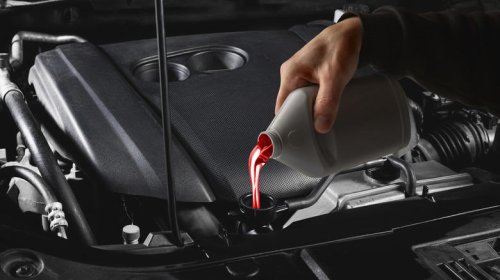
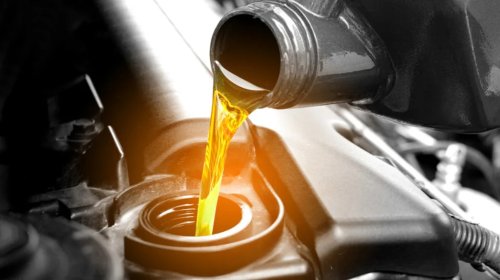
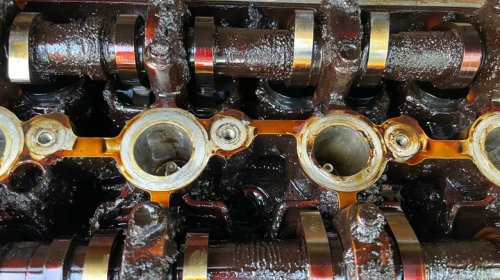
Caleb Jacobs You don’t need me to tell you that fuel is outrageously expensive right now. Gasoline is bad enough, but it’s even worse if you drive a diesel truck. It’s so bad that Texas has declared a statewide disaster, allowing some drivers to run red-dyed farm diesel on public roads. But there’s another, lesser-known alternative that other folks are turning to: Black diesel. That’s essentially slang for waste motor oil, although it’s also a blanket term that includes used hydraulic oil and automatic transmission fluid. Of course, people have been making their own fuel out of spent lubricant since before diesel was more than $6 a gallon on average. It’s a somewhat similar process to running waste vegetable oil, except it takes a lot more cleaning, it’s not suitable for newer trucks, and oh yeah, because it’s untaxed, it’s illegal for road use. Anyone with enough space and enough time can turn waste motor oil into fuel for diesel engines, but there are caveats. Multiple companies sell the necessary hardware to refine the stuff at home. PA Biodiesel Supply sells the Ultimate Force centrifuge setup, which it claims can remove particles at a sub-micron level. It does this by spinning the oil at g-forces exceeding 1,600g, combined with a heater and P-trap system that removes water from the fuel. All the while, estimates place a gallon of black diesel somewhere between 10 and 20 cents—a small fraction of the cost for pump diesel. For anyone thinking this is how they’ll afford to finance a new Chevrolet with the 8.3-liter Duramax, think again. Waste motor oil can ignite in compression-ignition engines, but the burn is nowhere near as clean as the ultra-low sulfur fuel you get at the pump. All the non-combustible materials in the oil—ash from calcium, zinc, phosphorus, and magnesium—translate to increased soot production, which will clog up a diesel particulate filter in a hurry. And knowing how sensitive those systems already are with cleaner, normal diesel, you’d be asking for trouble running it in anything with modern emissions equipment. That’s why PA Biodiesel Supply only suggests running it in diesel engines older than 2005. Really, older than that is better—think like a 12-valve Cummins or an International 7.3-liter IDI. Plenty of people run black diesel in their tractors and heavy equipment, too, but that’s outside the scope of what I’m talking about here. And did I mention this isn’t road legal? While cost is a mighty attractive reason to run waste motor oil in your diesel machinery, there are plenty of reasons not to. You run the risk of chewing through injectors and fuel filters if it’s not properly cleaned, and even though black diesel can sufficiently lubricate fuel pumps, it can introduce fatal contaminants. It also burns dirtier than pump diesel, which combusts more completely and doesn’t result in so many deposits from the tailpipe. Finally, if you get caught running it, there’s a fat chance you’ll pay a hefty fine because the government isn’t keen on vehicles using the roads without taxed fuel in the tank. This blog is a fairly cursory look at black diesel. By no means is it comprehensive. But for what it’s worth, I reached out to a few people in the past who run black diesel, and they pretty much told me to stick it where the sun don’t shine. It seems like anyone who’s doing this wants to be left alone, and it’s not like there’s no precedent of the government going after diesel truck owners who bend or break the rules.




















 +44 others