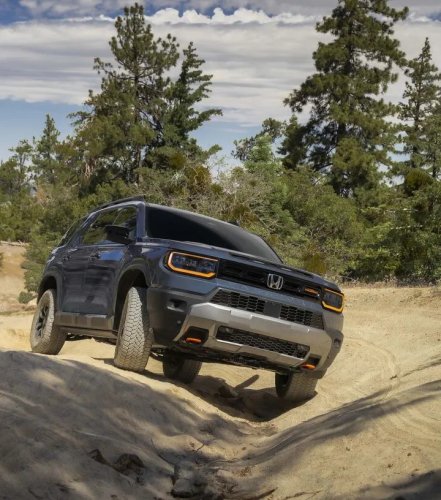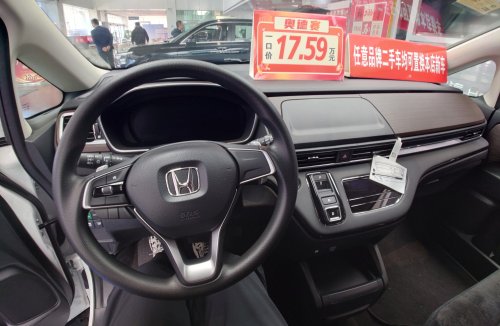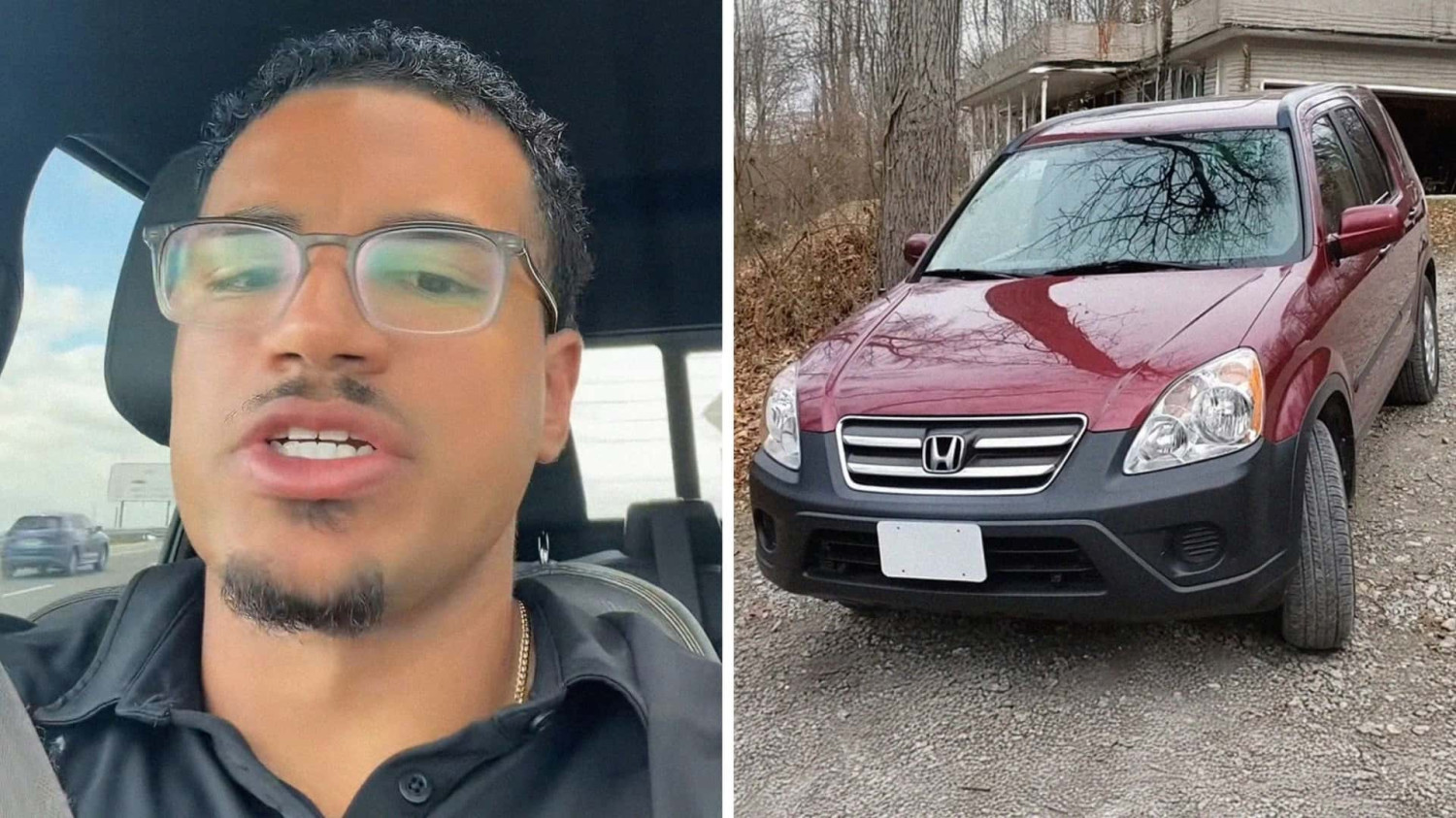



















A Florida car dealer with good intentions is learning that it doesn’t always pay to help out mechanics who may be talented but untrustworthy. In the case presented in a viral TikTok, the good deed looked like an old but trustworthy Honda with favorable payment terms. And 40 days later, he had no money and plenty of grief to show for his troubles. The clip from young car dealer Harris (@heurii) recounts his attempts to help an elderly mechanic, his father recommended, providing him with a 2005 Honda CR-V with no upfront payments, to make it easier for him to get to work reliably and perform the jobs needed. "Meet him, seems like a cool guy, seems trustworthy, so I start giving him jobs," Harris said in the clip that’s been viewed more than 22,000 times. Harris added that the mechanic had to walk to the business each day in cold weather: "I saw that his ride situation was a little bit tough with the transport. He lives only, like, five minutes away from the dealership. He really could walk if he needed to. It's maybe a mile. But I see that his stepson is bringing him to work every day, not really pleased that he has to bring him." An Unusual Deal What Harris offered wasn't a typical dealership perk. It was closer to a handshake deal built on trust, flexibility, and the assumption that both sides would follow through. "Let me give him a car at cost, and I’ll finance him," Harris said. The plan was simple, and called for the mechanic to bring $1,000 the first weekend after taking possession, and then pay $200 a week until the balance was cleared. Arrangements like that can resemble the employee discounts sometimes available at dealerships, where staff can purchase vehicles at or near cost. But those programs are usually structured, with formal financing or payroll deductions and clear terms on both sides. What Harris describes was very informal, with a little more than mutual trust holding it together. Unfortunately, that trust started to unravel almost immediately, beginning with the down payment never arriving. Harris said the mechanic told him there had been an issue at home, and the money wasn't available. Days turned into weeks without any payment at all, and when the mechanic eventually called to renegotiate, Harris said he agreed to cut the weekly payment in half, down to $100. Even with those restructured terms, no money ever changed hands. At the same time, Harris said the mechanic wasn't short on work, since he was taking on jobs for both Harris and other customers. The Honda was used as daily transportation, and on some days, Harris said the mechanic wasn't even available when the dealership needed him. "We’re 40-something days in; not a single dollar has been put towards this vehicle," he said. For Harris, the issue wasn't just the unpaid balance. It was the sense that the arrangement had shifted from someone trying to get back on his feet to someone taking advantage of the trust that was extended. By early March, the numbers had caught up and overtaken Harris's goodwill. The CR-V’s temporary tag had expired, the down payment was still missing, and several weeks of agreed-upon payments had gone unpaid. Harris said he finally called the mechanic into his office to settle things face-to-face, with a clear message: Pay back what's owed or give the car back. Cleaning Up The Broken Trust In a follow-up video, Harris said the situation came to a head during that office meeting. He told the mechanic the arrangement had run its course and laid out the balance, about $1,800, including missed payments, the down payment, and fees tied to the vehicle. If that couldn't be settled immediately, Harris said the car would have to come back. The clip doesn't show a dramatic blow-up between the two, but Harris makes clear the relationship had changed. What started as an attempt to help someone secure stable transportation and steady work had turned into a straightforward business decision, made sour by a long string of broken promises. The episode also highlights a broader reality inside the car business. Dealers do sometimes extend favorable purchase terms to employees, especially for older inventory or high-mileage vehicles that are harder to move on the retail lot. But those arrangements are typically structured from the start, with paperwork, defined payment schedules, and accountability tied to payroll or ongoing employment. That structure isn't just about protecting the dealership. It also protects the employee, making expectations clear and preventing misunderstandings from turning into disputes. Without it, even well-intentioned deals can drift into gray areas, or personal goodwill in business obligations starts to blur. In Harris's case, that line appears to have disappeared entirely. All that’s left now is a used Honda, an unpaid balance, and a reminder that in the car business, flexibility only works when it's backed by clear terms and integrity on both sides. Motor1 reached out to Harris via email and direct message. We’ll update this if they respond. We want your opinion! What would you like to see on Motor1.com? Take our 3 minute survey. - The Motor1.com Team