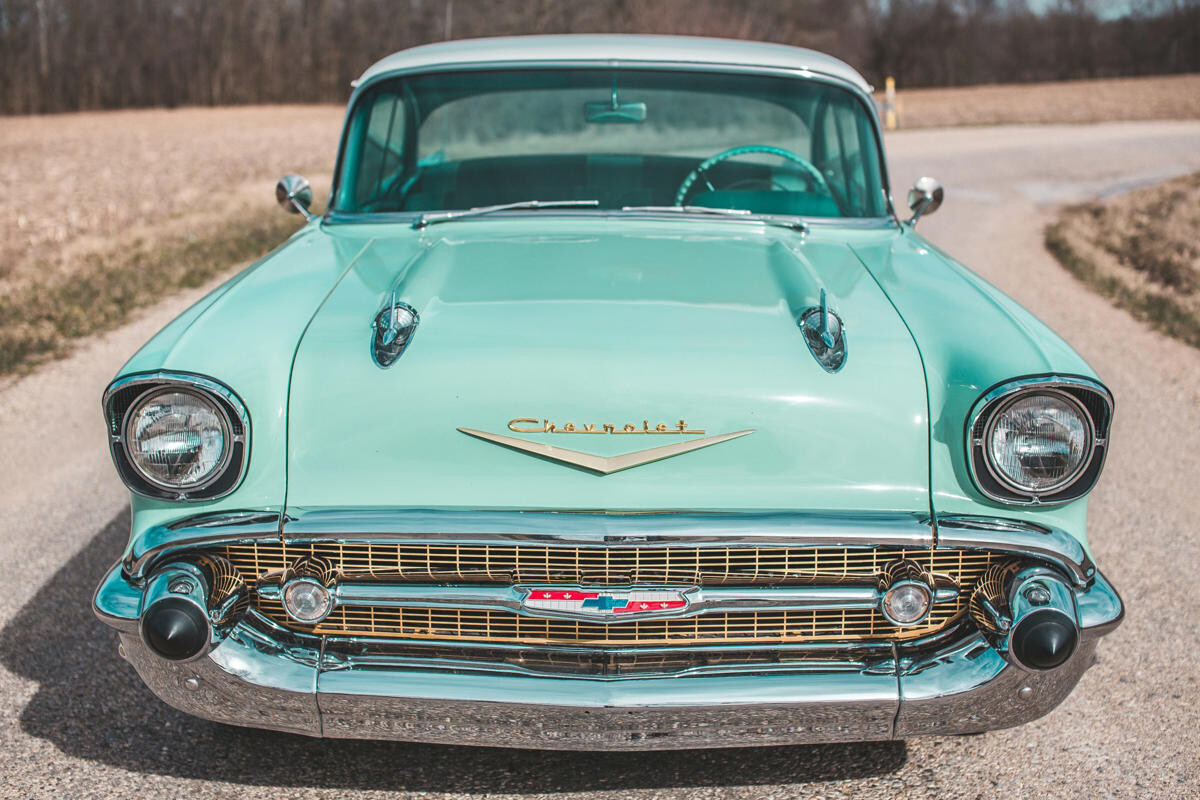
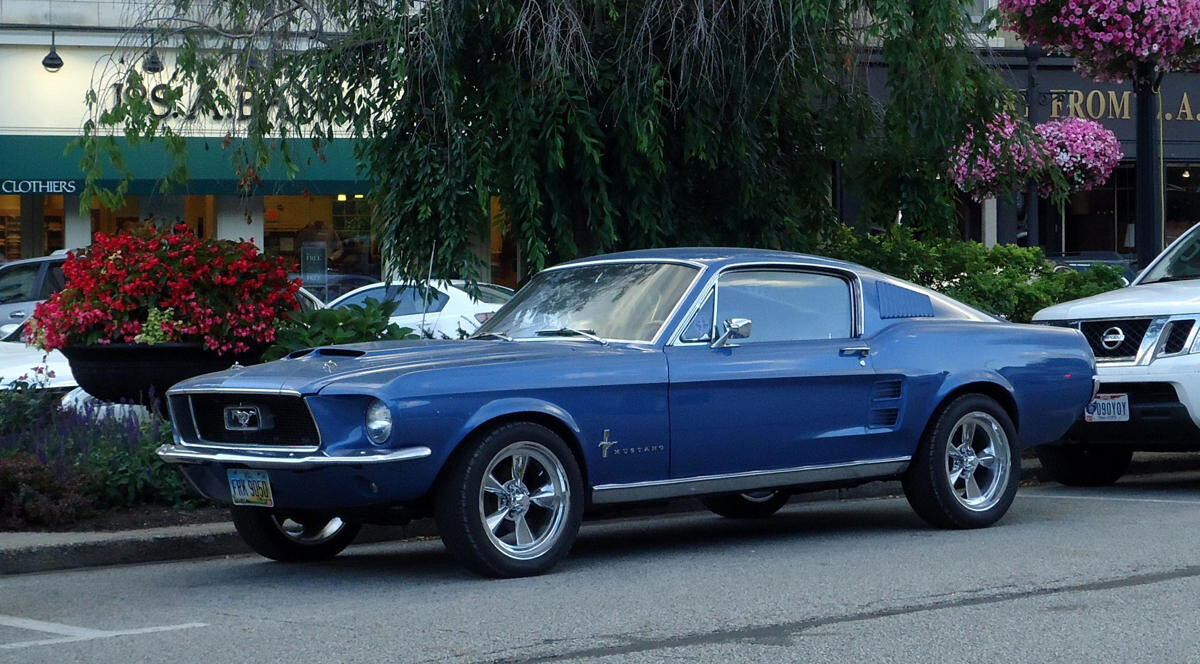
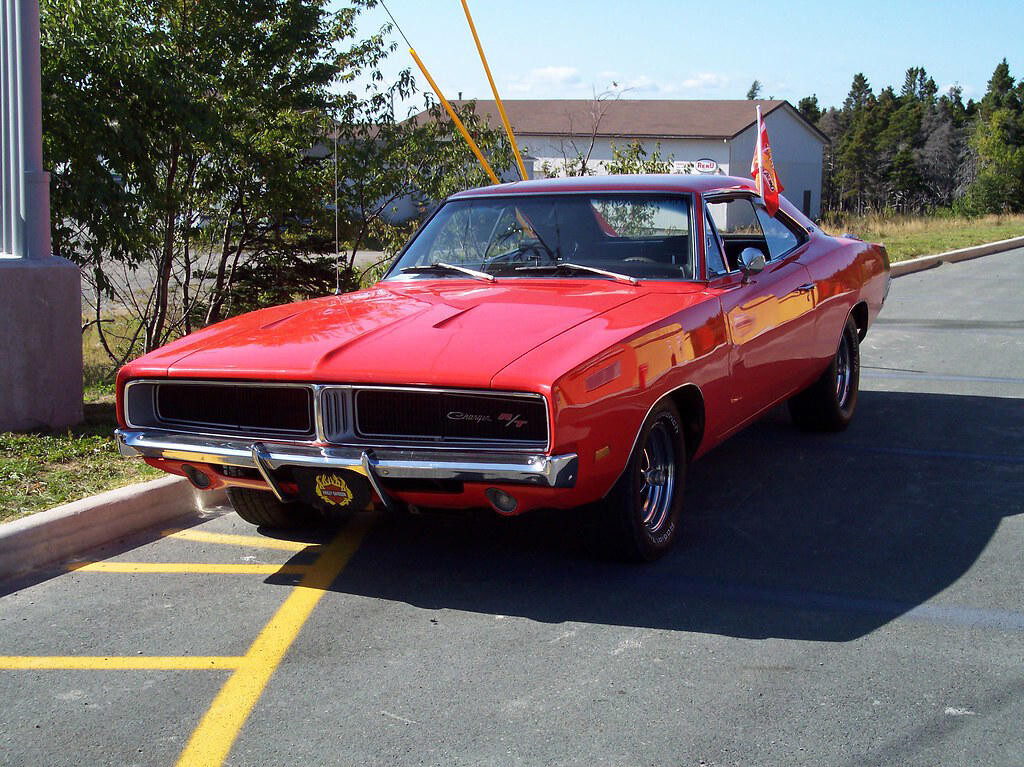
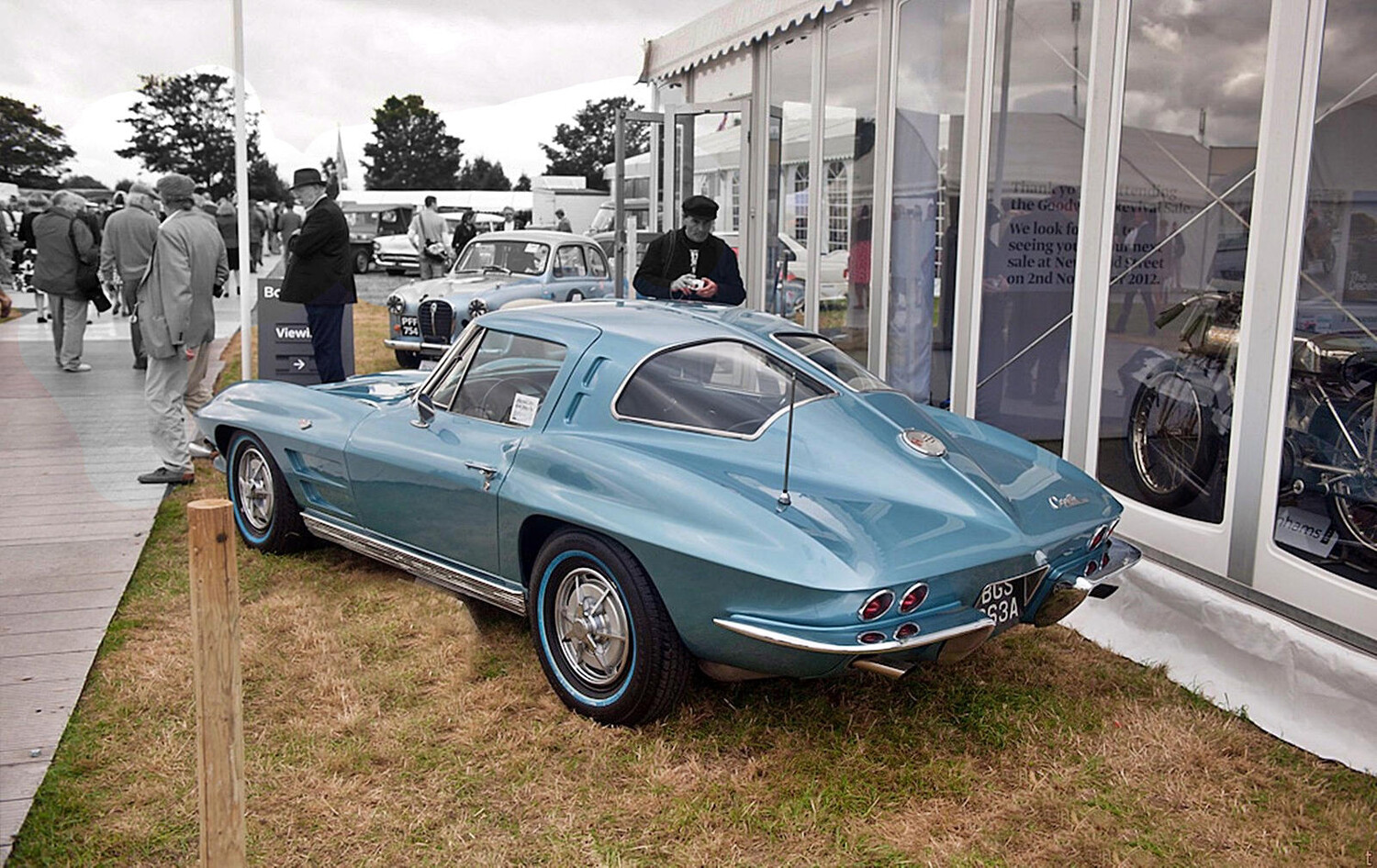
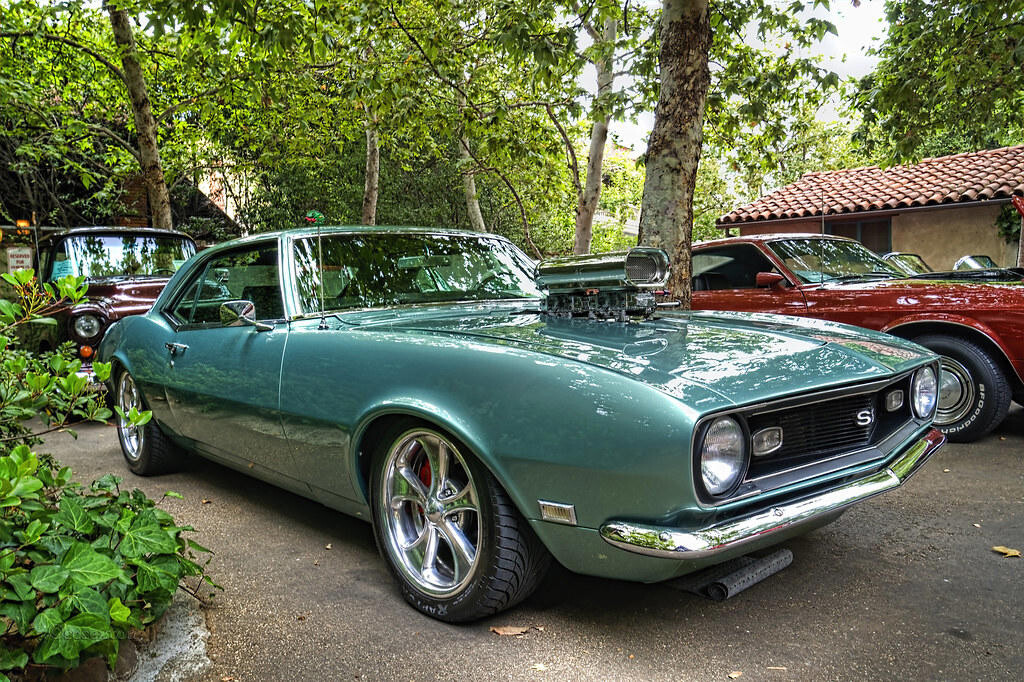
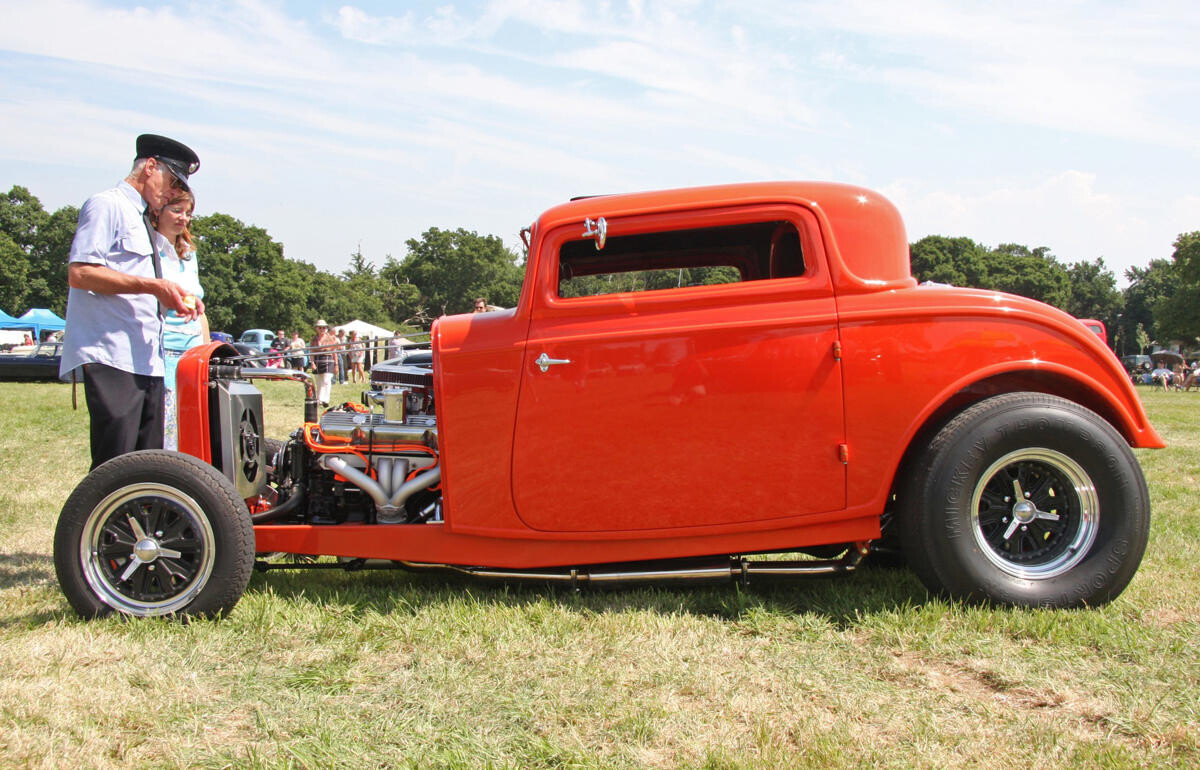
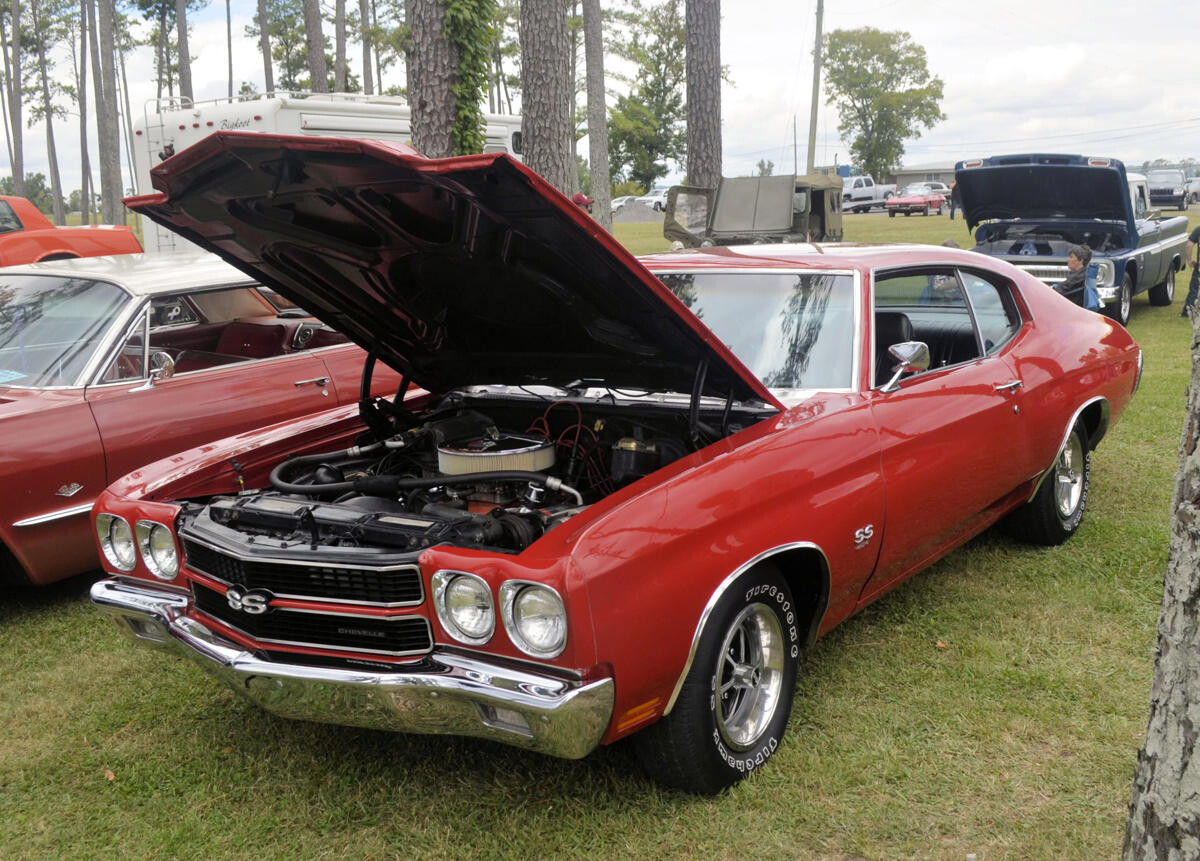
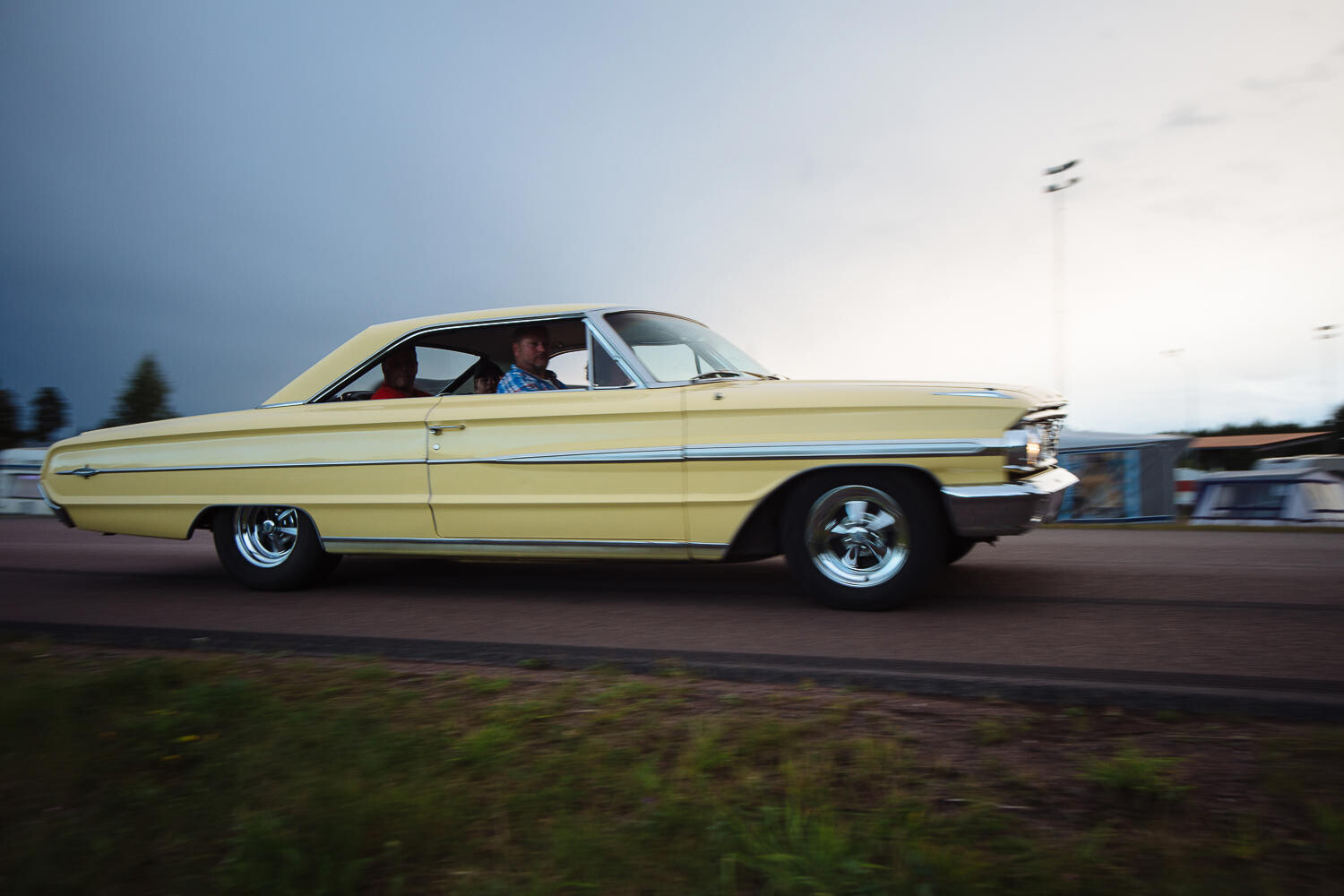
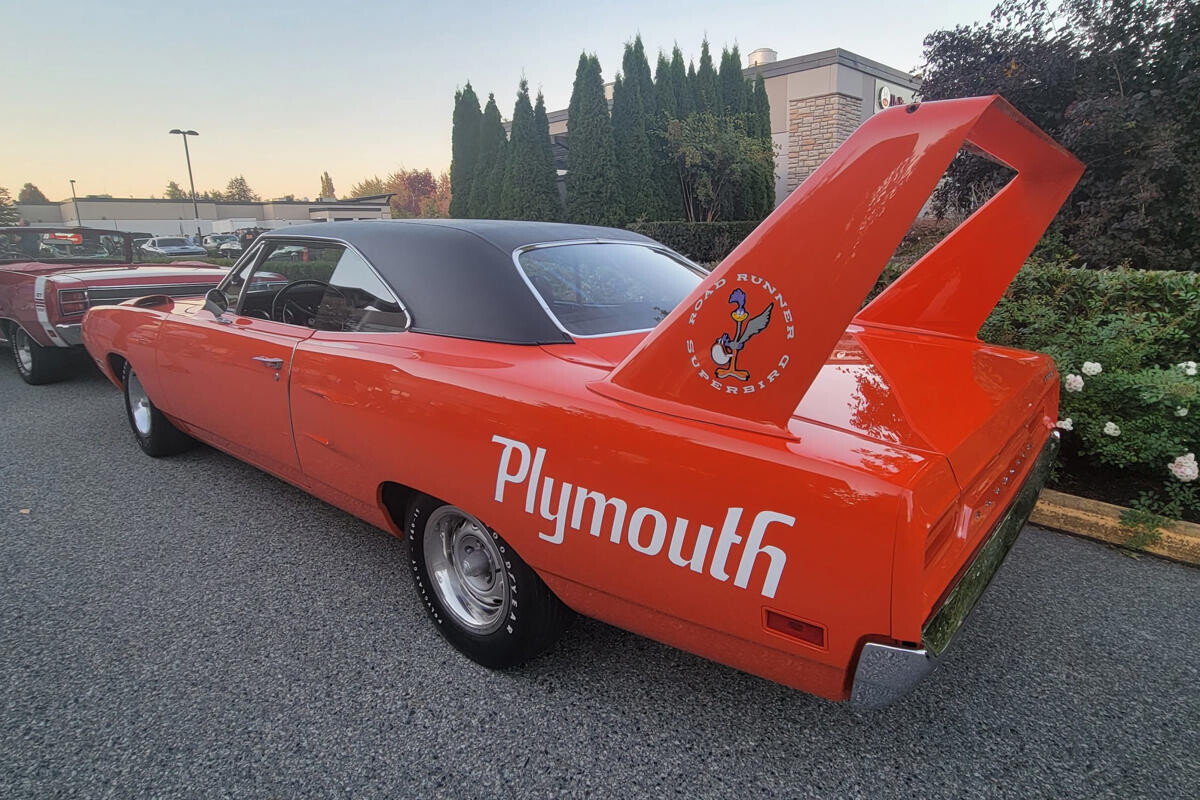
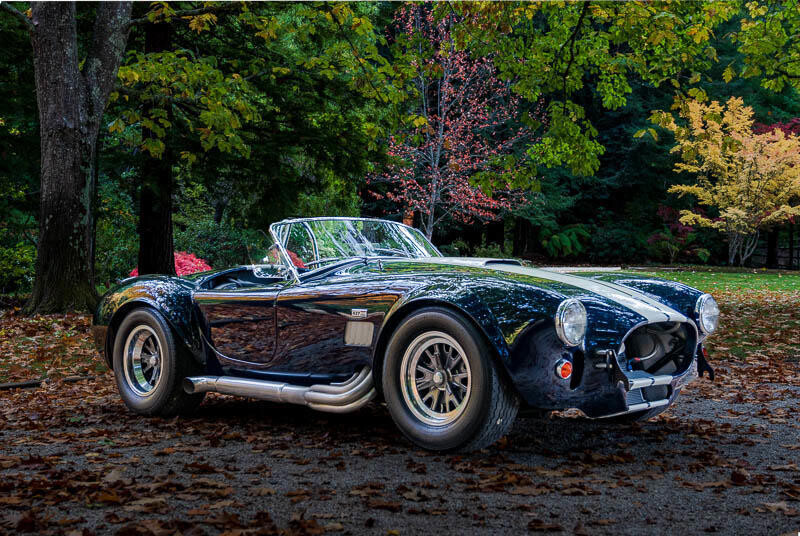
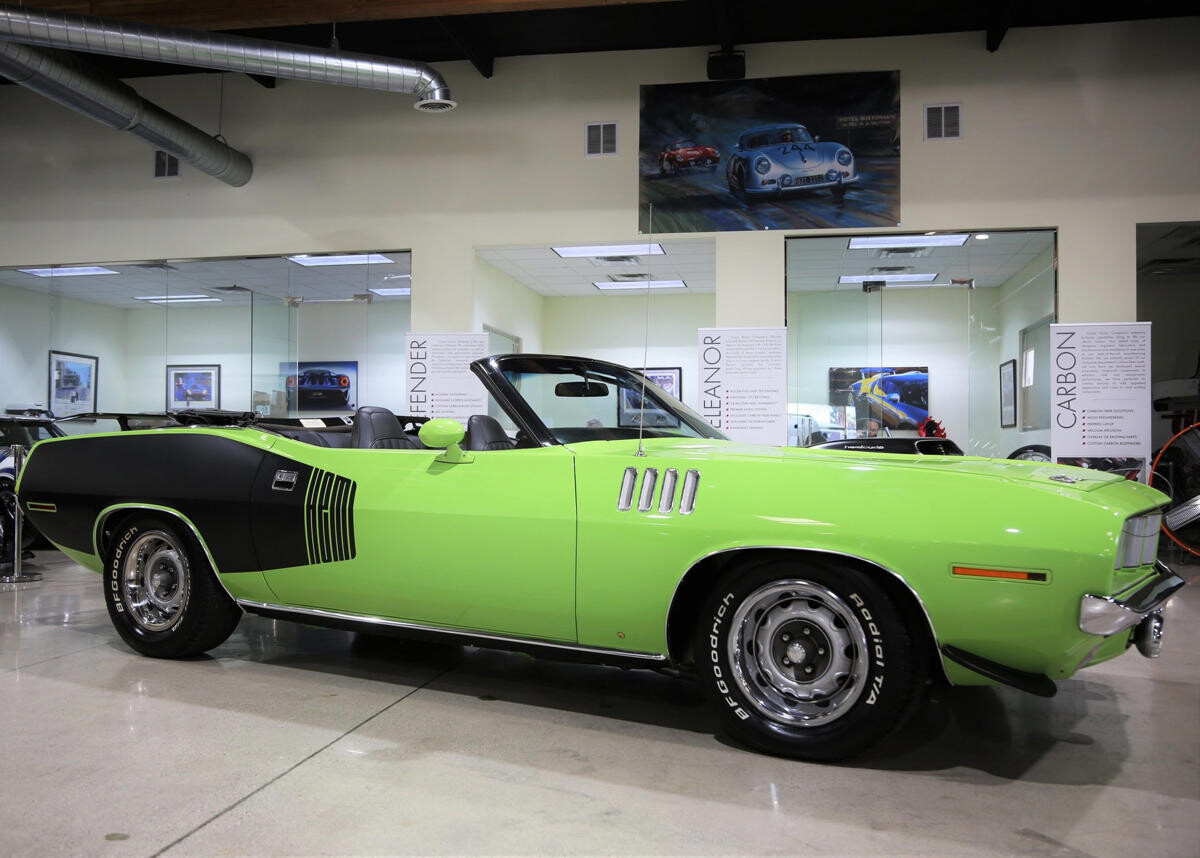
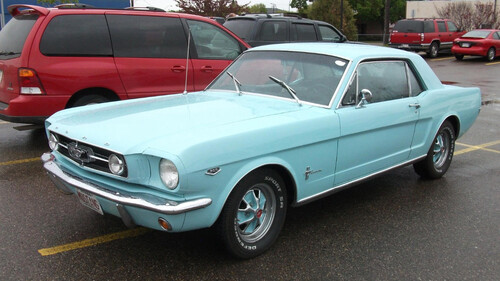
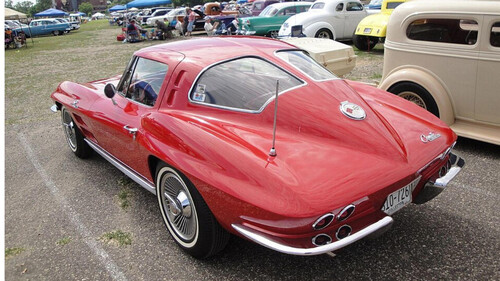
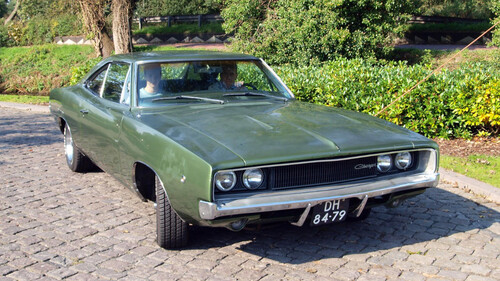
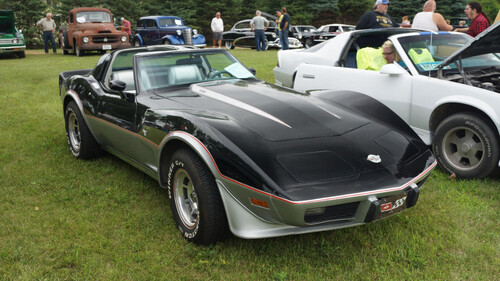
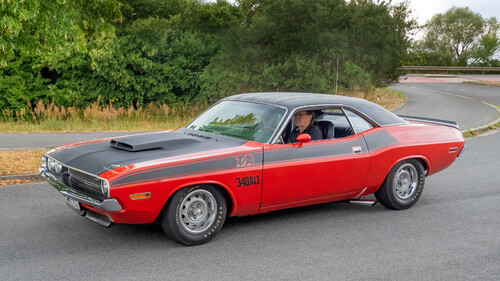
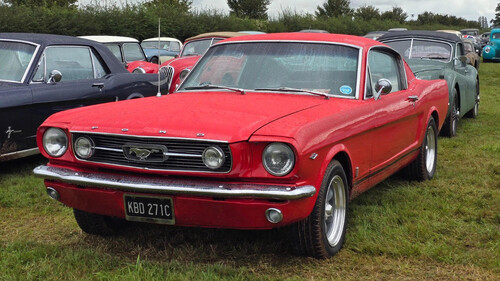
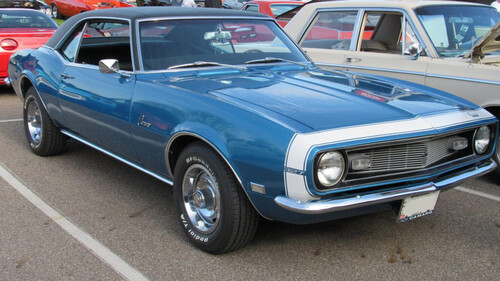
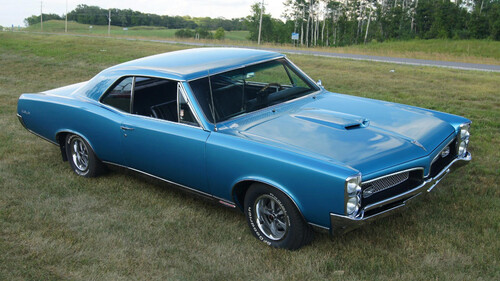
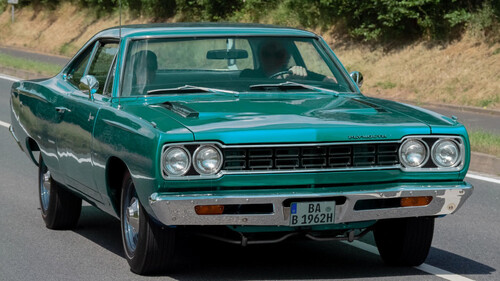
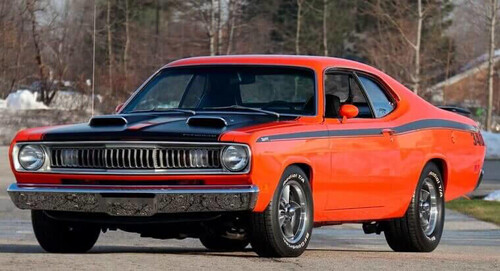
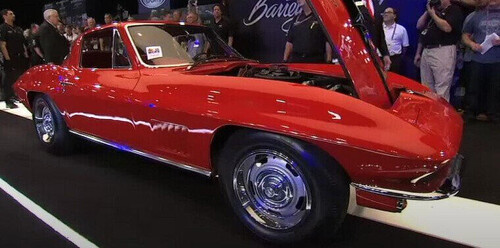
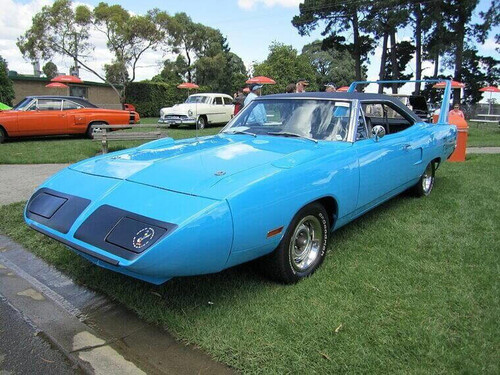
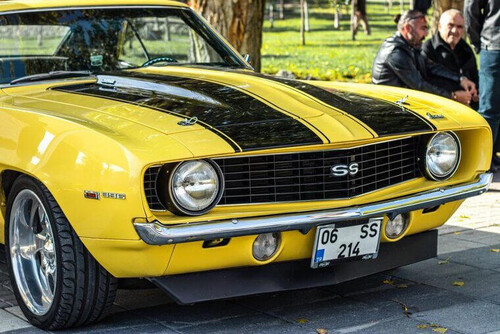
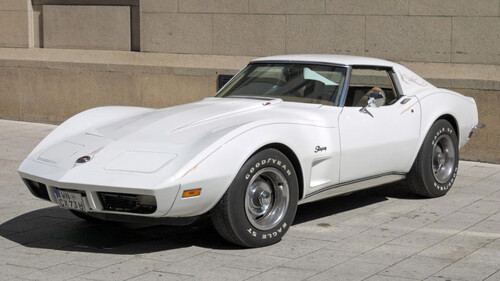
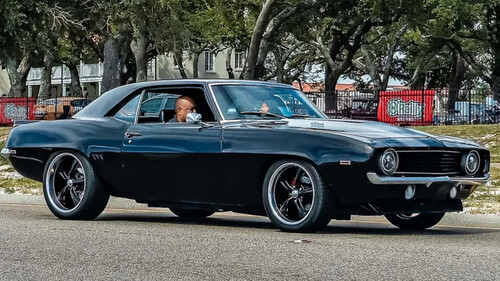
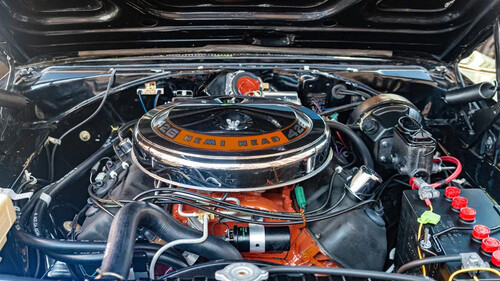
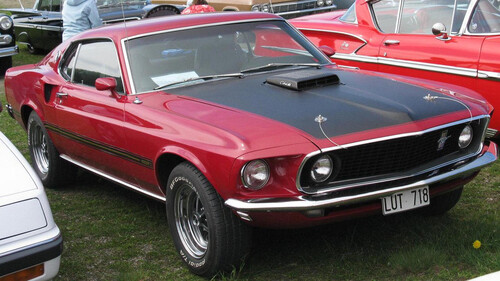
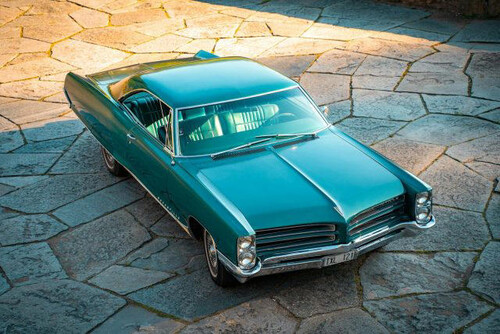
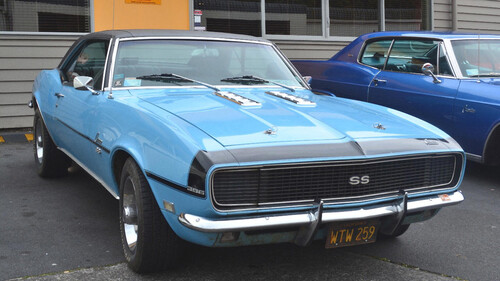
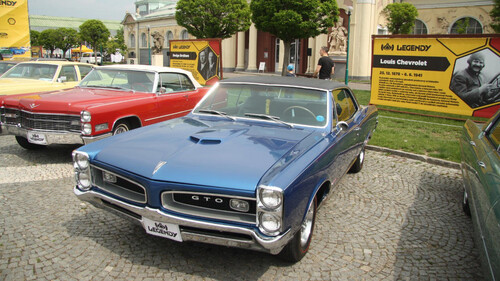
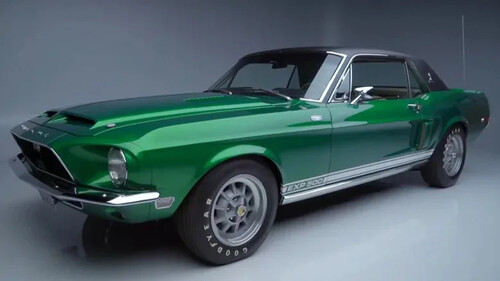
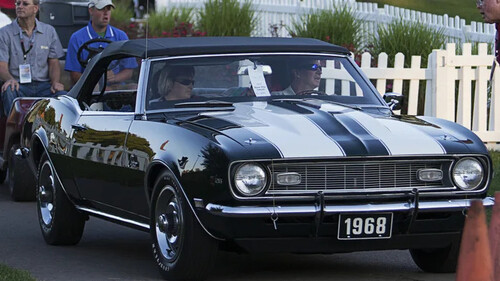
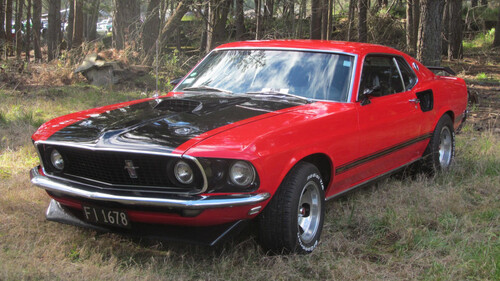
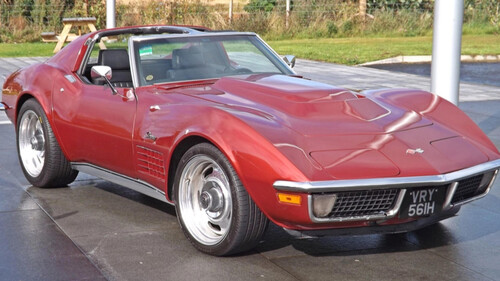
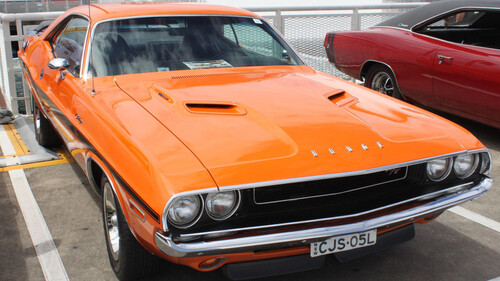
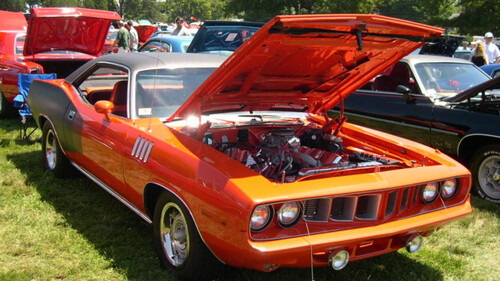
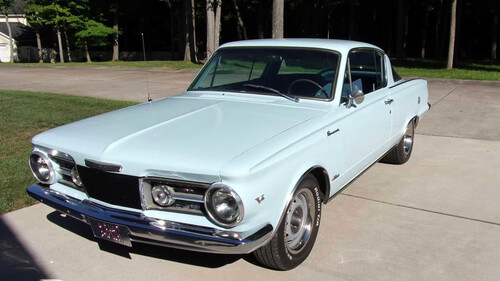
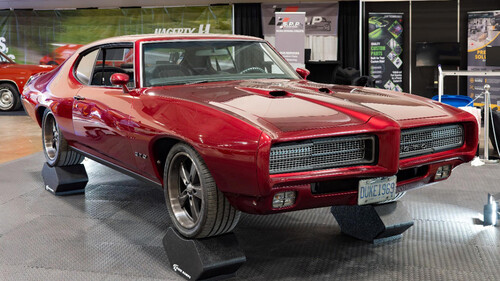
Classic Cars that Americans Still AdoreClassic cars are a part of American culture in a way that goes beyond mere nostalgia. These cars are a reflection of a day when automobiles were personality-driven, when one could spot a make from a block away, when driving an automobile was a different experience from what it is with modern computerized vehicles. Then there are classic cars, which are truly exceptional automobiles. While others continue because they encapsulated a particular time so accurately that they symbolize it. Either way, some cars continue to pull in crowds at car shows, command high prices at car auction sales, and get restoration jobs in home garage workshops years after production ceased.1967 Ford Mustang fastbackThe first-generation Mustang created the pony car segment, but the 1967 fastback refined the formula into something that still looks right today. The long hood, short deck proportions, and aggressive stance communicate pure American muscle. Steve McQueen drove one in “Bullitt,” which cemented its place in automotive mythology. Fastback Mustangs from this era show up at every car show and cruise night because they represent an ideal—affordable performance wrapped in styling that actually works. Values have climbed steadily, but these cars still trade hands regularly among enthusiasts who want to own and drive them, not just collect them.1957 Chevrolet Bel AirThe 1957 Chevy represents the pinnacle of 1950s automotive excess in the best possible way. Those tail fins, the chrome, the two-tone paint schemes—everything about the design screams confidence and optimism. Chevrolet built over a million and a half cars that year across all body styles, but the Bel Air convertible and hardtop remain the most desirable. The car appears in so many movies and TV shows that it’s become visual shorthand for the American 1950s. Restoration parts availability makes these cars relatively practical to own compared to other classics from the era.1969 Dodge ChargerThe second-generation Charger combined muscle car performance with styling that looked aggressive even when parked. The hidden headlights, the flying buttress rear window, and the long hood created a profile unlike anything else on the road. The car gained additional fame from “The Dukes of Hazzard,” though serious collectors prefer versions without the General Lee treatment. Original Hemi-powered Chargers command astronomical prices, but lesser-equipped versions still deliver the look and feel that make these cars special. The aftermarket supports restoration and modification extensively.1963 Chevrolet Corvette Sting RayThe C2 Corvette, particularly the split-window coupe from 1963, represents American sports car design at its peak. That divided rear window only appeared for one year, making it instantly recognizable and highly sought after. The car’s proportions, the hidden headlights, and the overall shape still look modern despite being over sixty years old. Performance was genuine too—these weren’t just pretty cars. The Sting Ray established the Corvette as a serious sports car rather than just a styling exercise. Values have remained strong for decades, and the split-window coupe continues climbing.1970 Plymouth BarracudaThe third-generation Barracuda arrived just as the muscle car era peaked, which means it captured everything right and wrong about that moment. Massive engine options, dramatic styling with that huge rear window, and performance that backed up the aggressive looks. Production numbers stayed relatively low, which keeps these cars rare and valuable. The car never achieved the fame of some competitors, which ironically makes it more appealing to enthusiasts who want something distinct. Convertible versions especially command attention at shows because they’re genuinely uncommon.1955 Ford ThunderbirdThe original Thunderbird created the personal luxury car category before that term existed. Ford positioned it against the Corvette but went for comfort and style over pure performance. The removable hardtop with porthole windows became iconic. The car’s proportions work perfectly—nothing looks awkward or overdone. First-generation T-Birds from 1955-1957 all share similar appeal, but the 1955 holds special status as the original. These cars show up consistently at high-end auctions and remain desirable to collectors who appreciate understated elegance over raw power.1968 Chevrolet CamaroThe first-generation Camaro was Chevrolet’s answer to the Mustang, and the 1968 model year represents the sweet spot before federally mandated changes started altering performance and styling. The car offered extensive customization options, which means almost every 1968 Camaro differs from the next. Z/28 and SS versions get the most attention, but even basic models with period-correct modifications draw interest. The aftermarket for these cars is massive, making restoration or customization straightforward. Values vary widely based on originality and equipment, but all first-gen Camaros have fans.1932 Ford Model B and hot rodsThe 1932 Ford, commonly called the Deuce, became the foundation of hot rod culture in America. The availability of flathead V8 power in an affordable, lightweight car made it perfect for modification. Hot rodders stripped them down, chopped the tops, and made them faster. Original, unmodified 1932 Fords are rare and valuable, but the hot rod versions carry equal cultural significance. The car represents American ingenuity and the DIY spirit that defined early car culture. Modern reproductions and kit versions keep the aesthetic alive for new generations.1970 Chevrolet Chevelle SS 454The Chevelle Super Sport with the 454 cubic inch big block engine represents the absolute peak of muscle car performance before emissions regulations and insurance costs killed the party. The LS6 version produced 450 horsepower from the factory, though real-world output likely exceeded that. The car combined genuine performance with styling that communicated power without being cartoonish. Original LS6 Chevelles trade for six figures now, but other SS 454 versions remain relatively attainable. The car’s reputation as one of the fastest muscle cars ever built keeps demand strong.1964 Ford Galaxie 500The mid-size Galaxie represented Ford’s full-size performance offering before muscle cars dominated the scene. The fastback roofline from 1963-1964 created dramatic styling that still looks purposeful. Big block engine options provided genuine performance in a car large enough for families. These cars competed in NASCAR, which gave them credibility beyond just boulevard cruising. Values haven’t climbed as dramatically as some other classics, which makes them accessible to enthusiasts who want classic American iron without paying Mustang prices. Restoration parts exist but require more hunting than mainstream classics.1966 Pontiac GTOPontiac created the muscle car template with the GTO in 1964, but the 1966 model refined the formula. The styling hit the right balance between aggressive and attractive. Performance backed up the looks with multiple engine options and handling that actually worked. The car succeeded in marketing and pop culture—”The GTO” by Ronny and the Daytonas helped cement its status. Original tri-power GTOs command premium prices, but the car’s influence extends beyond just high-dollar survivors. It proved that performance cars could sell in volume, which changed the industry.1969 Chevrolet Camaro ZL1The ZL1 Camaro represents the ultimate factory muscle car that almost nobody bought when new. Chevrolet built only 69 of them, and the massive aluminum big block engine cost more than some entire cars. The car existed primarily for racing homologation, but those few that went to private buyers became legends. Original ZL1s sell for millions when they surface. The car’s rarity and performance capabilities make it the holy grail for Camaro collectors. Tribute cars and clones exist because actual ZL1s are essentially unobtainable1970 Plymouth SuperbirdThe Superbird’s wild aerodynamic aids—the massive rear wing and nose cone—were designed for NASCAR but created one of the most distinctive street cars ever. The car looked ridiculous to many people in 1970, which hurt sales. That same outrageous styling makes it incredibly desirable now. Richard Petty drove one in NASCAR, adding racing credentials to the street version’s appeal. Original Superbirds with Hemi engines bring serious money, but all versions command respect at shows. The car proves that even automotive oddities can become cherished classics if they’re weird enough.1965 Shelby Cobra 427Carroll Shelby’s creation combined British styling from AC Cars with American V8 power in a package that delivered ridiculous performance. The 427 version took the concept to its extreme—too much power for the chassis in the best possible way. Original Cobras sell for seven figures, but the car spawned an entire industry of replicas and kit cars. The shape is instantly recognizable, and the performance reputation exceeds what most people can actually use. The car represents the American approach to sports cars—when in doubt, add more engines.1971 Plymouth Hemi Cuda convertibleSuch an automobile is the ultimate leader on the market regarding value and rarity. There were fewer than a dozen HEMI convertibles produced for Plymouth automobiles for 1971, and these are among the most scarce American muscle automobiles ever produced. There is simply something that surpasses all others when the ultimate engine is paired within a chassis that already embodies aggression and speed. Such an automobile is the ultimate rarity among collectors, and when one changes hands, it makes the news within the automotive community. Most aficionados will never set eyes on one.What keeps them relevantThese vehicles survive because they are about more than getting from point A to point B. These vehicles were part of a time when the design of the auto was not afraid to take risks; where what was produced was what the companies felt the need to create without the aid of the regulations of today or the testing of the focus group mindset, but also had a character all their own. Today’s models are better in every aspect of performance; however, the classic auto speaks to the heart in a way the new auto cannot. Keeping them is work, and that part is part of their allure. Each drive is a mission in a classic car because these are not appliances; they require attention to operate. This is what keeps people restoring, collecting, and celebrating these vehicles decades after they have made their useful contributions to history and have been relegated to obscurity.