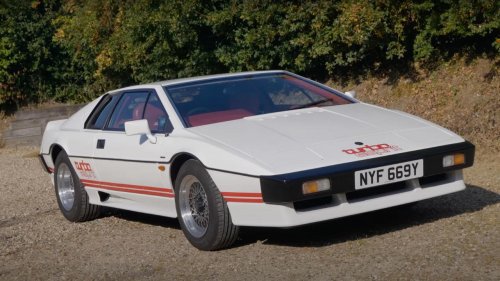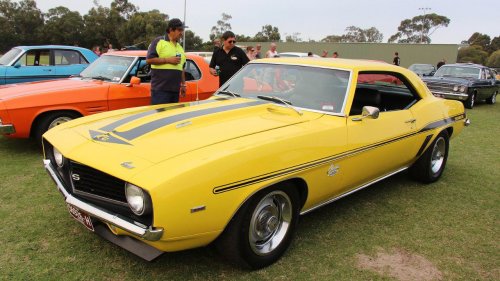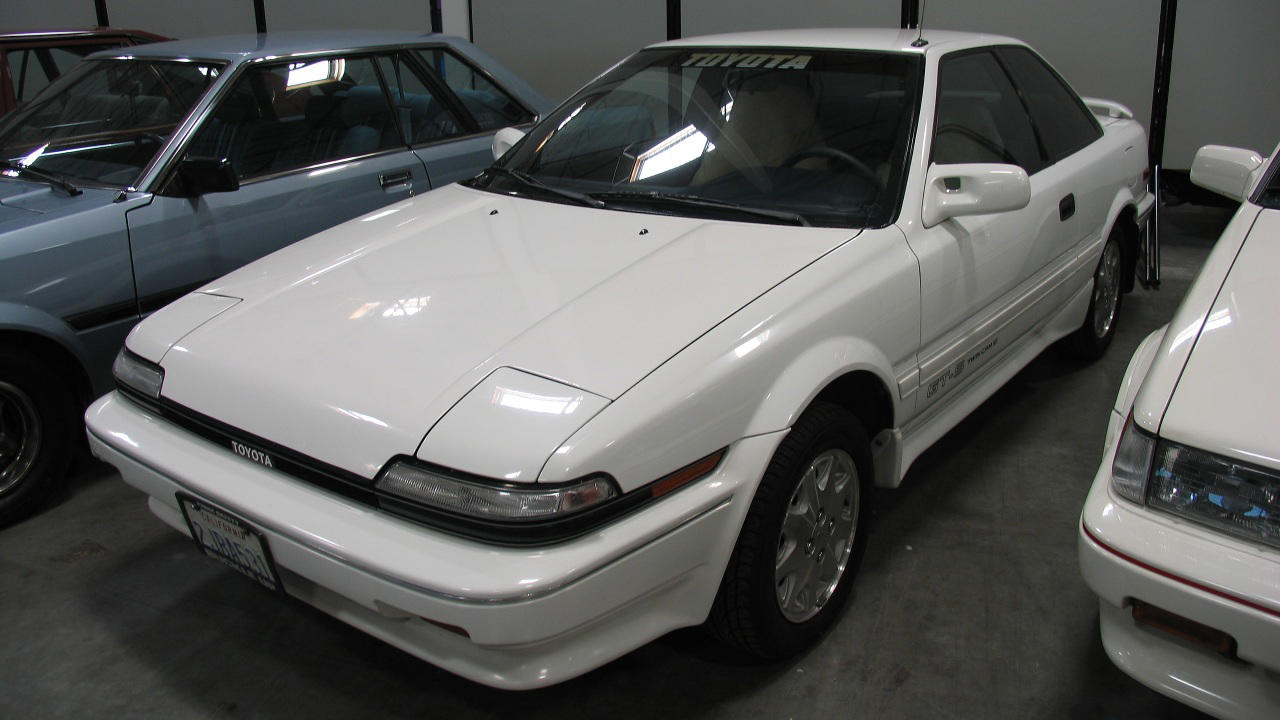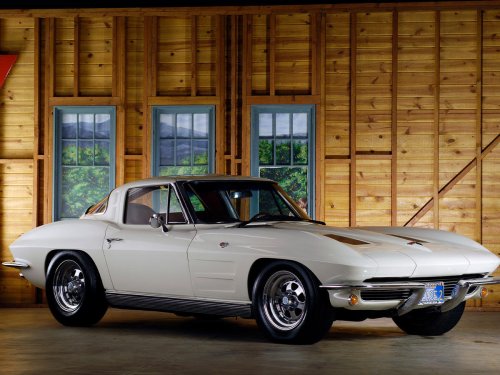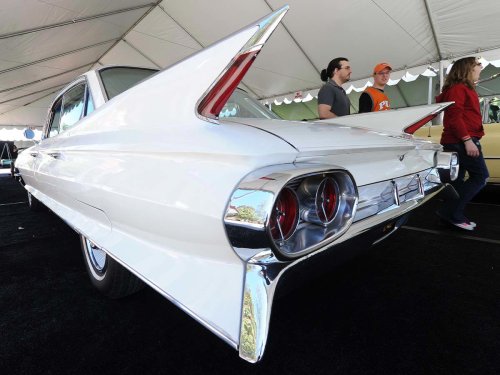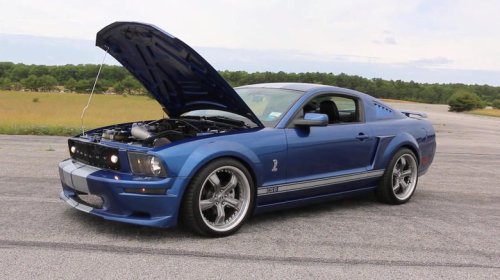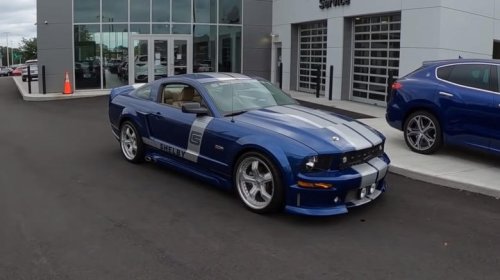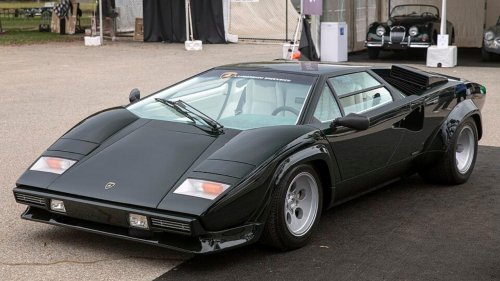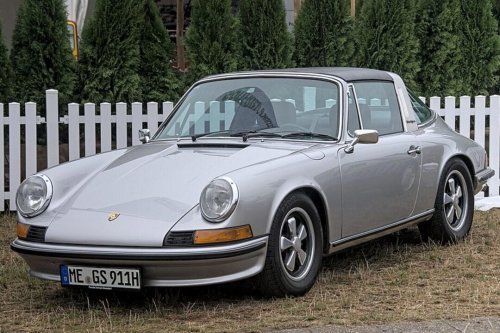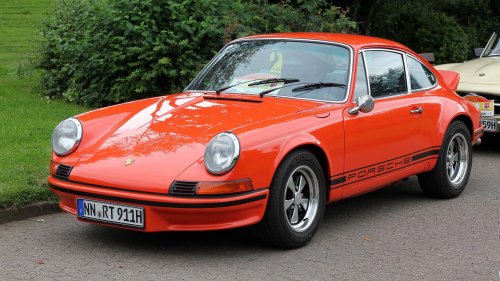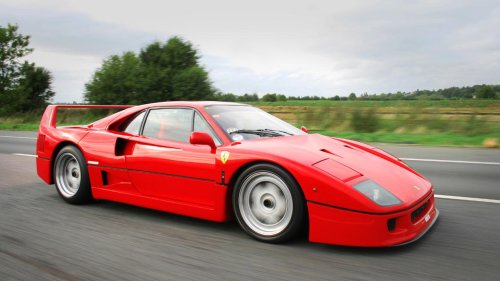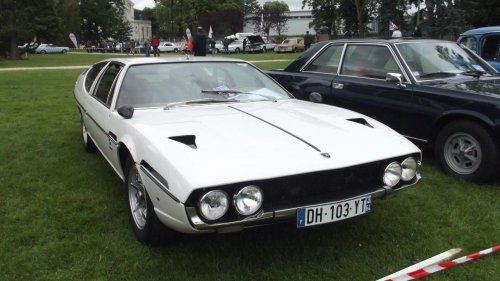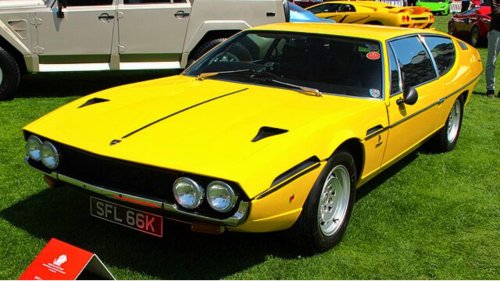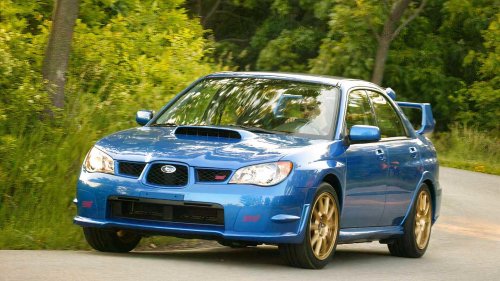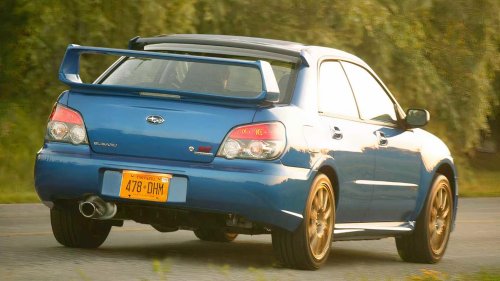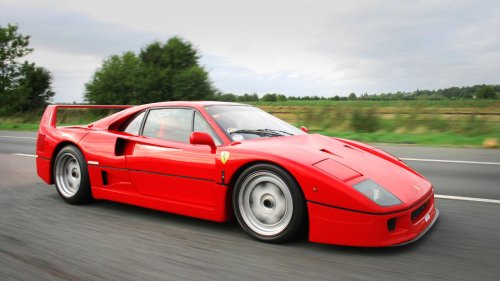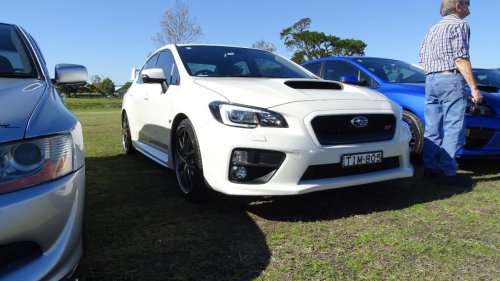
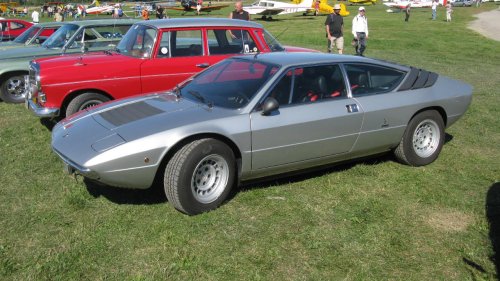
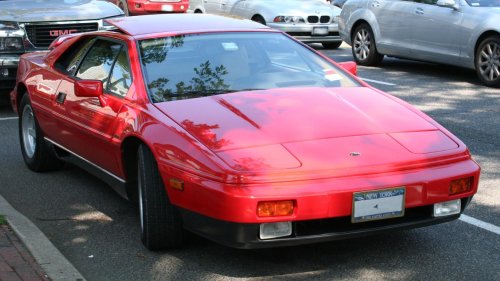
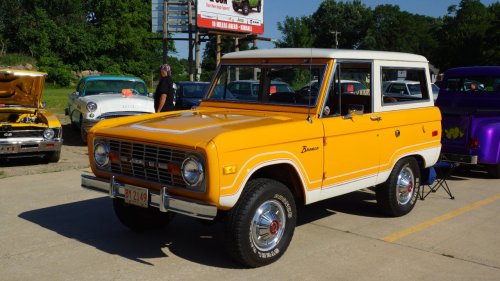
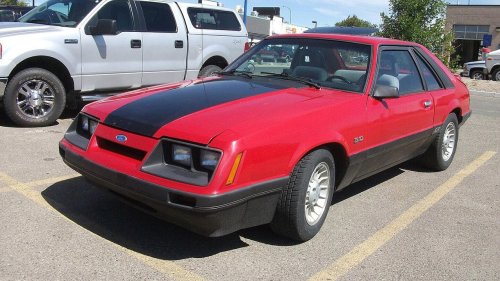
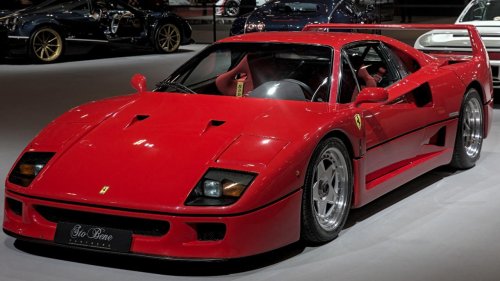
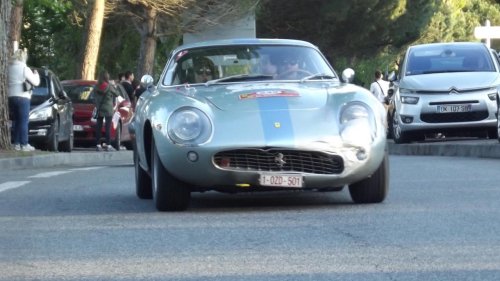
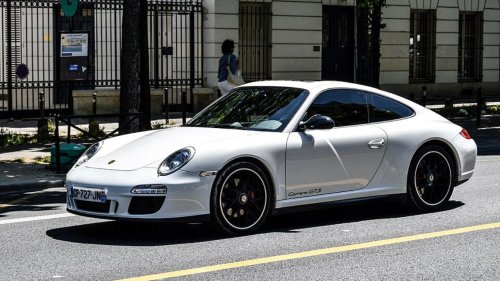
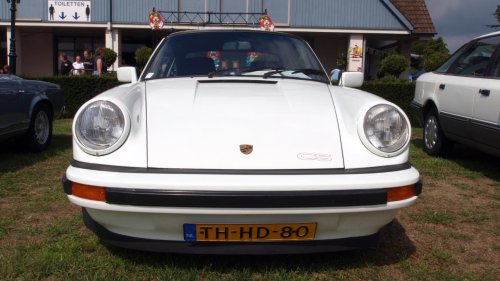
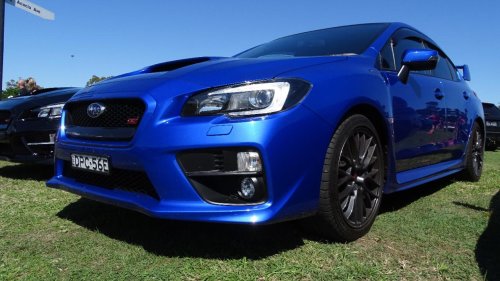



















You feel the difference the moment you slide into a classic performance car. The numbers might not match the latest hypercar, yet the way these machines pull, sound, and communicate still feels fast today. If you crave that raw rush more than lap-time bragging rights, these ten classics deliver speed you can sense in your hands, your ears, and your stomach.Lamborghini Urraco P300The Lamborghini Urraco P300 gives you a vivid reminder that classic performance can still feel modern-quick. Period testing of the 1976 car recorded 0 to 60 in 5.5 Seconds, a figure that puts this compact V8 coupe right in the mix with many newer sports cars. When you read about the Urraco in a list of Fastest Classic Cars Collect Today, you see how its acceleration and rev-hungry character still matter to enthusiasts. From behind the wheel, you notice how little insulation separates you from the engine. The steering feels alive, the pedal weights demand commitment, and the gearbox rewards a confident hand. That involvement means you experience every surge of speed in a way that can make even a modest straight stretch feel like a full-throttle event. For drivers who value sensation as much as statistics, the Urraco still feels genuinely fast.Lotus Esprit Turbo SEThe Lotus Esprit Turbo SE is one of those cars that proves a classic can still embarrass newer metal. Contemporary figures credit the 1990 Esprit Turbo SE with a 0 to 60 sprint in 4.8 Seconds, which puts it firmly in modern sports car territory. When you see that number attached to the Lotus Esprit Turbo, you understand why this wedge-shaped icon still earns respect at track days and highway on-ramps. On the road, the Esprit’s light weight and sharp chassis let you carry speed through corners in a way that feels almost telepathic. Turbo lag gives way to a hard mid-range punch that keeps you pinned as the revs climb. You work for the performance through a manual gearbox and firm controls, yet that effort is exactly what makes every quick run feel special. In a world of automatic everything, the Esprit’s pace still feels thrillingly immediate.Classic Ford BroncoThe Classic Ford Bronco might not be the first vehicle you picture when you think about speed, yet its performance still feels lively when you use it the way it was meant to be driven. In lists of icons such as the Classic Ford Bronco, you see it celebrated for rugged capability and character. That same torque-rich V8 grunt and short wheelbase also make it feel surprisingly urgent off the line. When you point a Bronco up a steep trail or merge into traffic, the way it surges forward gives you a sense of speed that goes beyond raw numbers. The upright driving position, thin pillars, and mechanical steering all heighten your awareness of motion. You feel the body lean, hear the engine work, and sense how quickly the scenery closes in on narrow roads. That immersive experience means the Bronco can still feel fast, especially on loose surfaces where traction is limited and every throttle input counts.Fox Body Ford MustangThe Fox Body Ford Mustang shows you how a relatively simple platform can still feel genuinely quick. When you see the Fox Body Ford Mustang listed alongside other legends like the Ford Mustang and Classic Ford in a group of Classic Ford models, you are reminded how its light weight and torquey V8 defined an era. Even today, a healthy 5.0 responds instantly when you dip into the throttle. From the driver’s seat, the Fox feels eager to spin its rear tires, which makes ordinary speeds feel dramatic. The long hood, low cowl, and simple analog gauges keep your focus on the road and the tachometer. Because the chassis is so tunable, many owners upgrade suspension and brakes, which tightens responses without dulling that raw surge. You end up with a car that can still surprise modern machinery on a back road and always feels faster than the spec sheet suggests.Ferrari F40The Ferrari F40 is the car you choose when you want a classic that still feels genuinely ferocious. In discussions of analog heroes such as the Ferrari F40, enthusiasts point to its twin-turbo V8, low weight, and stripped interior. You get thin carpeting, bare carbon, and a boost gauge that might as well be a heart-rate monitor for your right foot. On boost, the F40 delivers a violent rush that can make modern power feel almost too polished. You manage turbo lag, heavy controls, and a chassis that demands respect, which means every hard acceleration becomes a test of your focus. That intensity is why many drivers still describe it as one of the purest performance experiences you can have. Even if newer Ferraris are quicker, few make you feel speed as vividly as the F40 does.Ferrari 275 GTBThe Ferrari 275 GTB gives you a different flavor of speed, one built on balance and response rather than raw numbers. Enthusiasts who describe Driving the Mercer to understand early sports cars often mention the 275 GTB in the same breath as a benchmark of later grand touring performance. Its V12 pulls strongly across the rev range, and the transaxle layout gives you poise that still feels modern. When you hustle a 275 GTB along a winding road, you sense how quickly it covers ground through a mix of torque, gearing, and confidence. The car talks to you through the steering wheel and seat, letting you place it precisely. That communication makes 70 feel like 100, and it turns every overtake into an event. For you as a driver, the stakes are not lap records but the quality of each moment behind the wheel, which the 275 delivers in spades.Porsche 911 Carrera GTS (997)The Porsche 911 Carrera GTS The 997 g generation shows you how a modern-classic can still feel blisteringly quick without losing its analog charm. Reports on the Porsche 911 Carrera highlight how the 911 layout and naturally aspirated power keep enthusiasts hooked. You get strong acceleration, a wide torque band, and a chassis that flatters your inputs. From your perspective, what makes the 997 g feel fast is how accessible its performance is. You can use a large slice of its capability on real roads, enjoying the way it digs out of corners and surges past slower traffic. The steering still has genuine weight and feedback, and the brakes inspire confidence. That blend of speed and usability is why many drivers view this 911 as a sweet spot between classic feel and modern pace.Porsche 911 Carrera (1980s)The air-cooled Porsche 911 Carrera from the 1980s proves that you do not need huge horsepower to feel genuinely quick. Enthusiast guides to daily-drivable classics often single out the Porsche 911 Carrera for its blend of usability and pace. With relatively low weight over the driven wheels, the car hooks up hard out of tight bends and makes the most of every horsepower. When you drive one, the flat-six howl and rear-engine traction create a sense of speed that feels more intense than the numbers suggest. The steering is unassisted, so every small correction reminds you how quickly the front end is moving. Because you sit close to the windshield with a clear view of the fenders, you judge speed by how rapidly they track along the road. That intimacy with the car’s motions keeps the 911 feeling fast decades after it left the factory.Subaru WRX STIThe Subaru WRX STI shows you how a rally-bred sedan can age into a classic while still feeling urgent. When enthusiasts talk about modern icons like Subaru WRX STI together with exotic names such as Ferrari Modena and the 360 M, they are recognizing how these cars shaped a generation. The turbocharged flat-four, short gearing, and all-wheel drive combine to launch you down the road with real force. From your seat, the way the STI slingshots out of corners and across wet pavement makes it feel fast in all weather. The firm ride, prominent hood scoop, and mechanical noises keep you constantly aware of speed. Because you can use so much of its performance on real roads, the car encourages you to explore its limits more often than you might in a fragile exotic. That constant engagement is what keeps the STI feeling fresh and quick.