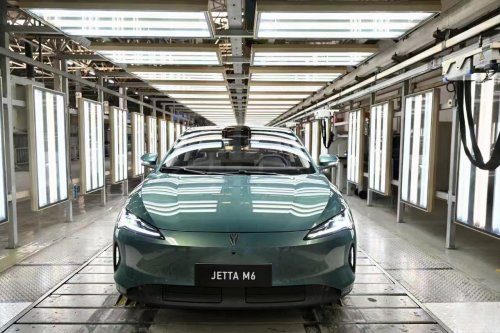
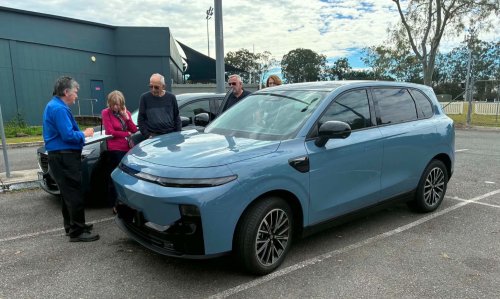
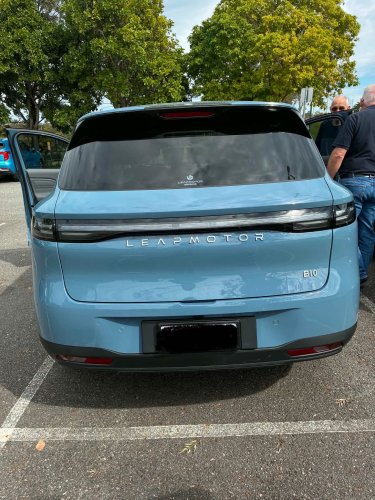
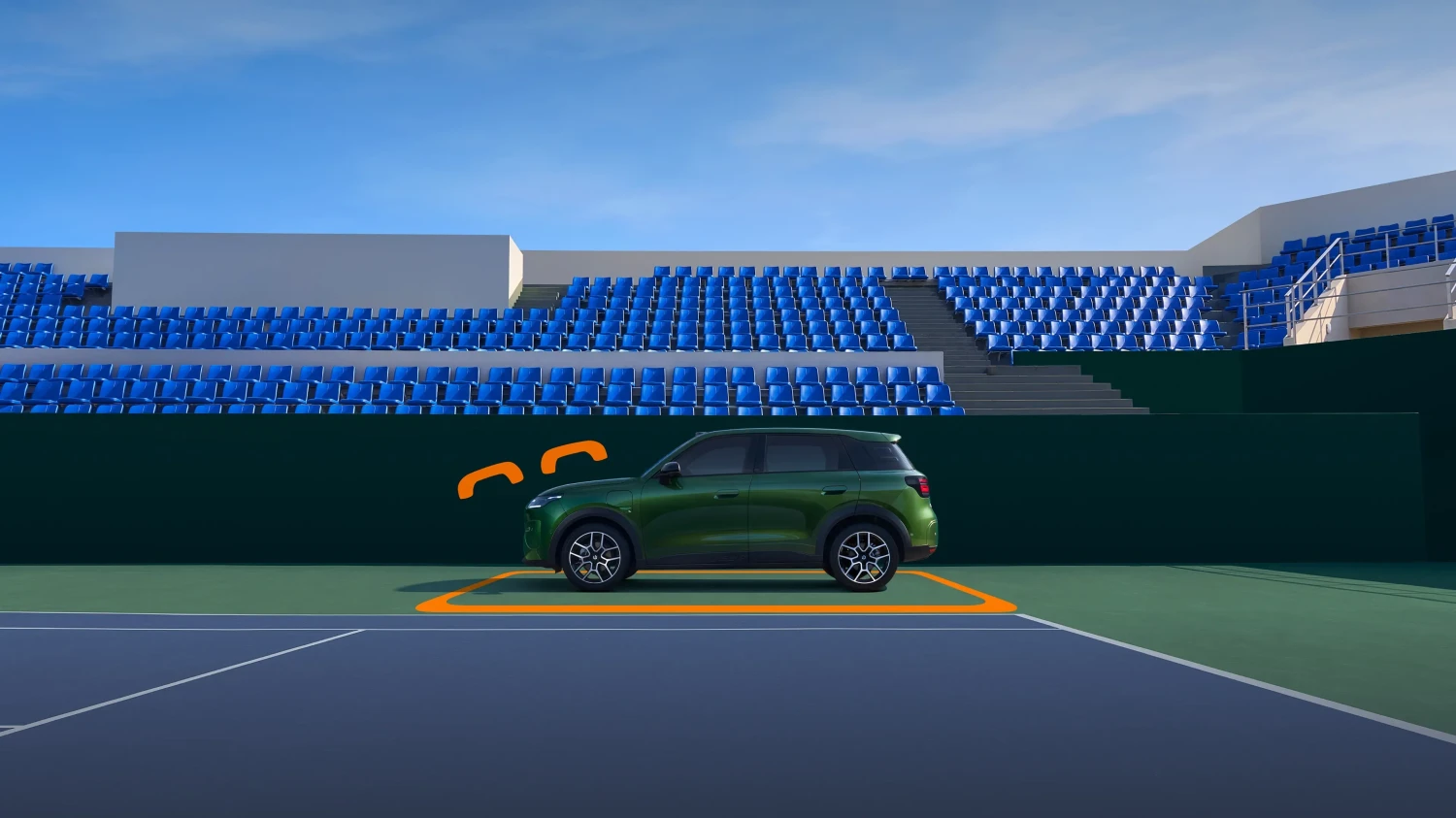
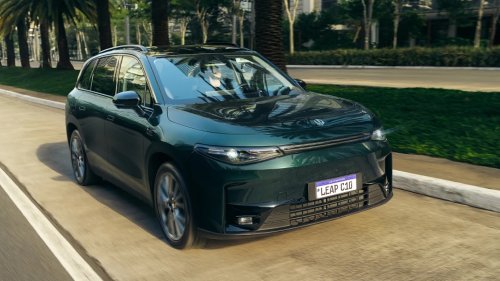
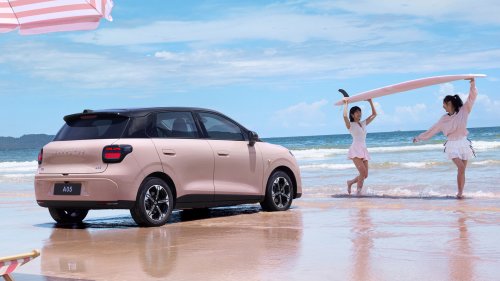
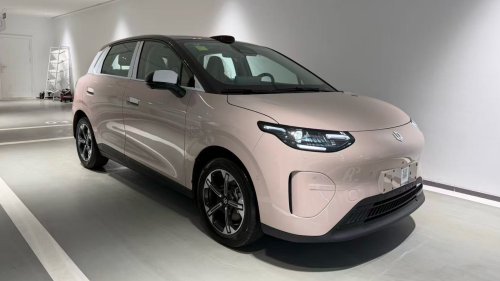
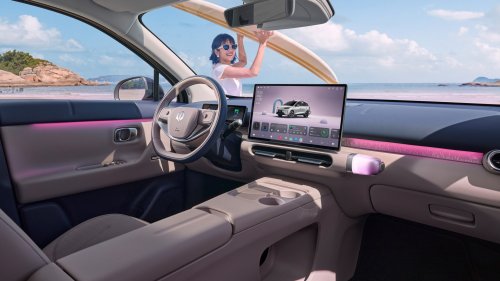
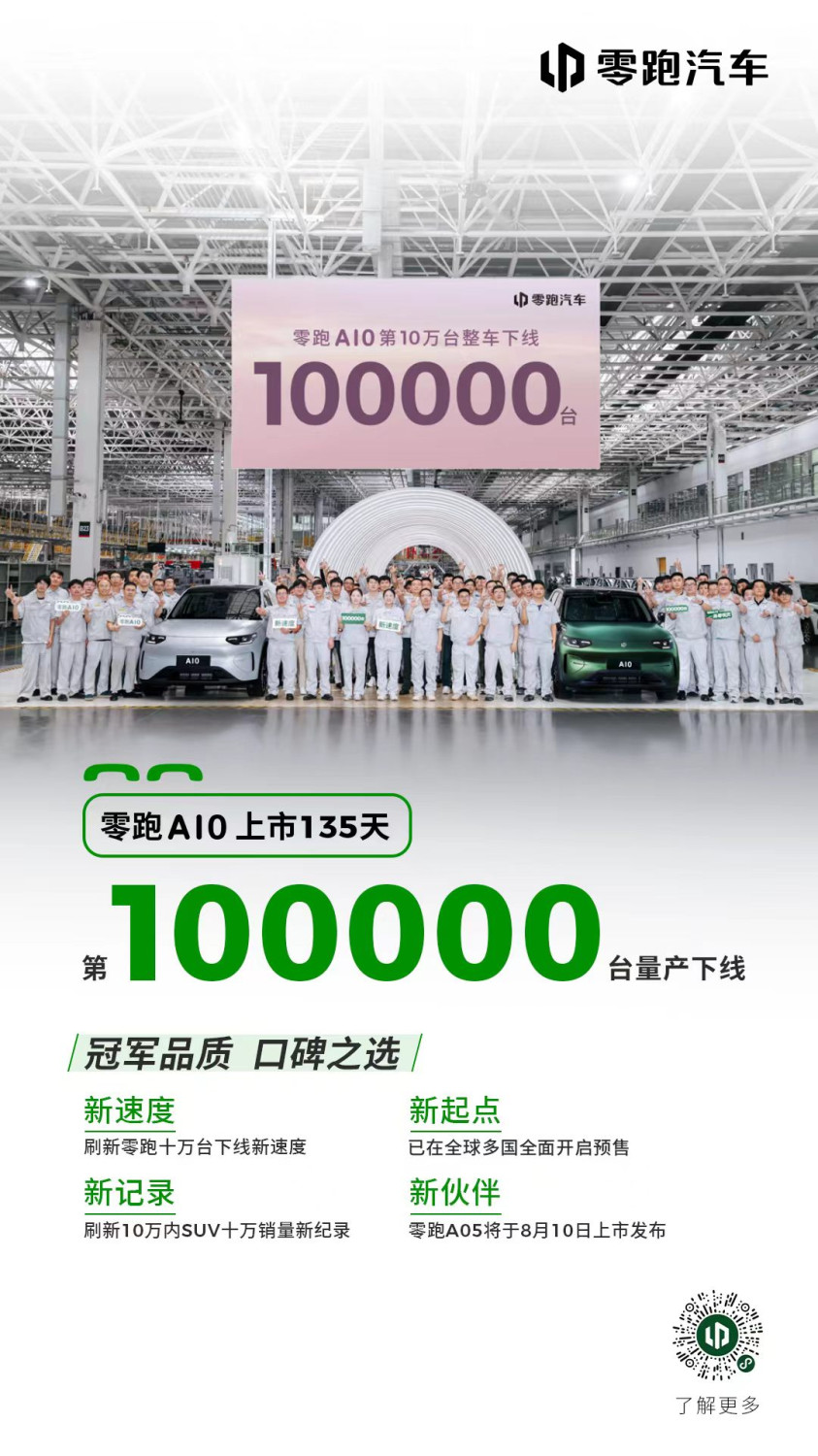
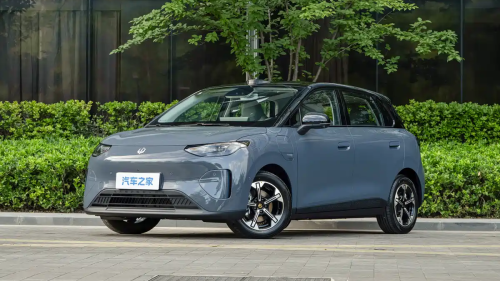
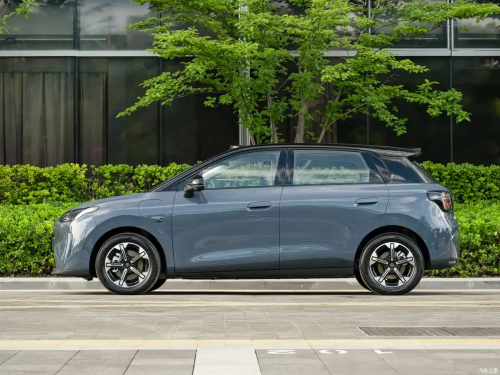
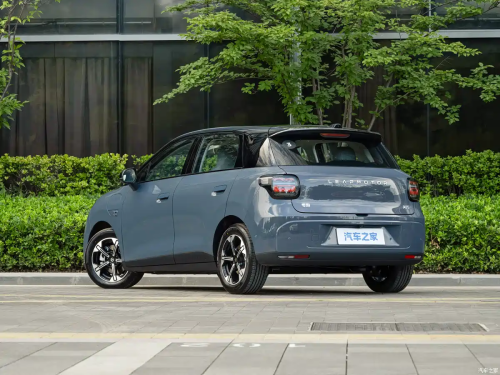
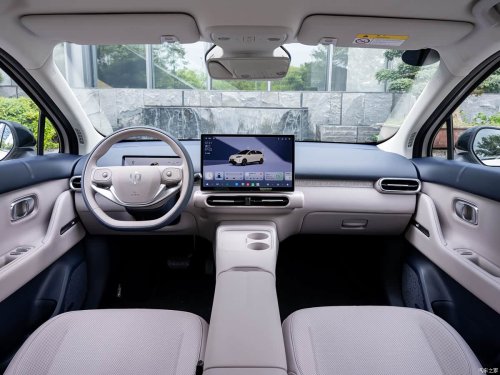
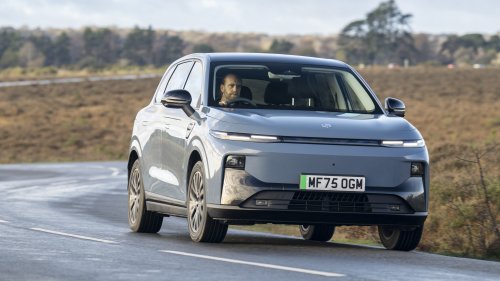
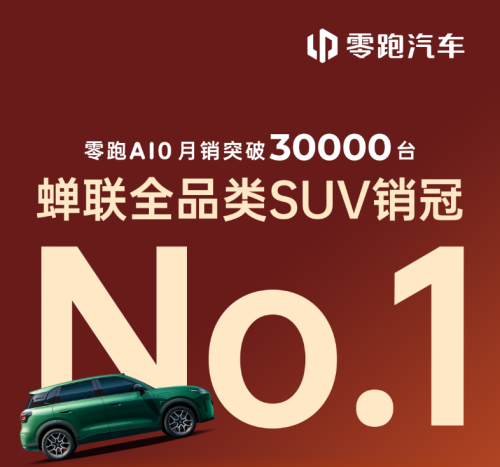
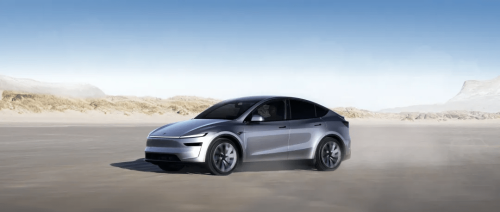
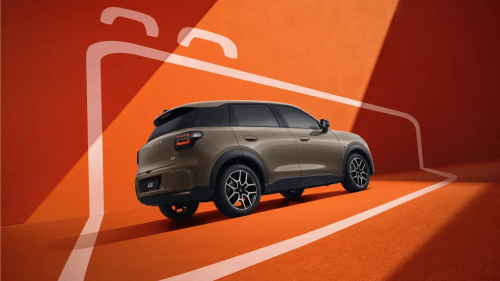
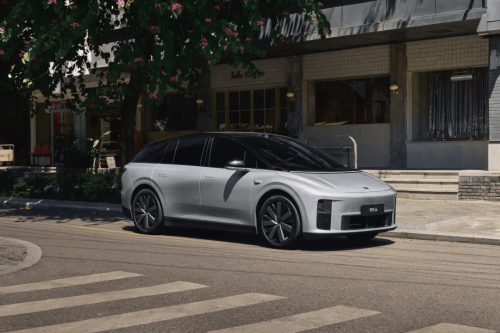
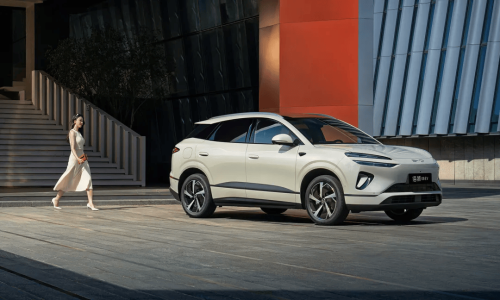
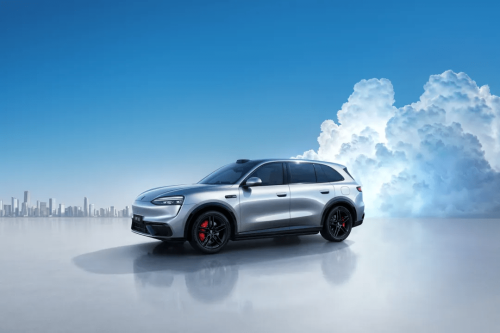
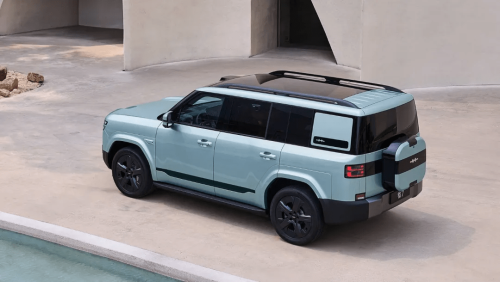
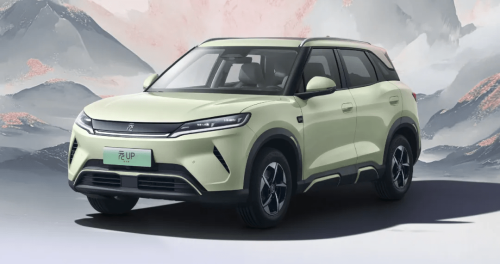
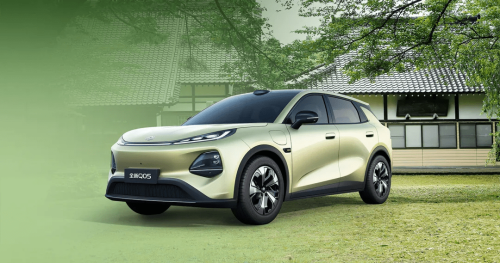
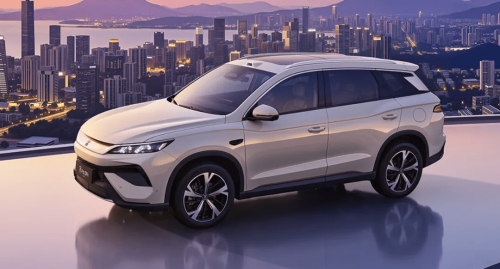
According to data from CPCA, the combined sales volume of the top 10 new-energy SUVs reached 186,575 units in May, up approximately 14% from 162,993 units in April. Looking at individual models, several trends stand out. What remained unchanged was that the Tesla Model Y rebounded from 22,990 units in April to 28,911 units in May, retaining its position as China’s best-selling new-energy SUV. What changed was the arrival of newcomers such as the Leapmotor A10 and AITO M6, reshaping the top-10 rankings once again. The entry of new models also meant some vehicles dropped out of the rankings. For example, the Deepal S05 slipped off the list, while Xiaomi’s YU7, which briefly exited the rankings in April, remained outside the top 10 in May with sales of 8,736 units. The rankings highlight how China’s new-energy SUV market has evolved into a highly competitive battleground spanning multiple price points and vehicle segments. The emergence of new contenders also suggests there remains significant room for disruption and growth within the segment. So which new-energy SUVs performed best in May? Let’s take a closer look at the CPCA data. No. 1 Tesla Model Y: 28,911 Units Tesla sold 28,911 Model Y units in May, up approximately 25.8% month-on-month and 16.7% year-on-year, maintaining its position as the best-selling new-energy SUV. Compared with April, the Model Y’s recovery was significant, widening its lead over the second-place model to 6,605 units. Tesla Model Y May and June are traditionally stronger months for Model Y sales in China. However, competition is intensifying rapidly, with a growing number of battery-electric SUVs entering the RMB 250,000 ($36,900) segment. Beyond Xiaomi’s YU7, new models such as the Voyah Zhuguang S and Luxeed RX are also targeting the category. The Model Y’s sales performance demonstrates its strong customer base. The key question is how long Tesla can maintain its lead as Chinese rivals continue improving charging infrastructure, driver-assistance capabilities and pricing competitiveness. No. 2 Leapmotor A10: 22,306 Units The Leapmotor A10 emerged as one of the biggest surprises in May’s rankings. The model sold 22,306 units in May, up approximately 55.2% from April, climbing from sixth place to second. Leapmotor A10 Its rapid sales growth suggests strong demand in China’s sub-RMB 100,000 ($14,800) battery-electric SUV segment. Leveraging an aggressive value-for-money strategy, the A10 offers a 505-km range and lidar-equipped advanced navigation-assisted driving at a price below RMB 100,000 ($14,800). According to dealership staff, most buyers have opted for the top-spec lidar-equipped version. That does not mean the A10’s position is secure. The updated BYD Yuan UP is expected to bring both lidar and longer range into the same price bracket, potentially increasing competitive pressure. Whether monthly sales above 20,000 units represent a sustainable level or merely reflect launch-period momentum will become clearer after June’s results. No. 3 Li i6: 20,878 Units Li Auto sold 20,878 units of the i6 in May, down approximately 0.7% from April, while remaining firmly among the top three best-selling new-energy SUVs. The model has now maintained monthly sales above 20,000 units for multiple consecutive months, establishing itself as a key contributor to Li Auto’s battery-electric expansion strategy. Li i6 As a midsize pure-electric SUV positioned similarly to the Tesla Model Y, the i6 has become one of Li Auto’s most important volume drivers as the company broadens its product portfolio beyond extended-range vehicles. The challenge going forward will be sustaining momentum as competition intensifies in the highly contested RMB 200,000-300,000 ($29,500-$44,300) SUV segment. No. 4 BYD Sealion 06: 18,856 Units The BYD Sealion 06 ranked fourth in May with sales of 18,856 units. Breaking down the powertrain mix, the battery-electric version accounted for 14,868 units, while the plug-in hybrid variant sold 3,988 units. BYD Sealion 06 The EV version represented approximately 78.9% of total sales and remained the dominant contributor. According to BYD’s official website, the company updated its June purchase incentives. Most benefits are extensions of May’s offers, including zero-down-payment financing with five-year loan terms, zero-interest financing with a minimum 50% down payment and 24-month repayment period, as well as one year of complimentary ultra-fast charging. Second-generation Blade Battery technology and Flash Charging 2.0 have helped strengthen the Sealion 06’s competitiveness in the RMB 150,000 ($22,100) SUV segment. However, growing overlap within BYD’s own lineup could create pressure. Models such as the Song Ultra, which sold 9,961 units in May, along with other Ocean and Dynasty series offerings, may increasingly compete for the same customers. Whether the Sealion 06 can return to monthly sales above 20,000 units remains a key question. No. 5 AITO M6: 18,148 Units The AITO M6 was the biggest new entrant in May’s rankings. May marked the model’s first full delivery month, during which it recorded 18,148 sales, up approximately 380.9% from April. AITO M6 It entered the new-energy SUV top 10 for the first time and immediately secured fifth place. Positioned as a midsize-to-large SUV, the AITO M6 sits below the AITO M7 in the lineup while retaining key features such as Huawei Qiankun intelligent driving, an 896-line lidar system, and both extended-range and battery-electric powertrain options. Its strategy is straightforward by leveraging AITO’s brand strength to target the mainstream five-seat SUV market while offering advanced intelligent-driving technology and multiple powertrain choices to compete directly with models such as the Li Auto L6 and Li Auto i6. The first full delivery month naturally benefited from launch momentum, while production ramp-up may also have contributed. As a volume-oriented product, its ability to sustain monthly sales of 15,000 units or more could significantly influence AITO’s competitiveness in the RMB 250,000-300,000 ($36,900-$44,300) segment. No. 6 Fangchengbao Ti 7: 17,510 Units Fangchengbao sold 17,510 units of the Ti 7 in May, up approximately 23.3% month-on-month, moving from seventh place to sixth. The plug-in hybrid version remained the primary contributor with 16,247 units sold, while the battery-electric version accounted for 1,263 units. Fangchengbao Ti 7 This reflects the rollout schedule of the Ti 7 Flash Charging Edition, which launched at the end of April and began deliveries in mid-May. As a result, May’s EV sales only represent an initial delivery phase rather than a full month of market performance. The Ti 7 has already demonstrated Fangchengbao’s growing presence in the “boxy SUV” segment. The PHEV version drives volume, while the fast-charging EV version addresses urban commuting and charging-efficiency needs. The benefits of this dual-powertrain strategy may become more apparent in the coming months. Competition in China’s boxy-SUV market is expected to intensify throughout 2026 as automakers including Great Wall Motor and GAC introduce rival products. No. 7 BYD Yuan UP: 17,043 Units BYD sold 17,043 units of the Yuan UP in May, up approximately 8.8% from April and 30.6% year-on-year, ranking seventh. Sales remained relatively strong, and unlike April, the model managed to post a modest rebound rather than continuing to decline. BYD Yuan UP However, competition in the compact electric SUV segment is becoming increasingly intense. The Leapmotor A10 surged to second place in May, attracting buyers with its pricing, range and intelligent-driving features. BYD’s upcoming facelift may be critical to maintaining competitiveness. According to the company, all future models will offer the DiPilot B system as an option, meaning the updated Yuan UP is also expected to gain urban navigation-assisted driving capability. The key issue is pricing. DiPilot B carries an optional price tag of RMB 12,000 ($1,770), which may not appeal to every buyer. Whether the updated Yuan UP can effectively counter the challenge from the Leapmotor A10 may depend largely on the final pricing strategy. No. 8 Changan Nevo Q05: 15,954 Units The Changan Nevo Q05 sold 15,954 units in May, up approximately 0.9% from April. After strong growth in April, the Q05 entered a more stable phase in May. Changan Nevo Q05 However, intensified competition pushed its ranking down from fourth place to eighth. Its primary strengths remain affordability and distribution channels. Steady sales growth may have been supported by the launch of the 506Pro+ and 506Max+ variants in April, which increased range by 101 km. Changan also partnered with Tmall to offer exclusive subsidies and online-only versions, enhancing the vehicle’s competitiveness. For now, the strategy appears to be helping maintain stable market performance. Still, the compact SUV segment remains one of the most fiercely contested categories in China, meaning future growth will depend heavily on promotional incentives and channel efficiency. No. 9 BYD Song Pro EV: 15,497 Units BYD sold 15,497 units of the Song Pro EV in May, up approximately 23.5% month-on-month and 7.3% year-on-year, demonstrating continued resilience. As a long-standing member of the new-energy SUV top 10, resilience has become the Song Pro EV’s defining characteristic. BYD Song Pro EV Despite continuous launches from competitors, it has consistently maintained monthly sales around 15,000 units. Its challenges are equally clear. The compact SUV segment is becoming increasingly crowded, while internal competition from models such as the Sealion 06, Sealion 05 and Song Ultra is intensifying. Without a major model update, how long the Song Pro EV can sustain its current sales level remains a key area to watch. No. 10 NIO ES8: 11,472 Units The NIO ES8 was the only full-size SUV to make May’s new-energy SUV top 10. The model sold 11,472 units in May, down approximately 11.9% from April but up an extraordinary 3,828.8% year-on-year, securing 10th place. NIO ES8 Despite the monthly decline, it remained the best-selling full-size new-energy SUV in China. Within the full-size new-energy SUV category, NIO Inc. now has four models represented. Alongside the NIO ES8 and ONVO L90, the newly launched NIO ES9 and ONVO L80 also entered the rankings, further strengthening the company’s position in the large battery-electric vehicle segment. For NIO, the ES8 has successfully maintained its standing in the three-row electric SUV market. Looking ahead, the five-seat ES8 variant, the new ES9, and ONVO’s expanding large-SUV lineup will play an important role in determining the company’s future performance in the segment.



















 +14 others