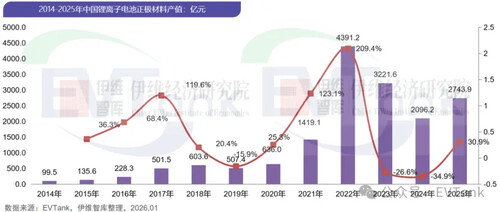
Amelia Scott · 6 months ago@ameliascott47China’s sodium batteries switch to cheaper, longer-lasting cathodes as older chemistry gradually declines Liked by+31 othersPost commentRelated PostsThe overlooked sedan that quietly lasts longer than most luxury cars 36 · Gabriel Labelle · 5 months ago10 cars that quietly last longer than drivers expect 16 · Kaitlyn Nelson · 5 months ago7 vehicles that were clearly built to last longer than expected 78 · Oliver Mitchell · 5 months ago9 cars engineered to last longer than expected 55 · Lily Lavoie · 5 months agoThe surprising reason some engines last longer with less power 79 · Samuel Wright · 5 months ago5 ways to make your tires last longer 75 · Mia Lee · 6 months ago'Ecoboost Is Fine. No Issues With Mine And It’s Done 160K': How Can You Make A Ford Ecoboost Engine Last Longer? 44 · Victoria Bouchard · 7 months ago'That Fix Will Last Longer Than a Cybertruck:' Neighbor Catches ‘Mobile Mechanic’ Fixing Rust In Van. There’s Just One Problem 94 · Camille Brown · 11 months agoJapan's 90% Lithium Recovery: The Battery-Recycling Chemistry Trick Explained 56 · Noah King · 3 months agoREPT BATTERO Unveils Flash-Charging Battery, Dual Solid-Liquid Hybrid Chemistry, and Next-Gen Commercial Vehicle Solutions 46 · Logan Bouchard · 5 months agoLi Auto Reveals In-House Battery Rollout Plan; Entire Lineup to Gradually Adopt Them 80 · Henry Brown · 1 months agoChina is gradually phasing out sudsidies for new energy vehicles 65 · Sophie Harris · 1 months agoHunan Yuneng plans cathode material factory in Spain 75 · Connor Scott · 5 months agoChina’s LFP Cathode Shipments Hit 3.94 Mt in 2025 as Market Share Nears 80% 88 · Liam Harris · 6 months agoAnother Auto Show Bites The Dust Amid Declining AttendanceRyan Johnson · 16 days agoSubaru EV Sales Jumped 21%, Despite Huge Solterra Decline 66 · Morgan Moreau · 1 months agoJuly Residual Values Decline Across the Board, Who Is Holding Firm? 10 · Nicole Macdonald · 2 months agoCPCA Forecasts Seasonal Decline in July Auto Market, NEV Penetration Expected to Hit New High 63 · Matthew Rogers · 2 months agoThe Decline Button On Toyota.com Was Allegedly There For Show 79 · Lauren Harris · 3 months agoEndgame: The Decline & Fall of the Western Automotive Industry 51 · Emma Harris · 3 months ago



 +31 others