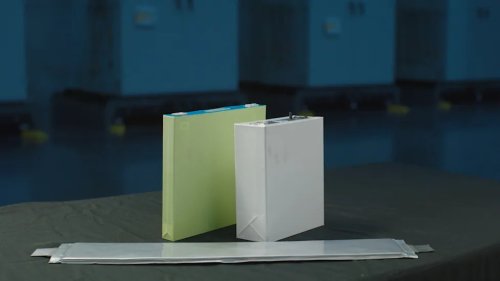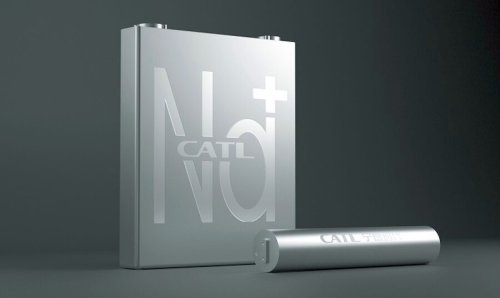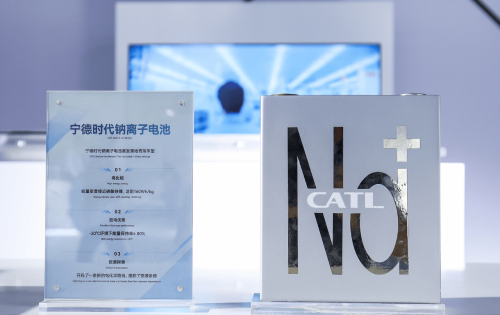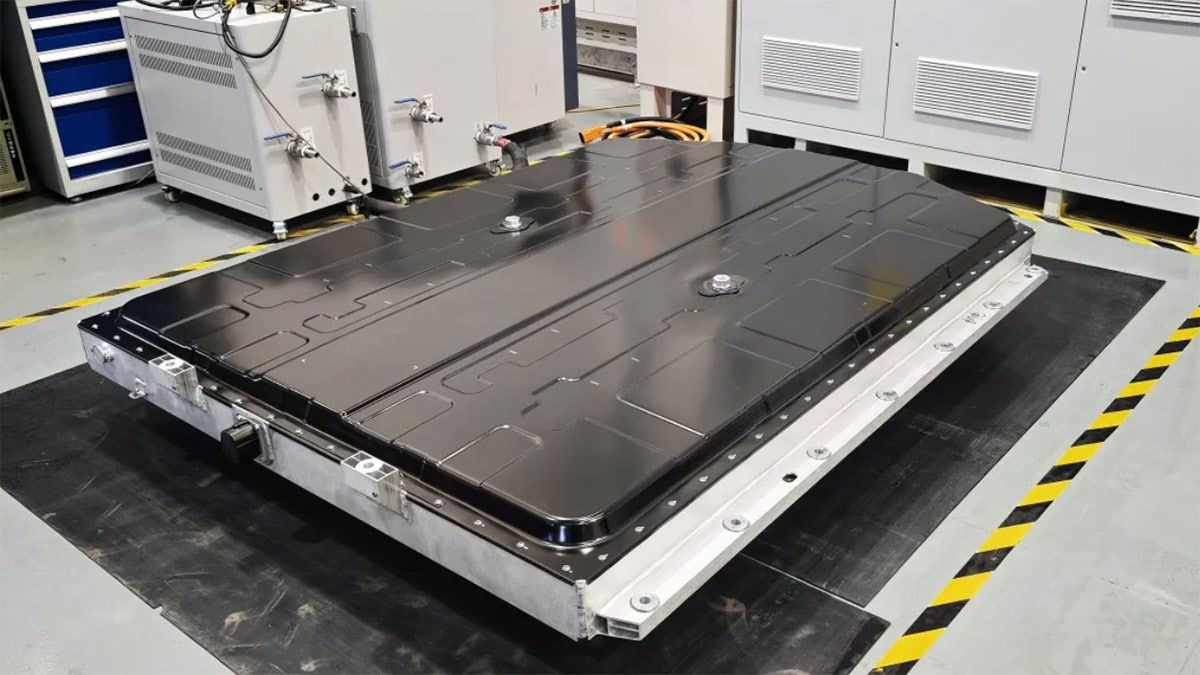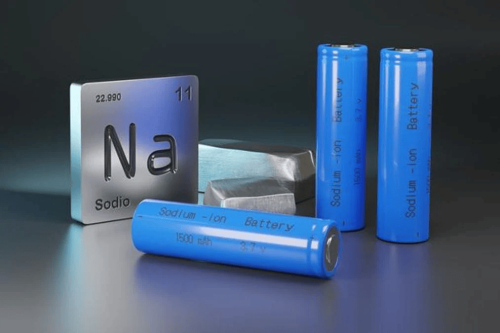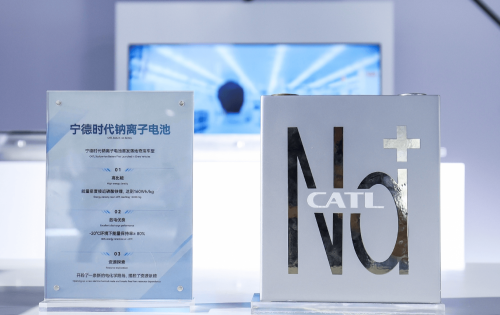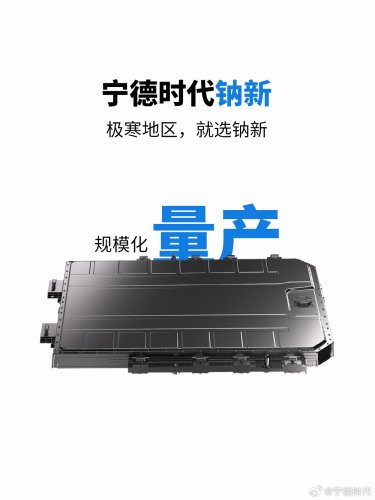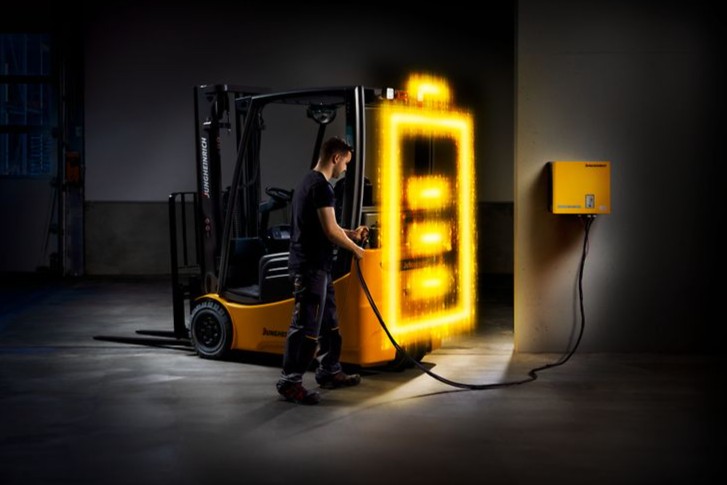



















Electric forklift by Jungheinrich (archive image)Image: JungheinrichIn the past, materials handling equipment, such as forklifts, tractors and tugger trains, relied primarily on diesel or lead-acid batteries for power. Over a decade ago, Jungheinrich became the first manufacturer to introduce lithium-ion battery-powered materials handling equipment to the market, bringing the advantages already known from electric cars—such as high energy density and short charging times—to intralogistics. By as early as 2017, Jungheinrich had secured its first large-scale order for over 1,000 units of lithium-ion battery-powered materials handling equipment. Since then, the company has continued to innovate, unveiling products like the high-voltage electric forklift FalcOn.Jugendheinrich did not stop at lithium-ion batteries. The manufacturer has now begun field tests with customers to trial materials handling equipment powered by sodium-ion batteries. This more cost-effective and sustainable alternative to lithium-ion batteries relies on globally abundant raw materials – sodium can be sourced from sea salt, for example. Sodium-ion batteries contain no critical materials such as lithium or cobalt and are expected to offer high safety levels and strong performance in extreme temperatures.“We are working intensively on new battery technologies so that we can continue to offer our customers high-performance, sustainable and cost-effective solutions in the future,” explains Martin von Werder, Head of Technology Development at Jungheinrich. The company is collaborating closely with international cell manufacturers and research partners to further develop the technology and tailor it to the specific requirements of intralogistics. Initial laboratory and field tests have already provided valuable insights into the lifespan, performance and safety of these batteries.Jungheinrich has not disclosed which customers are trialling the sodium-ion battery-powered materials handling equipment or the specific types of equipment involved. However, the Hamburg-based company stated, “By testing the sodium-ion battery, Jungheinrich is reaffirming its commitment to embracing innovation at an early stage and playing an active role in shaping it. The aim is to pass on the benefits of new technologies to customers as quickly as possible, thereby contributing to sustainable and future-proof logistics.”jungheinrich.com