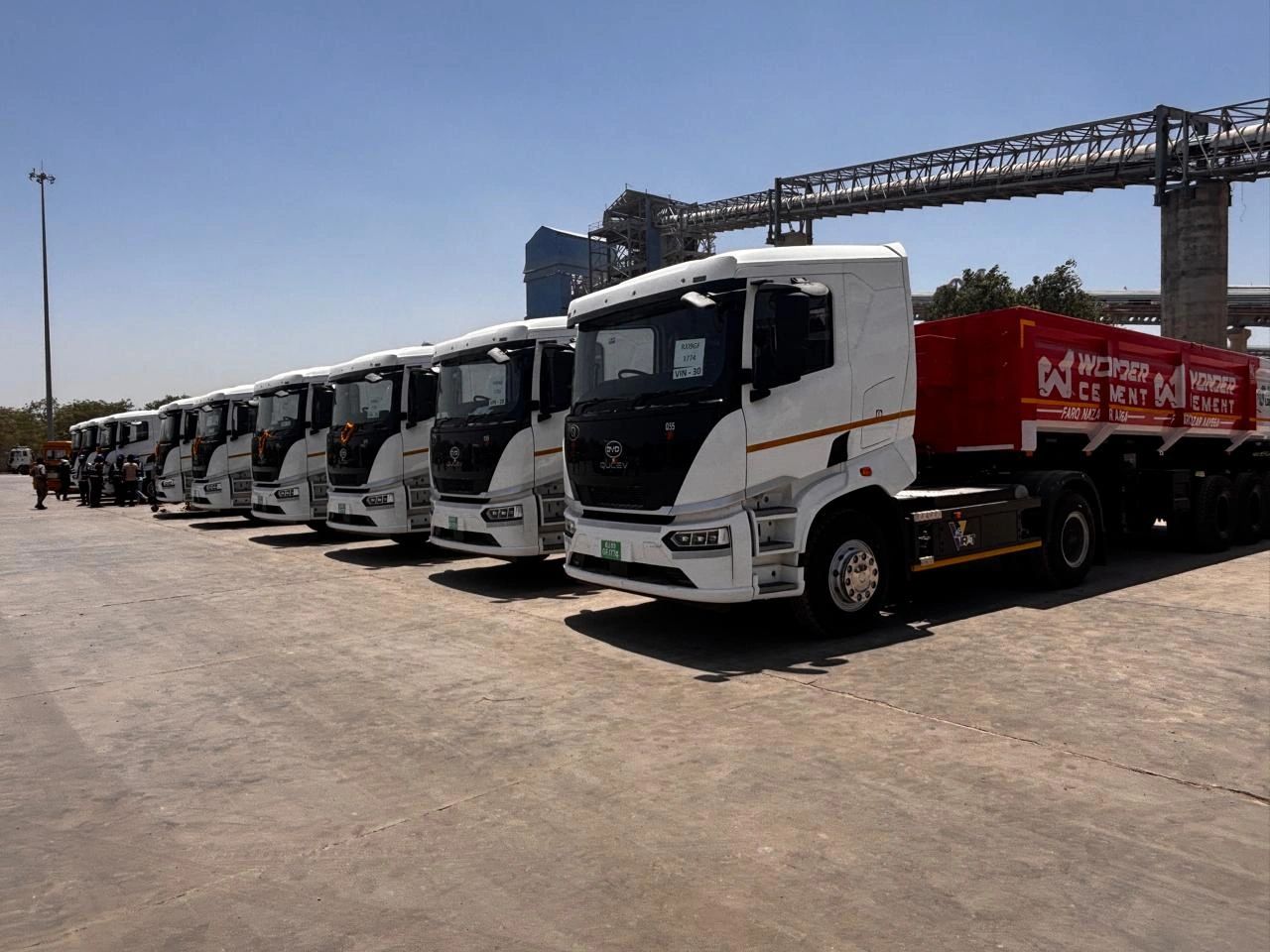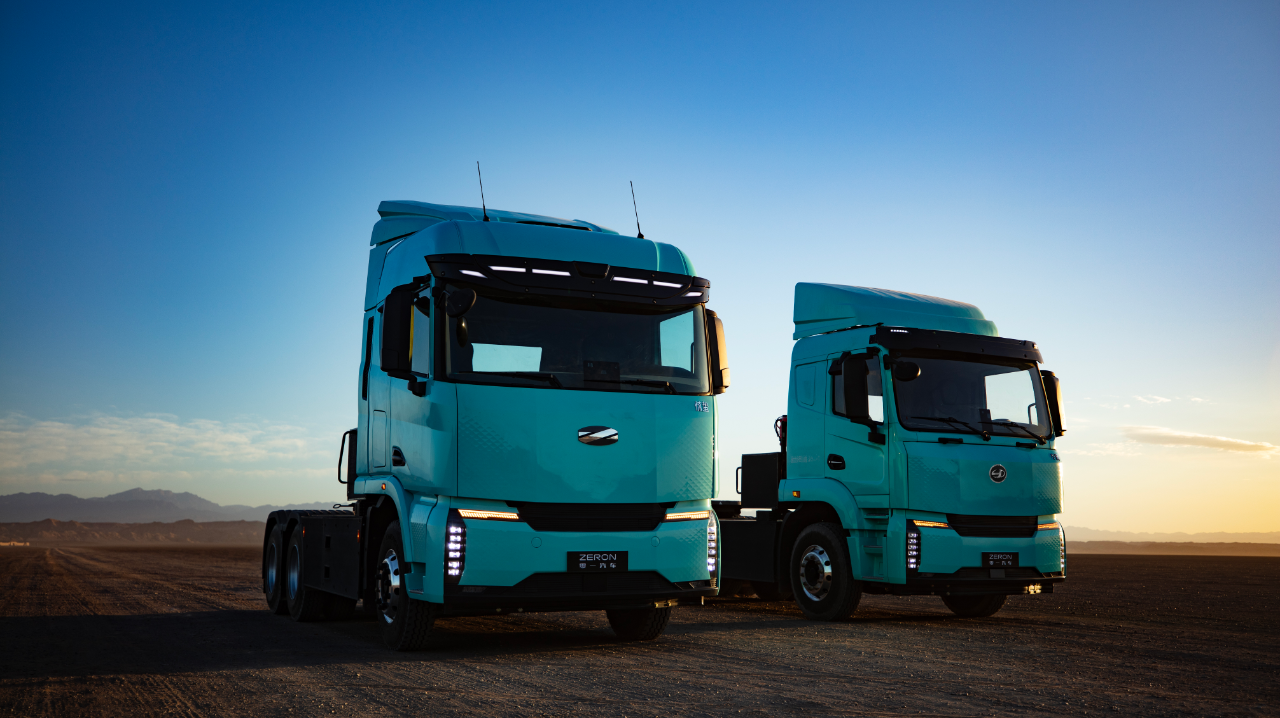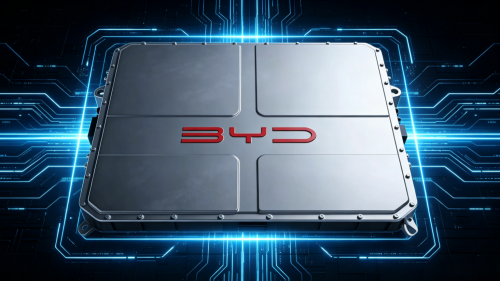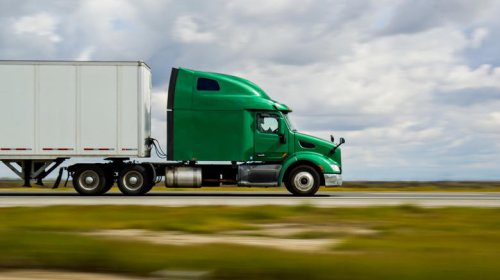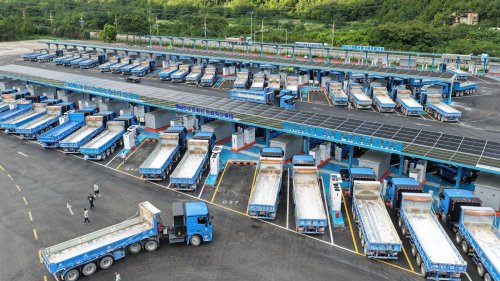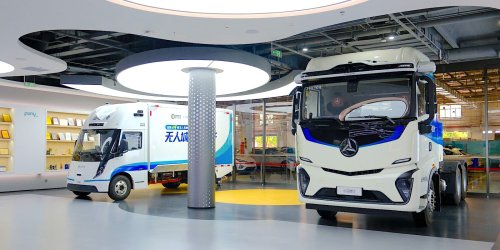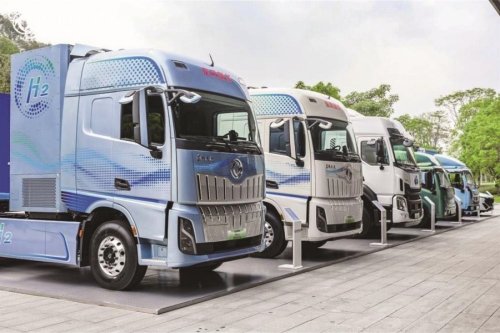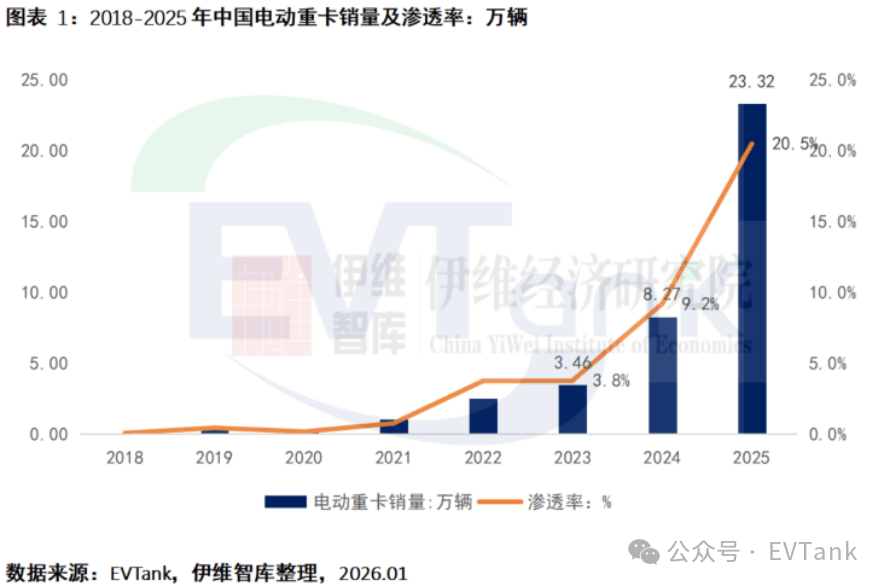
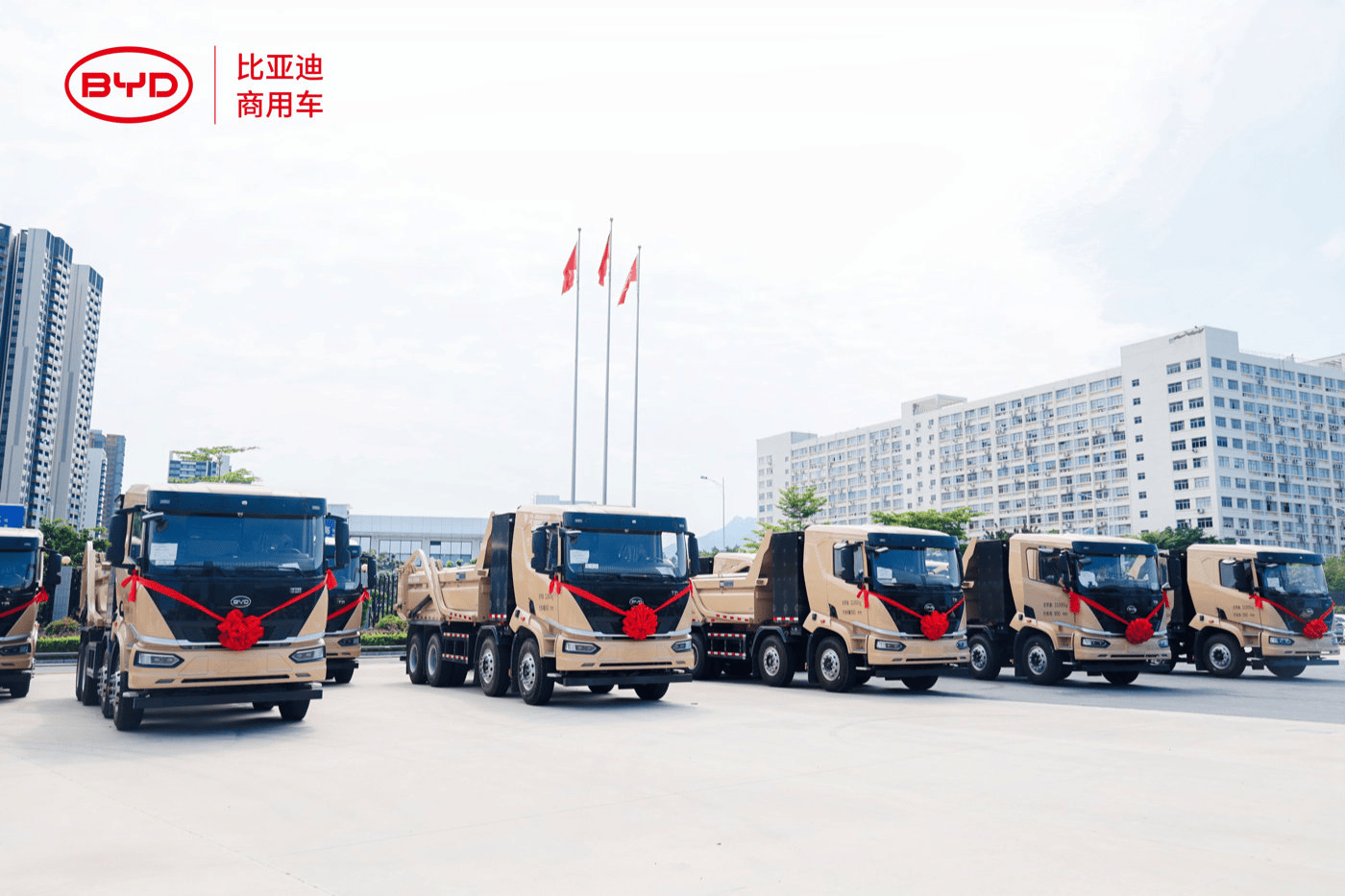
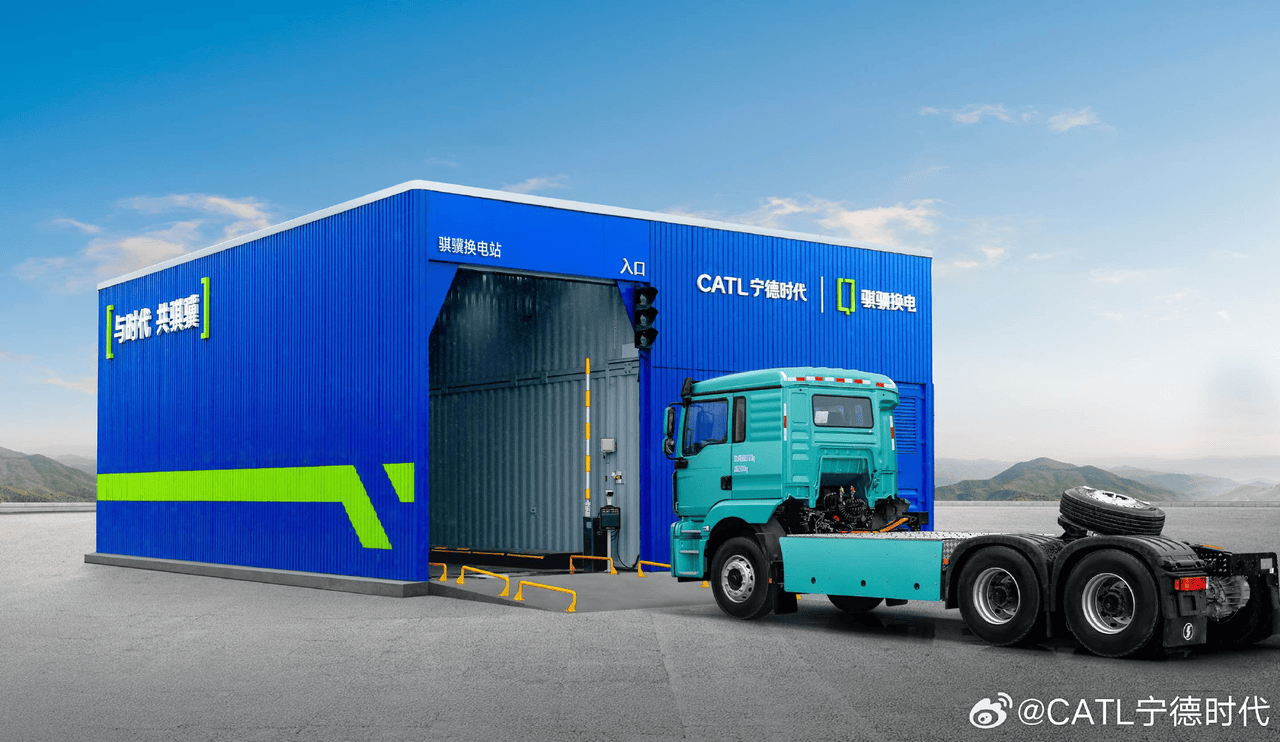



















China’s Ministry of Transport has issued a new policy document setting, for the first time, a formal target for the electrification of heavy-duty trucks. By 2030, electric heavy trucks are expected to account for 40% of annual new vehicle sales, while their share of the national fleet is projected to rise to around 20%, equivalent to approximately 1.6 million units. In specific short-haul and fixed-route logistics scenarios, particularly in regions surrounding Beijing, the penetration rate is targeted to reach as high as 80%. The policy builds on already rapid industry progress. Data from EVTank show that China’s total heavy truck sales reached 232,000 units in 2025, with an electrification rate rising to 20.5%, marking a record high for a traditionally high-emission vehicle segment. The new target is significantly more aggressive compared with earlier forecasts by energy consultancy Rystad Energy, which projected that electric heavy trucks would account for only 9% of China’s total fleet by 2030. On the infrastructure side, the government plan also introduces binding support requirements. By 2030, China aims to build approximately 3,000 charging and battery-swapping stations dedicated to heavy-duty trucks, alongside the development of a “zero-carbon highway” trunk charging network. In highway freight transport, the share of new energy heavy trucks is expected to rise to 18%, with some regions already deploying denser networks of battery-swapping and fast-charging stations. At the corporate level, deployment activity is accelerating in parallel. BYD recently delivered 100 T31 urban construction dump trucks to a Shenzhen-based logistics operator. BYD’s T31 urban construction dump trucks Each vehicle is equipped with a 424 kWh blade battery pack, targeting urban engineering and construction transport applications. Beiben Trucks also launched a new electric dump truck model last weekend, powered by an EVE Energy battery system, offering a range of 200 to 250 kilometers and supporting rapid energy replenishment in around 22 minutes. International spillover effects are also emerging. Beiben Heavy-Duty Truck Group reported that roughly one-fifth of its vehicles are currently exported, with Southeast Asian mining logistics identified as a fast-growing application area. CATL’s battery swap station for heavy trucks In the battery-swapping segment, CATL continues to expand its network, with more than 300 heavy truck battery-swapping stations already in operation and a target of over 900 stations by 2026. Its jointly developed ecosystem framework with industry associations also aims to standardize infrastructure for long-haul freight corridors.