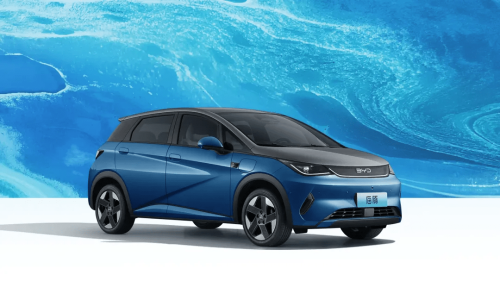
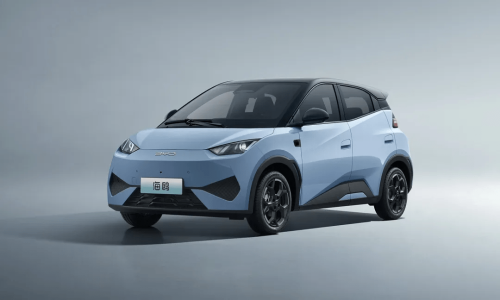
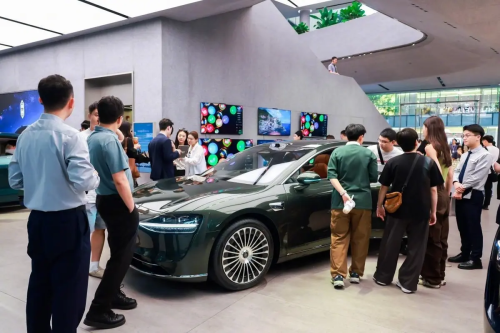
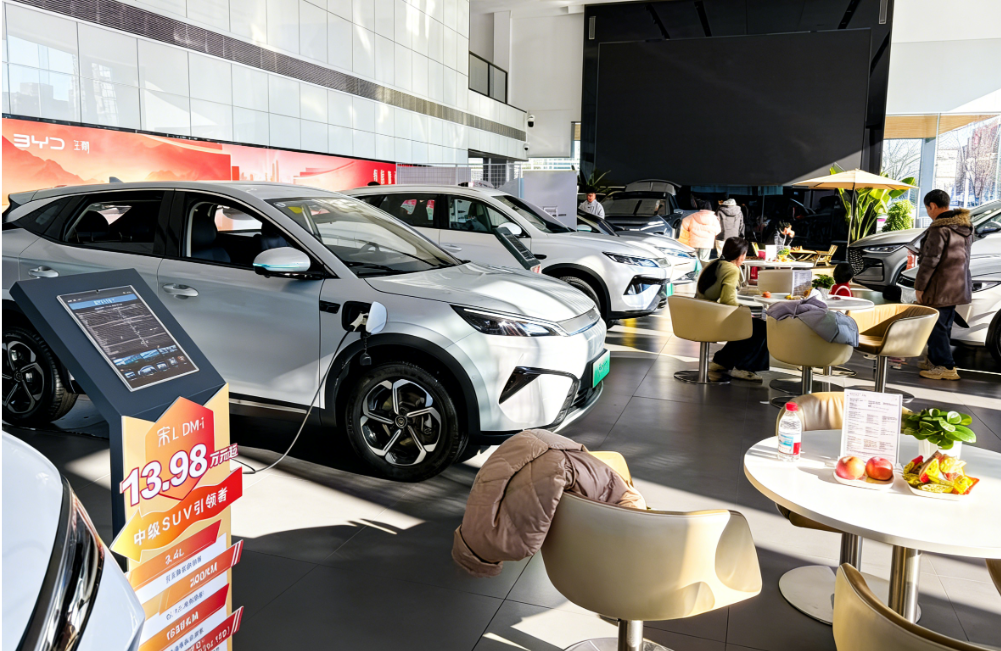
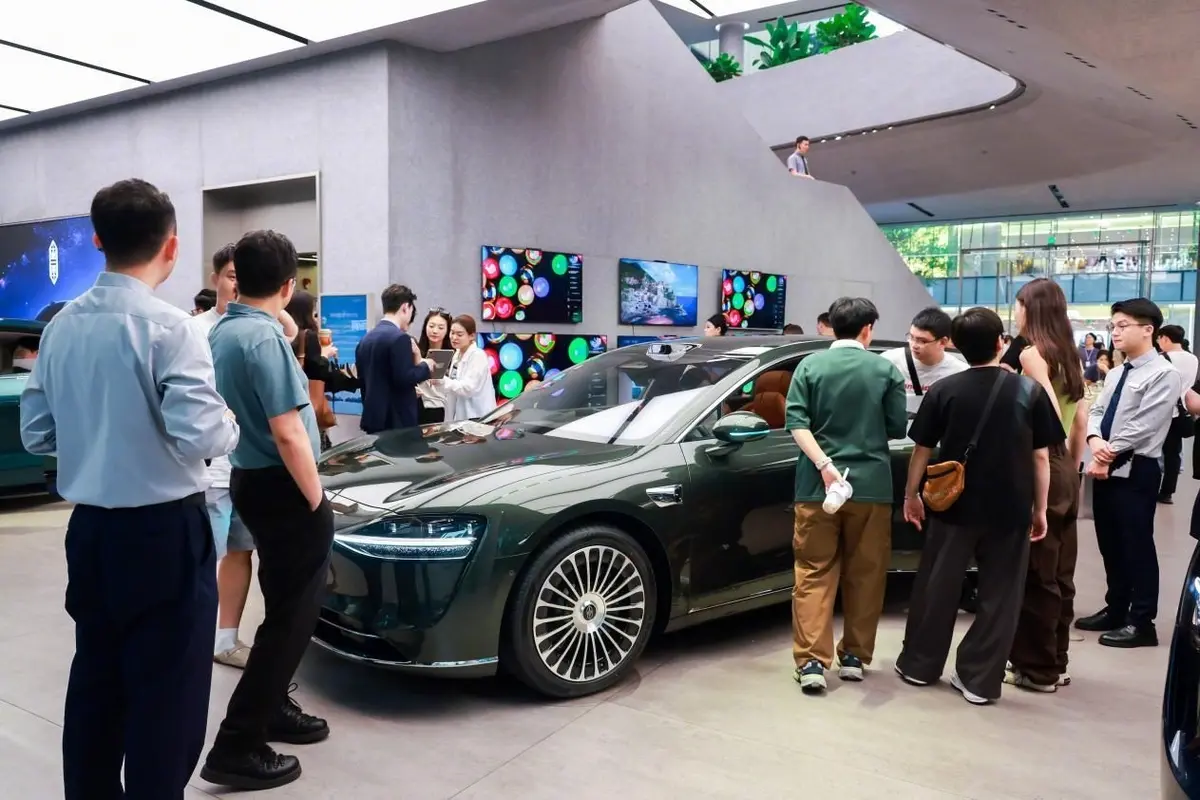
China’s passenger car market showed divergence in January, with overall prices slightly lower but discounts expanding to an average of RMB 35,300 ($5,110). On March 4, the China Passenger Car Association (CPCA) in conjunction with CAM Automotive Consulting released its January 2026 report on national passenger vehicle price and discount indices. Data show that the overall auto market maintained its early-year volatility in January, with divergent trends emerging between new energy vehicles and traditional fuel-powered cars. In the broader market, the national passenger vehicle price change index stood at -0.26 in December, with the average transaction price reaching RMB 165,800 ($24,020), down RMB 436 month on month, a decline of 0.26%. Across segments, MPVs recorded the largest drop in transaction prices, down 6.02%, while SUVs fell 3.95%. Sedans bucked the trend, rising 3.91%. BYD Song off-line store The modest decline in transaction prices was accompanied by expanding discounts. In January, the overall market discount index reached 4.14, with average incentives of RMB 35,300 ($5,110), up RMB 6,878 month on month, representing a 24.17% increase. All major segments reported stronger incentives, with the sedan segment posting the largest increase in discounts at 34.4%, followed by SUVs at 18.4% and MPVs at 5.9%. In the new energy vehicle market, the January price change index stood at 8.8, with the average transaction price reaching RMB 190,900 ($27,660), up RMB 15,443 from the previous month, an 8.8% increase. By segment, new energy SUVs and MPVs rose 5.1% and 3.7%, with average transaction prices of RMB 221,700 ($32,130) and RMB 310,900 ($45,000), respectively. Huawei-backed Stelato S9T off-line store New energy sedans declined slightly by 1.9%, with an average transaction price of RMB 116,100 ($16,810). Meanwhile, discounts in the new energy segment narrowed. In January, the NEV market discount index stood at -0.61, with average incentives of RMB 10,200 ($1,480), down RMB 1,073 month on month, a decrease of 9.53%. Among NEVs, SUVs recorded the sharpest reduction in discounts at 15%, while MPV incentives fell 10.1%. Sedan discounts edged up 0.1%. Overall, fuel-powered vehicles have relied on expanded incentives to sustain transactions, while new energy vehicles have posted price increases, with automakers increasingly leveraging financial policies to lower purchase thresholds. Although the price war has not fully subsided, market divergence has become more pronounced.


















 +76 others