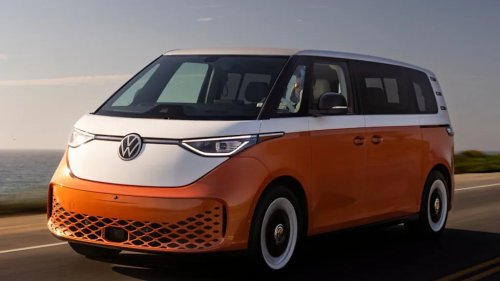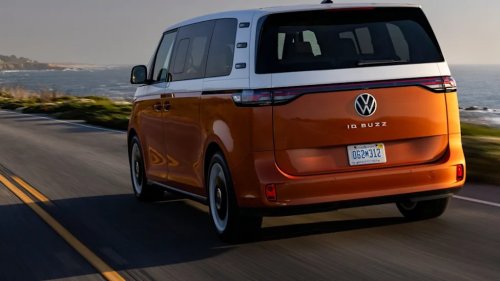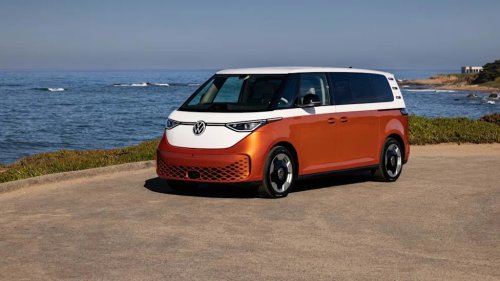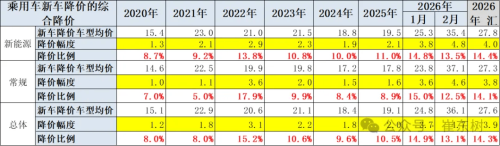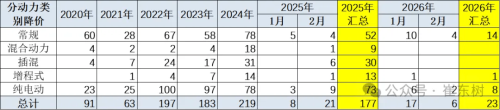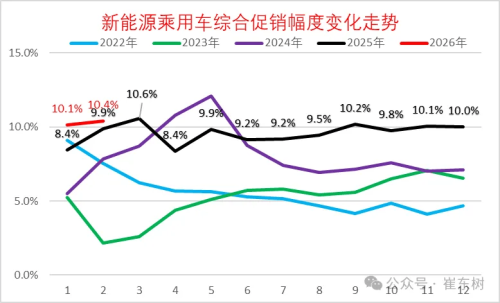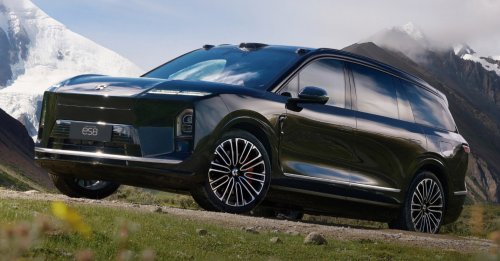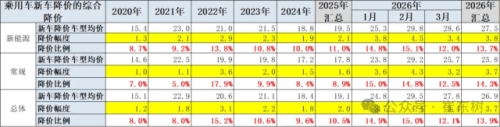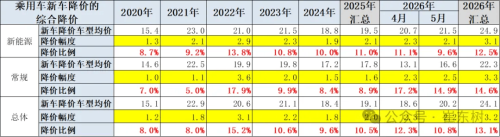
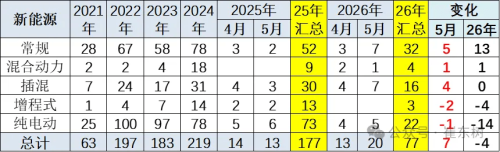
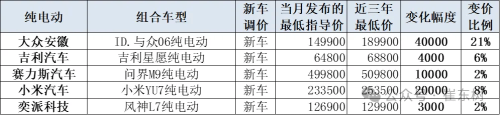
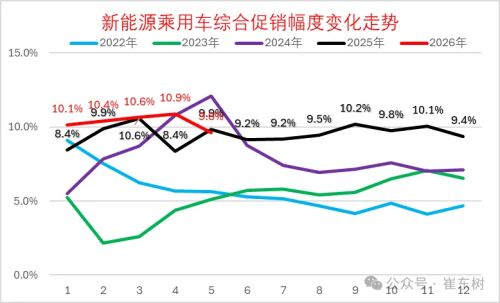



















Latest data released by CPCA Secretary General Cui Dongshu shows that the average price of discounted new-energy vehicles (NEVs) in China stood at RMB 215,000 ($31,713) in May 2026, with an average price reduction of RMB 21,000 ($3,094), representing a discount rate of about 9.6%. While still relatively high, the reduction was lower than the overall passenger vehicle market average discount rate of 10.8%. From January to May, discounted NEV models carried an average transaction price of RMB 249,000 ($36,728), with average discounts reaching RMB 31,000 ($4,573), equivalent to a 12.5% reduction. Average price cus for new passenger vehicles in China from 2020 to May 2026 Even so, the figure remained below the broader passenger-car market average discount rate of 13.1%. By comparison, discounted gasoline-powered vehicles in May recorded an average selling price of RMB 166,000 ($24,485), with average price reductions of RMB 25,000 ($3,688), translating into a significantly higher discount rate of 14.9%. In terms of the number of discounted models, 20 vehicles saw price reductions in May, seven more than a year earlier. Among them were seven gasoline-powered models, seven plug-in hybrids and five battery-electric vehicles. New vehicle price adjustments for different vehicle types from 2020 to May 2026 At the model level, the largest discount among BEVs came from Anhui Volkswagen’s ID. Unyx 06. Its starting price fell from RMB 189,900 ($28,010) to RMB 149,900 ($22,110), representing a 21% reduction. Models including the Aito M9, Geely Xingyuan and Aeolus L7 also received price adjustments ranging from RMB 3,000 ($442) to RMB 10,000 ($1,475), equivalent to discounts of roughly 2% to 6%. Notably, Xiaomi did not reduce prices for existing YU7 variants. Instead, it introduced a new entry-level version, lowering the starting price to RMB 233,500 ($34,441), RMB 20,000 ($2,950) below the currently available single-motor rear-wheel-drive model. BEV price cut percentages in Mar 2026 Among PHEVs, the Aeolus L8 recorded the steepest reduction. Its lowest selling price fell from RMB 239,900 ($35,386) to RMB 169,800 ($25,046), a decline of 29%. The remaining six discounted plug-in hybrid models generally saw price reductions ranging between 1% and 8%. Meanwhile, some PHEV models moved in the opposite direction. In May, the Lynk & Co 10 and Changan Nevo Q07 increased prices by RMB 2,000 ($295) and RMB 3,000 ($442), respectively. Beyond outright price cuts, promotional strategies are also evolving. Promotional discounts of China’s NEVs from 2022 to May 2026 Data from the retail market shows the promotional rate for NEVs stood at 9.8% in May, unchanged year-on-year but down 1.1 percentage points from April. At the same time, dealerships have increasingly shifted toward maintaining sales volumes while protecting profitability, leading to a noticeable reduction in large-scale price wars. European brands continue to offer the deepest discounts, with average terminal incentives reaching 37.4%. Other joint-venture automakers generally maintained promotional levels around 22%. Chinese domestic brands averaged roughly 19.2%, making them among the most price-stable participants in the market.